12 living room features that often reflect a modest upbringing
Your living room can spill the family tea before anyone even sits down. A rubber-banded remote, a carefully covered sofa, or a photo wall full of school portraits can say, “We knew how to stretch a dollar.” Many American homes still carry that practical spirit.
The Bureau of Labor Statistics reported that U.S. households spent an average of $78,535 in 2024, with the lowest-income quintile spending $35,046 and the highest-income quintile spending $150,342, highlighting how differently families approach everyday household choices.
Today, many women proudly turn modest, rootless living rooms into warm, nostalgic spaces that feel loved, lived-in, and deeply personal.
Hand-me-down seating says plenty
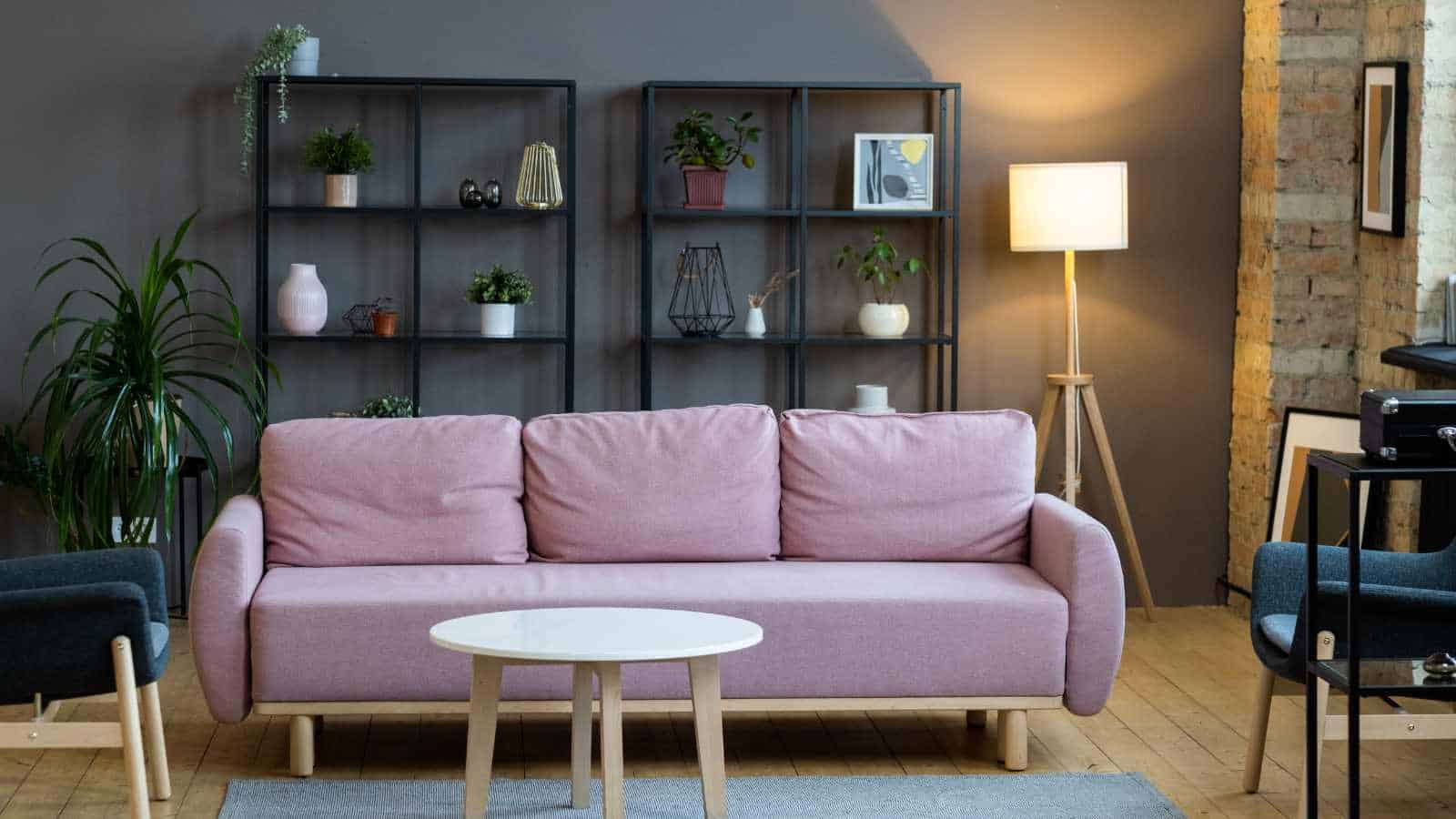
A sofa from an aunt, a recliner from Dad, or a chair that has survived three apartments can say more than a brand-new set ever could. Modest homes often treat furniture as something you maintain, not something you replace every time a trend changes. eBay’s 2025 Recommerce Report found that 81% of consumers buy pre-loved goods to save money, which aligns with the logic of keeping family furniture in rotation.
That old couch may sag a little, but it still carries birthdays, movie nights, naps, and long talks. Many women also know the quiet pride of making inherited pieces look fresh with a throw blanket or new pillows. The result feels less like a showroom and more like a family archive with cushions.
Plastic covers guard the good stuff

Plastic slipcovers can feel funny, but they come from a very practical place. Families that grew up counting costs often protected the “good sofa” like it held state secrets. That habit makes sense because the EPA’s latest product-specific durable goods tables show that furniture and furnishings generated 12.1 million tons of municipal solid waste in 2018, and 80.1% of it ended up in landfills.
A cover helps one couch survive spills, sticky fingers, pets, and crowded holidays. It also tells children, without a lecture, that care matters. In many modest homes, keeping something clean and usable counts as a small victory.
The TV setup stays simple
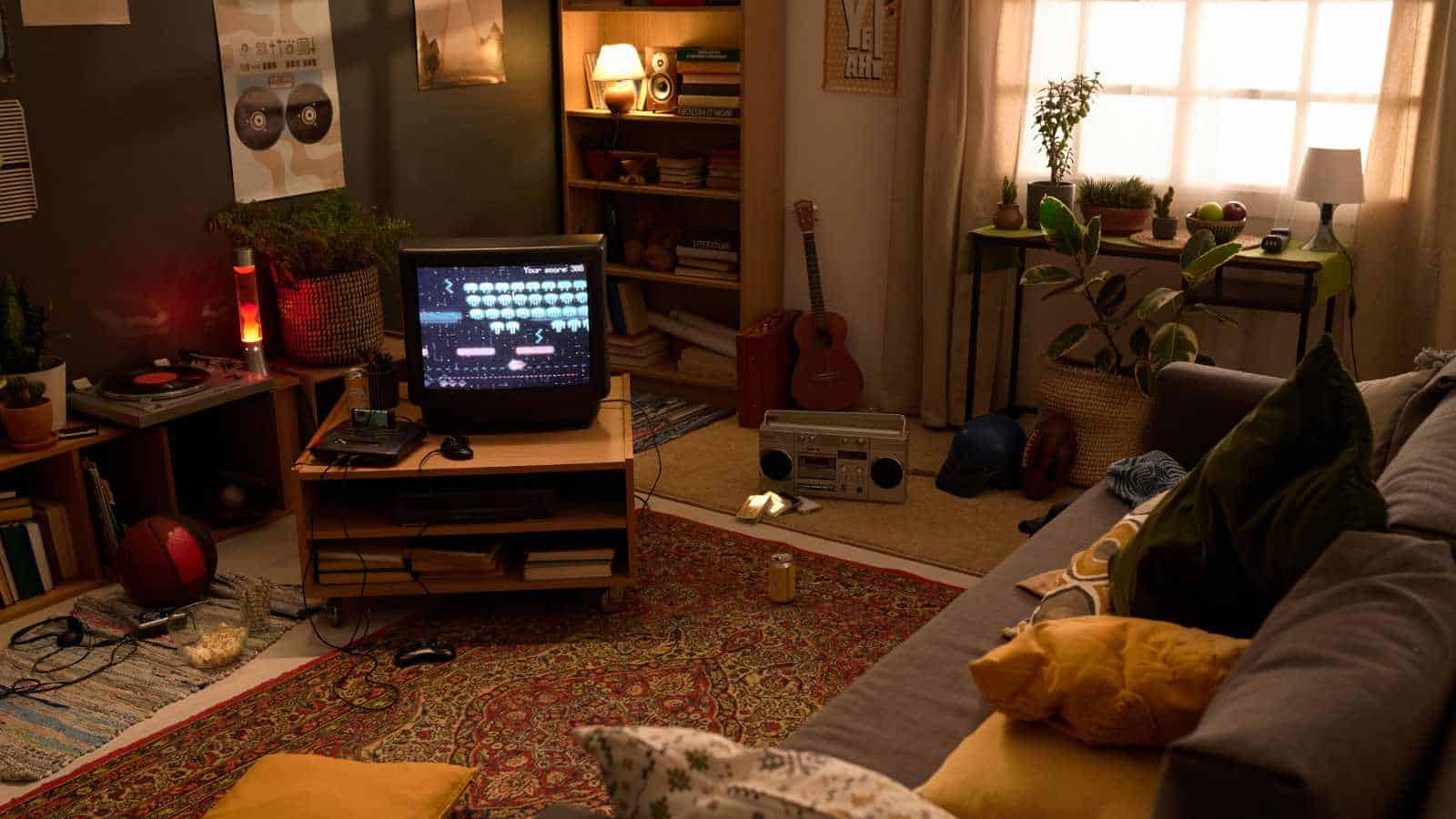
A modest-upbringing living room often has one dependable TV, one slightly confusing remote, and a stand that also stores old DVDs, batteries, and mystery cords. The setup may lack theater lighting or built-in speakers, but it still brings everyone together.
Pew Research Center reported in 2025 that 83% of U.S. adults use streaming services, yet only 36% subscribe to cable or satellite TV at home. That shift fits homes that pick affordable entertainment over expensive upgrades. A basic screen can still host family sitcoms, Sunday games, true-crime marathons, and comfort movies. The joy comes from who sits beside you, not from the size of the soundbar.
Crochet pieces add heart

Crocheted doilies, knitted throws, and handmade pillow covers often give a modest living room its softest personality. These pieces usually come from someone’s hands, not a high-end decor store. The U.S. Chamber of Commerce, citing Mintel’s 2025 arts and crafts research, reported that 71% of Americans identify as crafters. That explains why handmade touches still feel so familiar in family spaces.
A crocheted runner on a coffee table can protect the surface while adding charm. For many women, these pieces carry the memory of mothers, grandmothers, church groups, and quiet evenings spent making something useful from very little.
Faith symbols hold the room

A cross above the doorway, framed scripture near the TV, a small altar, or cultural figurines often anchor a modest living room. These items rarely aim to impress guests. They usually remind the family who they are, where they come from, and what helped them through hard seasons. Pew Research Center’s 2023 to 2024 Religious Landscape Study found that 83% of U.S. adults believe in God or a universal spirit.
That belief often shows up in shared rooms, where family members gather, pray, celebrate, and grieve. In modest homes, faith decor can feel less like decoration and more like emotional furniture.
Multipurpose pieces earn their keep
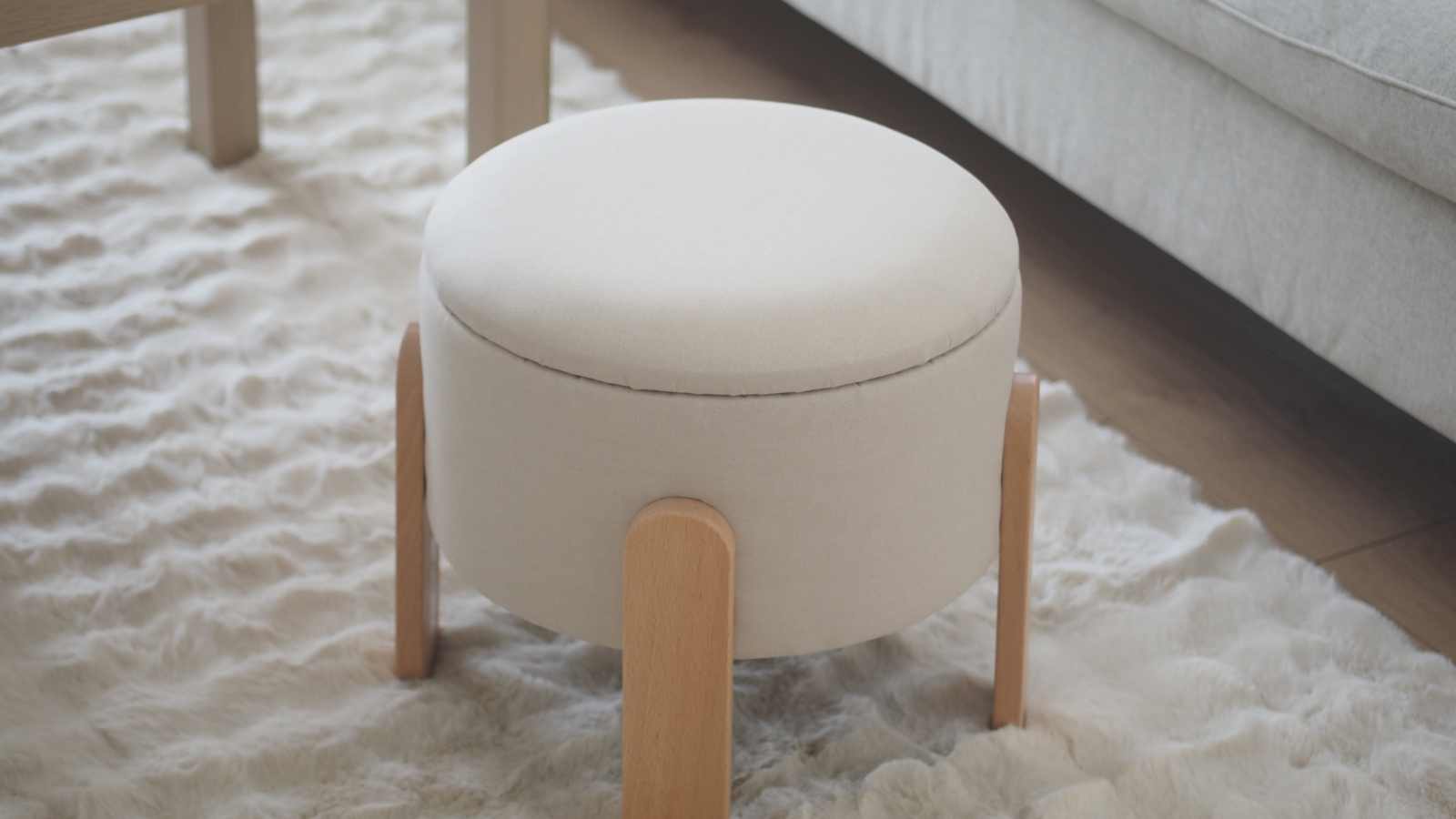
A storage ottoman, sofa bed, fold-out table, or trunk that doubles as a coffee table can reveal a childhood shaped by smart, space-saving design. Modest homes often ask every piece of furniture to do more than one job. The National Association of Home Builders reported that the median size of new single-family homes fell from 2,200 square feet in 2023 to 2,150 square feet in 2024, the lowest level in 15 years.
Smaller spaces make flexible furniture feel even more useful. A living room may serve as a guest room, homework zone, play area, and laundry-folding station before dinner. That kind of practicality builds a home that works hard without making a fuss.
Family photos lead the decor
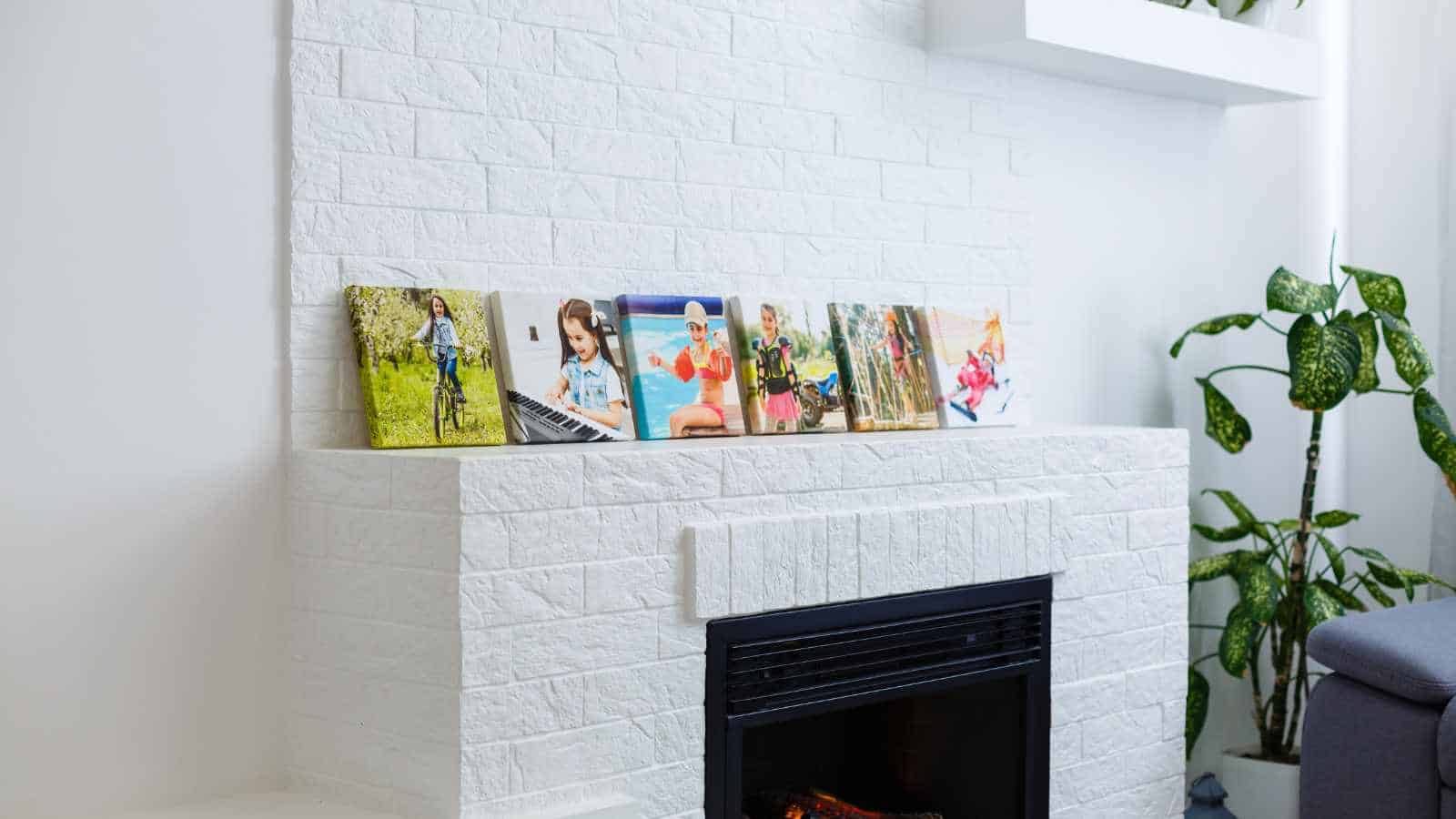
A wall of school portraits, wedding snapshots, graduation photos, and baby pictures often speaks fluently of a modest upbringing. These images cost less than gallery art, but they carry far more emotional weight.
Drugstore prints, mismatched frames, and old photo collages can turn plain walls into family history. The display may not follow a perfect grid, but it usually follows the heart. It tells guests, “People matter most here.”
Lighting stays warm and useful
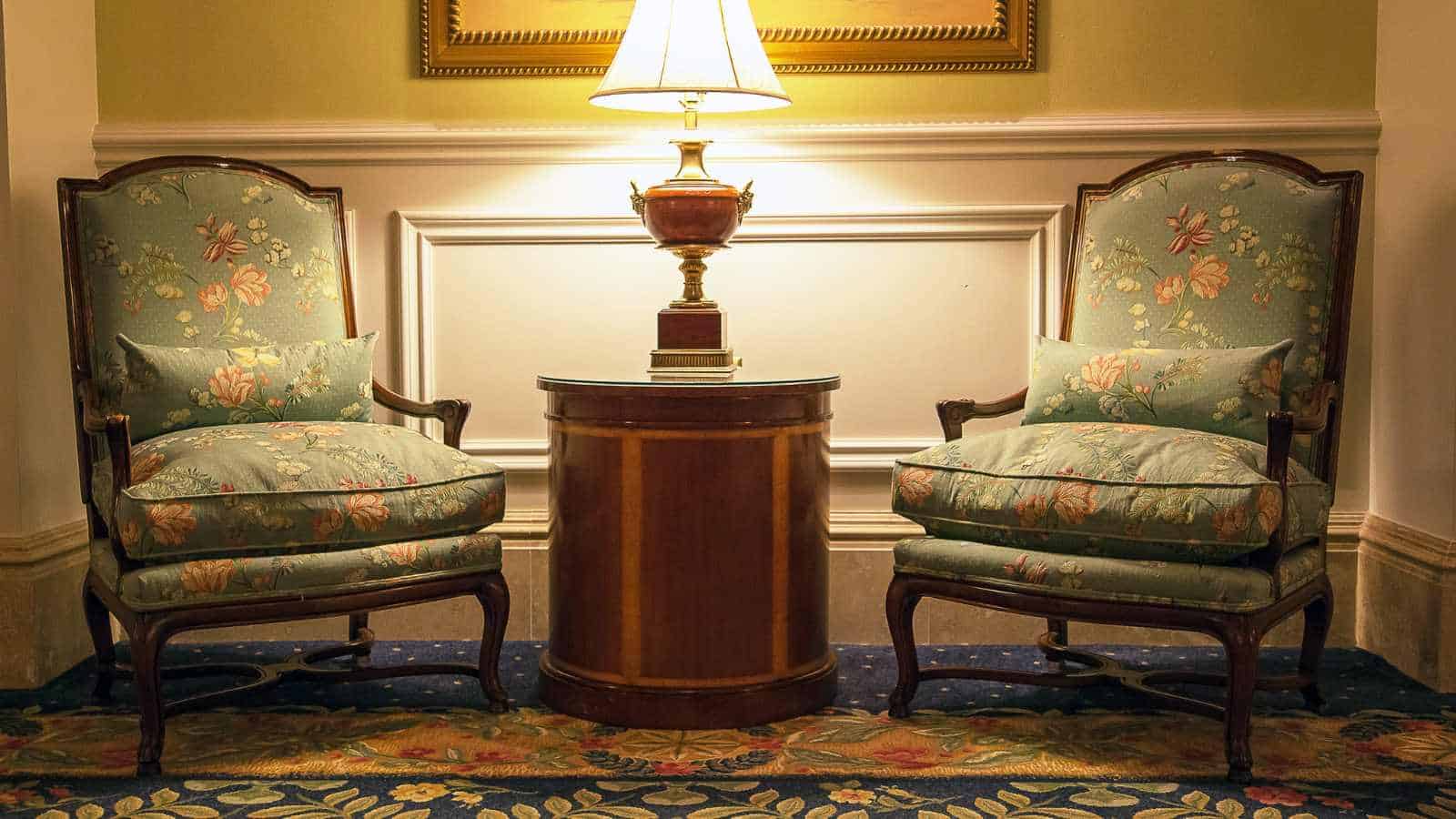
Simple lamps often define the mood in modest living rooms. A floor lamp beside the couch, a table lamp near a Bible or book stack, and one ceiling fixture can do the job without drama. The U.S. Energy Information Administration reported in 2026 that 90% of U.S. households use LED bulbs, based on the latest Residential Energy Consumption Survey results.
That detail fits homes that value lower energy use and longer-lasting bulbs. A modest living room may skip statement chandeliers, but it still knows how to feel cozy. One warm lamp can make a tired room feel gentle after a long day.
Clean rugs show pride
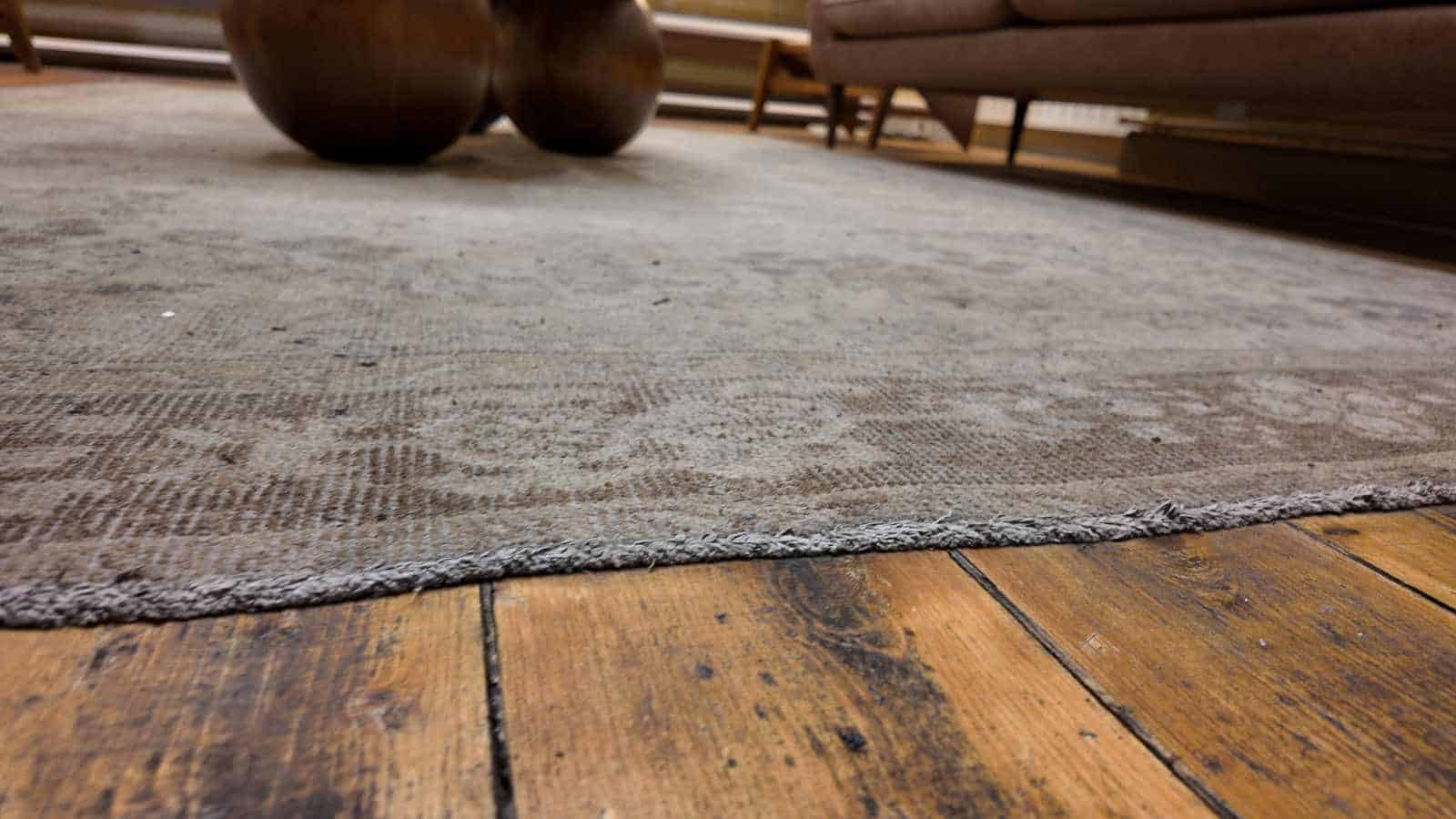
A worn rug can tell a tender story. The corners may curl, the pattern may fade, and one side may show where the sofa sat for years, but a clean rug still shows care.
Modest families often extend the life of rugs by vacuuming, spot-cleaning, rotating them, and protecting high-traffic areas. They may not replace the rug quickly, but they keep it presentable. That effort reflects pride, not lack.
Display cabinets show small wins
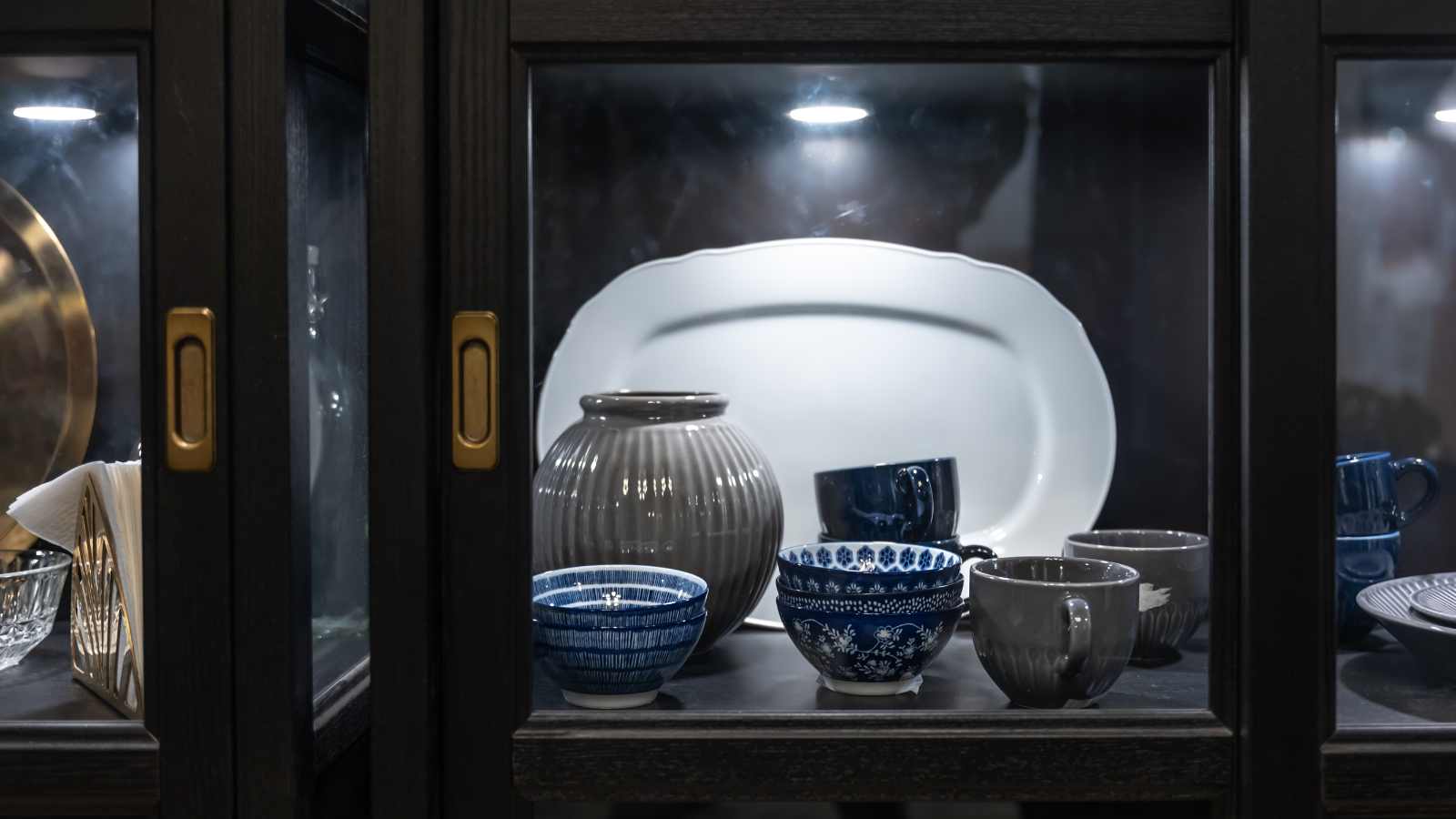
A glass cabinet filled with plates, trophies, souvenirs, tea sets, or little figurines can make a modest living room feel ceremonial. These cabinets often hold items that families have saved, received as gifts, or carried from one chapter of life to another. The 2026 1stDibs interior design survey found that vintage or antique pieces made up 36% of all items designers sourced for projects in 2025.
That trend gives old display pieces a fresh kind of respect. In modest homes, a cabinet rarely tries to look expensive. It simply says, “These things mattered enough to keep.”
Mismatched seats welcome everyone
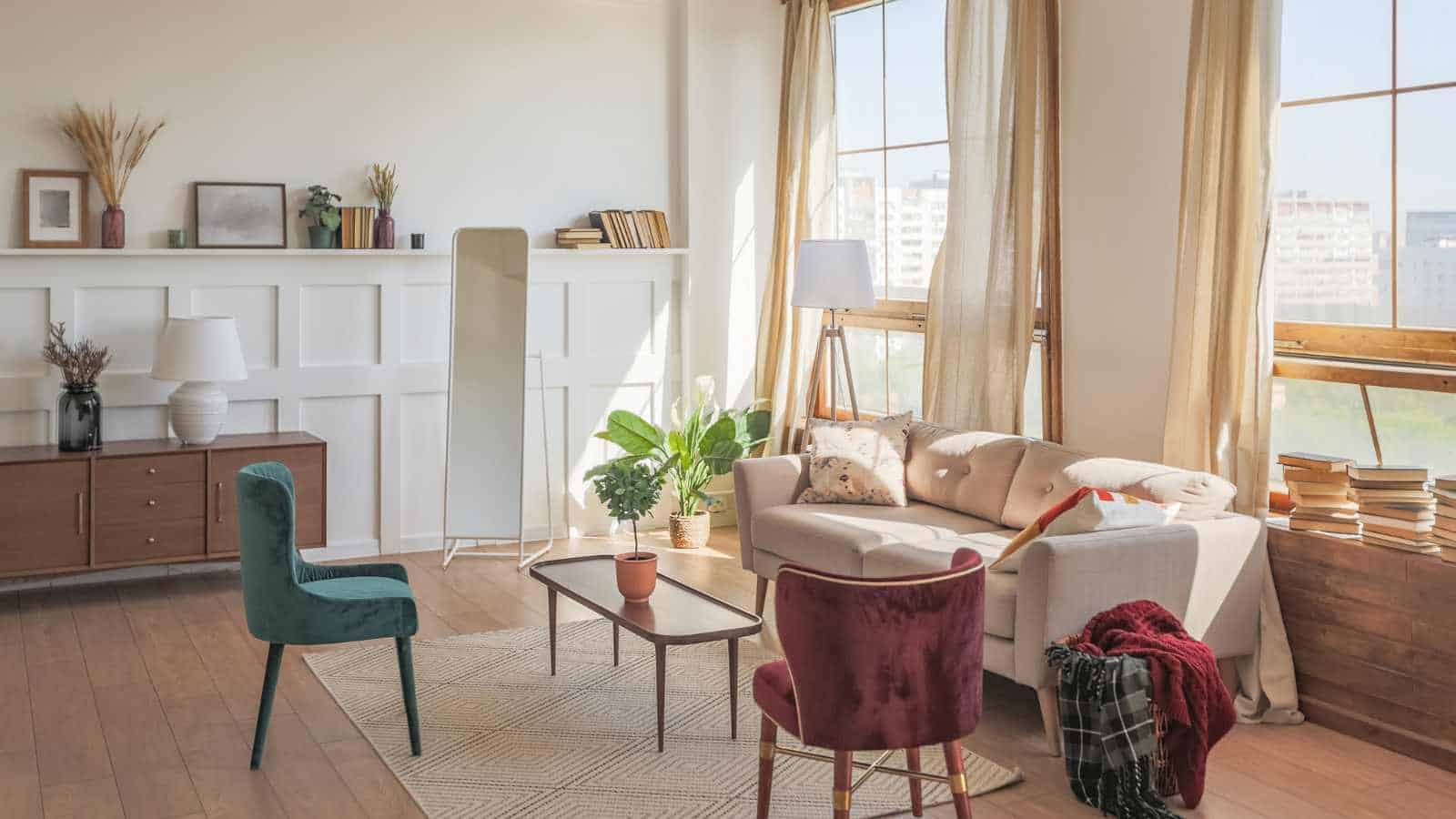
A modest living room may mix a sofa, two dining chairs, a stool, and one folding chair that appears during holidays. The room may not match, but it knows how to make space. A 2025 StudyFinds report on home gatherings found that 52% of survey respondents named comfortable seating as one key part of a successful night in.
That makes mismatched seating feel less like a flaw and more like a hospitality strategy. Families with modest roots often care more about giving everyone a place to sit than buying a perfect set. The room may look patched together, but the welcome feels whole.
Visible storage keeps life moving
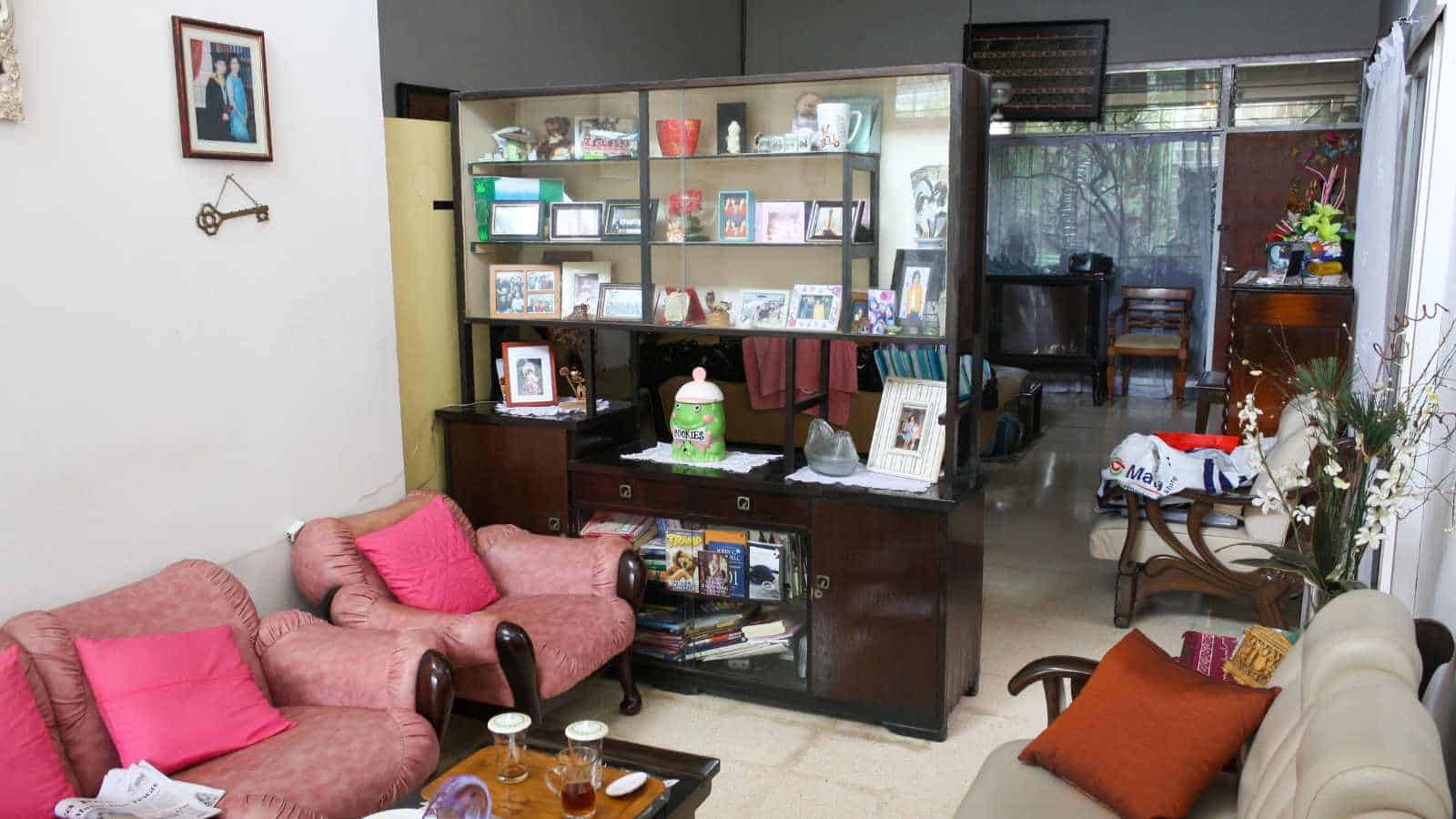
Open shelves, trunks, baskets, plastic drawers, and multipurpose cabinets often show up in modest living rooms because real life needs somewhere to go. These pieces hold toys, blankets, school papers, chargers, books, and the random things families use every day.
Visible storage helps families manage that pressure without the need for built-ins, renovations, or pricey custom closets. A labeled bin may not look glamorous, but it can save a busy mother’s sanity. In a practical home, order matters more than perfection.
Key takeaway

A modest upbringing in a living room rarely tries to impress people with luxury. It usually tells a warmer story about care, thrift, memory, and pride. Hand-me-down furniture, covered sofas, handmade textiles, family photos, faith symbols, simple lighting, and practical storage all point to homes that learned how to stretch what they had.
These features also show creativity. Families reused, repaired, protected, displayed, and rearranged things until the room worked for everyone. That kind of home may not follow every design trend, but it often feels more welcoming than a room that looks untouched.
For many women, these living room details bring back childhood sounds, smells, and routines. They remember the clean rug before guests arrived, the cabinet no one could touch, and the sofa that held the whole family. Modest roots can yield a beautiful design language, and it deserves more pride than shame.
Disclaimer – This list is solely the author’s opinion based on research and publicly available information. It is not intended to be professional advice.
Like our content? Be sure to follow us.