12 practical egg hacks every woman can benefit from
Think of the humble egg as the “little black dress” of your kitchen: versatile, timeless, and effortlessly ready for any occasion. Whether you’re fueling up for a workout, navigating a chaotic morning with the kids, or finally sitting down for a quiet solo brunch, that carton in your fridge is secretly a powerhouse of untapped potential.
And we aren’t just imagining the egg’s popularity. According to projections from the USDA Economic Research Service, U.S. per capita table egg availability is expected to be 21.5 dozen in 2025 and increase to 22.9 dozen per person in 2026.
With eggs becoming an even bigger staple in our busy lives, mastering a few “kitchen secrets” is no longer just a hobby; it’s a survival skill. Welcome to the secret world of the kitchen multitasker.
Shock boiled eggs in ice water
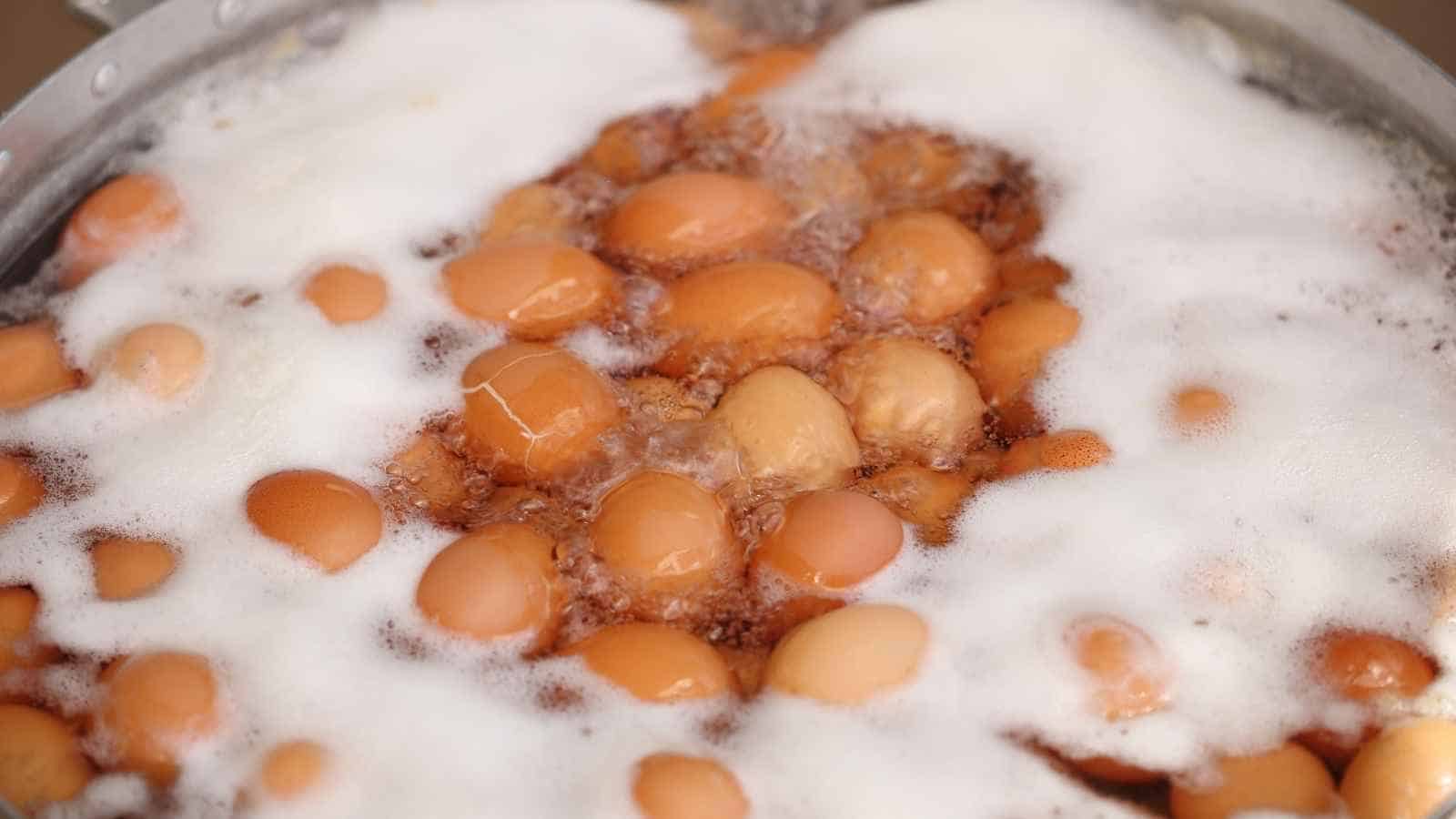
Hard-boiled eggs should never turn your morning into a frustrating wrestling match with a stubborn shell. To master the perfect peel, move your eggs straight from the boiling pot into a deep bowl of ice water and let them chill thoroughly.
This temperature shock forces the egg white to firm up and contract away from the membrane, creating a clean break. The cold bath is the secret to ensuring the shell slides off in large, effortless pieces rather than tiny shards. Once cooled, tap the shell, roll it gently under your palm to create cracks, and start peeling from the wider end. You will save time, reduce waste, and finally enjoy flawless whites every single time you cook.
Poach eggs with a teaspoon
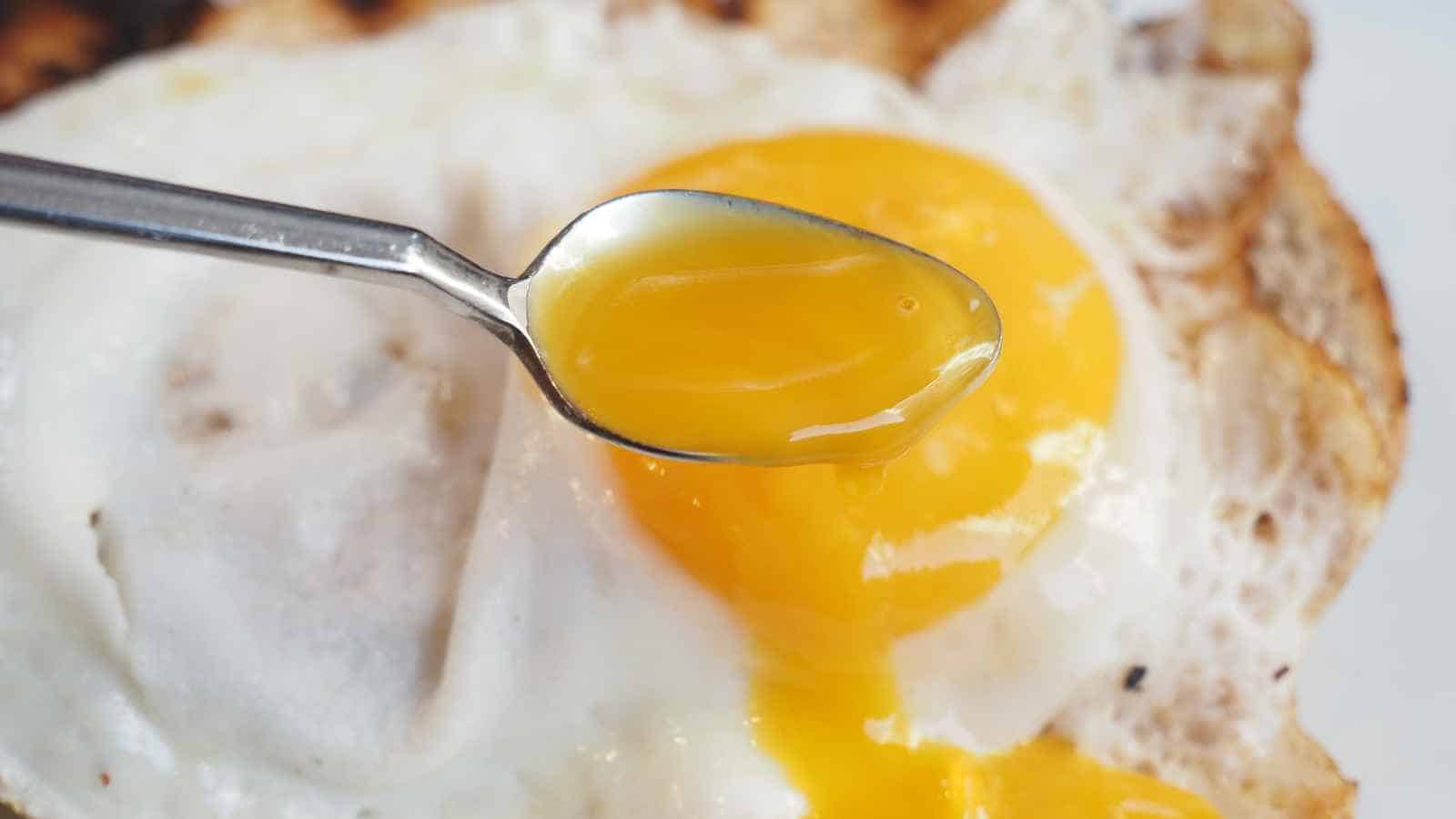
Poached eggs can look fancy, but the trick starts with a humble teaspoon. Crack the egg into a small cup, lower it close to gently simmering water, and use the spoon to nudge the white around the yolk. This keeps the egg tidy without turning breakfast into a science project.
Verywell Fit shows that a single large hard-boiled egg provides approximately 78 calories, 6 grams of protein, 5 grams of fat, and less than 1 gram of carbohydrates. That makes poaching a smart move for a filling meal that still feels light. Serve it on toast, greens, rice, or leftovers, and breakfast suddenly looks like brunch. Add herbs, chili flakes, or lemon zest for a bright finish.
Freeze extras in ice trays
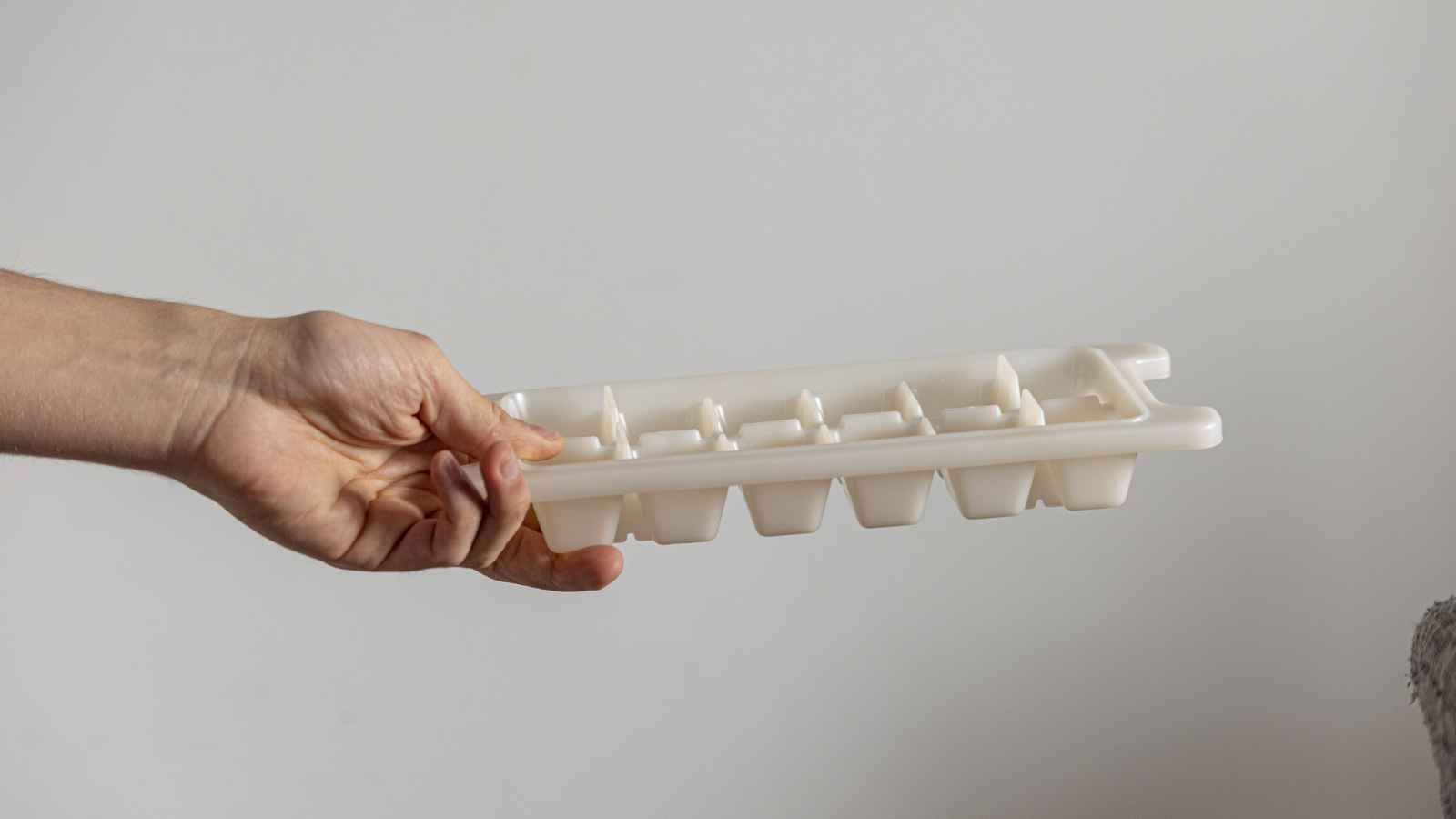
Stop treating leftover whites and yolks like kitchen clutter that vanishes behind the milk. Instead, pour extras into clean ice-cube trays to preserve them, then transfer the solid cubes into labeled freezer bags for long-term storage. This simple habit streamlines your baking because you can grab exact portions without cracking fresh shells.
To keep yolks from becoming gummy, whisk in a tiny pinch of salt or sugar before they hit the freezer. Consistent labeling ensures you always know which eggs are ready for your next recipe. This clever trick minimizes waste and transforms your meal prep into a seamless, efficient process.
Scramble eggs in a mug

A mug scramble can rescue the kind of morning where the mascara wand, coffee cup, and car keys all seem to be fighting for attention. Whisk eggs in a microwave-safe mug with a splash of milk, chopped spinach, pepper, or a little cheese.
Cook in short bursts and stir between rounds so the texture stays fluffy. NutriScan highlights that scrambled eggs are considered excellent for weight loss, offering high satiety at 149 calories and 10g of protein per 100g. That makes this hack practical for a quick breakfast routine, not a once-in-a-while trick. Stop cooking when the eggs set, then let the mug stand before eating.
Sieve eggs for silkier scrambles
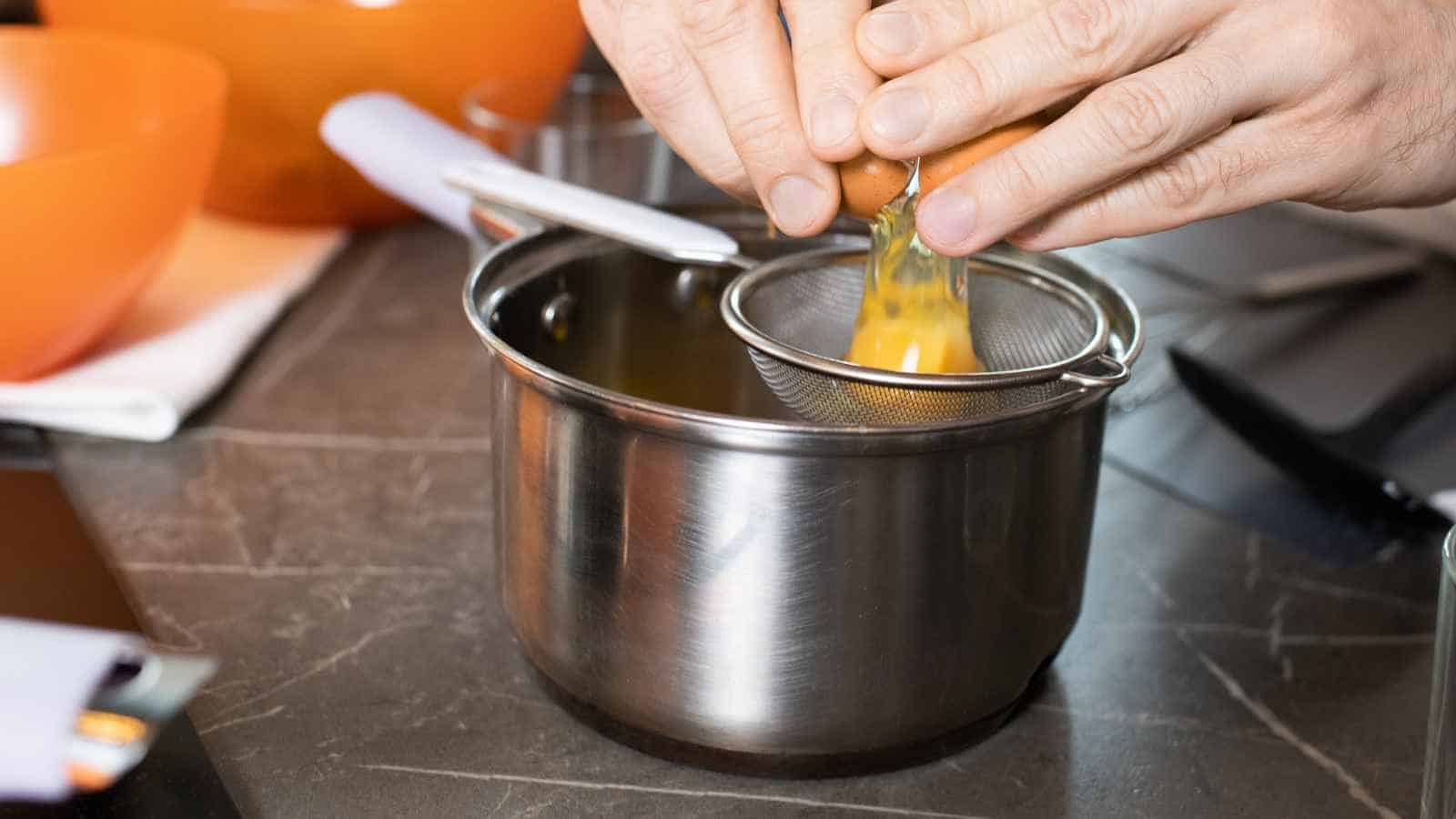
Sieving eggs transforms a standard breakfast into a gourmet experience by removing the chalazae and ensuring a perfectly uniform consistency. Crack your eggs into a fine-mesh sieve over a bowl and gently whisk them through to eliminate those stubborn, stringy proteins that often create rubbery patches. While this extra step takes moments, it yields a custard-like texture that mimics high-end brunch spots.
Professional chefs rely on this simple filtration method to achieve a cloud-like fluffiness that is impossible to reach with a fork alone. Beyond the sieve, always cook your eggs over low heat and remove the pan while they still appear slightly wet.
Also on MSN: 12 egg health benefits every woman needs to know
Use the float test
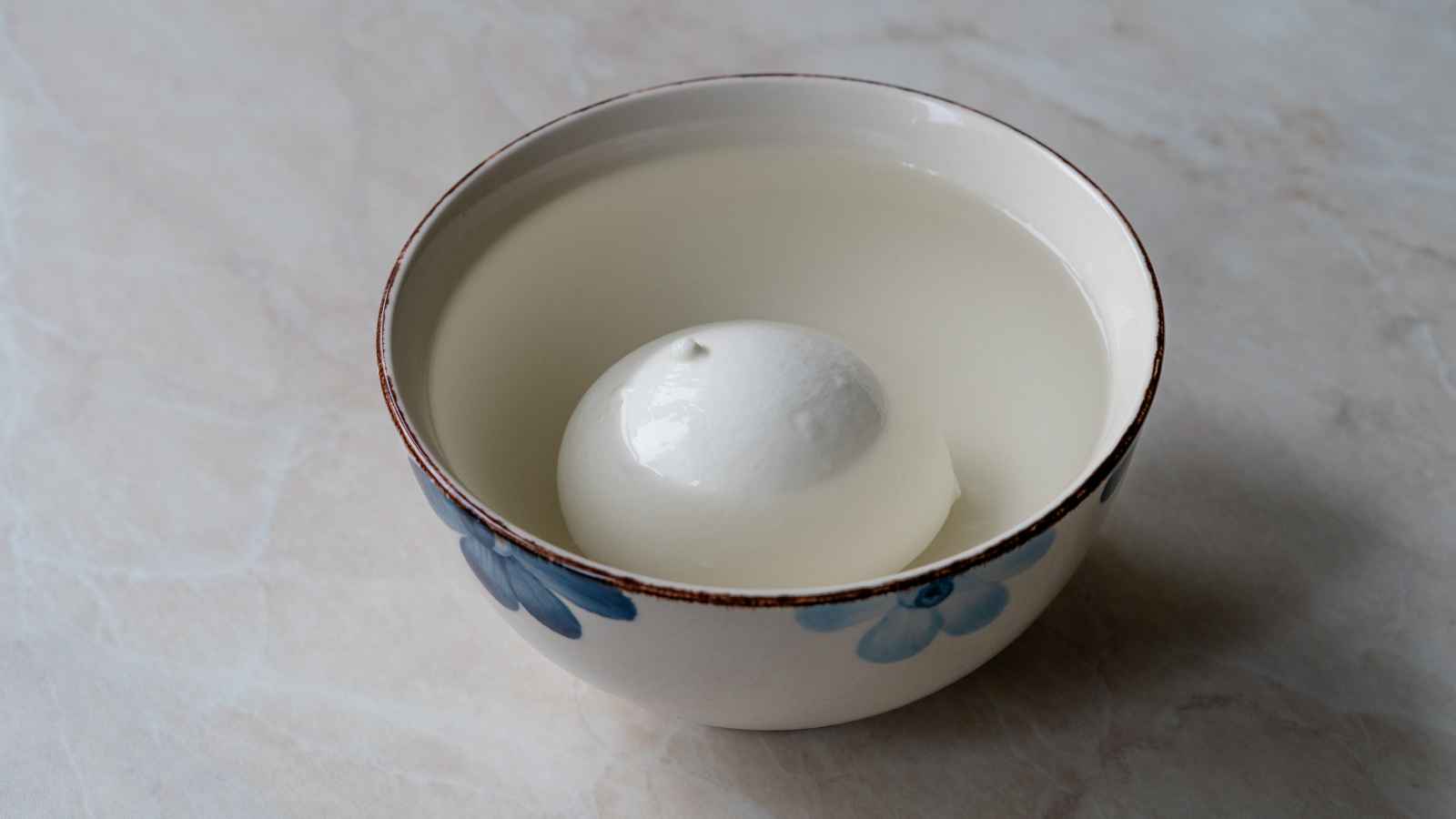
The float test gives you a quick freshness clue before you crack an egg into a bowl of cake batter. Fill a bowl with water, lower the egg in, and watch what happens. Nebraska Extension confirms that an egg floats in water when its internal air cell grows large enough to provide buoyancy, which happens over time as moisture evaporates through the porous shell.
A floating egg does not automatically mean danger, but it does deserve a smell and appearance check in a separate bowl. Fresh eggs usually sink and lie flat, so use those for poaching or frying. Older eggs can still work in fully cooked dishes if they pass the sniff test. Toss any egg with a bad odor, odd color, or cracked shell. That tiny pause can save an entire recipe.
Separate yolks with a bottle
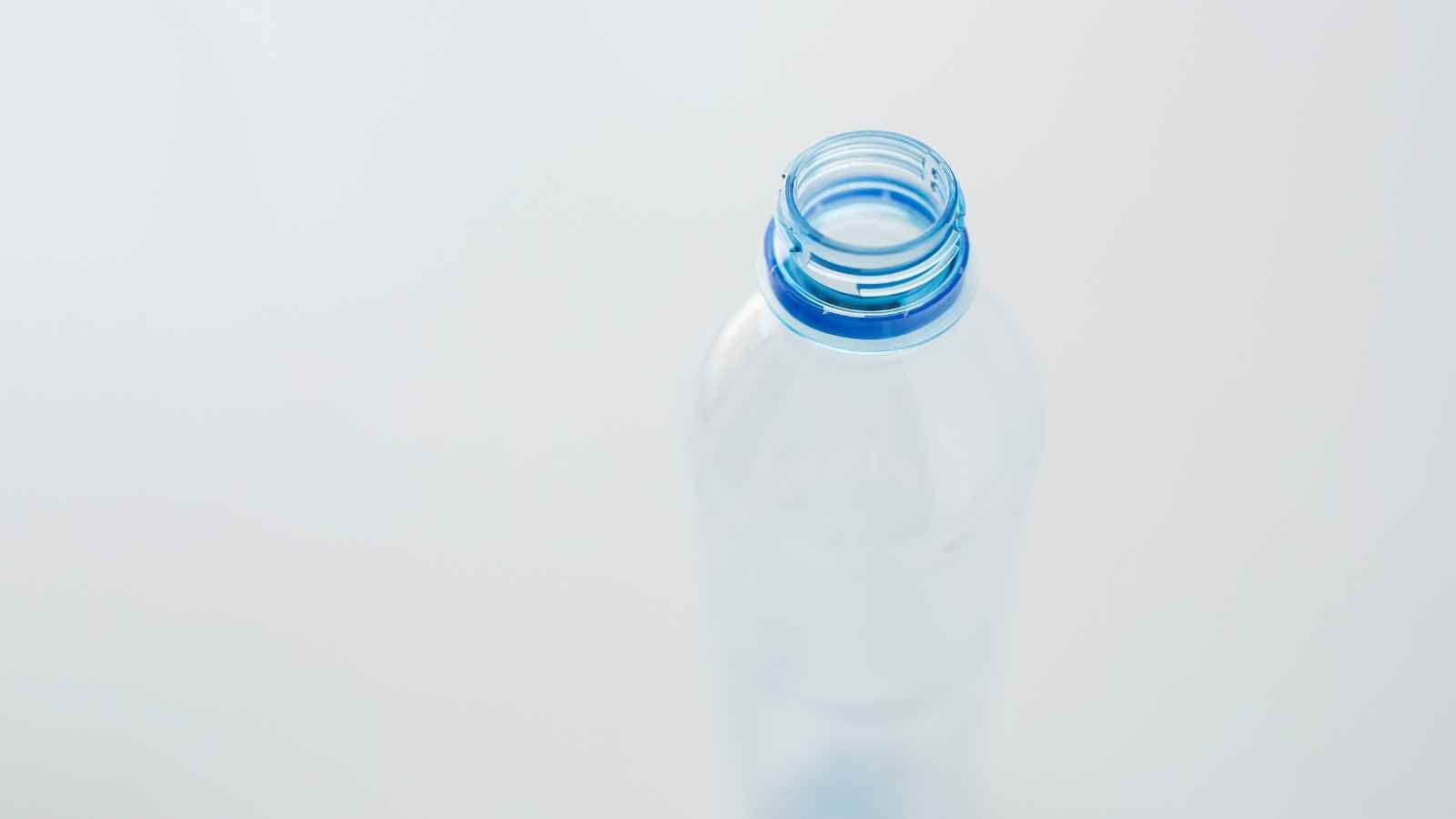
Mastering the kitchen starts with small victories that save time and reduce frustration. While the bottle trick helps you separate yolks like a pro, you can also peel a hard-boiled egg in seconds by shaking it in a glass of water.
If you struggle with shells falling into the pan, use a discarded piece of shell to scoop the fragment out instantly; the pieces act like magnets. These simple shifts transform a chaotic morning into a streamlined routine that leaves you feeling empowered and efficient. From testing freshness in a cup of water to freezing leftovers in ice trays, these methods ensure you never waste a single cent or second.
Add vinegar before poaching
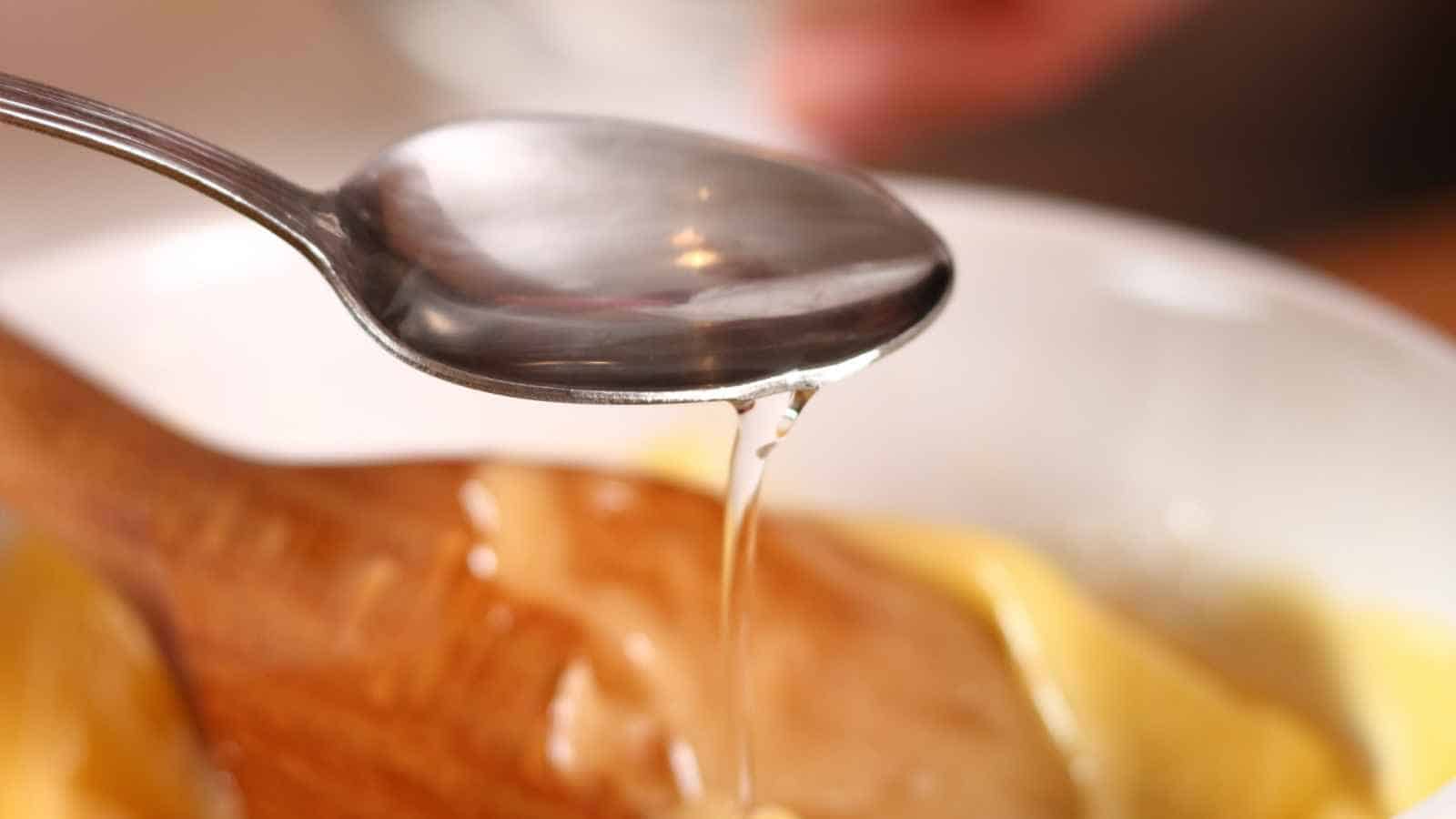
Mastering the perfect poached egg often feels like a gamble, but a simple splash of vinegar transforms the entire process. Research from the Open University’s OpenLearn, suggests that adding vinegar to poaching water causes egg white proteins to coagulate more quickly, preventing them from spreading out and forming “wispy” or “straggly” bits.
This rapid firming prevents those messy, wispy strands from clouding the pot and ruining the presentation. Instead, the white gathers neatly around the yolk, creating a tight, professional shape that looks stunning on a slice of sourdough. Vinegar acts as a chemical binder that secures the structure of the egg without altering its delicate flavor profile. By stabilizing the proteins early, you ensure the yolk remains liquid and rich while the exterior stays firm.
Store eggs away from the door
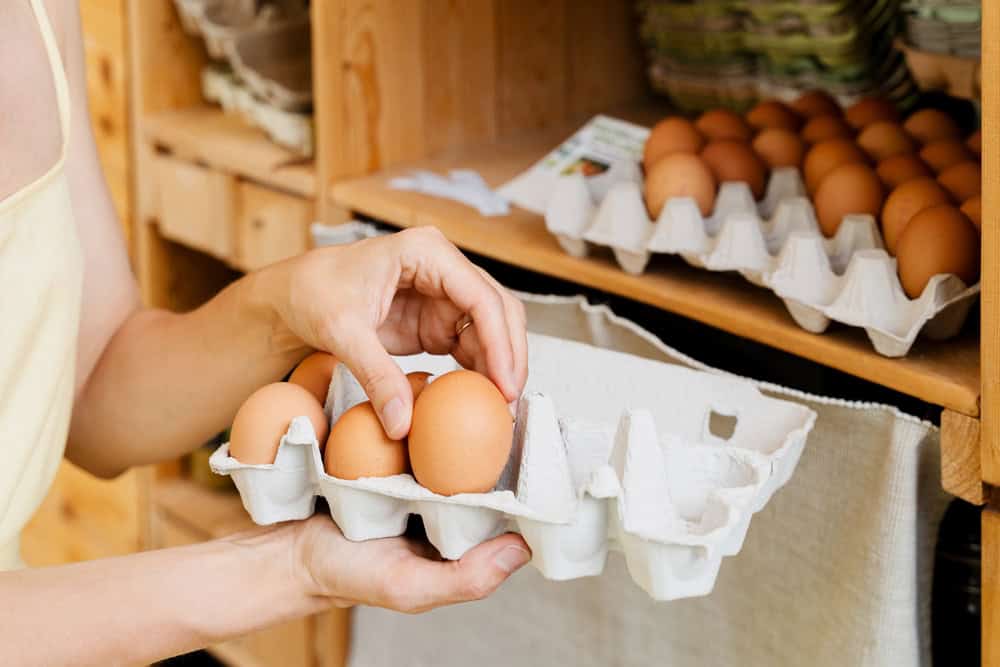
Stop balancing eggs in those wobbly plastic trays built into your refrigerator door. Every time you grab the milk or a snack, the temperature around your eggs spikes, and the constant movement risks tiny, invisible fractures in the shells.
Instead, slide the original carton onto a middle shelf where the air remains cold and consistent. This simple adjustment shields them from pungent food odors and the physical trauma of a slamming door. Maintaining a stable environment preserves the protein quality and extends the shelf life of every single yolk. Once you master proper storage, you can unlock the secrets of perfect peeling and lightning-fast poaching.
Save dry shells for the garden
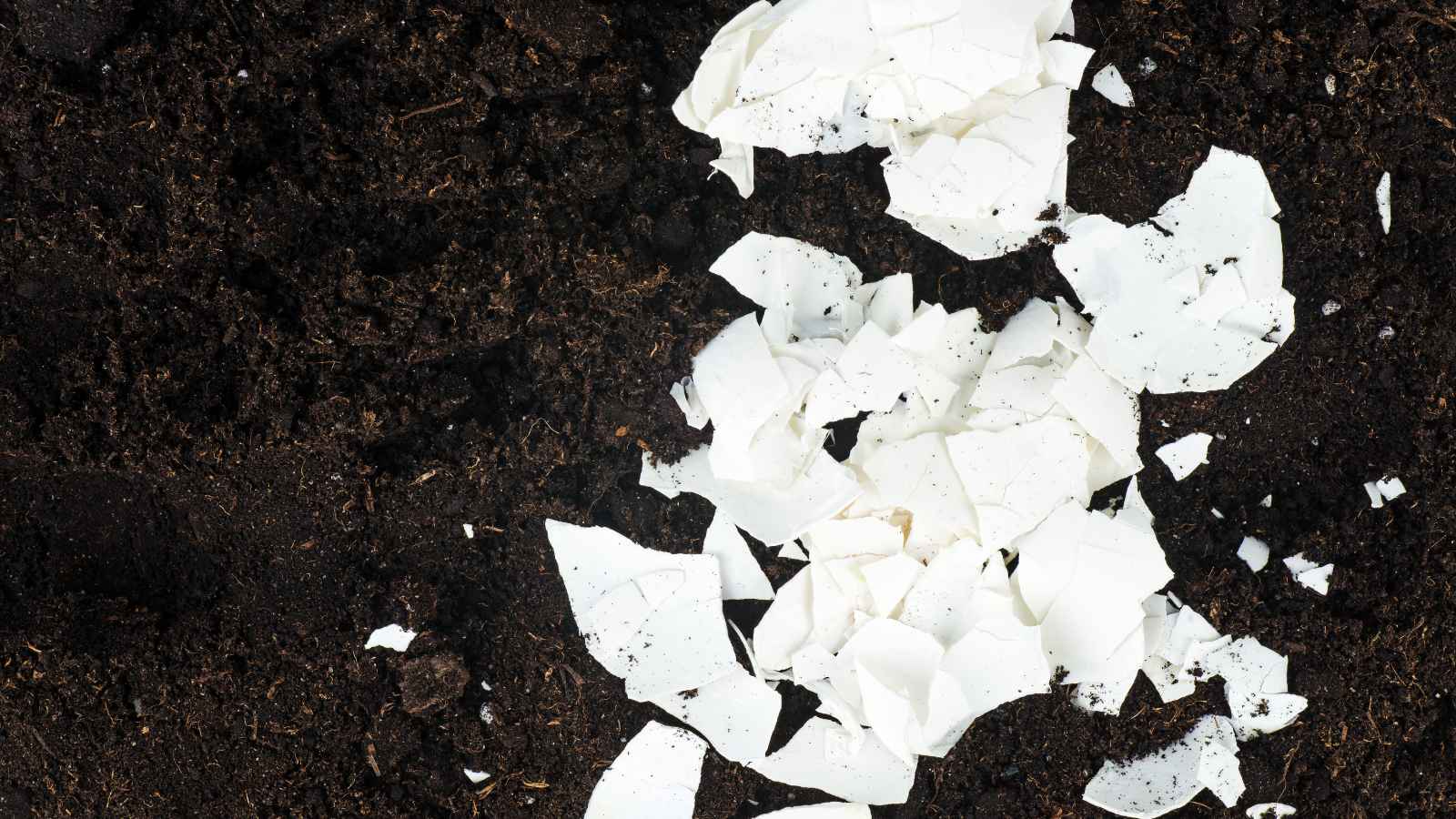
Eggshells can get a second act after breakfast. Rinse them, dry them, bake them briefly, and crush them as finely as possible before adding them to compost or garden soil. Michigan State University Extension confirms that drying eggshells by letting them sit for a few days or warming them in the oven makes them brittle and easier to crush, allowing for finer particles that incorporate better into compost.
Smaller pieces break down better than big jagged halves, which can sit around for ages. Use this trick as a slow soil helper, not an instant cure for sad tomatoes. It feels good to turn kitchen scraps into something useful, especially during spring planting season. Keep the crushed shells in a jar until you have enough to sprinkle.
Rescue batter with one egg
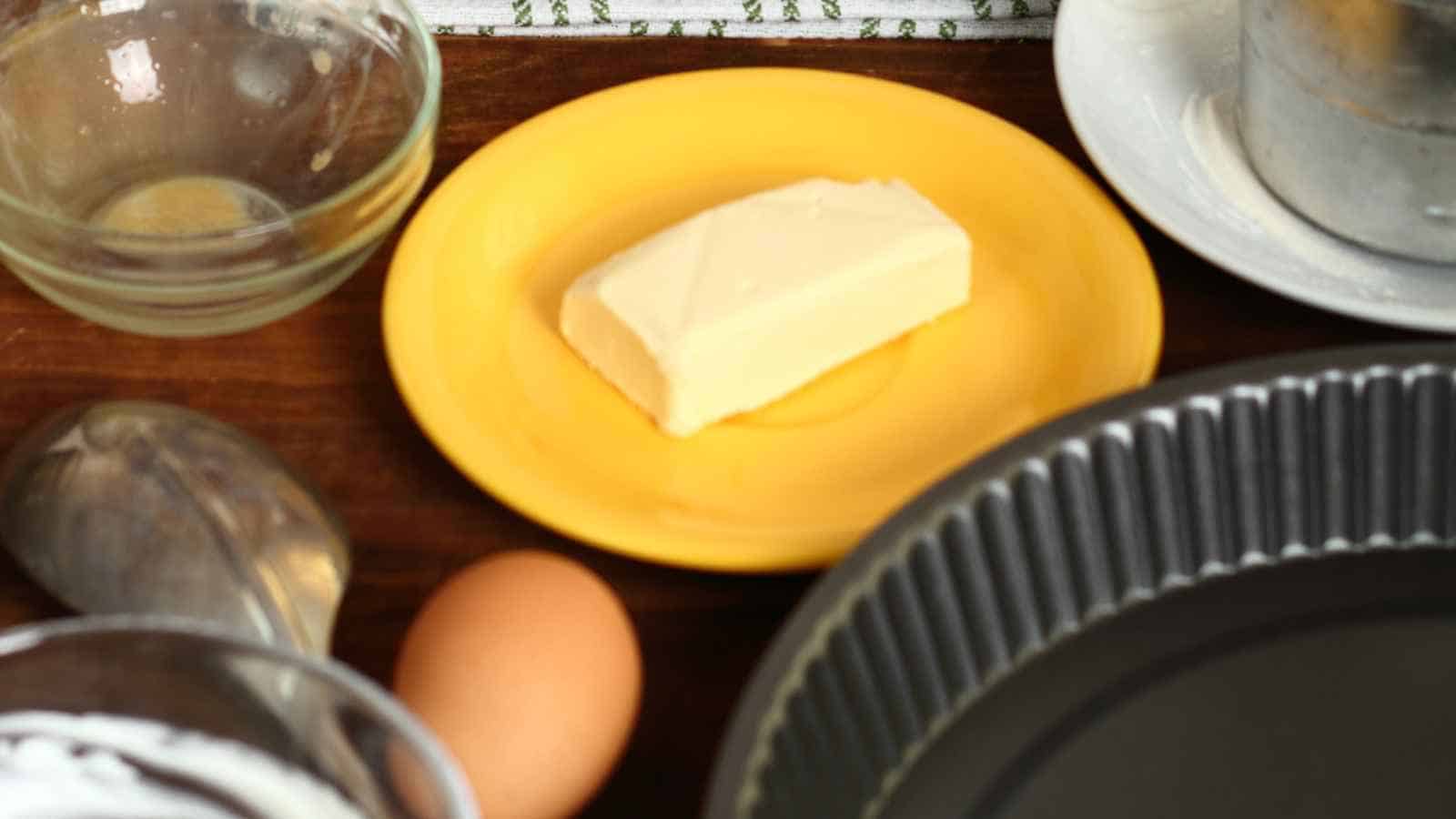
A tired cake mix or thin batter often needs patience more than panic. Add one egg, fold gently, and check the texture before adding another. Eggs help batters hold together because yolk components, such as lecithin, act as natural emulsifiers.
Bakerpedia describes lecithin as a stabilizer used in cakes and yeast-leavened bakery products. That means one egg can help bring moisture, structure, and softness back into a mix that looks a little sad. Go slowly, because too many eggs can make a cake rubbery instead of tender. Stop once the batter looks glossy and falls from the spoon in a steady ribbon. It is the quiet rescue move every home baker needs.
Cook eggs fully for safety
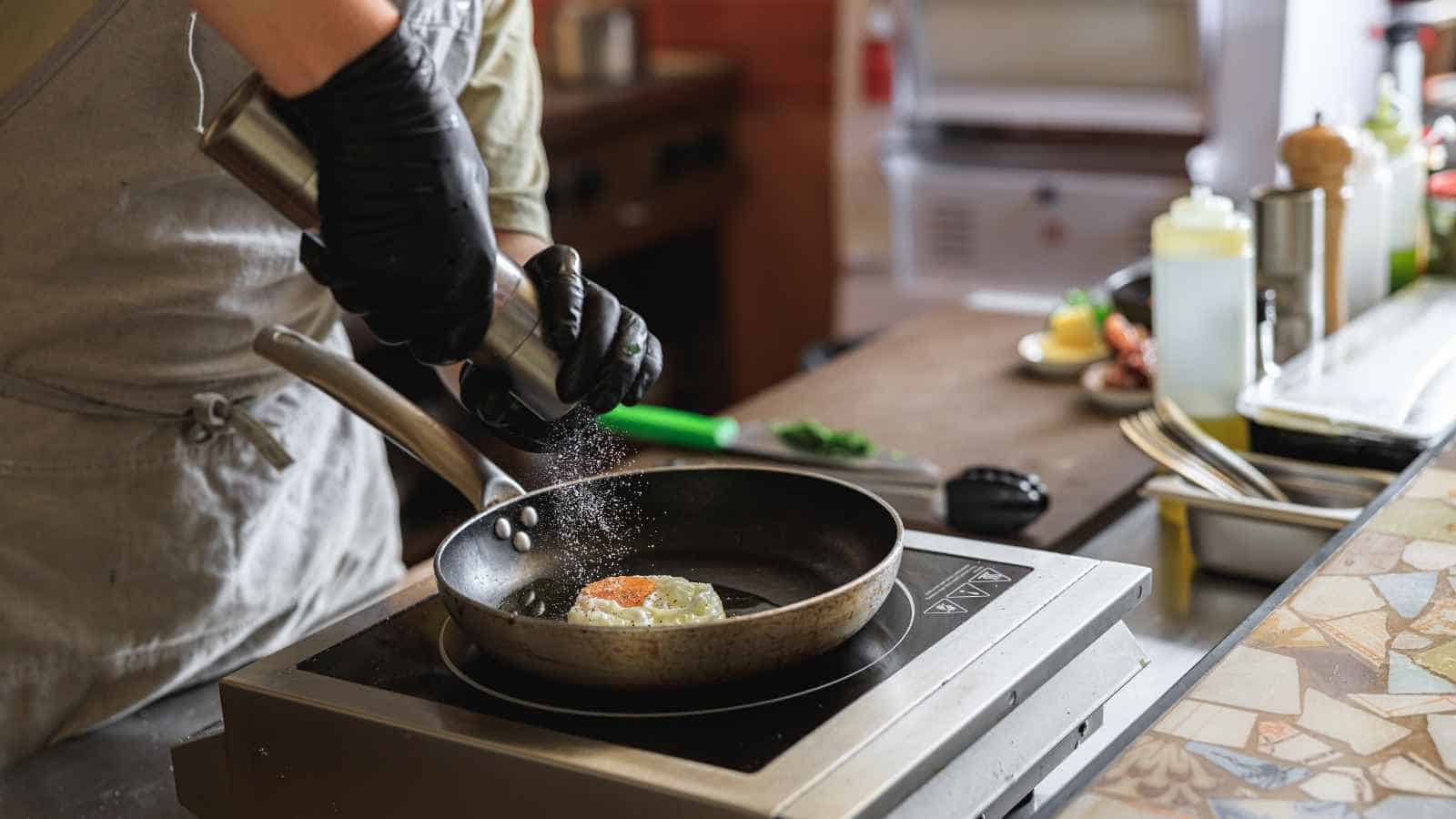
Mastering the kitchen starts with one of the most versatile ingredients in your fridge: the humble egg. While we often focus on the perfect poach, true kitchen confidence comes from balancing culinary flair with smart safety. Ensuring eggs reach an internal temperature of 160°F or higher effectively eliminates harmful bacteria without sacrificing flavor.
Following guidelines from FoodSafety.gov, advises individuals at higher risk, including those with weakened immune systems, pregnant people, children, and adults over 65, to cook food to specific internal temperatures to destroy bacteria. Beyond simple safety, these essential techniques transform how you peel, poach, and prep, turning a basic staple into a gourmet masterpiece every single morning.
Key takeaway
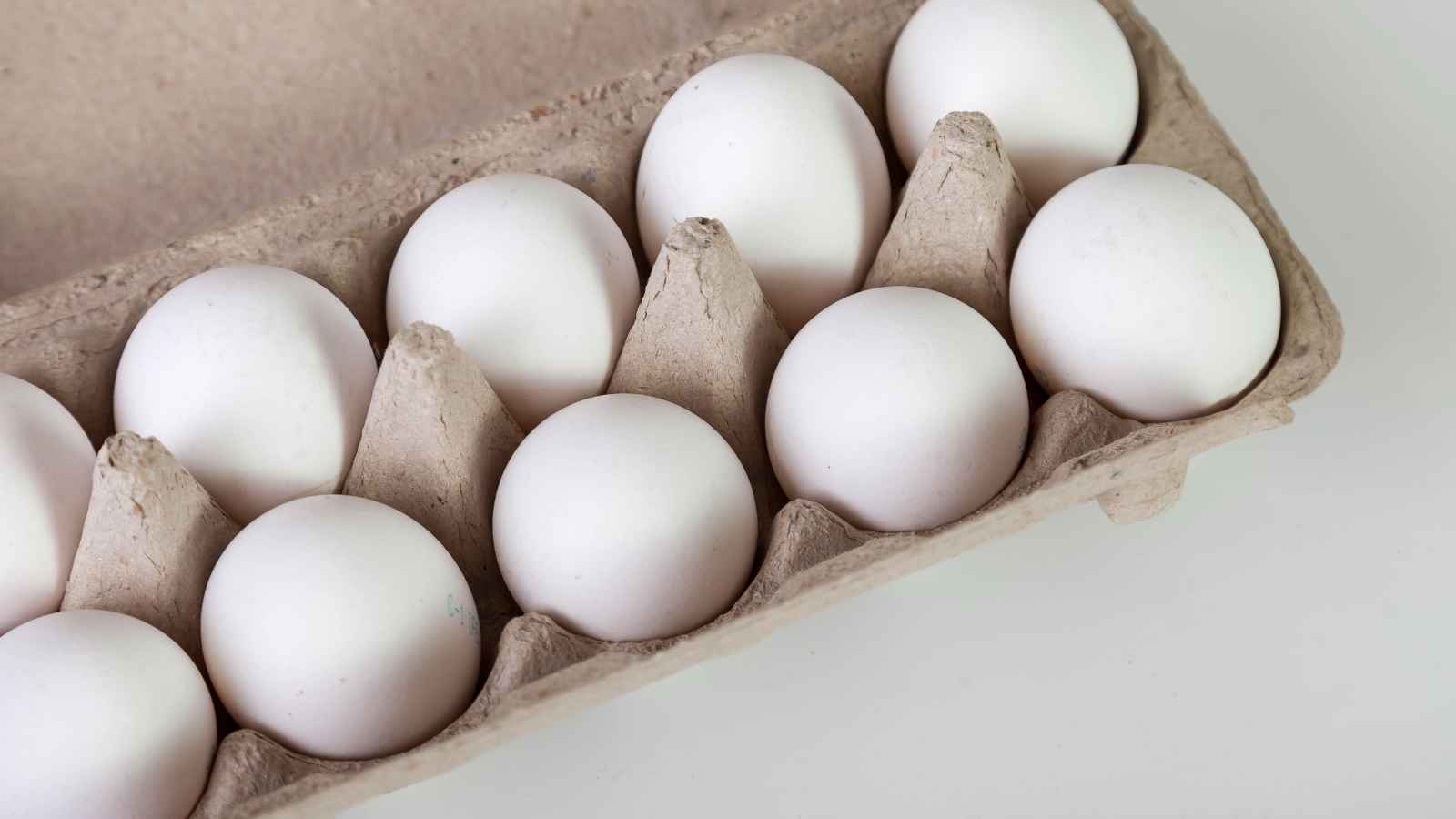
Eggs earn their place in American kitchens because they move from breakfast to baking to meal prep without much fuss. The smartest hacks do three things at once: they save time, protect freshness, and cut waste.
Ice baths make peeling easier, spoons and vinegar tidy up poaching, mugs speed up rushed mornings, and ice trays rescue leftovers. Good storage and proper cooking matter just as much as flavor, especially for households with kids, older adults, pregnant women, or anyone with a weakened immune system. The real win is simple. A carton of eggs can stretch further, taste better, and make your day feel a little less chaotic.
Disclaimer – This list is solely the author’s opinion based on research and publicly available information. It is not intended to be professional advice.
Like our content? Be sure to follow us.