12 reasons your age affects how often you wake up at night
Remember when you could sleep through a thunderstorm, a marching band practice, and your alarm clock without flinching? Those days might feel like ancient history now. You likely notice a shift in your sleep quality as the candles on your birthday cake multiply. You are not alone in this struggle.
According to the CDC, only 13.8% of young adults aged 18 to 44 report trouble staying asleep, but that number jumps to 21.8% for adults aged 45 to 64. We need to look at why your body decides 3 AM is the perfect time to party.
Here are 12 reasons why your age impacts your nightly rest.
Your bladder becomes a demanding boss
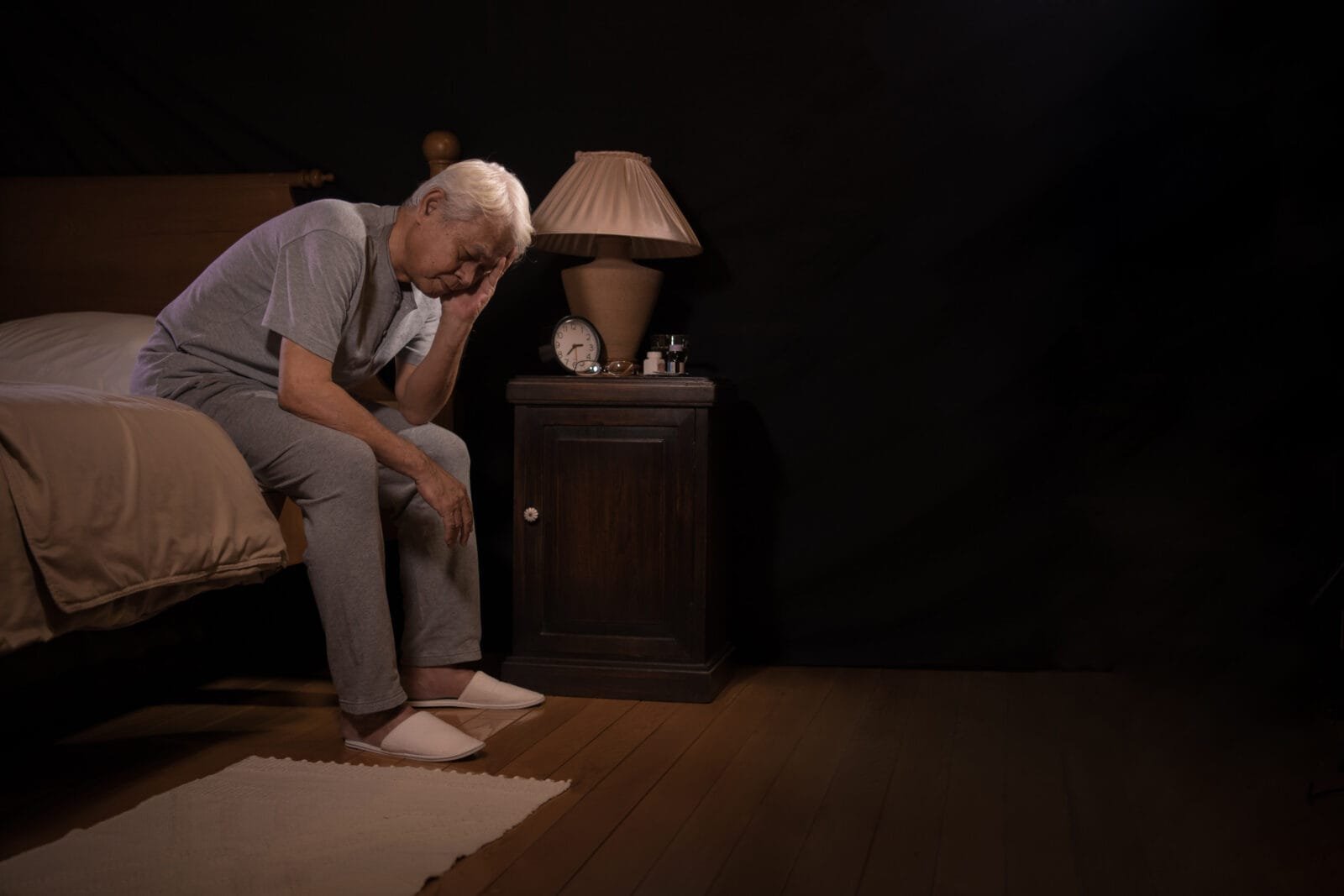
You might know this one intimately. Medical professionals call it nocturia, and it is a major sleep thief. A study published in Reviews in Urology notes that 69% of men and 76% of women over 40 wake up to use the bathroom at least once per night.
Your kidneys produce more urine at night as you age, and your bladder becomes less elastic. You simply cannot hold it like you used to.
You lose your deep sleep privileges

Deep sleep is the restorative magic that makes you feel human in the morning. Sadly, this shrinks with age.
A study in Sleep Review highlights that people aged 20 to 25 get about 15.9% deep sleep, while those aged 80 to 85 get only 13.1%. You spend more time in lighter sleep stages, so the slightest noise wakes you up.
Sleep apnea creeps up on you
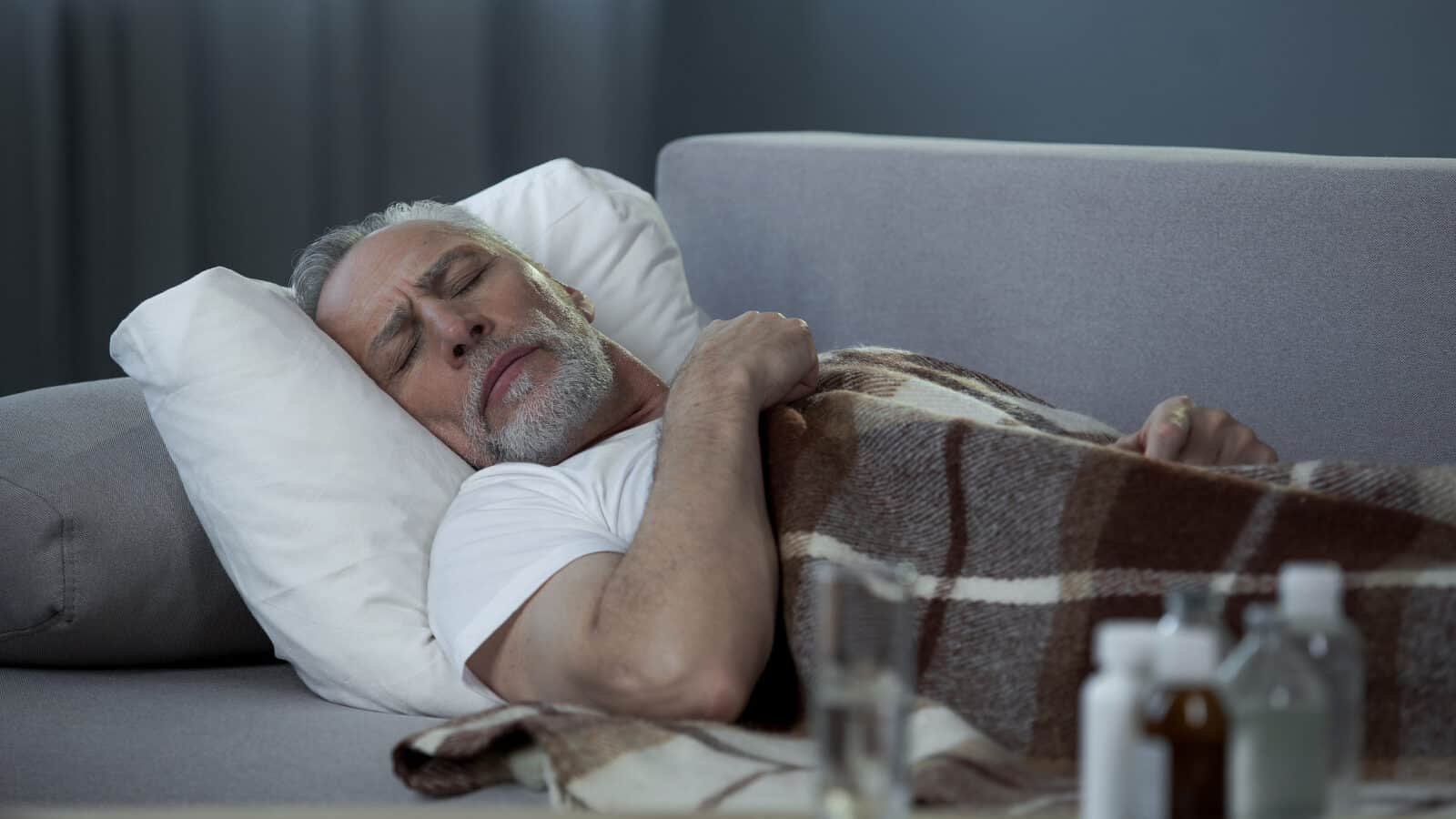
Snoring is not just annoying for your partner; it might signal a breathing battle. The European Respiratory Society states that between 13% and 32% of people over 65 have sleep apnea, compared to much lower rates in younger folks. Muscles in your throat relax more as you age, which blocks your airway and jolts you awake repeatedly.
Your internal clock rewinds itself

Ever wonder why you suddenly want dinner at 4 PM? Your circadian rhythm shifts forward as you age. This “phase advance” means you get tired earlier and wake up earlier. Research shows this shift often leads to waking up before dawn and being unable to fall back asleep.
It is not insomnia; your body just thinks the day starts at 4 AM now. FYI, you can fight this with bright light exposure in the evening.
Chronic pain joins the party

Aches and pains love bedtime. The Sleep Foundation reports that 95% of adults lose at least one hour of sleep to pain in a given week. Arthritis, back pain, and stiff joints make it impossible to get comfortable.
You toss and turn, trying to find a position that doesn’t hurt, and that movement wakes your brain.
Your medicine cabinet is too full

You likely take more pills now than you did in your twenties. Polypharmacy, or taking multiple medications, affects sleep significantly. About 46% of Medicare enrollees take five or more medications. Beta blockers, diuretics, and antidepressants often list insomnia or sleep fragmentation as side effects.
Hormones wreak havoc
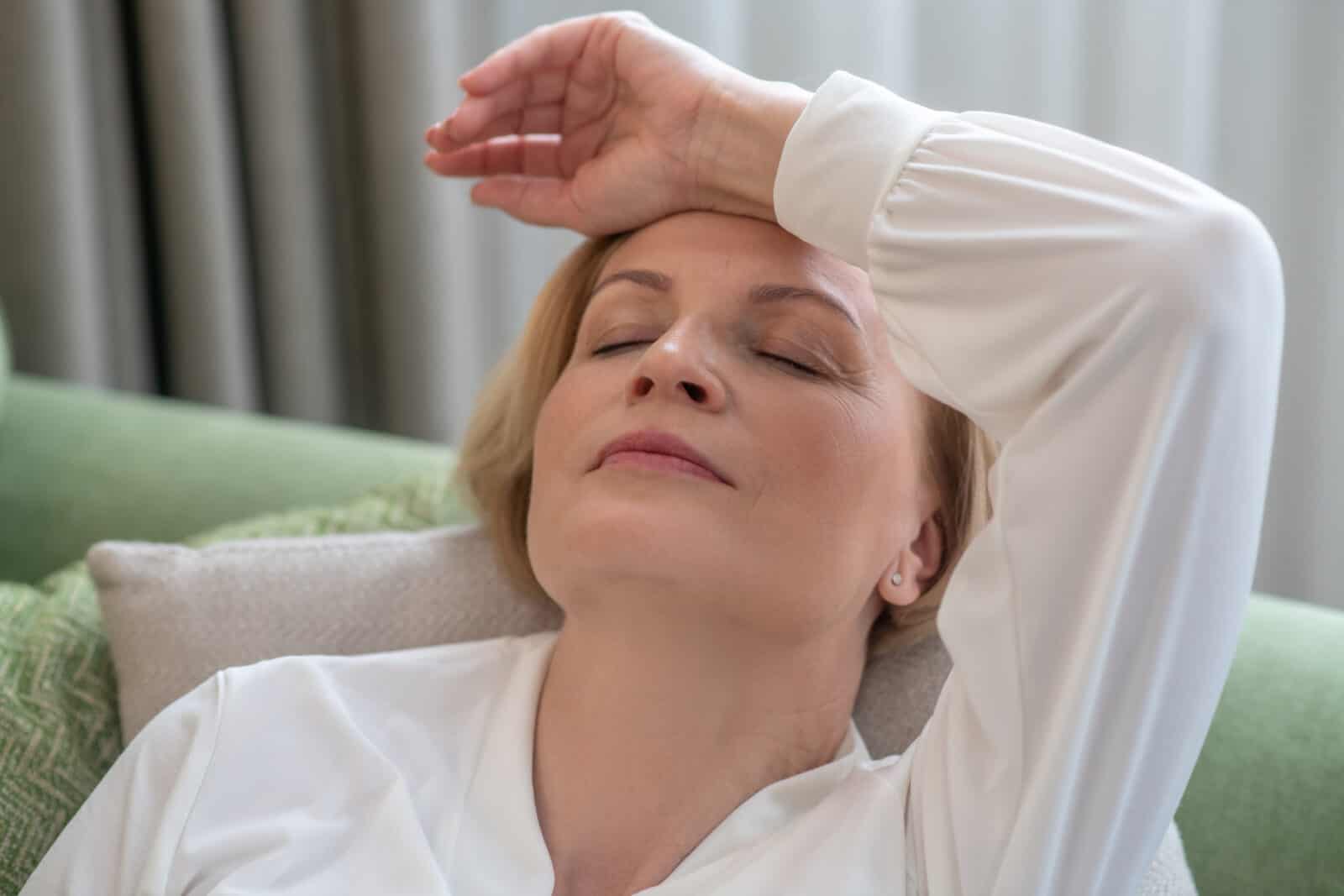
Ladies, this one is for you. Perimenopause and menopause are notorious sleep wreckers. The Sleep Foundation reports that up to 47% of perimenopausal women experience sleep disorders.
Hot flashes and night sweats wake you up in a panic, and falling back asleep while drenched in sweat is no fun.
Restless legs refuse to quit

You settle in for the night, but your legs want to run a marathon. The prevalence of Restless Legs Syndrome (RLS) peaks between ages 45 and 55.
This neurological urge to move your legs strikes right when you try to rest. IMO, it is one of the most frustrating reasons for sleep loss.
Alcohol backfires faster
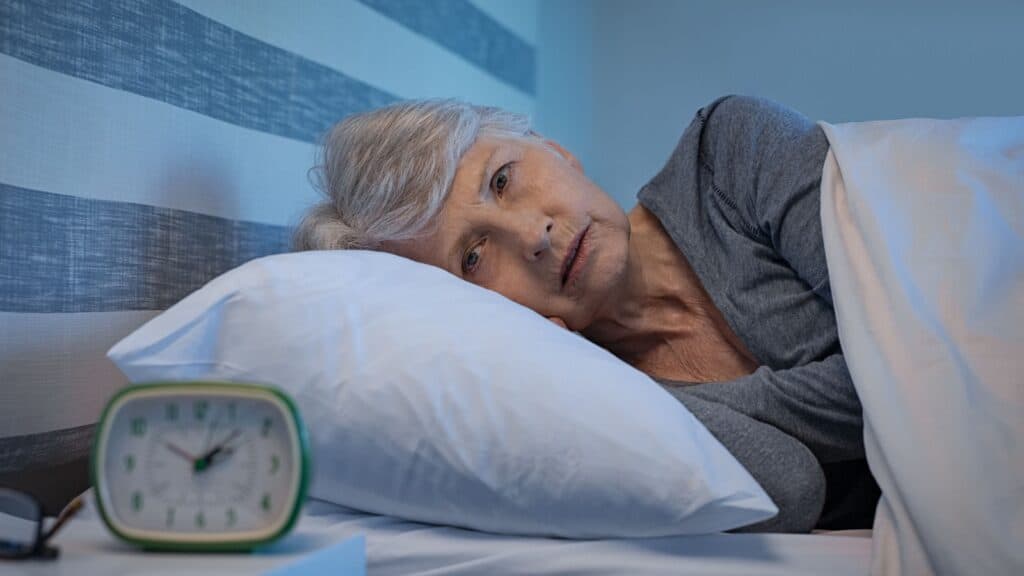
You might think a nightcap helps you doze off. It actually destroys your sleep quality later in the night. Older adults metabolize alcohol more slowly, so it stays in their system longer.
The National Council on Aging warns that while alcohol induces sleep, it fragments the second half of your night. You wake up dehydrated and groggy instead of refreshed.
You nap too much
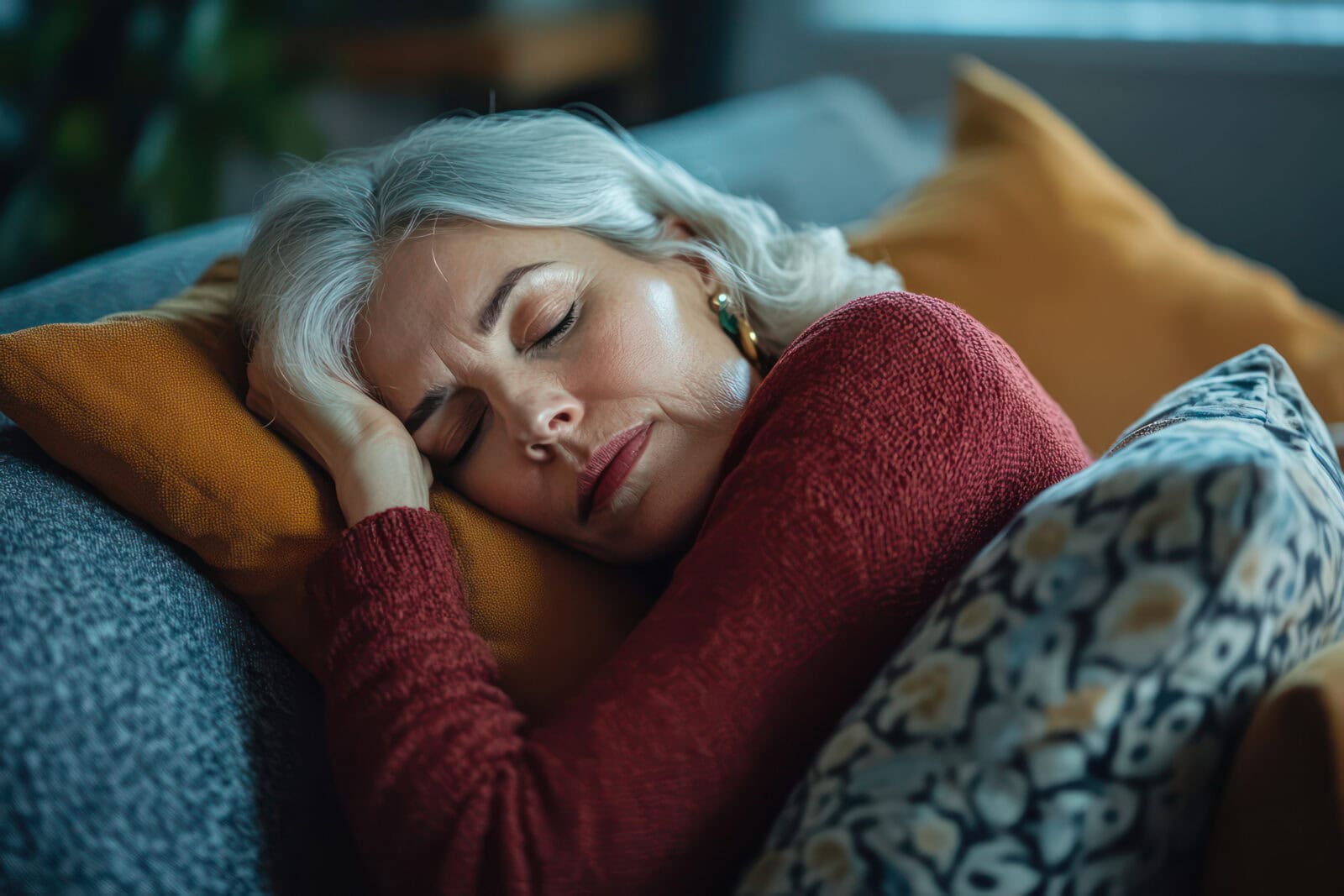
Retirement or a flexible schedule often leads to the glorious afternoon nap. However, napping steals your “sleep hunger” for the night.
Statistics show that 20% to 60% of older adults take naps. If you sleep for an hour at 2 PM, you simply won’t be tired enough to stay asleep through the night.
Mental health takes a toll
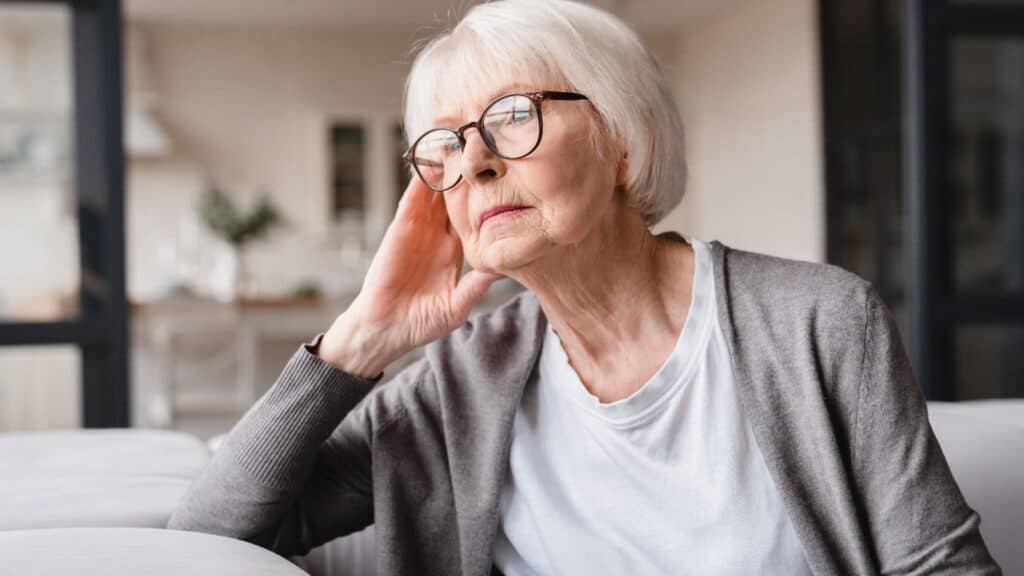
Loneliness and life transitions hit harder as you age. Depression and anxiety are major causes of insomnia in older adults.
The NCOA notes that older adults who live alone are more likely to develop insomnia symptoms. Your brain spins with worries at 2 AM, and without a distracting routine, it is hard to shut it off.
Your sleep threshold lowers

You simply become a lighter sleeper. We mentioned deep sleep loss, but your arousal threshold also drops. Sounds that you used to sleep through, like a car door slamming or the heater clicking on, now trigger a full awakening.
Your brain stays on high alert, and it takes less sensory input to disturb you.
Key Takeaways

- Bladder and Biology: Physical changes, such as nocturia and reduced deep sleep, are the primary culprits of waking up.
- Lifestyle Factors: Medications, alcohol, and napping habits play a massive role in your sleep fragmentation.
- Actionable Steps: You can manage these issues by adjusting your light exposure, limiting fluids before bed, and reviewing medications with your doctor.
Disclosure: This article was developed with the assistance of AI and was subsequently reviewed, revised, and approved by our editorial team.
Like our content? Be sure to follow us