12 Things Americans Can’t Legally Do That Russians Often Can
From homemade vodka to off‑the‑books rentals, Russia and the United States draw very different legal lines around everyday life. In some cases, Russian law is formally looser; in others, the rules may look similar on paper but are enforced far more lightly, leaving ordinary people with more practical leeway than Americans have.
1. Distill Strong Liquor at Home for Personal Use
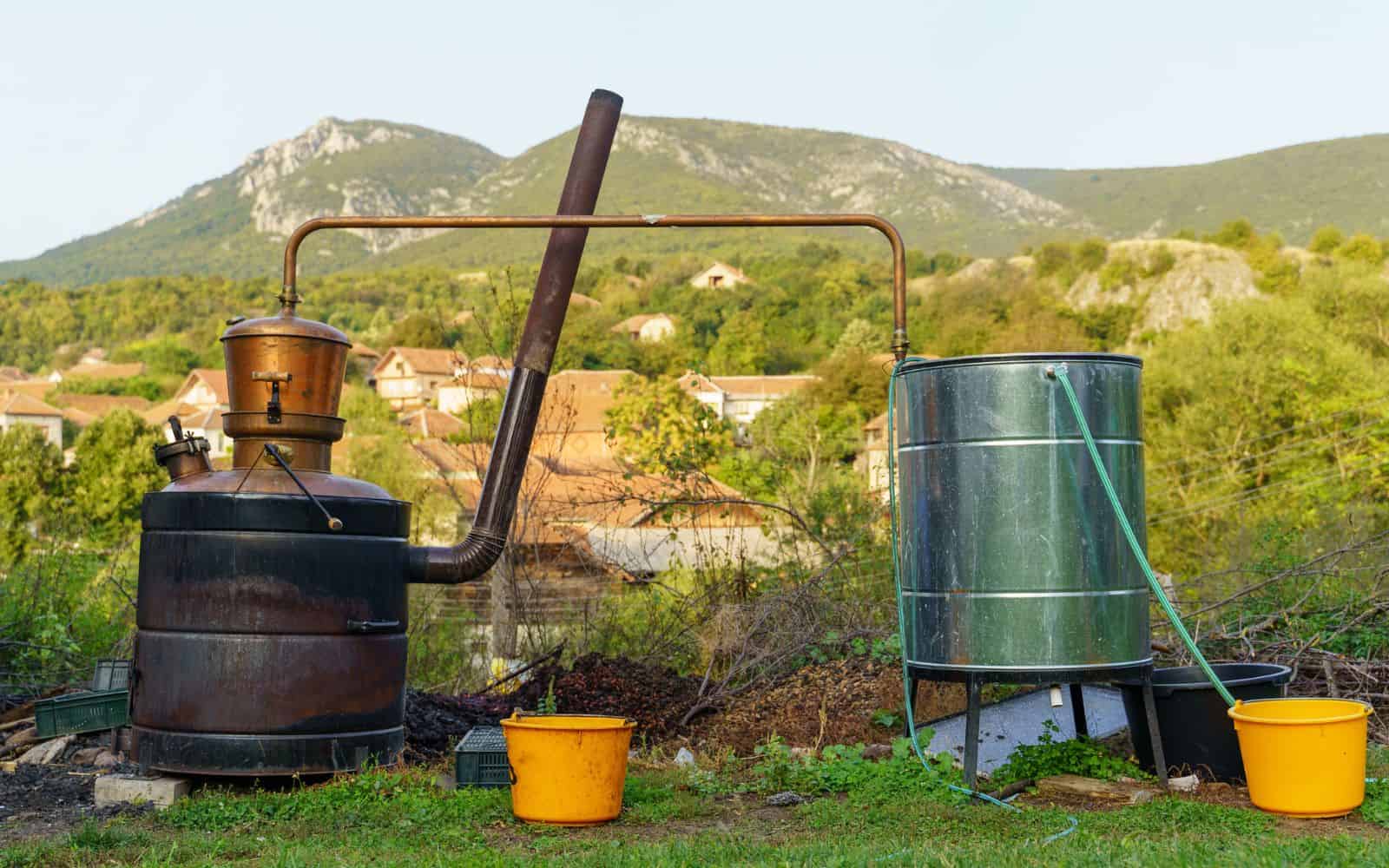
In Russia, making homemade spirits (“samogon”) for your own consumption is widely practiced and, in many regions, explicitly permitted so long as you are not selling the product. Russian media and specialty sites describe a thriving cottage industry in home distillation equipment, and authorities mainly intervene when moonshine becomes a commercial business.
In the United States, the legal line is much stricter: federal law flatly prohibits unlicensed home distilling of spirits, even if it’s only for personal use. The Alcohol and Tobacco Tax and Trade Bureau (TTB) emphasizes that only approved, licensed distilled‑spirits plants can lawfully produce liquor, with potential federal charges for anyone who ignores the rule. The contrast reflects different regulatory priorities: Russia tends to target illegal commercial vodka, while the U.S. prioritizes tax control and safety in all spirit production.
2. Drink Alcohol Openly in Many Public Spaces

Public drinking in Russia occupies a legal gray area that, in practice, gives people more latitude than most Americans enjoy. There are national restrictions and “no alcohol” zones, but in many neighborhoods, especially outside the strictest central districts, people routinely drink in courtyards, on river embankments, or in public spaces with limited interference.
By contrast, most U.S. states and cities enforce open‑container laws that ban drinking alcohol on sidewalks, in public parks, or in vehicles, with fines and citations relatively common. American lawmakers frame these rules as tools to control public disorder and drunk driving, while Russian enforcement has historically been more episodic and localized.
3. Sell Goods Informally on the Street

Russia’s large informal economy shows up very visibly in street vending. Researchers and fieldwork on Russian markets describe kiosks, sidewalk stalls, and semi‑legal bazaars (like Moscow’s Sadovod) where thousands of small traders operate largely in cash with limited paperwork, receipts, or tax reporting. Enforcement raids do happen, but authorities often tolerate this trade because it provides livelihoods and cheap goods.
In the United States, even a modest sidewalk stand typically requires city permits, zoning compliance, and tax registration, and operating without them can quickly trigger fines or shutdowns. The Russian model reflects a political trade‑off: the state accepts informality in exchange for social stability and low consumer prices, while the U.S. tends to enforce formal licensing and tax collection more systematically.
4. Run a Small Cash Business Mostly “Off the Books”

The same informality applies to many Russian micro‑businesses—tutors, handymen, freelance IT workers, and market stallholders. Studies of Russia’s “shadow” or informal economy note that a huge share of activity occurs in cash with incomplete or no tax reporting, and that enforcement against these small actors is sporadic.
In the United States, failing to report business income or operating without required registration is treated as tax evasion or non‑compliance, and both the IRS and state agencies maintain regular enforcement programs. Russia’s approach, again, is ambivalent: recent tax reforms try to bring freelancers into a simplified regime, but crackdowns risk simply pushing them back into the shadows.
5. Rent Apartments and Rooms Completely Informally

In Russian cities, it is common for landlords to rent out apartments or rooms in cash without formal registration or full income reporting, especially in the mid‑ and lower‑end of the market. Banks and regulators themselves have flagged rental cash flows as part of broader “illegal cash turnover,” but these arrangements remain widespread and only lightly policed.
U.S. landlords, by contrast, are legally expected to report rental income and comply with building, safety, and occupancy rules, and unpermitted or unreported rentals can trigger tax penalties and code‑enforcement actions. Here, the key difference is how aggressively each state tries to connect housing markets to the tax and regulatory grid.
6. Download Pirated Content with Little Individual Risk

While both countries formally outlaw copyright infringement, the lived reality differs. In Russia, pirated movies, series, and software have historically been easily accessible through local sites and file‑sharing platforms, and enforcement tends to target large distributors rather than individual downloaders.
In the United States, copyright enforcement is more institutionalized, with clear statutory damages, industry‑backed anti‑piracy campaigns, and a history of legal actions that make individual users wary of torrenting or illegal streaming. The gap is less about statute books and more about where each system directs its enforcement energy.
7. Smoke in and Around Workplaces and Public Venues

Russia has taken steps to tighten tobacco rules, but enforcement remains uneven. Analyses of Russian lifestyle and health policy note that smoking rates are still high and that bans in bars, restaurants, and workplaces are often only loosely applied, especially outside major hubs.
In the United States, sweeping state and local clean‑indoor‑air laws have made smoking illegal in most workplaces, restaurants, and bars, with routine enforcement and strong social norms against indoor smoking. The difference reflects a public‑health policy gap: U.S. regulation and norms have shifted faster and more uniformly than Russia’s.
8. Use Consumer Fireworks Inside Big Cities
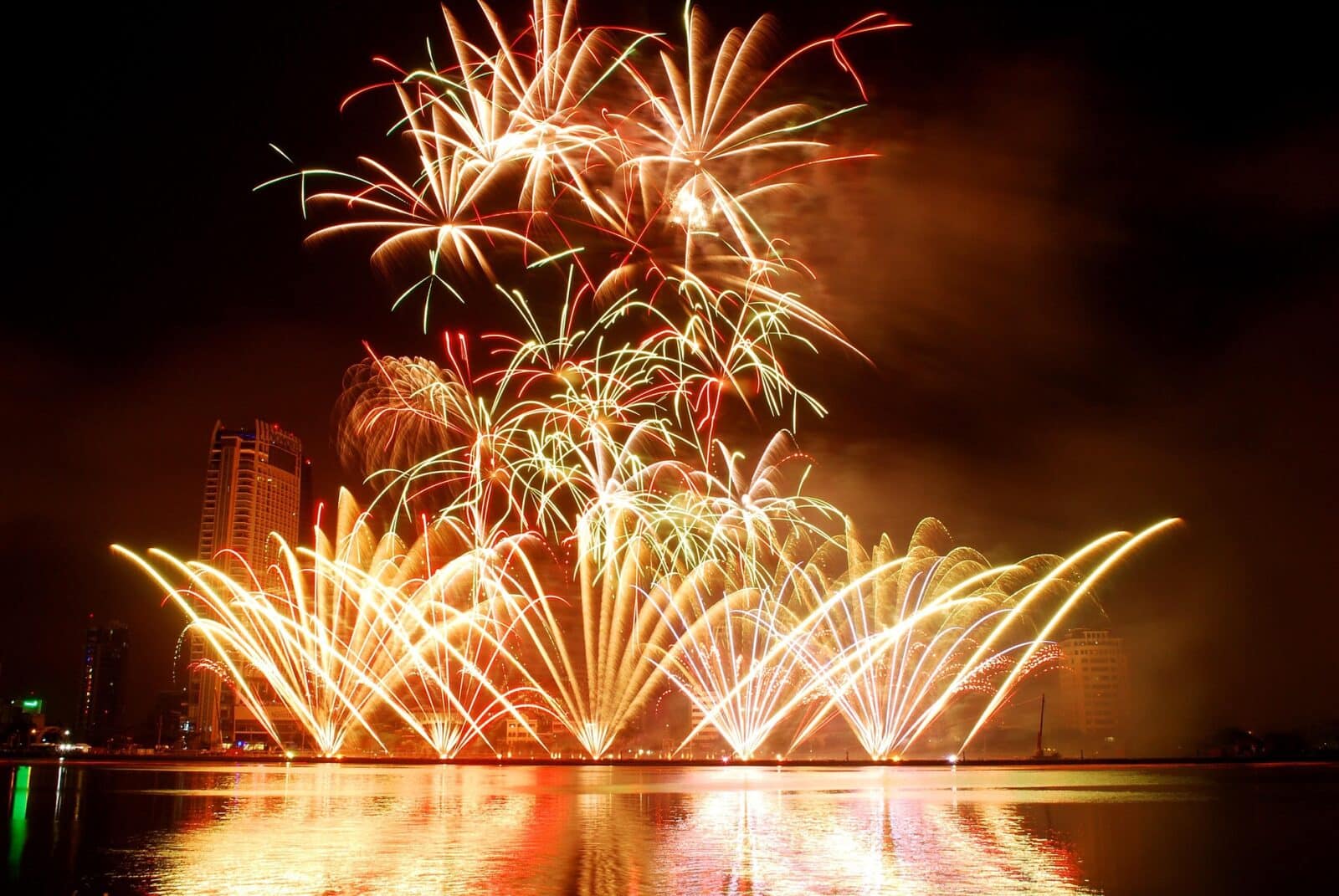
Holiday fireworks are an entrenched part of urban life in Russia. On New Year’s and other celebrations, residents commonly set off consumer‑grade fireworks in courtyards, between apartment blocks, and in dense residential districts, with local rules often bent or ignored.
In the U.S., many cities and several entire states ban most consumer fireworks or tightly limit their use to specific times and low‑risk devices, citing fire risk and injuries. Enforcement is imperfect, but on paper—and often in practice—Americans face significantly stricter limits than Russian city dwellers.
9. Drive With Thinner Insurance Coverage or None at All
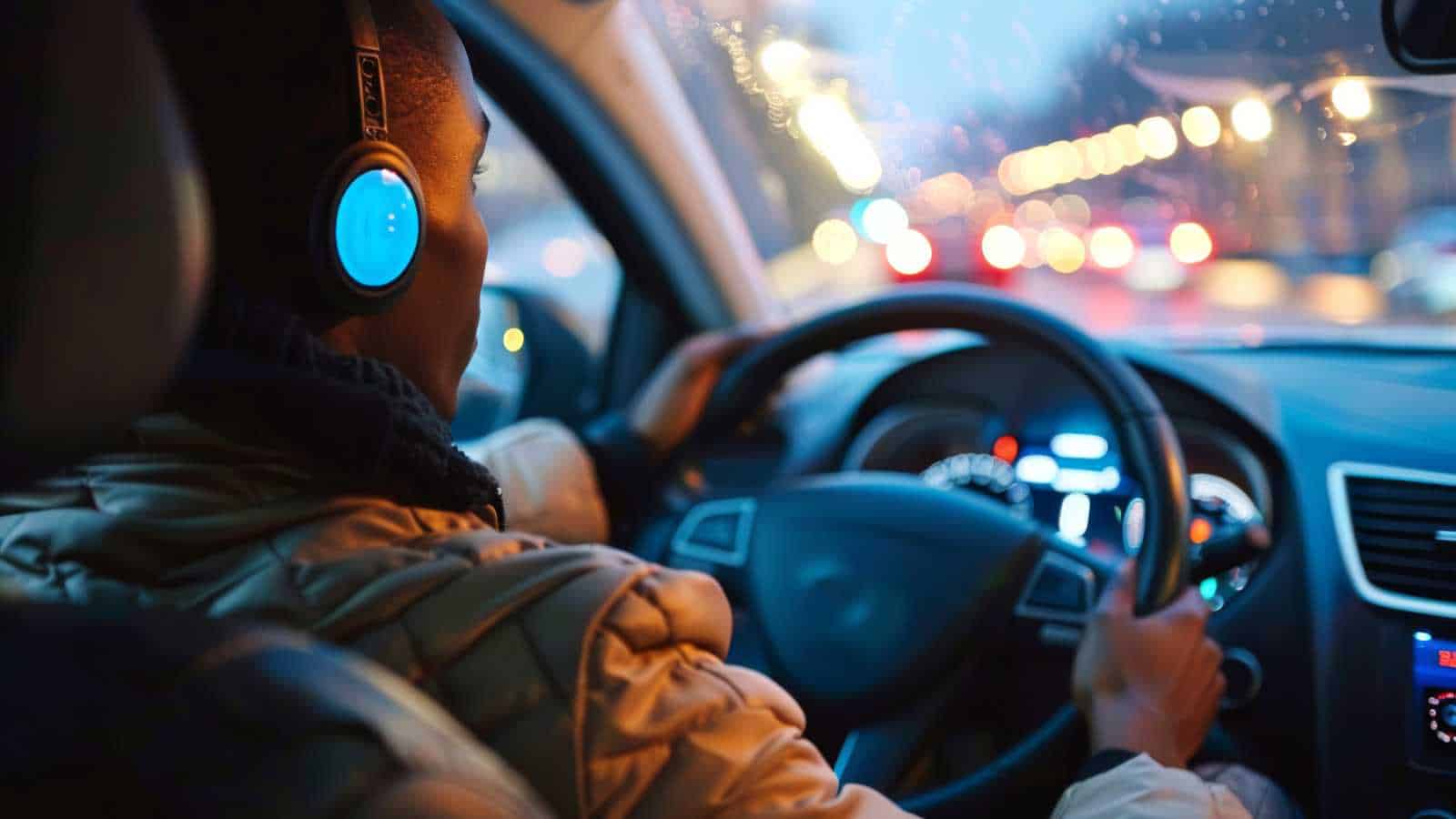
Russia’s mandatory auto insurance system (OSAGO) has historically featured relatively low coverage thresholds, and official reports, along with Russian commentary, have long acknowledged a persistent share of uninsured drivers who face fines but often continue driving.
In the United States, nearly all states require higher minimum liability coverage and attach steeper penalties to driving uninsured, including license suspension and vehicle impoundment. The different approaches mirror each system’s capacity and willingness to police compliance on the road.
10. Operate Rental and Micro‑Transport Services in a Gray Zone

In many Russian cities, informal taxis, ride‑shares, and small transport operators continue to function largely in cash, sometimes with minimal licensing or inspection. Authorities periodically clamp down, but informal services tend to re‑emerge because they fill gaps in the formal transport network.
U.S. local governments typically require formal registration, insurance, and inspections even for small transport operators, and unlicensed carriers can face fines, impoundment, or criminal charges. Russia’s tolerance for ad‑hoc transport reflects a broader reliance on informal solutions where state or corporate services are weak.
11. Sell Alcohol with Lax ID Checks

Both countries set legal drinking ages, but enforcement intensity differs. Commentators on Russian and American culture note that Russians can drive and drink at 18, and informal reports suggest that age checks at small kiosks and rural shops are often lax, allowing underage purchases.
In the United States, selling alcohol to anyone under 21 is a strict‑liability offense in most states, with routine compliance stings and serious penalties for retailers who fail to card. The U.S. system puts much more legal pressure on sellers, which in turn constrains what young buyers can realistically do.
12. Keep Certain Exotic Pets With Fewer Nationwide Bans

Russia maintains a patchwork of regulations on exotic animals, but overall the national framework is looser than in North America, and private ownership of various reptiles and small wild mammals is more common.
In the United States, a mix of state laws and federal statutes like the Lacey Act sharply restricts or bans private ownership of many exotic species, and violations can be treated as criminal offenses. The difference stems from stronger animal‑welfare and invasive‑species policy in U.S. law, versus a more permissive or fragmented approach in Russia.
Takeaway

Russia is often more permissive than the U.S. not because it is “freer” overall, but because the state tolerates a large informal zone—home brewing, cash businesses, off‑the‑books rentals, lax ID checks—that would quickly draw legal consequences in America, where regulation and enforcement are more systematic and bureaucratic.
Got a Tiger Living Next Door? If You Live In One Of These States, You Might!
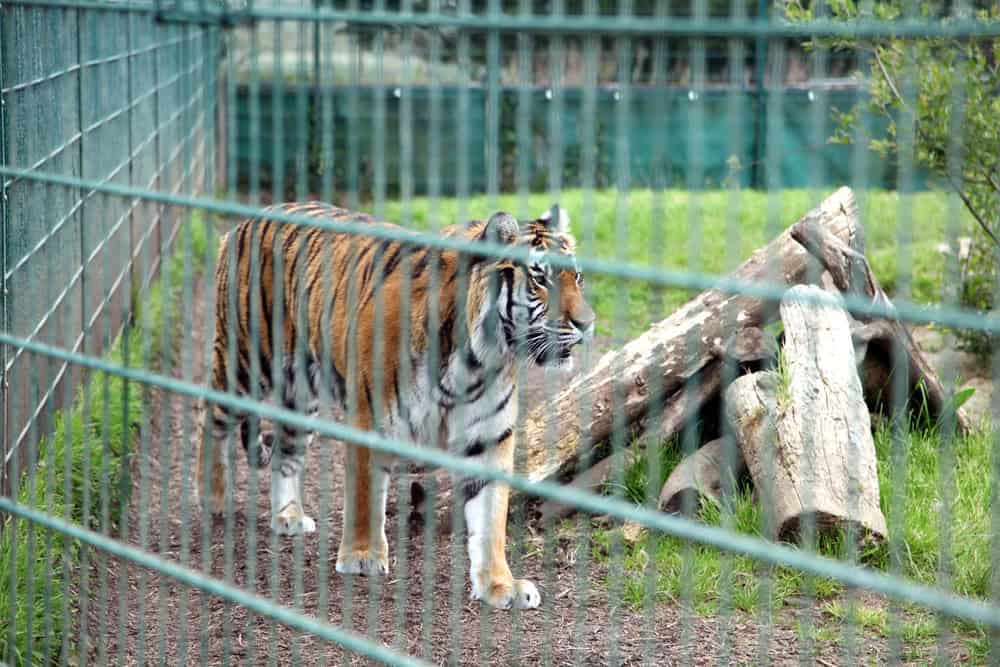
The United States is home to a patchwork of regulations when it comes to exotic pet ownership. While some states enforce strict bans on keeping non-native animals as pets, others have surprisingly lax laws. This lack of regulation poses serious risks not only to public safety but also to native wildlife and ecosystems. Below, we explore the states with the most lenient exotic pet laws and the ecological and ethical implications of such policies.
READ: Got a Tiger Living Next Door? If You Live In One Of These States, You Might!