12 things boomers won’t throw away, even though they rarely need them
Decluttering can be tough for baby boomers, since many have spent years filling their homes with memories and keepsakes.
A 2018 Mayflower survey found that 49% of boomers hesitate to declutter because they worry they might need something again. Unlike millennials, who often let go of things more easily, boomers see their belongings as part of who they are and as sources of comfort and continuity, making it hard to get rid of them, even when they are rarely used.
Boomers often keep things that remind them of important life events, family traditions, and milestones. Letting go of these items can feel like losing a piece of their history. With that in mind, here are 12 types of possessions boomers tend to hold onto, even if they don’t use them much.
Landline phones

Boomers continue to keep landline phones in their homes, even as mobile phones dominate the market today. For 50.5% of Americans aged 65 and older, landlines remain a dependable means of communication. This preference often stems from trust in their stability during emergencies and familiarity with the technology.
The tactile feeling of picking up the receiver offers comfort and reliability that mobile phones don’t quite match. Additionally, many boomers view their landlines as a way to avoid the distractions of mobile phones. In an age when constant notifications and apps are part of everyday life, a landline offers a simpler way to stay connected without the buzz of modern technology.
Self-storage units full of extra belongings
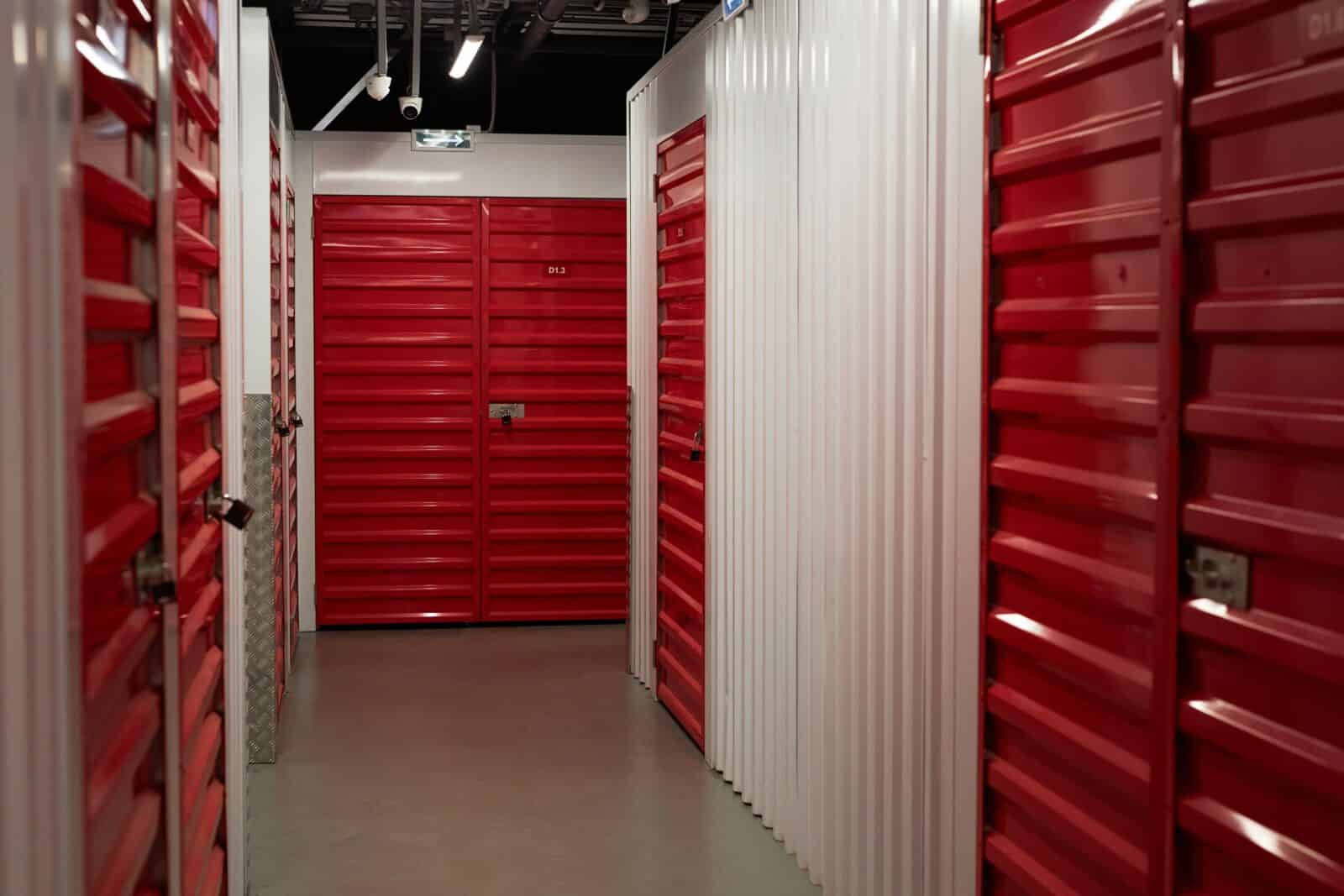
As boomers downsize, many turn to self-storage units to keep items they can’t bear to part with. According to a self-storage industry report, boomers are projected to increasingly rely on storage units as they move into smaller homes and hold on to possessions that carry significant emotional value. These units offer a way to preserve items without cluttering the living space, allowing boomers to keep their treasured belongings close, even when they no longer fit in the space.
For boomers, self-storage preserves items without crowding their homes. Even if impractical, these belongings are valued mementos that represent years of memories and connections. This emotional attachment makes self-storage an essential solution for boomers seeking to preserve their past while adjusting to a smaller, more manageable space.
Cable TV bundles

For boomers, cable TV still holds significant value. The New York Times found that about 64% of U.S. adults aged 65+ still subscribe to cable TV. This contrasts sharply with younger generations, in which cable subscriptions are declining.
Many boomers find the all-in-one convenience of cable a simpler choice than juggling multiple streaming services. Cable offers familiar programming and reliable service, making it a preferred choice for many older adults.
Cable TV lets boomers watch live news, sports, and entertainment without having to deal with digital platforms. For many, it’s easy to use and familiar, which makes it an important part of their daily routine. Despite the rise of streaming, cable’s straightforward setup and comprehensive content remain a top option for older generations who prefer consistency and ease of use.
Old birthday cards and letters

Boomers often hold onto old birthday cards, personal letters, and sentimental notes. These items represent connections with loved ones and are cherished reminders of past celebrations. For boomers, reading these letters evokes nostalgia and a sense of connection to the past, offering a deeper emotional bond with family and friends.
Keeping these letters and cards helps boomers preserve valued memories, the affection, and the care from those who wrote them. These keepsakes carry the essence of love and shared experiences, serving as physical symbols of affection.
Oversized family homes

As boomers age, many are reluctant to downsize their large family homes, which now represent memories and milestones. A 2024 Redfin study shows that boomers own 28.2% of U.S. homes with three or more bedrooms, nearly double the share of homes with children among millennials. These larger homes often symbolize a life spent raising families, hosting gatherings, and creating lasting memories.
The thought of moving to a smaller home doesn’t appeal to many boomers, as these spaces hold more than just furniture; they hold history. For boomers, these homes are full of memories, and leaving feels like losing a family connection.
Parting with a house filled with decades of cherished experiences feels impossible, even if the practical need for space has diminished. These homes carry emotional weight that makes downsizing a difficult decision, even as the years pass.
Heirloom furniture and china

Boomers often hold on to heirloom furniture and china, not because they need them, but because of the emotional significance these items hold. Antiques expert Harry Rinker notes that many items passed down through generations are rarely sold because they’re considered family treasures.
Even if rarely used, these pieces are valued for the family history they represent. Letting go can feel like losing heritage.
Selling these items can feel like betraying memories. Heirlooms are kept as reminders of family bonds and traditions.
Paper bills, statements, and checks

Many boomers prefer paper checks for bill payments, finding them secure and personal. ACI’s report says 43% use them, the highest among generations, since physical cheques offer a trusted reminder and hands-on connection to finances. For many, writing a check is an intentional, mindful act that adds a personal touch to managing their money, making it feel more tangible than digital payments.
Many boomers see paper statements as a reliable way to track finances. Though online banking is common, paper records offer a sense of security and confidence when managing money. Paper provides a physical record they can hold onto, helping them stay organized and confident.
Print newspapers and magazines

Many boomers prefer print newspapers and magazines, with Pew reporting that 39% of those 65 and older read print regularly, much more than younger people. Sitting down with a physical paper provides a slower, more thoughtful way to connect with the news. The tactile experience of turning pages helps them stay engaged without the distractions of digital devices.
Despite the rise of digital media, print remains special for boomers, allowing them to absorb information at their own pace. Reading from paper offers a sense of calm and focus, creating a more deliberate approach to staying informed in an otherwise fast-paced digital world.
Physical media collections (DVDs, CDs, vinyl)

Many boomers still hold on to their collections of DVDs, CDs, and vinyl records, even though digital streaming is now the norm. According to a 2026 AMWorldGroup article, many boomers are rediscovering their old vinyl collections and investing in new turntables.
These collections are more than entertainment; they’re tangible links to the past. For many, playing a vinyl record or a CD is more personal and engaging than streaming.
Despite streaming, boomers value the physical experience of media. These collections spark memories, create connections, and hold the history of favorite entertainment.
Clothing for special occasions

Many boomers save clothes from events like weddings or graduations. These garments mark milestones and remind them of proud, loving moments, making them hard to give up. The thought of parting with these pieces feels like letting go of significant memories tied to those important events. Whether it’s the dress worn on their wedding day or the suit worn to a child’s graduation, these clothes serve as lasting reminders of life’s proudest moments.
Even if just sitting in a closet, these clothes are reminders of important events. Even if just stored, these clothes are reminders of important life events. For boomers, keeping them ensures those special moments are not forgotten. These garments aren’t just fabric; they carry the weight of memories and emotions that make them invaluable.
Travel souvenirs and memorabilia

Boomers often keep small souvenirs from their travels, such as postcards, magnets, mugs, figurines, or decorative plates from places they’ve visited. While these items might seem like clutter to others, each one holds a special memory for them, a first big trip after the kids moved out, an anniversary getaway, or a long-awaited vacation.
Looking at a mug from a favorite city or a small statue from a street market can instantly bring back the sounds, smells, and feelings of that time. Articles on memory-keeping, such as those in Boomer Magazine, often discuss how difficult it is for older adults to let go of these keepsakes.
Throwing away a souvenir doesn’t just mean getting rid of a cheap object; it feels like losing proof that a special moment really happened. For many boomers, these shelves of travel mementos are like a three-dimensional diary, quietly holding onto a lifetime of adventures they’re not ready to forget.
Printed photo albums and framed family photos

Many boomers still have shelves filled with printed photo albums and walls covered in framed family photos, even though they also store pictures on their phones or online. There’s something comforting about holding an old album or seeing familiar faces in the hallway. Flipping through an album is a slow, thoughtful process.
Each photo has a story, a date, or a small detail that brings back memories and starts conversations. You might remember the smell of the room, the song that was playing, or who made a joke just before the picture was taken. Digital galleries can seem endless and easy to overlook, but a physical album feels unique and important.
For many boomers, putting away these albums or photos can feel like erasing parts of their lives. Keeping them close brings comfort and a sense of continuity, reminding them every day of the people and moments that shaped their lives.
Like our content? Be sure to follow us