12 things consumers should know about the oil market right now
Oil does not stay in oil fields. It slips into your gas tank, your grocery receipt, your airline ticket, and that delivery fee that somehow makes a simple online order feel heavier than it should. Right now, consumers are caught between a little relief and a lot of pressure.
AAA listed the national average for regular gasoline at $4.426 on May 28, 2026, down from the previous week but still far above the $3.164 average a year earlier.
EIA’s May 2026 Short-Term Energy Outlook said Brent crude spiked to $138 a barrel on April 7 after the de facto closure of the Strait of Hormuz, then was expected to average around $106 in May and June. So yes, the market has cooled from the worst panic.
But cheap fuel is not back at the door. Oil has become a storm cloud over the family budget, and consumers are still standing beneath it, a receipt in one hand and fewer easy choices in the other.
Prices Are Down From Peaks, But Still Costly

Crude prices have cooled from their most dramatic spring spike, but consumers should not confuse “lower than the peak” with “low.” EIA reported that Brent crude reached $138 a barrel on April 7, 2026, averaged $117 for the month, and was expected to hover around $106 in May and June as global inventories fell sharply.
By late May, oil also dipped to near $89 a barrel after reports of possible progress toward reopening the Strait of Hormuz, but that drop came after months of war-risk pricing and supply fears.
AAA’s May 28 gasoline data shows the everyday version of that story: regular gas averaged $4.426 nationally, down from $4.564 a week earlier but still about 40% above the year-ago average of $3.164.
That is why the pump may feel a little kinder this week and still rude compared with last year. Consumers are not seeing a reset. They are seeing a retreat from a very high cliff.
Gasoline Prices React With A Lag

Oil prices can fall on a headline before gasoline prices fall on a street corner. That delay is normal, even if it feels unfair while you are standing at the pump.
EIA has long explained that crude oil is the largest driver of retail gasoline prices, but the final price also includes refining costs, distribution, marketing, taxes, inventories, local competition, and retail margins.
AAA’s May 28 data captures the lag in plain sight: regular gas fell from $4.564 a week earlier to $4.426, but the year-over-year jump was still steep, with diesel at $5.554 compared with $3.537 a year earlier.
A Kansas City Fed analysis by Nida Çakır Melek and Robert J. Vigfusson offers useful consumer context, noting that “changes in oil prices are less likely to yield major changes in consumption, even among lower-income households.”
In other words, fuel still hurts, but many families now face so many other fixed costs that a few cents of gas relief may be swallowed up by rent, food, insurance, or debt before it feels like extra money.
The World Is Facing An Oil Glut
Earlier oil forecasts leaned toward a glut, but the current market has become more complicated because a supply shock collided with the softer-demand story.
The World Bank wrote in May 2026 that the closure of the Strait of Hormuz led to “the largest oil market disruption in history,” with global oil supply falling by 10.1 million barrels per day in March due to attacks on energy infrastructure and restrictions on tanker traffic in the Middle East.
That is not a normal glut. It is more like a market that had been worried about an oversupply of the future, then suddenly lost a major artery. EIA expected global oil inventories to fall by an average of 8.5 million barrels per day in the second quarter of 2026, which helps explain why prices jumped so sharply even as demand forecasts weakened.
For consumers, the lesson is simple: the oil market can shift fast. One month, analysts talk about oversupply. Next, a shipping chokepoint turns the whole price board red.
Oversupply Could Push Prices Lower Into 2026

Prices could still ease later if supply routes reopen, shut-in production returns, and demand stays soft. EIA’s May 2026 outlook assumed traffic through the Strait of Hormuz would gradually resume in June, and shut-in oil production would return, helping Brent fall toward an average of $89 by the fourth quarter of 2026.
The World Bank’s April 2026 outlook also projected Brent to average $86 in 2026, up from $69 in 2025, assuming that the most severe disruptions ease and shipping returns to pre-war levels by late 2026.
That is the hopeful lane for consumers: less panic, more supply, lower prices. But oil rarely walks in a straight line. A refinery outage, hurricane, sanctions, a failed peace deal, or an OPEC+ shift can push prices around again.
So the smart consumer reads forecasts as weather reports, not promises carved into stone. The clouds may clear, but the market still has thunder in it.
OPEC+ Still Holds A Big Lever
OPEC+ remains one of the biggest hands on the oil-market dial. The group cannot control every shock, especially a war-linked supply disruption or shipping crisis, but its output choices still shape expectations, inventories, and prices.
OPEC’s May 2026 Monthly Oil Market Report kept its world oil demand growth forecast at about 1.3 million barrels per day for 2026, while the IEA gave a much weaker demand picture, showing how sharply major institutions can differ. That disagreement matters because OPEC+ decisions often rest on how members read demand, inventories, and revenue needs.
If the group cuts supply, prices can stay supported even when consumers are begging for relief. If it raises output too fast, prices can slide unless demand absorbs the barrels.
For families, this means your commute costs can be influenced by decisions made in energy meetings half a world away. The gas station looks local, but the pricing chain is global.
Geopolitics Are Adding Noise, Not A Super-Spike For Now
Geopolitics is the loud drumbeat behind the current oil story. EIA tied April’s Brent spike to the de facto closure of the Strait of Hormuz, one of the world’s most important oil routes, and the World Bank said global supply crashed by 10.1 million barrels per day in March after attacks and tanker restrictions in the Middle East.
Reuters also reported on May 28 that the European Commission warned that jet fuel markets could tighten if the situation in the Strait of Hormuz did not improve, even though physical consumer-level shortages had not appeared in Europe.
That is the important distinction for everyday people: panic can raise prices before shelves or pumps run out of stock. The market prices fear, not just shortage. If tankers slow, insurers worry, refineries brace, and traders rush to cover risk, consumers may feel the cost before they understand the map. The oil market has many moving parts, but geopolitics can make them all shake at once.
Demand Growth Is Slowing As Efficiency Improves

Demand is not roaring the way producers might like. The IEA’s May 2026 Oil Market Report forecast world oil demand would contract by 420,000 barrels per day in 2026 to 104 million barrels per day, which was 1.3 million barrels per day weaker than its pre-war forecast.
The agency also said the steepest second-quarter losses were in petrochemicals, with aviation and other sectors affected as well. Its May report put the pressure in one clear line: “higher prices, a weaker economic environment, and demand-saving measures will increasingly impact fuel use.”
That is what high prices do. People combine errands, delay road trips, drive less, fly less, switch routes, use public transit, or simply cut spending where they can. Businesses also trim freight, adjust inventories, and rethink energy use. Oil demand may still be huge, but it is no longer immune to consumer fatigue, efficiency gains, and the slow rise of alternatives.
Cheaper Oil Doesn’t Boost Spending Like It Used To
A drop in oil prices once felt like a small national tax cut. Families filled their tanks for less, then spent the difference on dinners, clothes, vacations, or home projects. That effect still exists, but research suggests it has weakened.
The Kansas City Fed study by Melek and Vigfusson found that the link between oil prices and U.S. consumer spending has become more muted, with oil-price changes less likely to drive major changes in consumption.
Part of the reason is that gasoline accounts for a smaller share of many household budgets than it did decades ago, and cars have become more efficient. Another reason is less cheerful: families now face high costs in so many places that gas relief may get swallowed by rent, groceries, health care, child care, or credit card balances.
If gas drops by 20 cents, that helps. But it may not create the old “road trip and restaurant” feeling if the rest of the budget is still growling.
Oil Prices Still Matter For Your Grocery Bill

You do not need to drive a gas-powered car to feel the impact of oil prices. The St. Louis Fed’s FRED Blog wrote in March 2026 that large and sustained oil-price movements have historically coincided with changes in both food prices and broader consumer inflation.
The 2022 shock after Russia’s invasion of Ukraine was a clear example, with Brent crude rising above $120 a barrel while global food prices and inflation climbed. Oil moves through the food system in ways consumers rarely see: diesel for farm equipment, fuel for trucks and ships, energy for refrigeration, petroleum-based packaging, fertilizer links, and delivery networks.
The FAO also reported that its vegetable oil price index rose 5.9% in April 2026 to the highest level since July 2022, partly supported by higher crude oil prices and biofuel demand. So even if you charge your car at home, oil can still sneak into your bread, fruit, coffee, snacks, and takeout bag.
Big Oil Is Preparing For Leaner Years
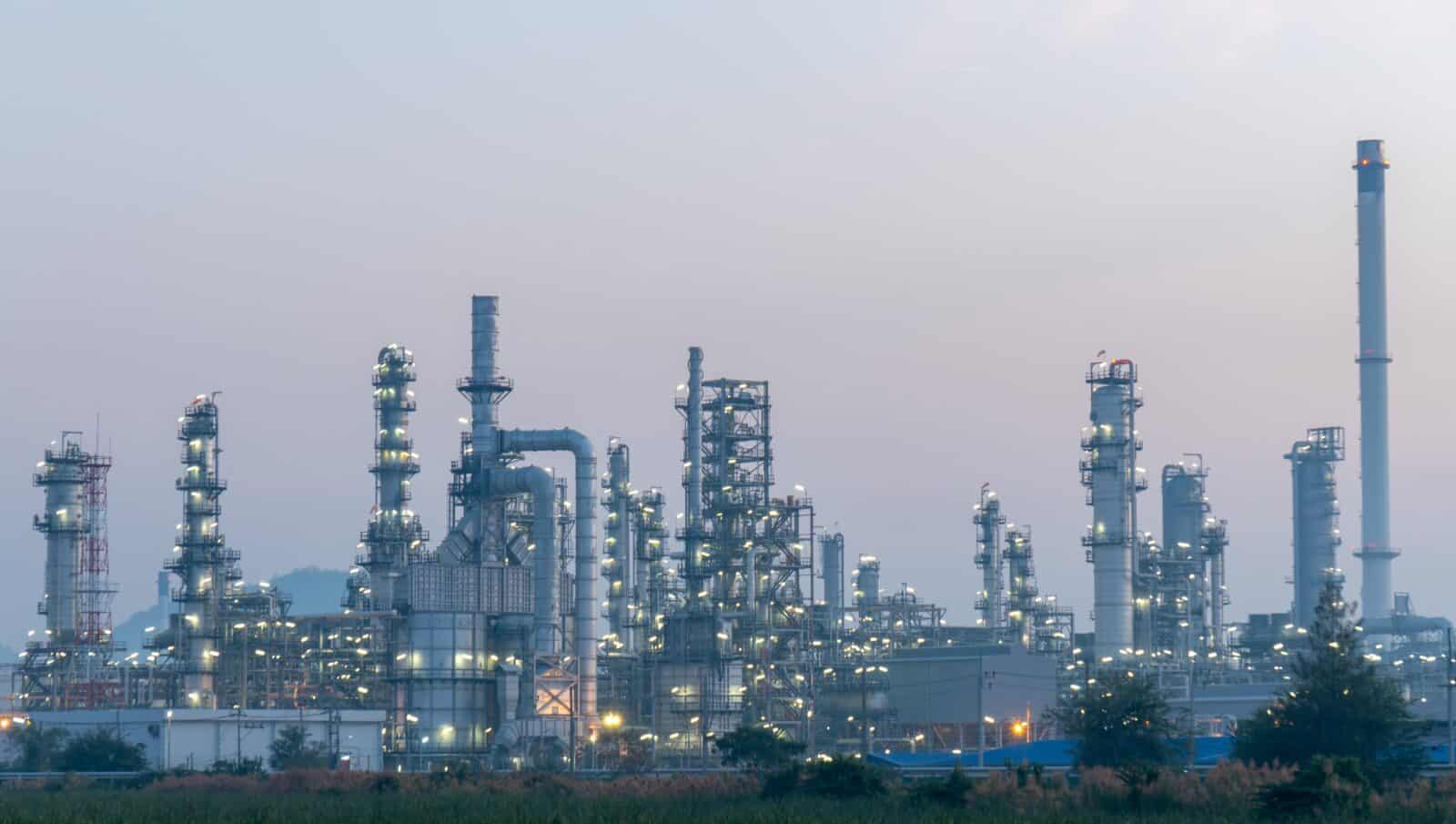
Oil companies are planning for a market that may remain choppy rather than march upward forever. Reuters reported on May 28, 2026, that the IEA expects global natural gas investment to exceed $330 billion in 2026, its highest level in a decade, while upstream oil investment is projected to decline for the third year in a row.
The IEA’s 2025 investment report also said lower oil prices and softer demand expectations were set to push upstream oil investment down 6% in 2025, the first yearly decline since the Covid slump of 2020.
That tells consumers something important. Big energy firms are not just reacting to this week’s pump price. They are weighing energy security, LNG growth, war risk, shareholder pressure, renewables, and future demand.
A company may still drill where returns look strong, but the wider industry is preparing for a world in which oil remains essential yet less predictable. The old boom-and-bust wheel is still turning, but the road underneath it is changing.
Short-Term Forecasts Are Highly Uncertain

Oil forecasts can age fast because oil is part commodity, part politics, part weather, part psychology. EIA expected Brent to average around $106 in May and June after the April spike, then fall toward $89 by the fourth quarter if Hormuz traffic resumed and production returned.
The IEA, meanwhile, revised its 2026 demand outlook down sharply, forecasting a 420,000-barrel-per-day decline for the year. The World Bank projected Brent at $86 in 2026, but that forecast assumed the worst disruptions would ease and shipping would gradually normalize.
Those are serious institutions, yet their forecasts differ because each one makes assumptions about war, demand, supply, inventories, and policy. Consumers should treat any single oil forecast as a scenario, not a guarantee.
Hurricanes, sanctions, refinery fires, peace talks, central-bank moves, and OPEC+ meetings can all rewrite the next month before the ink dries on the last prediction.
The Energy Transition Is Reshaping Long-Term Demand

The long oil story is not just about one war, one cartel, or one summer driving season. It is also about a world slowly shifting in how it uses energy. The IEA’s May 2026 oil report forecast demand contraction for 2026, partly because high prices, weaker economic conditions, and demand-saving measures are cutting fuel use.
At the same time, electric vehicles, efficiency standards, renewable power, hybrid work, public transit investments, and industrial changes are chipping away at future demand growth. That does not mean oil disappears tomorrow.
The world still consumes around 104 million barrels per day, according to the IEA’s 2026 forecast, and oil remains tied to transport, petrochemicals, aviation, agriculture, and shipping. But the direction is changing.
Consumers are living between two clocks: the short clock of this week’s gas price, and the long clock of a slower shift away from oil dependence. Both clocks matter, and both can hit the wallet.
A Short Reflective Close
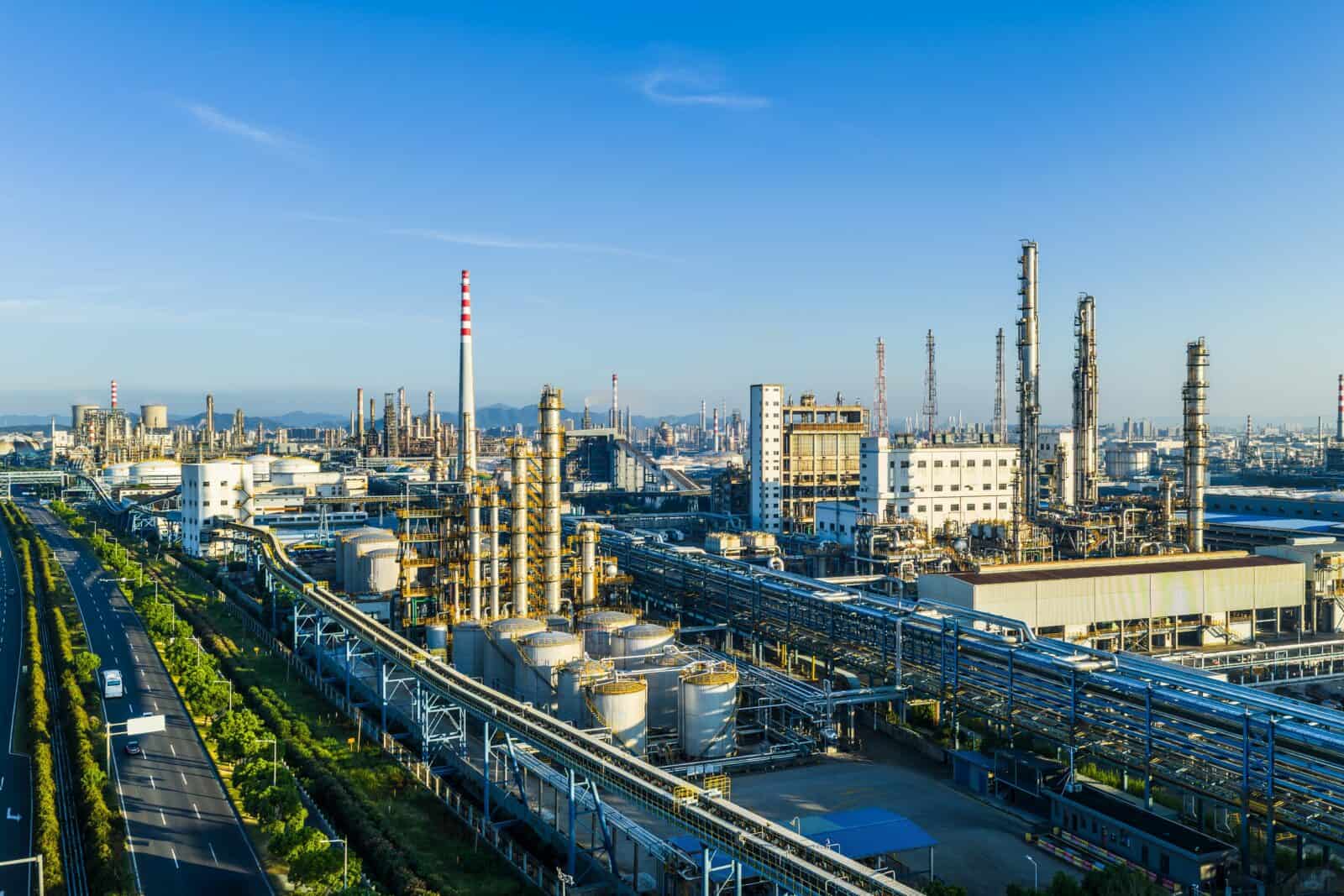
Oil is one of the few global markets that can reach into an ordinary family’s wallet before breakfast.
EIA data show how a supply shock can push Brent above $100, AAA data show how that pressure reaches the pump, and IEA data show demand starting to bend under high prices and weaker growth.
Consumers do not need to trade crude futures to understand the basics. They just need to know that oil prices are shaped by supply routes, demand, refining, taxes, geopolitics, inventories, and time. The pump is the final scene. The plot starts much farther away.
Key Takeaways

Oil prices remain high because the 2026 market has been shaped by a major supply shock, not just normal supply and demand. EIA said Brent hit $138 a barrel in April after the de facto Strait of Hormuz closure, and the World Bank said global supply fell by 10.1 million barrels per day in March.
Gasoline prices lag crude oil moves because refining, distribution, taxes, local competition, inventories, and margins all affect what consumers pay. AAA showed regular gas at $4.426 on May 28, 2026, down from the week before but still well above the year-ago average.
Over the next 6 to 12 months, consumers should watch the Strait of Hormuz, OPEC+ decisions, U.S. gasoline inventories, hurricane-season refinery risk, IEA and EIA demand revisions, and any signs that supply is returning faster than demand is falling.
Disclaimer – This list is solely the author’s opinion based on research and publicly available information. It is not intended to be professional advice.
Like our content? Be sure to follow us