12 U.S. cities facing ongoing reputation challenges
A city can clean up the numbers and still look guilty in the court of public opinion. That is the hard truth about reputation. Crime can fall, cranes can rise, downtown lights can come back on, and neighborhoods can steady themselves one block at a time, but the old story often keeps marching through people’s minds like it still has proof.
The FBI reported that violent crime fell an estimated 4.5% nationally in 2024, with murder and non-negligent manslaughter down 14.9%, and the Council on Criminal Justice later found homicides in its study cities fell again in 2025.
Still, some cities remain trapped in images shaped by earlier spikes in crime, viral homelessness videos, empty office towers, protest footage, budget stress, and years of political shorthand. That is what makes a bad reputation so stubborn.
It does not always lie, but it often arrives late, stays too long, and refuses to notice when the facts begin to change. These 12 cities show how difficult it can be to rewrite the national story once a place becomes a symbol.
Detroit, Michigan
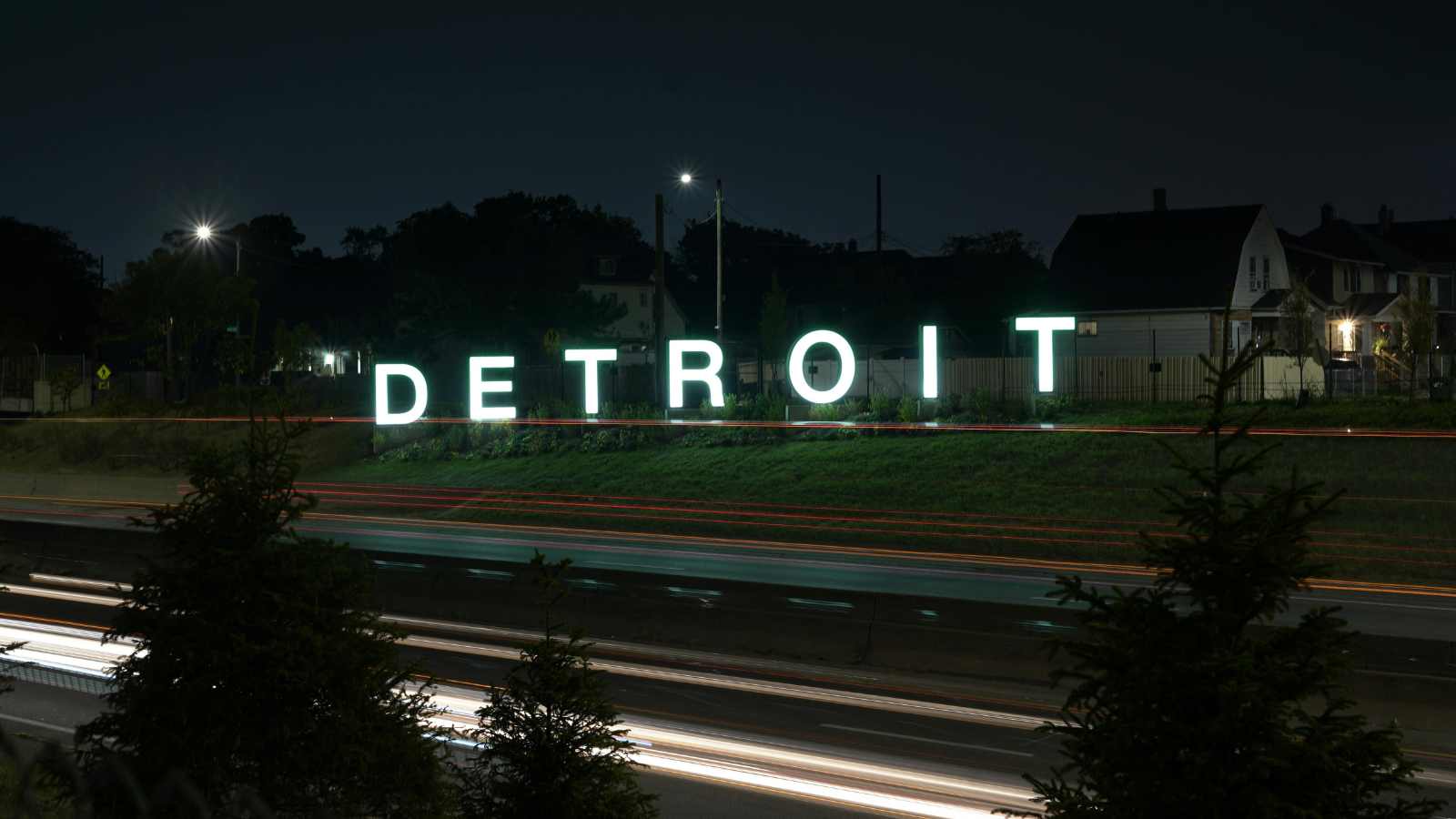
Detroit may be the clearest example of a city still paying interest on an old reputation. Bankruptcy, the auto industry’s collapse, abandoned houses, and “most dangerous city” lists have hardened into a national caricature, even as public-safety data have moved in a very different direction.
The city reported 203 criminal homicides in 2024, down 19% from 2023 and the fewest since 1965, while nonfatal shootings dropped 25% and carjackings fell 15%. AP later reported that Detroit fell again in 2025, with 165 criminal homicides, nonfatal shootings down from 603 to 447, and carjackings down from 142 to 77.
That does not mean Detroit has solved poverty, disinvestment, or neighborhood-level violence. It means the city’s national image is stuck behind the data. The cautionary part is that once a city becomes a punchline, improvement has to be dramatic, repeated, and visible before outsiders believe it. Detroit is making that case, but the old headline still has a long shadow.
Chicago, Illinois
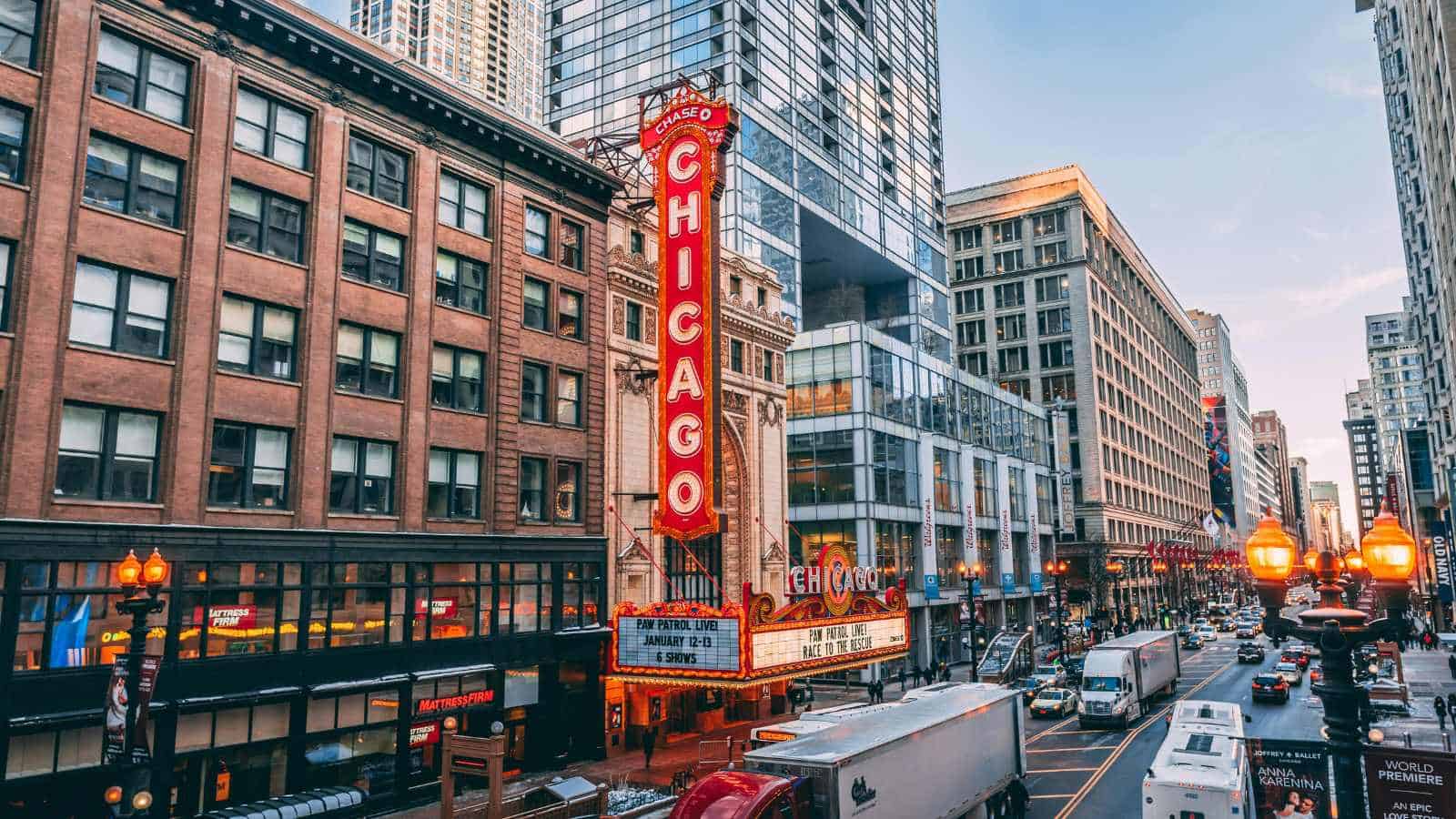
Chicago’s reputation problem is bigger than its crime charts because the city has become political shorthand for urban violence. The numbers have improved, but the label lingers.
The University of Chicago Crime Lab’s 2025 analysis says homicides, shootings, and robberies were down substantially, while long-standing gaps with other major cities had begun to narrow.
WTTW reported that by late July 2025, Chicago Police Department data showed violent crime down 22%, shootings down 36%, and homicides down 32% from the prior year. Yet the city still carries years of national fear, helped along by campaign speeches, cable news clips, and the old “Chiraq” nickname that refuses to retire.
David Olsen, professor and co-director of Loyola University Chicago’s Center for Criminal Justice, put the perception problem plainly: “even if crime levels are down, if the public’s perception is that it isn’t, it may not matter.” That is Chicago’s trap: real progress, uneven safety, and a national story that keeps choosing the loudest frame.
San Francisco, California
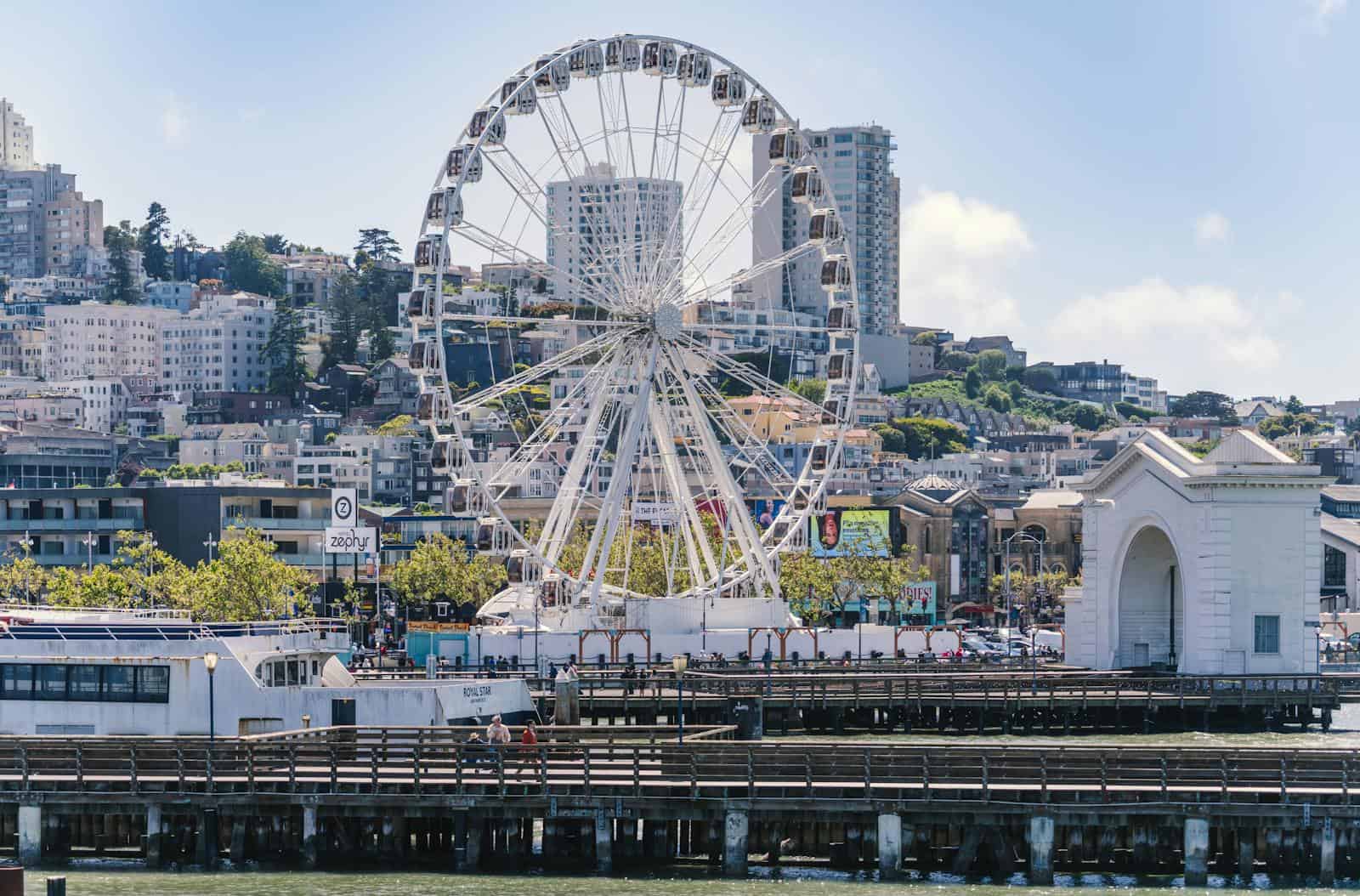
San Francisco’s reputation challenge is built on contrast so sharp it almost feels cinematic: billion-dollar tech wealth on one block, open drug use and visible homelessness on another. The city’s crime numbers have improved, but the street-level image still hits hard.
San Francisco’s police department reported that 2025 brought a 25% decrease in overall crime, an 18% drop in violent crime, a 27% drop in property crime, and 28 homicides, the lowest number since 1954.
At the same time, the city’s 2024 Point-in-Time count found 4,354 unsheltered people, and even preliminary 2026 results showing unsheltered homelessness down to 3,400 still leave a visible crisis in public view. That is why San Francisco keeps losing the branding battle even when some metrics move in the right direction.
Outsiders do not feel a percentage drop; they remember boarded storefronts, viral drug scenes, and downtown emptiness. The city’s challenge is not just reducing harm, but making recovery visible enough to compete with years of “doom loop” imagery.
Los Angeles, California
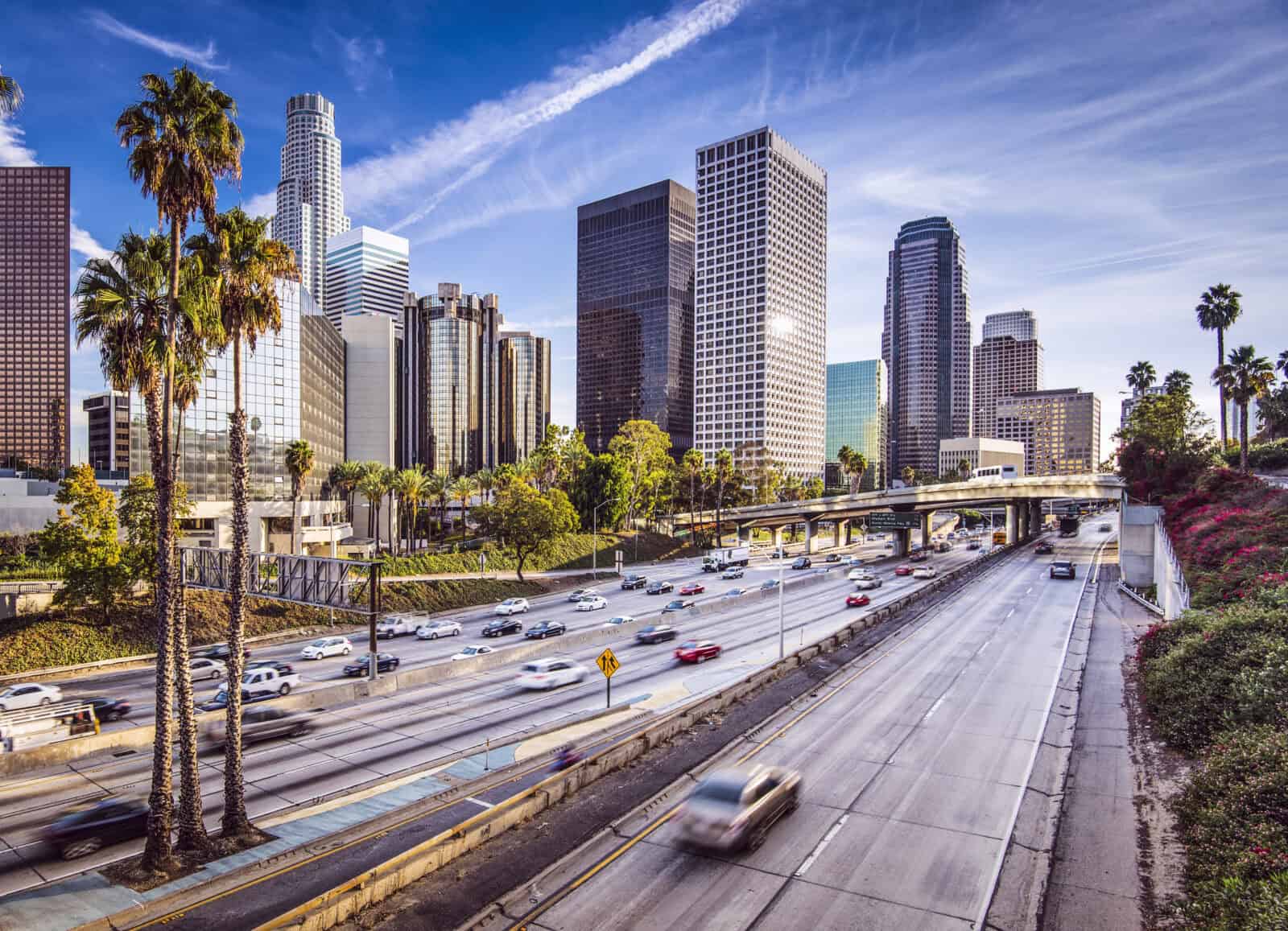
Los Angeles has always sold the dream better than almost any city on Earth, which makes its reputation problem even more jarring. The same place associated with red carpets, beaches, film studios, and reinvention is also central to America’s homelessness debate.
USC summarized the 2025 Los Angeles Homeless Services Authority count, showing 72,308 people experiencing homelessness countywide, including 43,699 in the city of Los Angeles, despite a 4% countywide decline and a 3.4% citywide decline from 2024. Those improvements matter, but the scale still overwhelms public perception.
Encampments, high rents, traffic, wildfire smoke, insurance pressure, and frustration over public spending all collide with the glamour brand. The warning here is simple: a city can remain globally magnetic and still feel unmanageable for residents trying to afford rent, get to work, or walk past tents under a freeway.
LA’s reputation challenge is not a lack of success. It is the painful split between the fantasy it exports and the daily strain many Angelenos live with.
Baltimore, Maryland
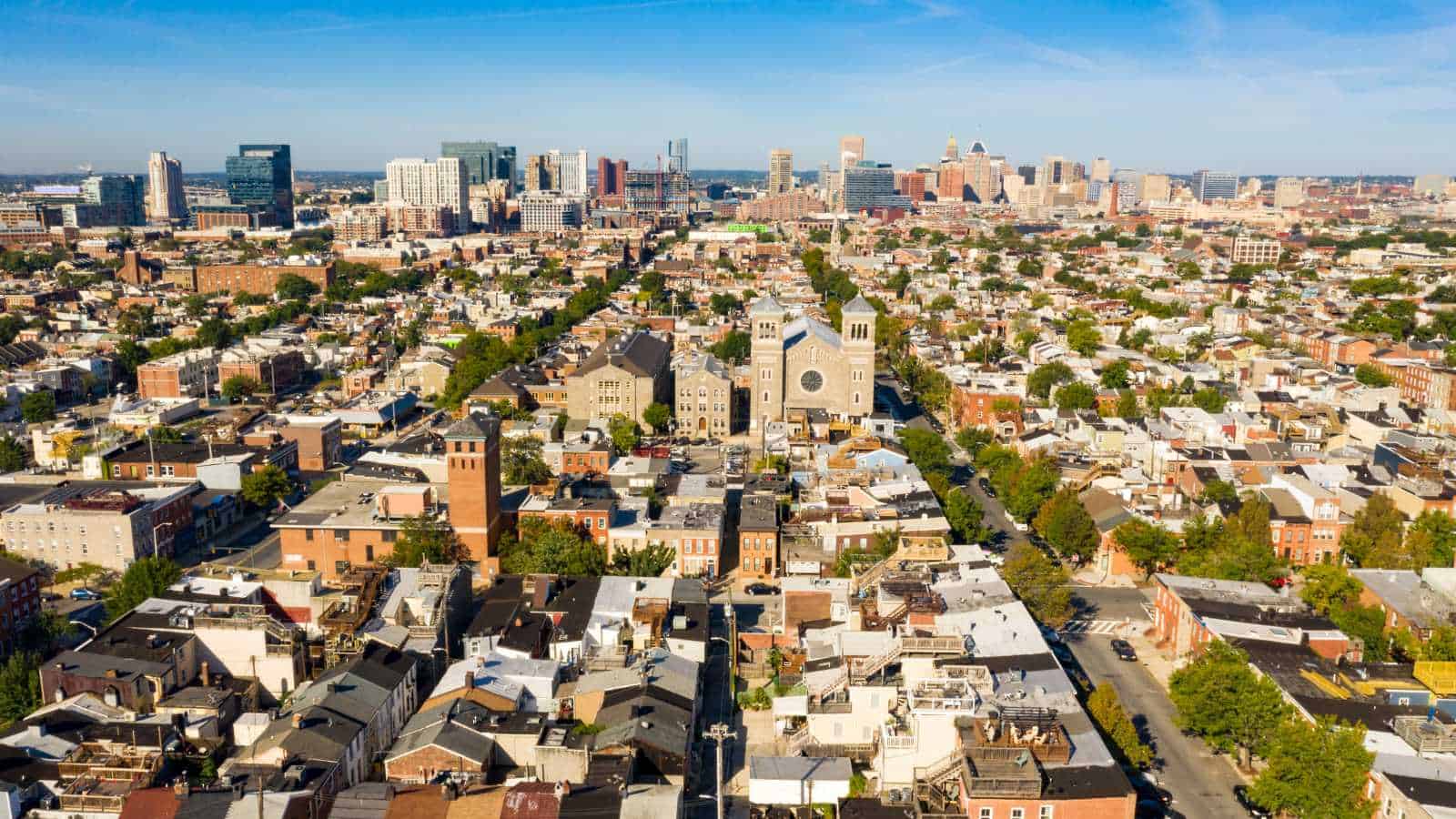
Baltimore’s reputation has been shaped by decades of violence, segregation, disinvestment, police scandals, and population loss, so even good news arrives with a hard fight ahead.
The Baltimore Police Department reported 201 homicides in 2024, down 23% from 2023, with nonfatal shootings down 34% and homicide clearance rates above the national average. Local reporting then showed another steep drop in 2025, with homicides falling from 194 in 2024 to 133, the city’s lowest count in nearly 50 years.
That kind of progress is not small. Still, Baltimore remains publicly haunted by its worst years, and many residents know the improvements do not erase vacant housing, concentrated poverty, uneven schools, or distrust built over generations.
The city’s reputation challenge is that national audiences often remember the symbol faster than the statistics. Baltimore has a credible public-safety improvement story, but it still has to prove that declining homicide rates can translate into lasting neighborhood stability.
Memphis, Tennessee
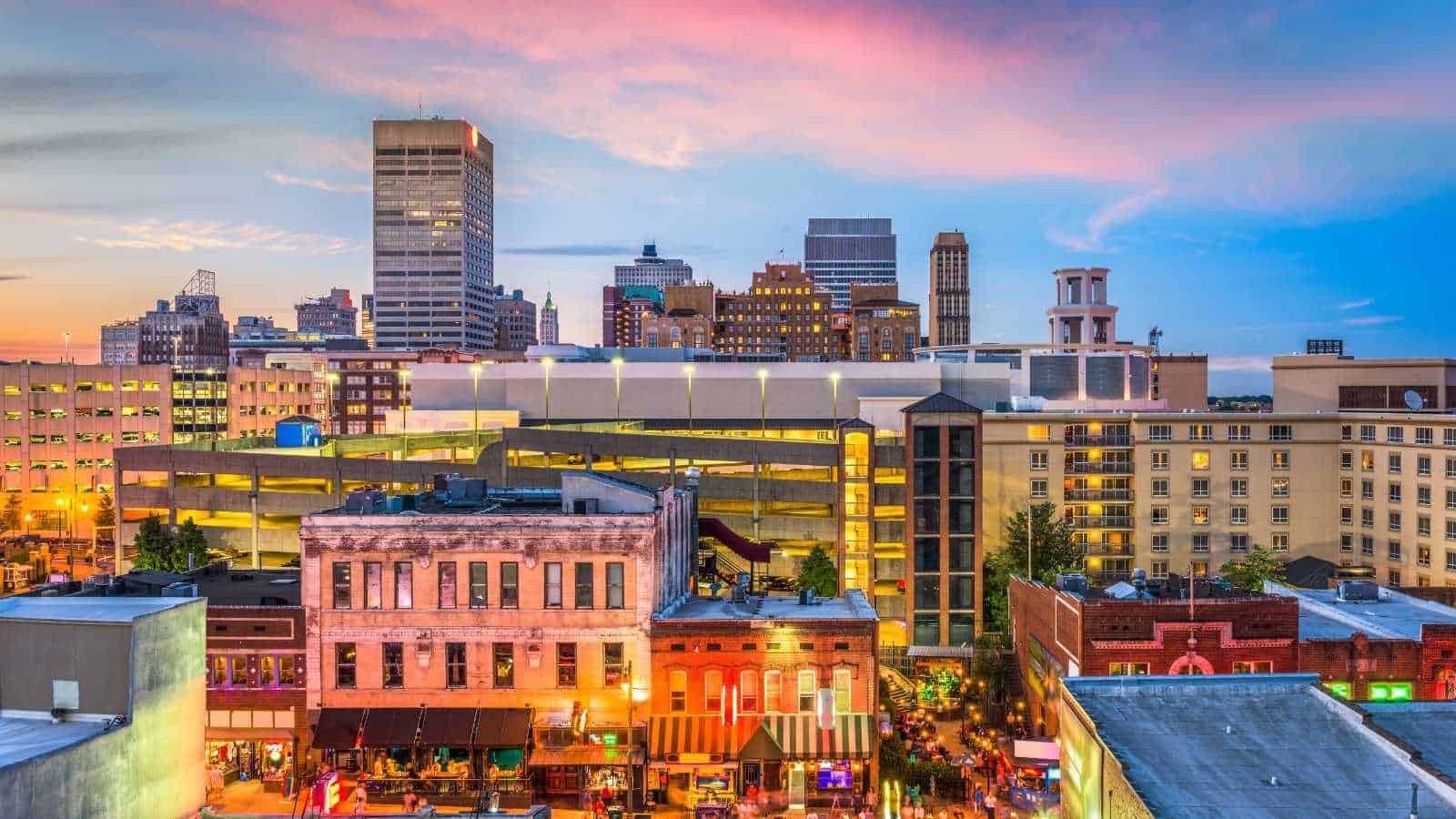
Memphis does not always get the constant national spotlight that Chicago, Los Angeles, or San Francisco receive, but when crime rankings appear, the city’s name often lands hard.
The Council on Criminal Justice noted that Memphis has seen recent declines across many offenses, yet homicides and motor vehicle theft remained well above 2019 levels in the first half of 2025. The Memphis Police Department later reported a 27% drop in overall Part I crimes in 2025, including a 26% decrease in murders, a 31% drop in robberies, and a 48% decrease in carjackings.
That improvement deserves attention, but the city’s reputation remains tied to high baseline violence, poverty, and the sense that public safety gains could prove fragile. Memphis also sits at a crossroads of logistics, tourism, music heritage, and economic inequality, so crime stories can feel larger than the city itself.
The caution is that a single good year can slow a bad reputation, but it rarely breaks it. Memphis needs sustained progress before outsiders stop treating it as a warning sign.
St. Louis, Missouri
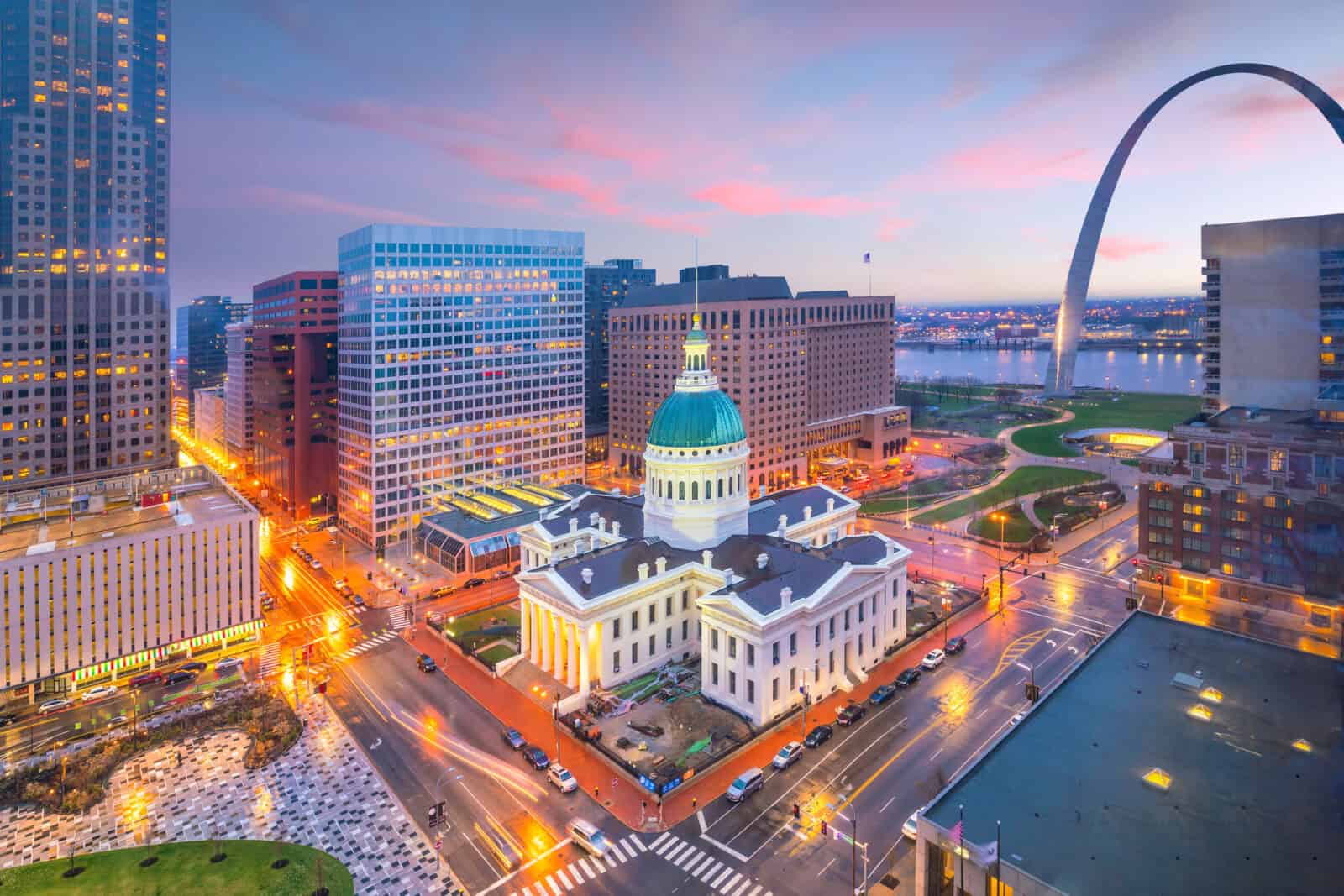
St. Louis has spent years trapped near the top of “most dangerous city” rankings, and that kind of label sticks like tar. The city reported 150 homicides in 2024, the lowest number in 11 years, with overall crime down 15% year over year.
That is real movement, but St. Louis still fights a reputation built from high homicide rates, population loss, city-county fragmentation, school concerns, and the visible divide between revitalized neighborhoods and areas still carrying concentrated poverty.
Recent federal attention, including an expanded FBI presence, shows how strongly the crime narrative still frames the region, even as local data improve. St. Louis also has a structural branding problem: outsiders often judge the city by municipal boundaries that capture many of the region’s hardest problems while wealth and growth sit outside the core.
So the city can improve and still look worse on simple rankings than a larger, more administratively blended metro. That is the cruel math of reputation: the map itself can shape the story.
New Orleans, Louisiana
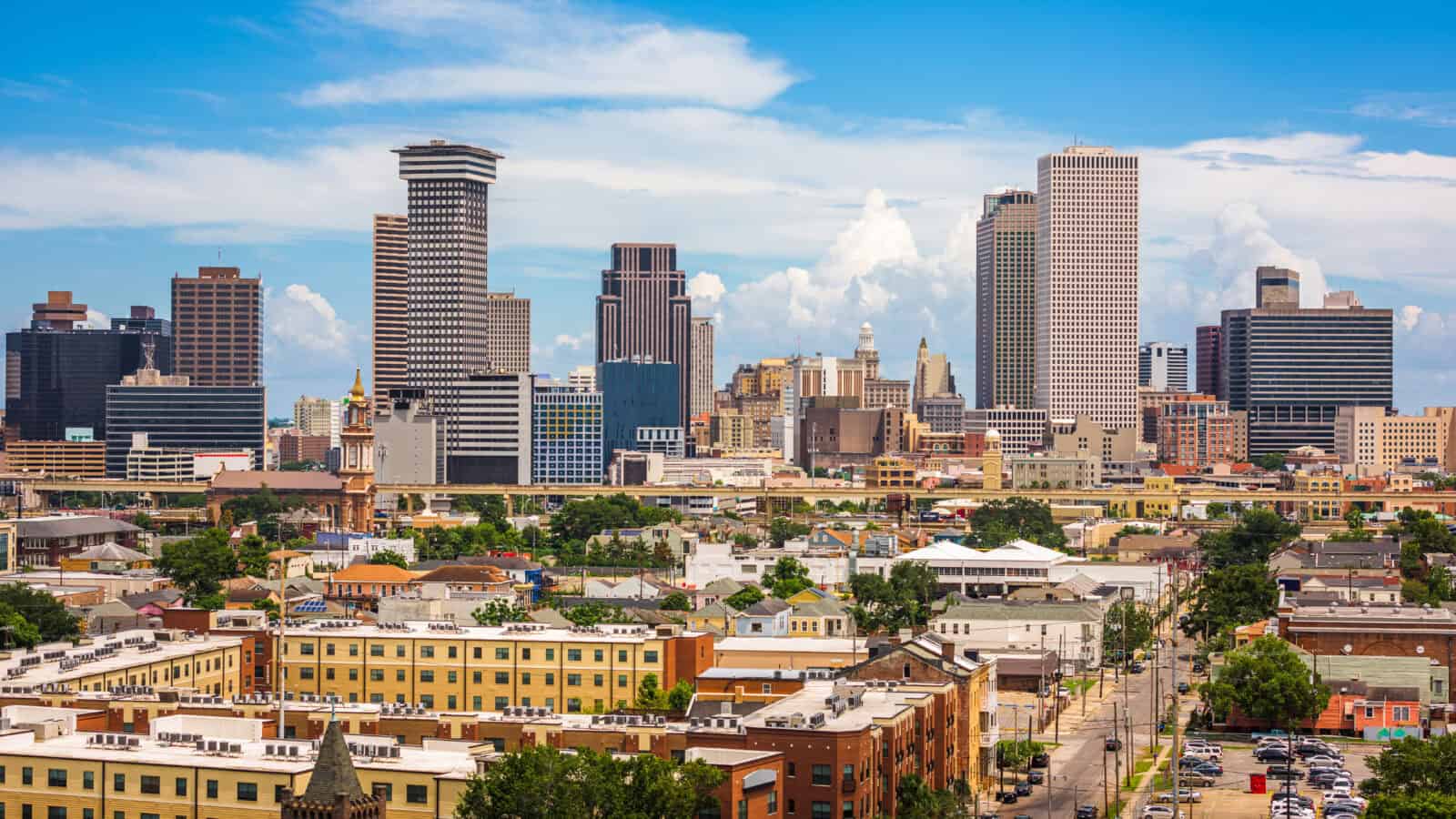
New Orleans sells joy with world-class skill: music spilling into the street, brass bands, food that tastes like memory, and festivals that make the city feel larger than its population. But its reputation also carries safety fears, storm anxiety, fragile infrastructure, and a sense that the visitor experience can hide resident strain.
The New Orleans Police Department reported that overall crime fell 29% in 2024 from 2023, including a 14% drop in personal crimes and a 32% drop in property crimes. AP also reported that the city saw steep declines in crime heading into 2025, even as state and federal officials debated National Guard deployments.
Those facts complicate the usual story, but they do not erase the fear shaped by past spikes in homicide, drainage failures, power outages, potholes, insurance costs, and hurricane risk.
New Orleans has one of America’s strongest cultural brands, yet that brand cuts both ways. Tourists remember the magic. Residents often bear the cost of keeping the magic alive under conditions that feel increasingly risky.
Portland, Oregon
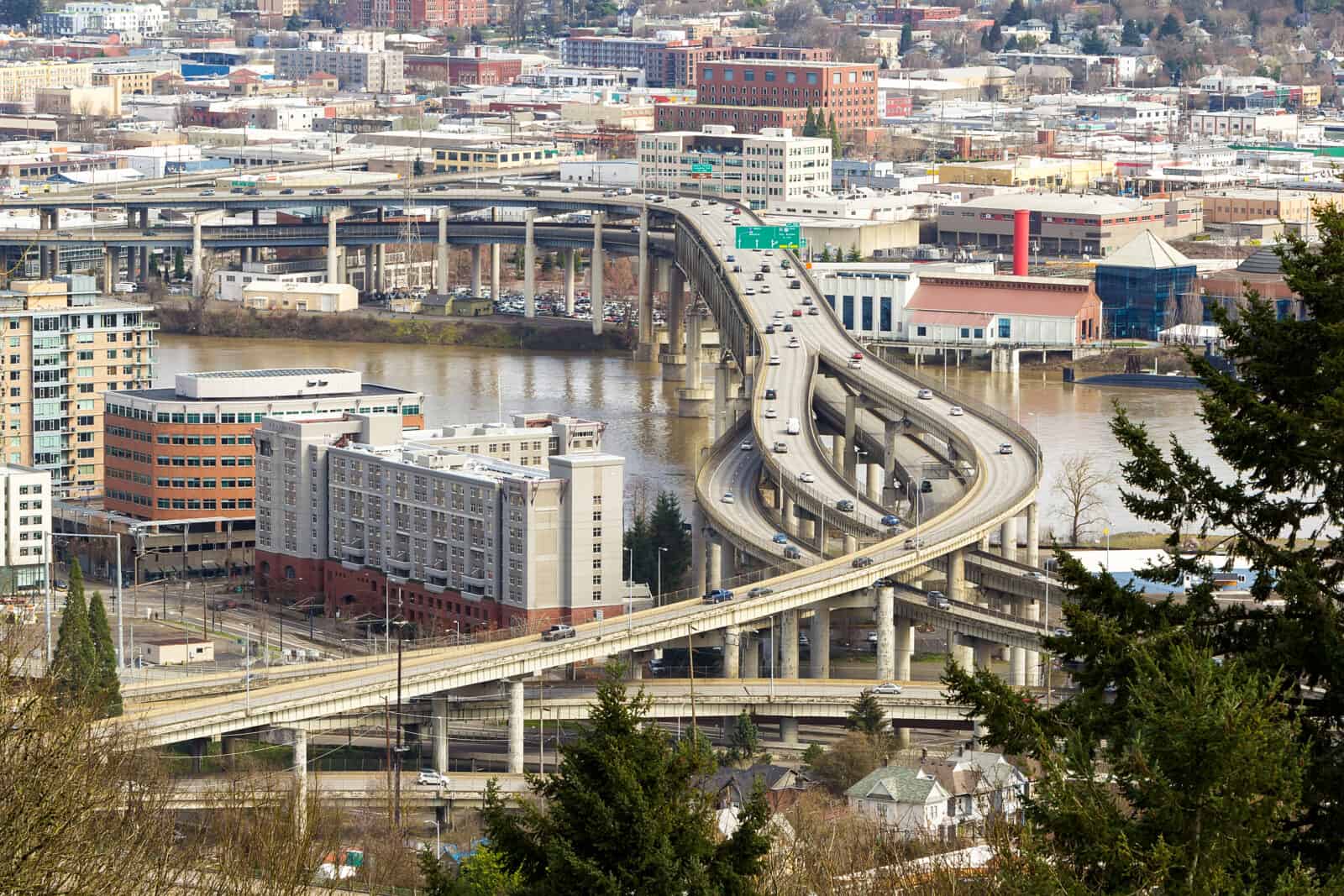
Portland’s reputation may be one of the clearest cases of a city branded by a narrow slice of time. The 2020 protest era, combined with visible homelessness and drug-policy fights, turned the city into a national symbol for critics of progressive governance. The data now tells a more mixed story.
Portland reported that violent crime fell 17% in the first half of 2025 compared with the same period in 2024, while homicides dropped from 35 to 17, a 51% decline and the largest homicide decrease among participating major-city agencies in that report.
Mayor Keith Wilson said, “Homicides are down 51 percent year-to-date, and we’ve even seen months with zero homicides,” while also noting that more work remained. Yet homelessness keeps the wound of reputation open.
Portland State University’s 2025 tri-county Point-in-Time work found rising homelessness across the metro area, and local coverage reported a 67% increase in Multnomah County since 2023. Portland’s challenge is blunt: lower violence numbers cannot fully repair a brand when visible disorder still tells a different story to residents, visitors, and cameras.
Philadelphia, Pennsylvania
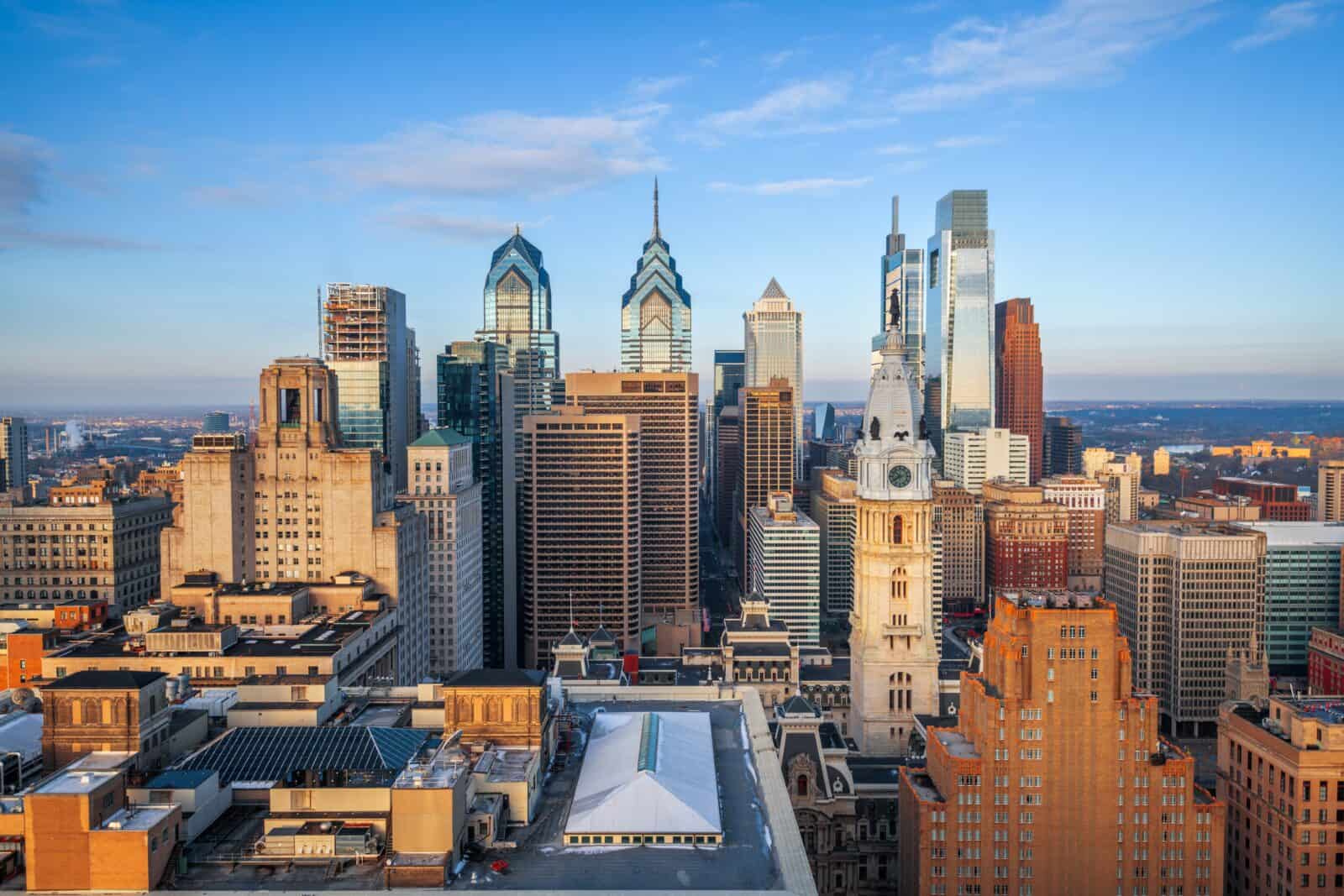
Philadelphia has major-city advantages that many places would envy: universities, hospitals, history, transit, food, rowhouse neighborhoods, and easy access to New York and Washington. Yet its public image often gets pulled back toward crime, schools, poverty, taxes, and political dysfunction. The crime trend has improved sharply.
Philadelphia Police Department data shows homicides falling from 562 in 2021 to 269 in 2024, then 222 in 2025, and Pew reported that Philadelphia had the steepest homicide drop among 21 high-homicide cities from 2023 to 2024, at 35%. Still, a city’s reputation does not reset just because a dashboard turns greener.
High-profile violence, school worries, wage-tax complaints, and fiscal strain keep feeding the old image. Philadelphia’s problem is not that the good news is fake. It is that bad press has had a long head start.
The city has to sell its improvements while many outsiders still see it through the lens of the worst pandemic-era numbers and the grittiest national headlines.
Washington, D.C.

Washington, D.C., does not get to be a normal city. Every local crime trend becomes a national argument, every police policy becomes a congressional talking point, and every tent near a federal building becomes a symbol of government failure. The city’s numbers have improved, but the political spotlight magnifies every fear.
MPD year-end data shows homicides fell from 187 in 2024 to 127 in 2025, down 32%, while total violent crime dropped 29%. The U.S. Attorney’s Office also said violent crime in D.C. hit a 30-year low in 2024, with homicides down 32%, robberies down 39%, and armed carjackings down 53% from 2023.
Former U.S. Attorney Matthew Graves described the strategy as a focus on “the drivers of violence,” including armed crews involved in drugs, turf, carjackings, and robberies. Yet D.C.’s reputation remains fragile because local governance sits under a national microscope.
Crime can fall, and the city can still be used as a prop in a much larger fight over policing, federal power, homelessness, and urban leadership.
“Legacy” Rust Belt Cities
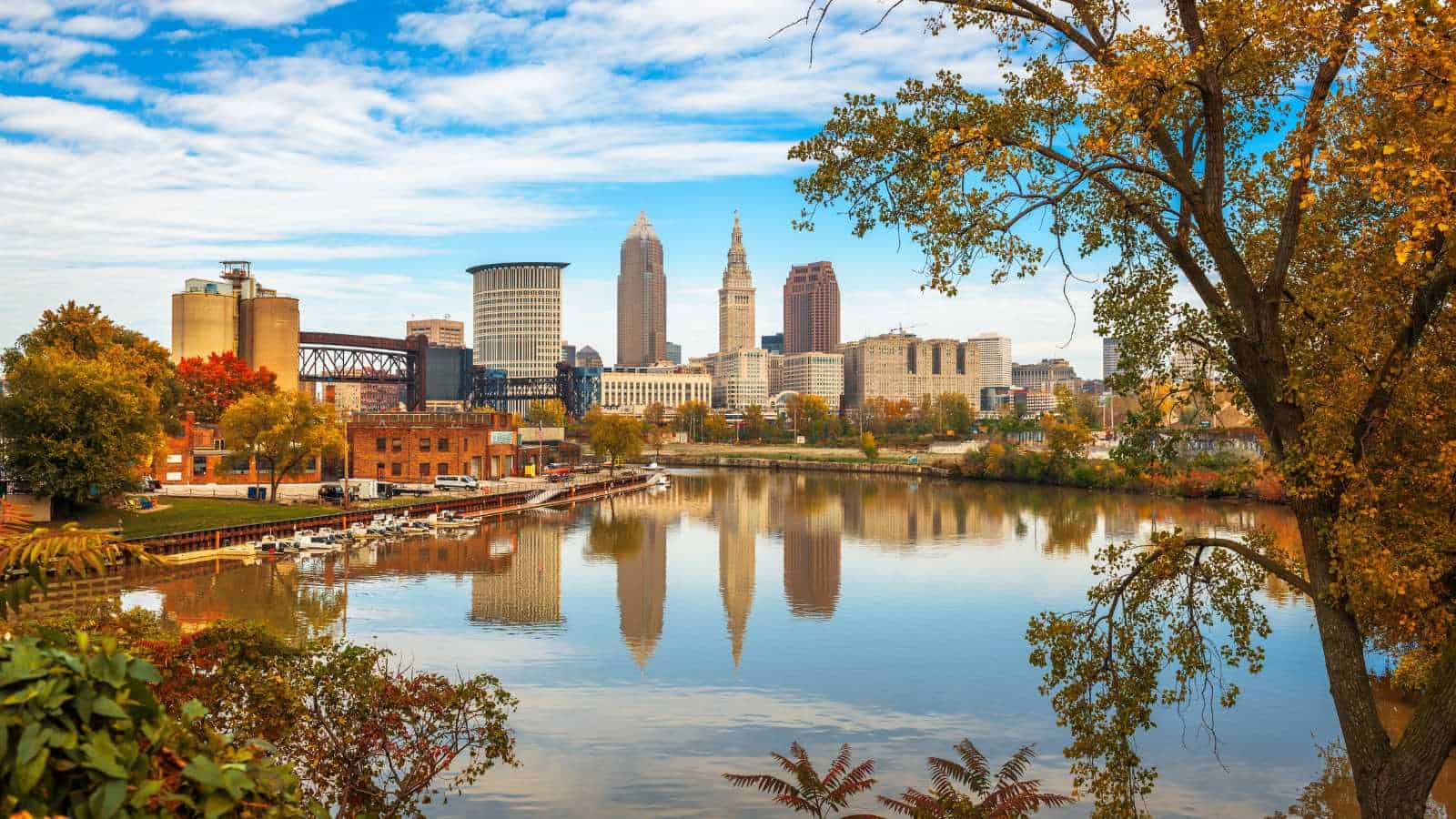
The final reputation challenge is not one city but a whole category: older industrial “legacy” cities that are still flattened into the same Rust Belt decline story.
Cleveland, Buffalo, smaller manufacturing hubs, and older Midwest and Northeast metros may differ wildly in jobs, housing, universities, immigration, healthcare, and downtown recovery, yet the shorthand often sounds the same: shrinking, cold, aging, troubled, second-tier.
That label can scare away people and investment, even where renewal is real. Pew’s 2025 fiscal-stress analysis shows why the concern has some basis: large cities face budget pressure, and Chicago, Los Angeles, San Francisco, and Washington all received credit-rating downgrades over a five-month span from December 2024 to April 2025.
But the broader warning is about oversimplification. A city with old housing stock, population loss, and infrastructure strain may also have affordable homes, medical anchors, university research, logistics jobs, and immigrant communities rebuilding blocks from the ground up.
The problem with reputation is that “decline” travels faster than nuance. For legacy cities, the fight is to prove they are not museum pieces of a dead industrial past, but complicated places still making new claims on the future.
Reputation is a shadow, and some cities live under a very long one. The hard truth is that these places still struggle publicly because their problems are visible, emotional, and easy to turn into symbols. Crime may be down, but one viral shooting can travel faster than a full-year report.
Homelessness may decline by a few points, but tents still shape what people remember. Fiscal repair may take years, but a downgrade lands in a headline in one morning. None of these cities deserves a lazy label. None deserves a free pass either. The fairer reading is sharper: many are improving, many are still hurting, and all of them are fighting stories that numbers alone cannot erase.
Key Takeaways

- National violent crime fell in 2024, but many city reputations still reflect older crime peaks.
- Detroit, Baltimore, Philadelphia, New Orleans, and Washington, D.C. all show notable recent declines in crime.
- Chicago’s reputation remains politically charged, even as shootings and homicides have fallen.
- San Francisco, Los Angeles, and Portland face reputation pressure from visible homelessness and downtown distress.
- St. Louis and Memphis still battle high-violence reputations despite recent improvements.
- Fiscal stress now shapes city image, especially in places facing credit downgrades or budget gaps.
- Legacy Rust Belt labels often flatten real differences between cities that are still struggling and cities that are rebuilding.
- Reputation can lag reality, but public trust usually takes years of visible progress to recover.
Disclaimer – This list is solely the author’s opinion based on research and publicly available information. It is not intended to be professional advice.
Like our content? Be sure to follow us