12 things once easy to buy that are now hard to afford
Sticker shock has turned into an uninvited shopping buddy. It follows Americans through the grocery aisle, the gas station, the doctor’s office, and even the airport snack bar. Many purchases that once felt ordinary now require a quick mental-math session before checkout.
The U.S. Bureau of Labor Statistics reported that the Consumer Price Index rose 3.8% over the 12 months ending in April 2026, so prices continue to weigh on household budgets even after earlier inflation cooled.
For many women managing homes, kids, careers, caregiving, and their own peace of mind, “affordable” no longer means what it did five years ago. The list below shows why everyday spending now feels less like a casual swipe and more like a tiny board meeting with your bank account.
Groceries cost more
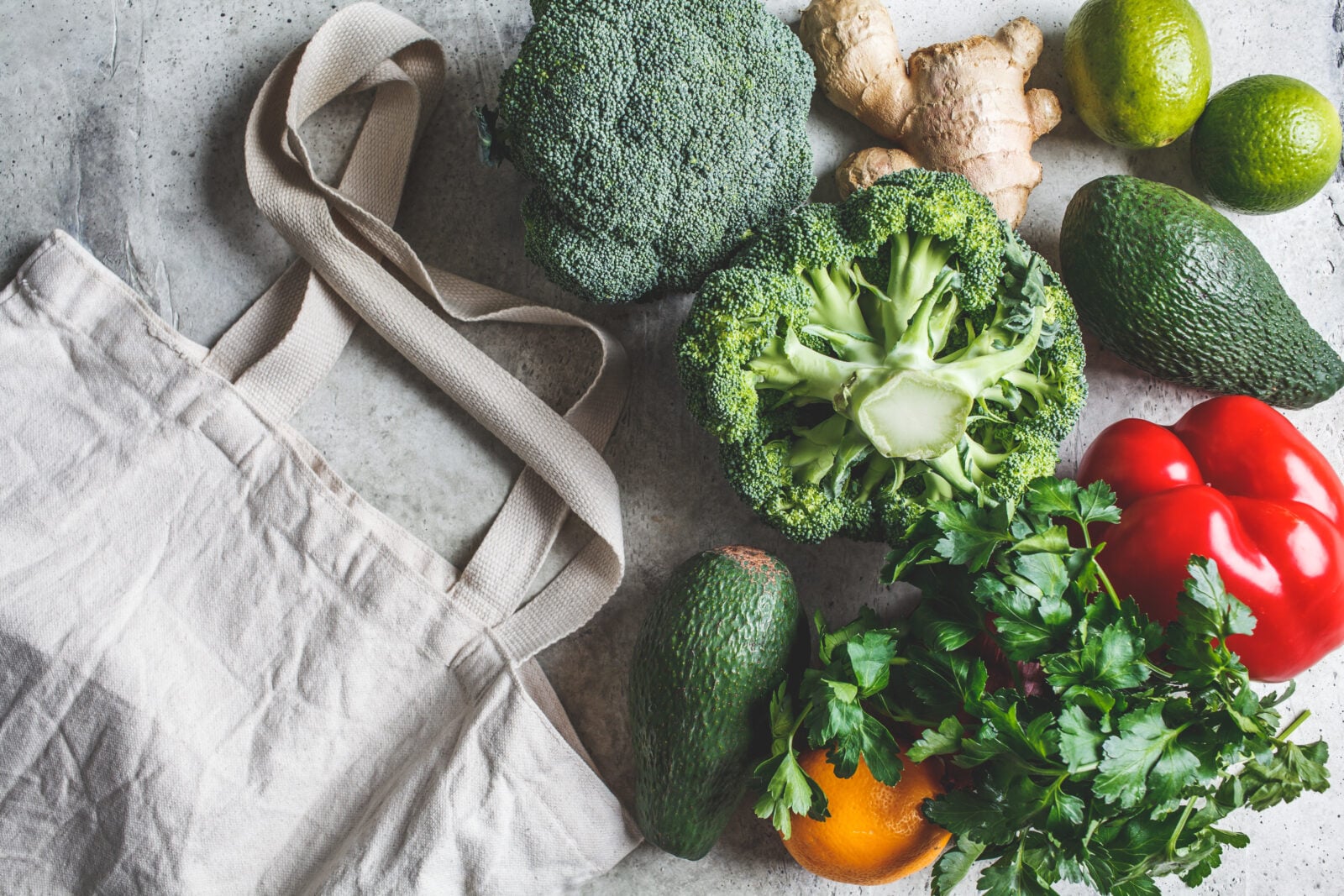
A grocery run used to feel boring, not dramatic. Now the cart can look innocent until the cashier reads the total like a plot twist. The U.S. Department of Agriculture predicted that overall food prices will rise 2.9% in 2026, which keeps pressure on basics like meat, produce, snacks, and pantry staples.
Many shoppers now compare unit prices, chase coupons, and swap brand names for store labels. The fridge still needs filling, but the grocery aisle has become a weekly lesson in strategy.
Housing feels distant

A starter home once felt like a big goal with a clear path. Today, many buyers see the down payment, mortgage rate, insurance, taxes, and repairs as a financial obstacle course. The National Association of Realtors reported a median existing-home price of $417,700 in April 2026, up from a year earlier.
That number makes homeownership feel out of reach for many first-time buyers. Even renters feel the squeeze because saving gets harder when monthly housing costs keep eating the paycheck first.
Cars cost too much
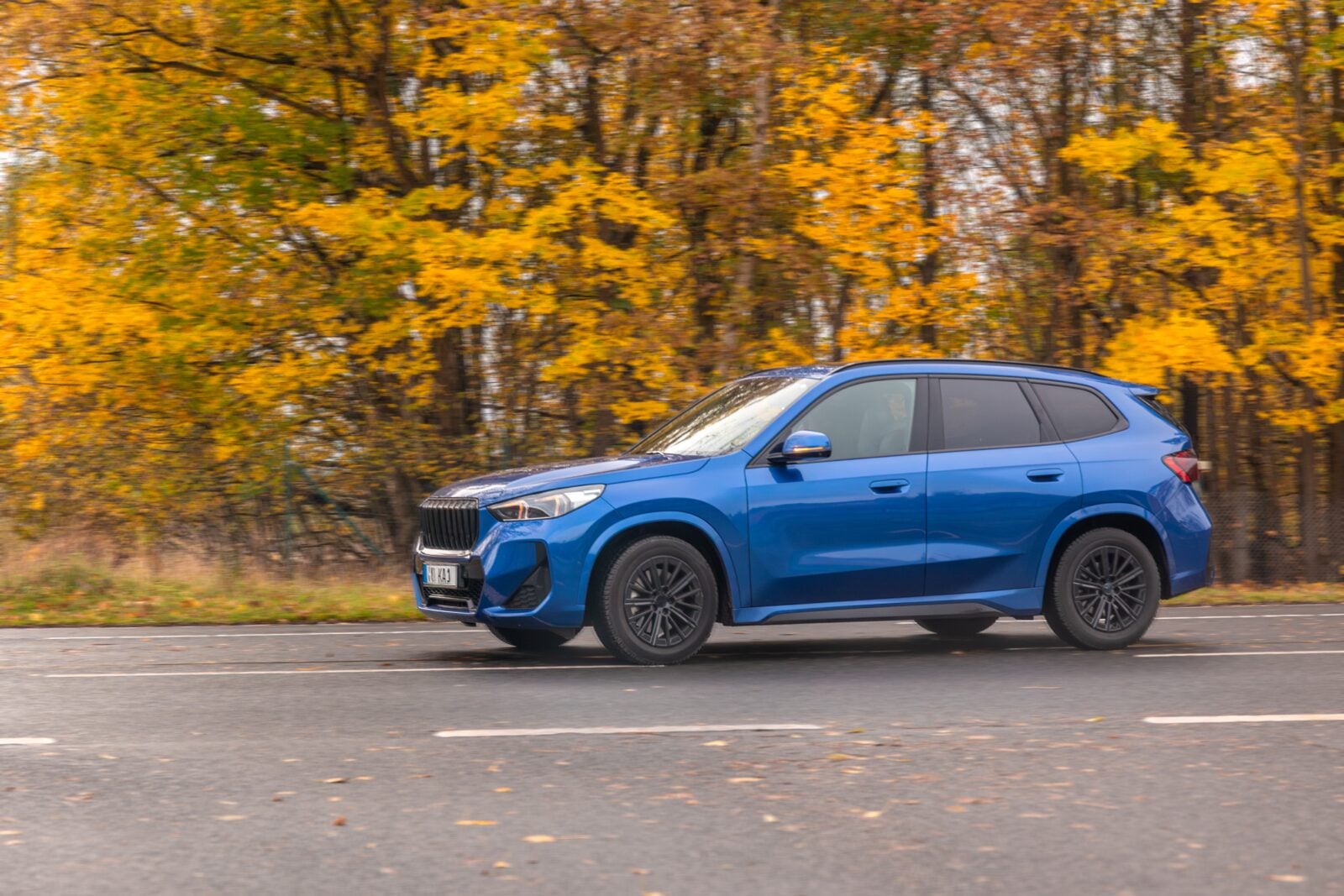
A reliable car once felt like a practical buy. Now, it can feel like a luxury to wear a seatbelt. Kelley Blue Book reported that the average transaction price for a new vehicle reached $49,461 in April 2026. That price comes before insurance, gas, maintenance, repairs, and loan interest join the party.
Many families now keep older cars longer because replacing one can shake the whole budget. The old “just get a car” advice no longer fits today’s driveway math.
Gas hits harder
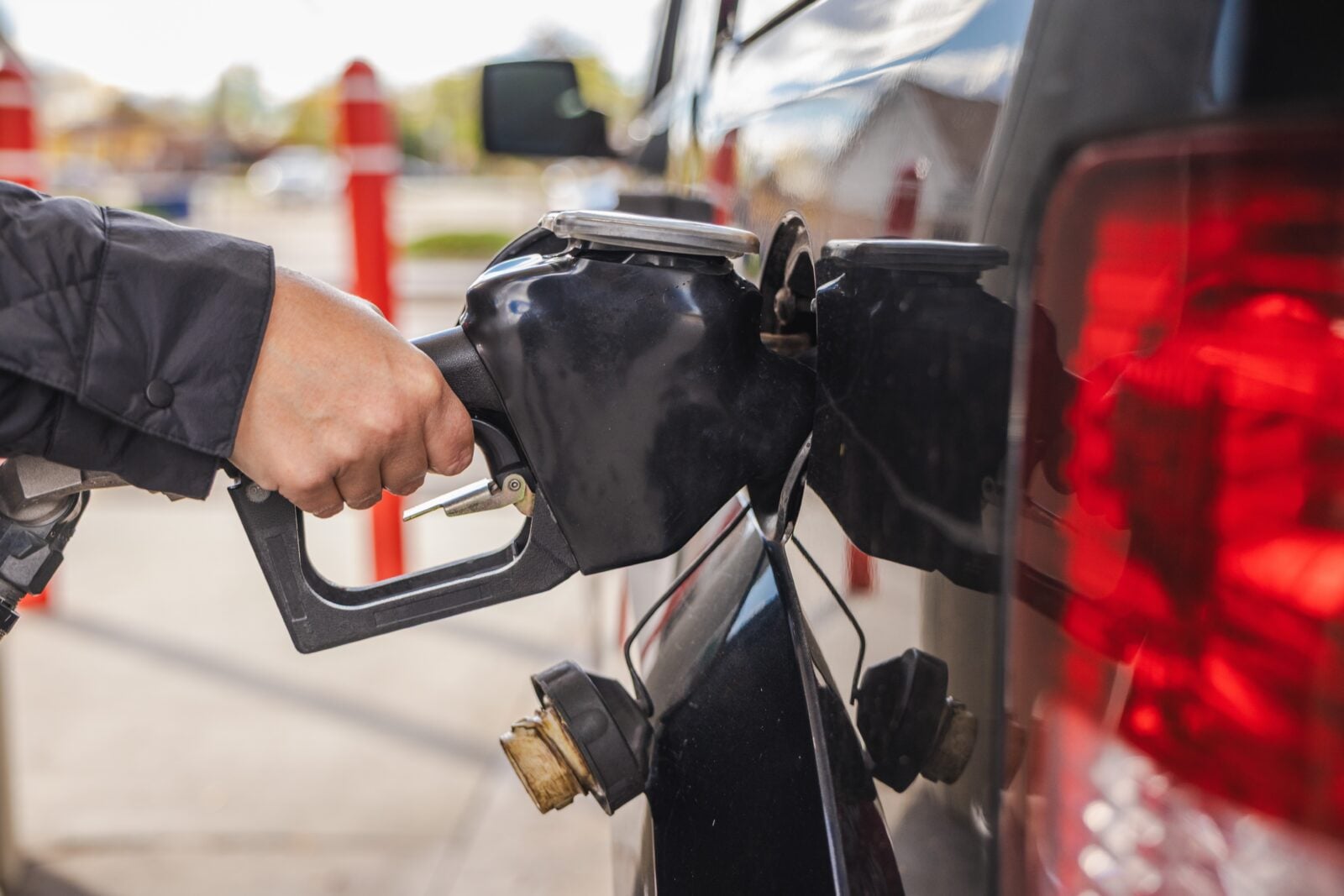
Gas has always annoyed drivers, but now it can ruin the mood before the day even starts. AAA reported that the national average for regular gasoline reached $4.55 per gallon on May 7, 2026, after rising 25 cents for the second straight week. That hurts commuters, school-run parents, delivery workers, and anyone who lives far from good public transit.
A single fill-up may pass quickly, but several fill-ups can quietly wreck a weekly plan. The pump now feels less like a stop and more like a budget checkpoint.
Healthcare bills sting

Healthcare should bring relief, yet the cost often brings a second headache. KFF reported that the average family premium for employer-sponsored health insurance reached $26,993 in 2025. That figure does not include every copay, deductible, prescription, specialist visit, or surprise bill that can follow.
Many families now delay appointments because they fear the bill as much as the diagnosis. A routine checkup should not feel like a luxury splurge, but medical costs keep pushing many Americans into careful choices.
College feels heavier

College still opens doors, but the price tag can make families pause at the threshold. Public schools cost less, but housing, books, food, transportation, and fees can still pile up fast.
Parents and students now treat college like a major investment, not a simple next step after high school. The dream remains alive, but the bill now asks harder questions.
Childcare strains parents

Childcare used to feel like support for working parents. Now it can feel like a second rent payment with snack time included. Care.com’s 2026 Cost of Care Report found that the average parent spends 20% of household income on childcare.
That number explains why many families juggle relatives, flexible hours, waitlists, and backup plans. Parents want safe care, steady work, and a little breathing room. Instead, many get a calculator, a calendar, and a very tired group chat.
Travel takes planning

A quick getaway once felt like a fun break from real life. Now, airfare, hotels, rideshares, snacks, baggage fees, and resort charges can turn a short trip into a major decision. U.S. Travel reported that its Travel Price Index rose 7.8% year over year in April 2026.
That means travel prices climbed faster than many families expected. People still crave rest, beaches, reunions, and girls’ trips, but they plan earlier and trim extras. The vacation did not disappear, but it now asks for more discipline before takeoff.
Dining out adds up

Dinner out once solved a long day with fries, laughter, and no dishes. Now the final bill can make the table go quiet for a second. The National Restaurant Association reported that menu prices rose 3.6% year over year in April 2026.
That may sound small, but tax, tip, drinks, delivery fees, and kids’ meals can add up fast. Many households now save restaurants for birthdays, date nights, and “we survived the week” moments. Cooking at home has made a comeback, even among people who hate chopping onions.
Clothing feels pricey
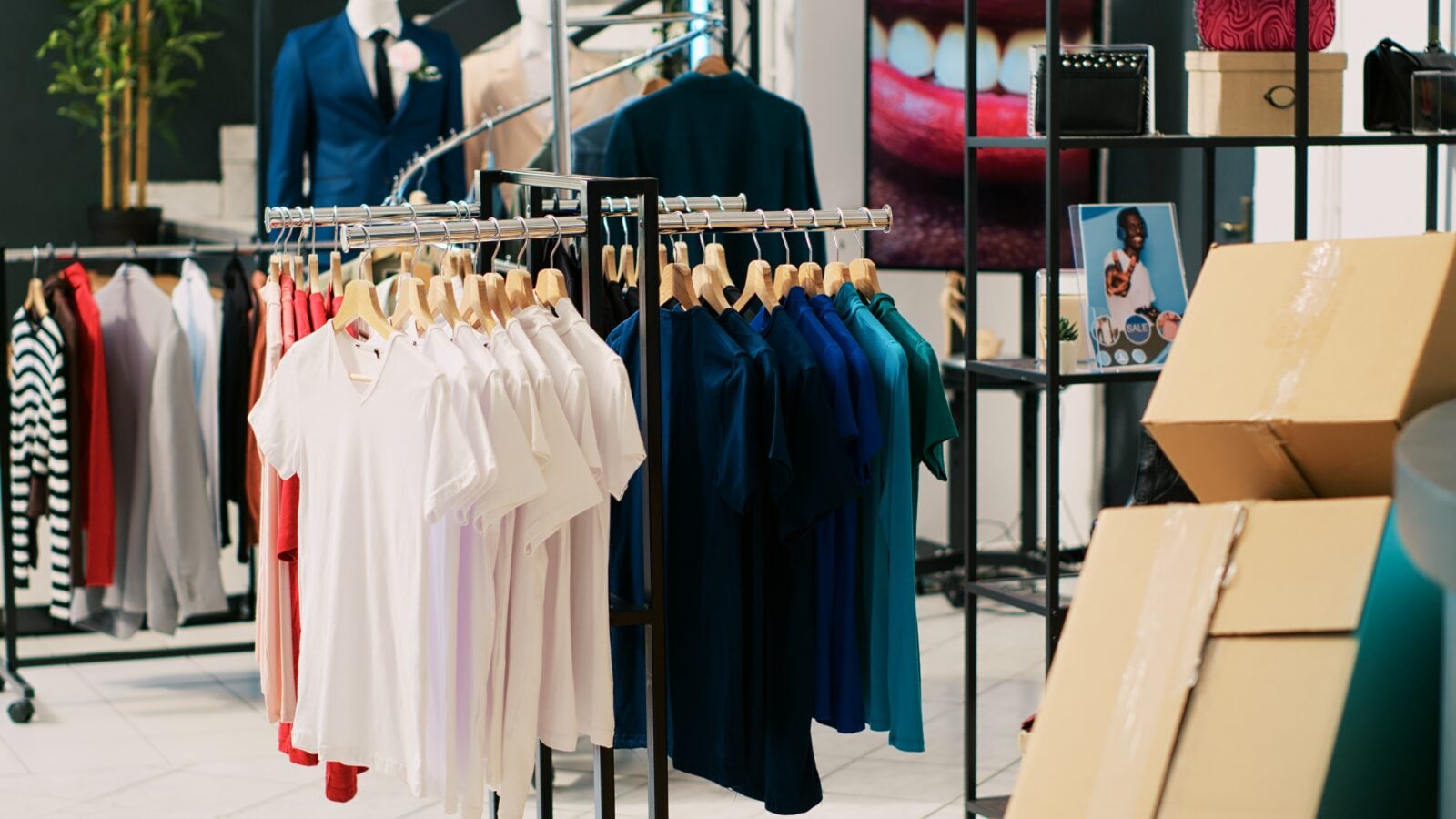
Clothing used to be one of the easier ways to refresh your mood. Now even basics can make shoppers blink twice. That monthly move matters because families still need work outfits, school clothes, shoes, bras, coats, and decent jeans that do not shrink after three washes.
Many shoppers now thrift, resell, repair, and wait for sales. The closet still needs attention, but impulse fashion feels less harmless than it used to.
Electronics carry premiums
A phone upgrade once felt exciting and maybe a little impulsive. Today, shoppers study specs, trade-in values, and payment plans as if they were preparing for a final exam. Gartner estimated that rising memory costs could increase PC prices by 17% in 2026.
That pressure affects laptops, phones, storage, gaming devices, and other tech people rely on for work, school, entertainment, and family life. Many buyers now keep devices longer and ignore shiny launches. The new color can wait until the old phone still answers calls.
Utilities keep climbing
Utility bills rarely get applause, but they always show up. Electricity, water, internet, heating, and cooling costs can quietly drain a budget month after month.
Families now watch thermostats, unplug gadgets, and compare internet plans. The home still runs, but the monthly bills keep asking for a bigger seat at the table.
Key takeaway
The big shift feels simple, but it hits hard. Many things Americans once bought with little stress now require planning, patience, and trade-offs. Groceries, housing, cars, healthcare, childcare, travel, dining, clothing, electronics, and utilities all compete for the same paycheck.
The smartest households now treat “ordinary” purchases with more intention. That does not mean giving up every treat. It means choosing what matters, timing purchases better, and refusing to let one expensive week bully the whole month.
Disclaimer – This list is solely the author’s opinion based on research and publicly available information. It is not intended to be professional advice.
Like our content? Be sure to follow us.