12 things people silently judge you for without saying
Have you ever left a conversation replaying everything you said, wondering what people actually thought about you afterward? Most of us have.
The strange thing about social judgment is that it rarely happens out loud. Nobody announces that your constant phone-checking annoyed them or that arriving late made you seem unreliable. Instead, people quietly form impressions in real time, often within seconds.
And those impressions stick.
Science News Today reports that people form first impressions in milliseconds, almost before you even finish your sentence. The good news? Most of these habits are surprisingly easy to adjust once you recognize them.
Here are twelve everyday things people silently judge far more than they admit.
Using Your Phone While Someone Is Talking

Few things make people feel less important than competing with a smartphone.
Even a quick glance at a notification can subtly shift the energy in a conversation. The other person instantly notices your attention drifting, and it often creates the impression that you’d rather be somewhere else.
What makes this tricky is that many people genuinely believe they can multitask socially. But conversations rarely feel warm or meaningful when someone is mentally split between a screen and the person sitting across from them. Most people won’t openly complain about it either. They’ll simply remember the interaction as disconnected.
Poor Eye Contact

Eye contact has a significant impact on first impressions because people instinctively associate it with trust and confidence. When someone constantly looks away, stares at the floor, or avoids engagement entirely, others often begin filling in the blanks themselves. They may assume nervousness, insecurity, boredom, or even dishonesty.
A report by McGill University shows that even brief eye contact strongly influences perceptions of trust and cooperation. The fascinating part is that weak eye contact does not reliably indicate lying, yet socially, people still interpret it that way all the time.
In interviews, meetings, and casual conversations, healthy eye contact quietly communicates presence and attentiveness. Interestingly, the goal is not to stare intently. Natural eye contact works best when it feels relaxed rather than forced.
Clothing and Personal Appearance

People form visual impressions almost instantly, long before a conversation properly begins. Clothing, grooming, posture, and even small details like shoes or wrinkles influence how others perceive competence and credibility.
Science News Today reports that people form first impressions in milliseconds, based on appearance alone. That means your outfit starts communicating before you even say hello.
This doesn’t necessarily mean expensive fashion matters most. In many cases, neatness and effort carry more weight than luxury brands. Someone wearing simple but clean, well-fitted clothes often appears more polished than someone dressed expensively but carelessly.
Talking Negatively About Other People

Constant gossip affects how people see you more than the person you’re talking about. When you regularly criticize coworkers, friends, family, or even strangers, listeners can’t help but wonder how you describe them when they’re not around.
A little complaining here and there is normal. But constant criticism is exhausting, and over time, people start associating your negativity with emotional immaturity, insecurity, or drama. Often, they quietly distance themselves, and you might never know why.
Grammar and Careless Messaging

People may claim they don’t care about typos, but repeated mistakes in texts, emails, and messages quietly shape perception. Sloppy communication is often associated with carelessness or a lack of attention to detail, especially in professional situations.
Based on a Frontiers in Psychology study, two spelling errors cut nearly 6 points from a writer’s trustworthiness score, and five errors knocked off more than 13 points. Personality also shapes those reactions. Some people forgive typos more easily than others, but repeated carelessness eventually catches almost everyone’s attention.
Because so much communication now happens digitally, writing style has become part of personal reputation. If you are messaging coworkers, responding on dating apps, or emailing clients, tone and clarity influence how competent you seem.
A single typo rarely matters. Constant rushed communication does.
Being Chronically Late

Most people forgive occasional lateness because life happens, traffic jams, delays, and emergencies affect everyone. The problem comes when you make being late part of your personality. Repeated tardiness quietly erodes trust because it signals that other people’s time matters less than yours.
Ironically, most people won’t confront you directly about habitual lateness. Instead, they lower their expectations. Friends stop relying on you, and coworkers start feeling irritated before meetings even begin.
Punctuality might seem like a small detail, but it actively communicates reliability and consideration, and people notice every time you show up late..
A Messy Home or Dirty Car

People often judge your personal space as a reflection of your habits and organization.
A cluttered kitchen, overflowing car, or chaotic living room makes them assume you’re careless or disorganized, whether you mean to send that message or not.
For example, 51% of people say a dirty car is an instant turn-off, and cleanliness is one of the first things they notice when they step inside. You can tell the difference between lived-in clutter and spaces that feel truly neglected, and so can everyone else.
Oversharing Personal Problems

There’s a big difference between being authentic and being emotionally overwhelming. You can build closeness by sharing personal struggles, but you can also make people uncomfortable when you unload too much too soon.
This often happens when you skip the natural pace of a new relationship. A new acquaintance doesn’t usually expect to hear detailed relationship drama, money stress, family conflict, or personal trauma five minutes into a casual chat.
People usually respond better when you let vulnerability grow gradually. It feels more balanced, more thoughtful, and more respectful of the emotional space between you and the person listening.
Loud Eating and Annoying Habits

Everyone has little habits you barely notice yourself. Unfortunately, other people notice them immediately. Loud chewing, slurping drinks, cracking gum, tapping your fingers, or sniffing repeatedly can irritate those around you in shared spaces.
Part of the reaction stems from misophonia, a condition in which certain sounds trigger strong emotional discomfort. Even if you don’t have that condition, social etiquette still matters. Your noisy habits signal how aware you are of other people’s comfort.
Most people stay polite about it, but they just silently lose patience.
Interrupting Conversations

Interrupting someone repeatedly makes conversations feel like competitions instead of collaborations. Even if you don’t mean to, cutting people off signals impatience or a need to dominate attention.
According to a Harvard report, men and women who interrupted more were rated as weaker leaders by peers and judges. Strong communicators do the opposite: they pause, listen carefully, and let others finish their thoughts.
Ironically, the people who listen best often come across as the most confident in the room. People remember conversations emotionally, and feeling ignored leaves a lasting impression.
Tipping Too Little

Tipping isn’t just about money; it’s about showing generosity, empathy, and respect. Even if you think tipping culture is outdated, others may silently interpret your behavior as a reflection of your character.
A Bankrate survey found that 63% of Americans hold negative views of tipping culture, yet poor tipping still invites silent judgment in restaurants, on dates, and at social gatherings. Servers notice it. Friends notice it. Your $2 skim on a $50 bill might say more about you than any words you speak.
Small moments with service workers reveal character far more clearly than most people realize.
Public Swearing and Crude Language
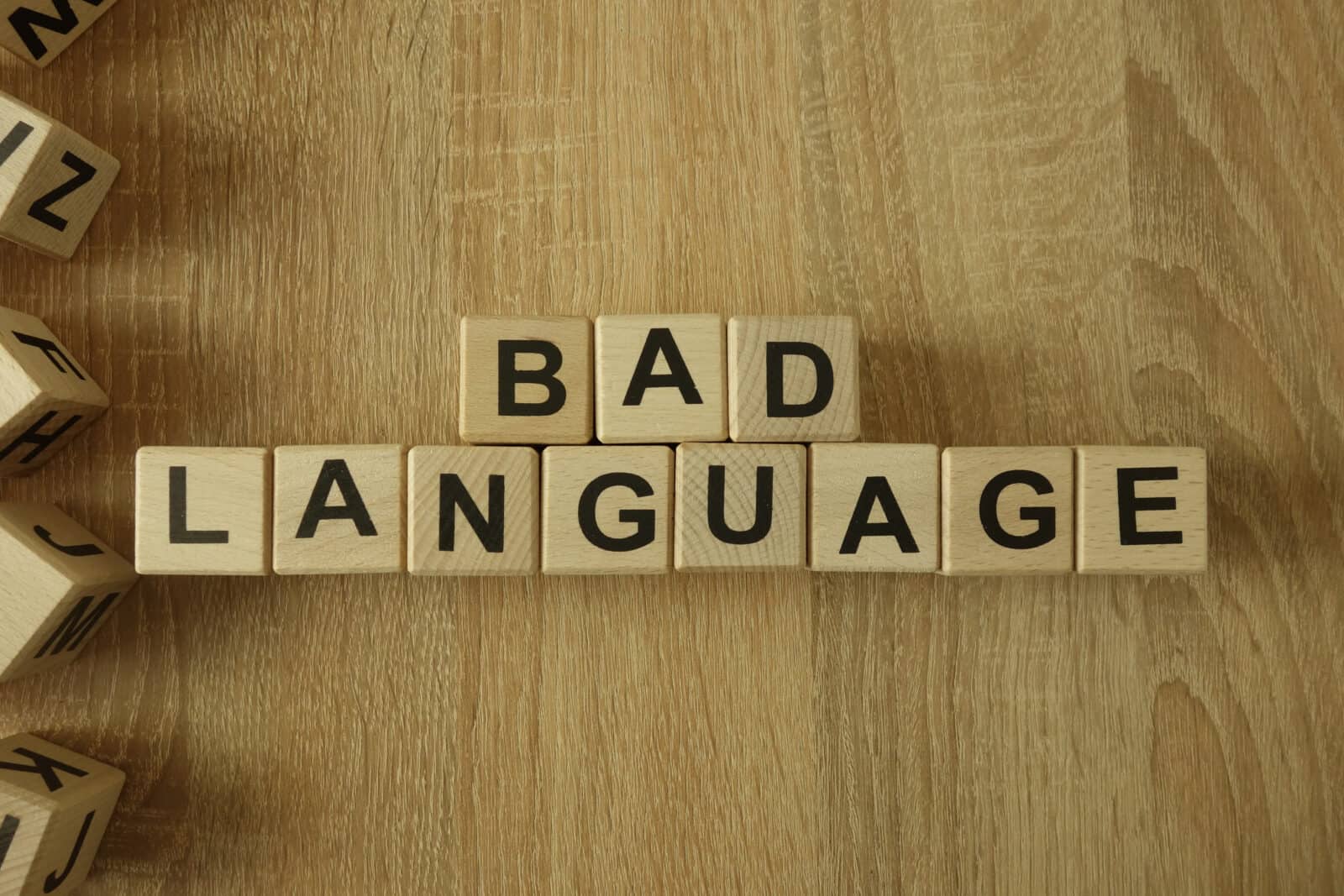
Language matters, and context changes everything. Swearing with close friends can be funny, but the same words in a meeting or professional setting can come across as immature or unprofessional.
That generational gap explains why reactions vary so much. Silent judgment often focuses on situational awareness: people respect those who know when language fits the moment, and when it doesn’t. Drop a word bomb at the wrong time, and the room may silently tally points against you.
Key Takeaways

Silent judgment is everywhere, and it often hits faster than you realize. People notice your habits, your attention, and your presence before you even speak. Small actions, from checking your phone to fidgeting or interrupting, send signals about your reliability, respect, and awareness of others.
Generational differences and context shape how your behavior is interpreted. What feels casual or harmless to you might annoy someone older, while younger peers may barely notice the same thing. Paying attention to timing, social cues, and etiquette helps you navigate these subtle judgments without overthinking every move.
The good news is that most of these judgments are controllable. Show up on time, mind your words, keep spaces and possessions tidy, and be mindful of noisy habits. By making these small adjustments, you preserve relationships, strengthen trust, and maintain authenticity, all while letting people see the best version of you.
Disclaimer – This list is solely the author’s opinion based on research and publicly available information. It is not intended to be professional advice.
Like our content? Be sure to follow us