12 common stereotypes about older adults that hold some truth
It turns out the “secret world” of aging is nothing like greeting cards suggest.
We have all heard the clichés. Some sound downright insulting, others overly sentimental, but many hide a fascinating grain of truth beneath layers of lazy assumptions. Separating fiction from reality is becoming more important than ever. According to the World Health Organization’s Aging and Health Fact Sheet, by 2030, one in six people worldwide will be aged 60 or older.
Those cheap jokes about “old people” are not just harmless banter; they shape how families, doctors, employers, and communities treat millions of real people every day.
Grandma might be the family’s tech support, the calmest person at Thanksgiving, and the one still working on Tuesday. Aging stereotypes clearly deserve a fresh look. Here is a lively, data-backed exploration of what still holds true, what completely falls apart, and what needs a serious rewrite.
Older adults can be happier

Think growing older means drowning in complaints? While many expect later life to bring non-stop negativity, older adults actually get much better at protecting their peace. This does not mean every senior feels like they are on a permanent beach vacation. Instead, decades of experience teach people to choose their battles, trim toxic drama, and enjoy daily routines with quiet confidence.
Aging undeniably brings hard losses, but it also delivers an unmatched emotional clarity that younger generations are still fighting to find. Turn the page to see which other assumptions about aging actually hold weight.
Memory loss is not automatic
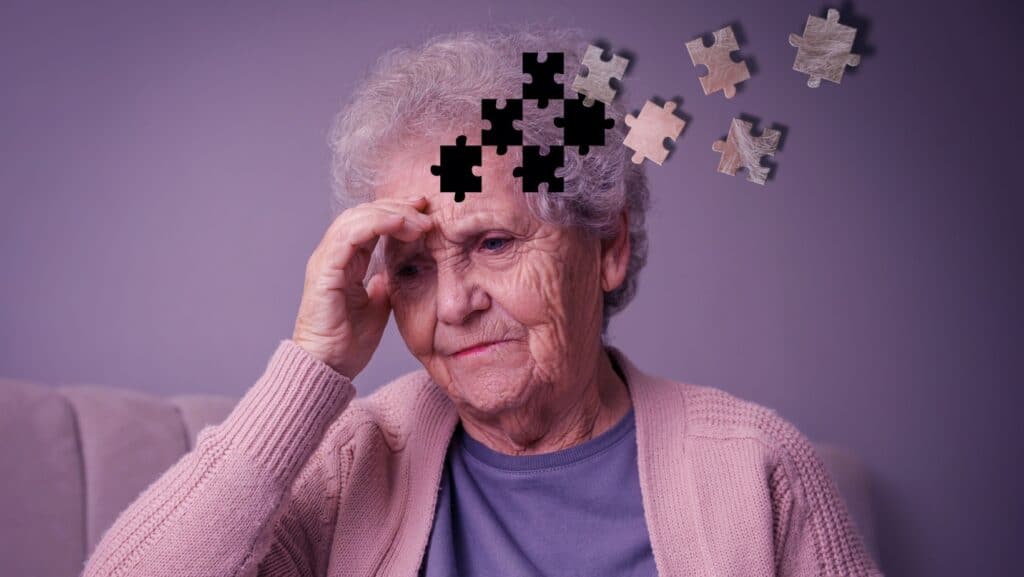
Think memory loss is a mandatory part of growing old? Think again. While this stereotype terrifies families whenever a grandpa forgets a name, your brain does not have an expiration date. Data from Harvard Health reveal that normal cognitive aging involves a slowing of processing speed rather than actual memory loss.
Millions of older adults effortlessly manage complex finances, intricate recipes, busy schedules, and family birthdays with razor-sharp accuracy. The grain of truth here lies in slower recall and a higher risk of dementia, not a guaranteed mental shutdown. A misplaced key signals normal distraction, but a pattern of daily confusion demands attention.
Frailty has many faces

Frailty has many faces. The belief that older age equals automatic weakness persists because bodies undeniably change over time: knees ache, balance shifts, and recovery slows. Yet, longitudinal data reveal a much brighter reality, neatly trimming the edges off this stubborn assumption. While physical vulnerabilities do increase, they tell only half the story.
older adults reclaim their vitality through daily walking, targeted rehabilitation, modified housing, and proper nutrition. They prove that aging isn’t a sudden cliff, but a manageable transition driven by the stubborn refusal to just sit down.
Technology still causes friction

The joke says older adults fear every password box and panic at every software update. Anyone who has helped a parent reset a streaming login knows how real the frustration can feel. Still, the numbers show far more skill than the stereotype allows. Data from the ConsumerAffairs Cell Phone Statistics Guide show that smartphone ownership among adults aged 65 and over is exactly 79%.
That means plenty of older adults text, bank, video chat, shop, and scroll like everyone else. The real issue often involves tiny buttons, confusing menus, scams, cost, and weak customer support, not some magical inability to learn. Good training can turn that fear into muscle memory fast.
Retirement money can run thin

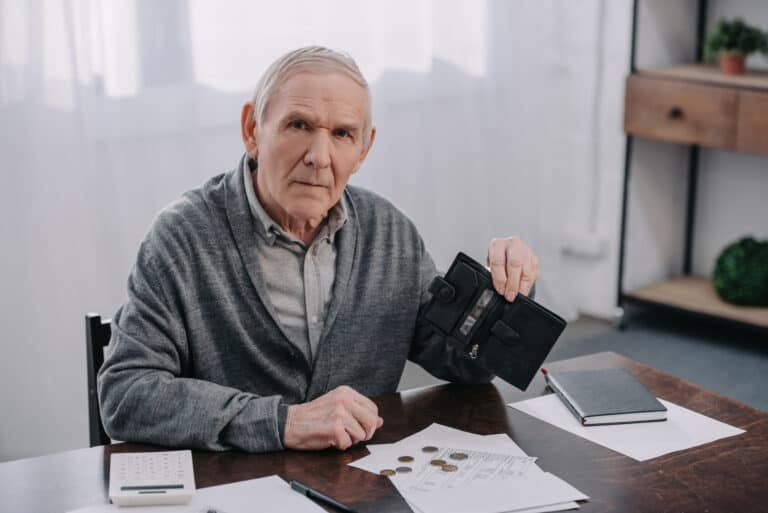
The wealthy retiree stereotype carries a glossy sitcom vibe: paid-off houses, cruises, and tidy pensions. While some older adults hold strong assets, a stark reality hides behind closed doors. Many face a brutal squeeze from inflation, rising prescriptions, and insurance costs. This financial anxiety hits women hardest, as they often outlive their partners after years of lower earnings and unpaid caregiving.
Retirement can look entirely comfortable from the outside while feeling incredibly fragile at the kitchen table. As living costs climb, the golden years are fracturing into a complex survival crisis that standard narratives completely ignore.
Work still has a pull

The idea that older adults want nothing but a rocking chair overlooks a major shift in American work life. Some keep working because they enjoy a sense of purpose, routine, coworkers, and spending money. Others keep going because bills do not care about birthdays.
AOL Finance reports that roughly 19.5% of Americans aged 65 and older are in the labor force, either working or looking for work. That gives the stereotype a twist. Many older workers want flexibility more than endless hours, and many bring patience, judgment, and people skills that younger teams quietly depend on. Retirement now often looks like a dimmer switch, not a light switch.
Change can feel slower

Change can feel slower, but there is some truth to the idea that older adults just need more time to form new habits. A new phone layout, a tech portal, or a fresh family boundary can feel annoying after decades of doing things another way. Still, slower adoption does not mean frozen thinking.
Older adults often embrace change once it respects their time and experience. It is not a refusal to adapt; it is practical navigation. They simply ask for clear instructions, good design, and a real reason to switch. Curious about which other aging myths actually carry a grain of truth?
Loneliness has real roots

This stereotype touches a real wound, but it paints with a too-wide brush. The World Health Organization notes that about one-third of older adults experience loneliness, while roughly one-quarter are affected by social isolation.
Some older adults enjoy packed calendars, church groups, volunteer shifts, fitness classes, neighborhood chats, and long phone calls. Others lose spouses, friends, mobility, hearing, or transportation, and that can shrink a world fast. That risk deserves serious attention, especially for widows and caregivers. Still, age itself does not isolate people. Poor transit, unsafe sidewalks, ageist spaces, and thin community programs often do the heavier damage.
Health systems do feel pressure

The idea that older adults are a burden feels unfair, yet aging populations undeniably stretch healthcare resources. As we age, our needs naturally shift toward frequent medication checks, specialized care, and extended recovery support. However, blaming seniors ignores systemic gaps. Stereotypes themselves inflate care costs by triggering stress and worsening health outcomes.
We must look past the drain narrative to see the complete picture. Older adults constantly fuel society through caregiving, mentoring, volunteering, and tax contributions, essential support systems that keep our communities afloat.
Faith often runs deeper

The religious older adult stereotype has some truth, especially in the United States. Many current seniors grew up in eras where church, synagogue, mosque, or temple life carried more social weight. That history still shows up in survey results. The Pew Research Center’s Religious Landscape Study reports that exactly 78% of adults aged 65 and older identify as Christian. That does not mean everyone becomes more religious at 70. It often means older generations carried earlier habits forward.
Younger Americans may age differently because they started adulthood with weaker ties to organized religion. The stereotype fits some households, yet it reflects history more than destiny.
Grumpiness gets overstated

The grumpy-elder stereotype makes for easy comedy, but real life looks much softer. Older adults certainly get irritated when pain, grief, or disrespect pile up. However, research indicates that many actually develop better emotional filters with time.
That does not erase mood struggles or the occasional sharp comment at dinner, but the constant grump image sells seniors short. Many simply learn what deserves energy and what deserves a polite eye roll. A sharper boundary can look like an attitude when it actually protects peace. Beneath the surface, this shift reveals how aging alters our minds.
Ageism still gets a pass
This stereotype, sadly, comes closest to the truth. People often mock older adults in ways they would never use against other groups. They call them slow, confused, out of touch, too needy, too rich, too poor, too fragile, and somehow too powerful at the same time.
The World Health Organization estimates that roughly 1 in 2 people worldwide hold ageist attitudes toward older people. That is not harmless banter. It can affect hiring, medical care, housing, family decisions, and daily dignity. The bright spot is simple. Once people notice ageism, they can stop treating it like a punchline and start treating older adults like full human beings.
Key takeaway

The big truth is simple. Many stereotypes about older adults contain a tiny seed of reality, then grow into a wildly unfair weed. Aging can bring memory changes, financial stress, health needs, increased risk of loneliness, and slower adaptation. It can also bring sharper priorities, deeper faith, stronger emotional balance, new tech habits, paid work, volunteering, and stubborn independence.
The data does not ask readers to romanticize aging. It asks us to stop flattening older adults into one lazy cartoon. The better question is not what older people are “like,” but what support lets more people age with choice, dignity, humor, and a little sparkle.
Disclaimer – This list is solely the author’s opinion based on research and publicly available information. It is not intended to be professional advice.
Like our content? Be sure to follow us.