12 Things to Stop Carrying in Your Wallet After 50
As we move past age 50, our financial lives often get more complex: pensions, health insurance, long-term savings, and legacy planning become more central. But staying safe doesn’t just mean keeping your money secure; it also means minimizing the risk that your identity or personal data gets compromised. Wallet hygiene—being intentional about what you carry—is an often-overlooked layer of security.
People over 50 are significant targets for identity theft. In fact, the FTC has documented that for people over 60, credit-card fraud is the leading form of identity theft, with more than half of victims in that demographic reporting that new accounts were opened in their name or existing ones taken over.
Here are 12 items you should seriously consider removing from your wallet, along with why they’re risky and what you can carry instead.
Social Security Card (or Equivalent National ID)
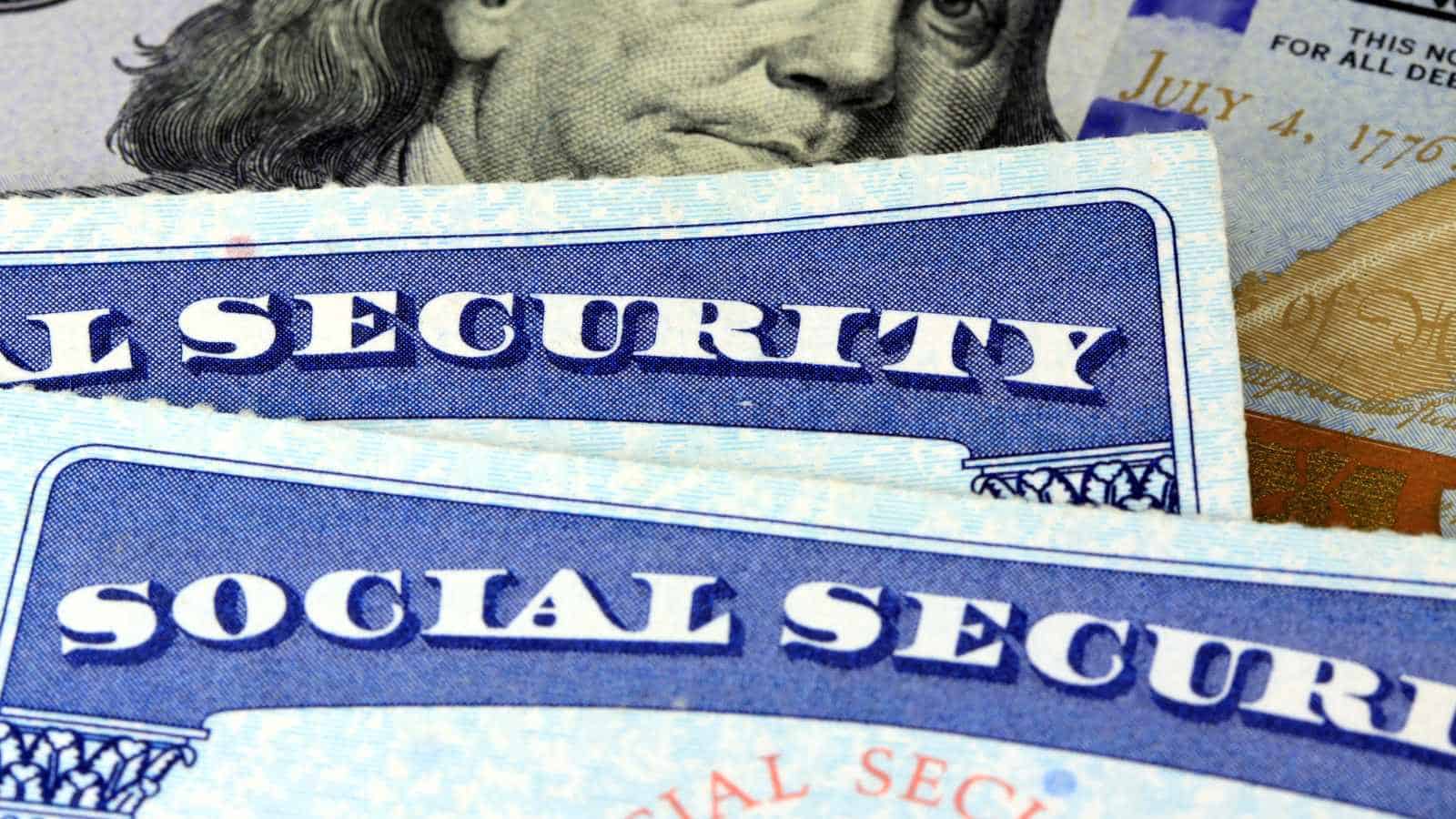
Your Social Security number (SSN), or your country’s national ID number, is a core cornerstone of your identity. If someone gets hold of it, they can open credit accounts, file fraudulent tax returns, or gain access to other sensitive services. The FTC’s testimony notes that among older identity theft victims, credit card fraud is widespread.
Leave your SSN card in a fireproof safe at home, and carry a non-sensitive ID (like a driver’s license or state ID) for day-to-day use.
Passport Card or Birth Certificate Copy
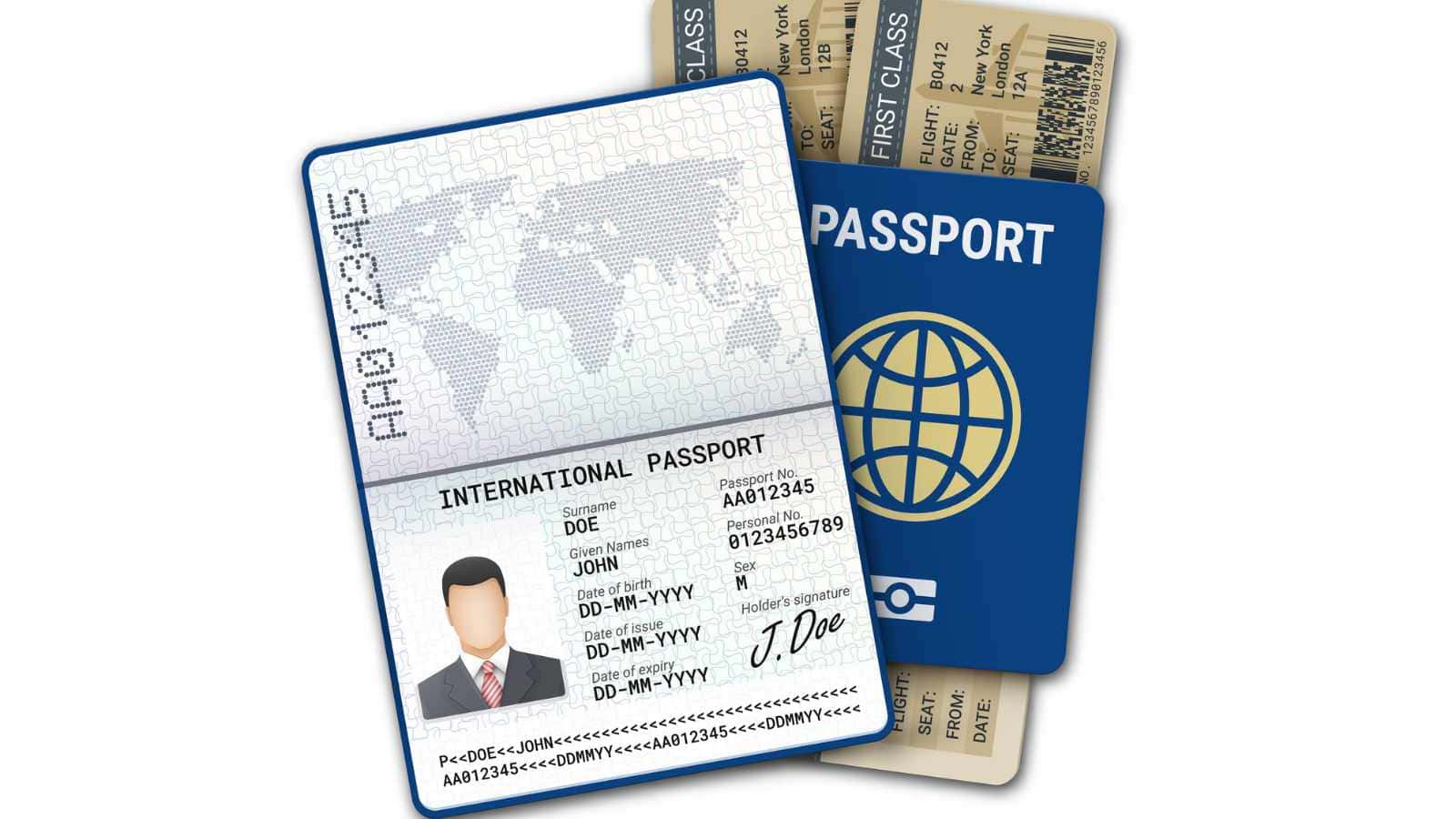
Though not as immediately valid for daily transactions, carrying foundational identity documents like a passport card or birth certificate is risky. These could help a determined criminal assemble a complete identity profile.
Keep these documents stored securely in a home safe or locked filing cabinet. For travel, carry the actual passport, but avoid carrying extra copies of the birth certificate.
Too Many Credit & Debit Cards
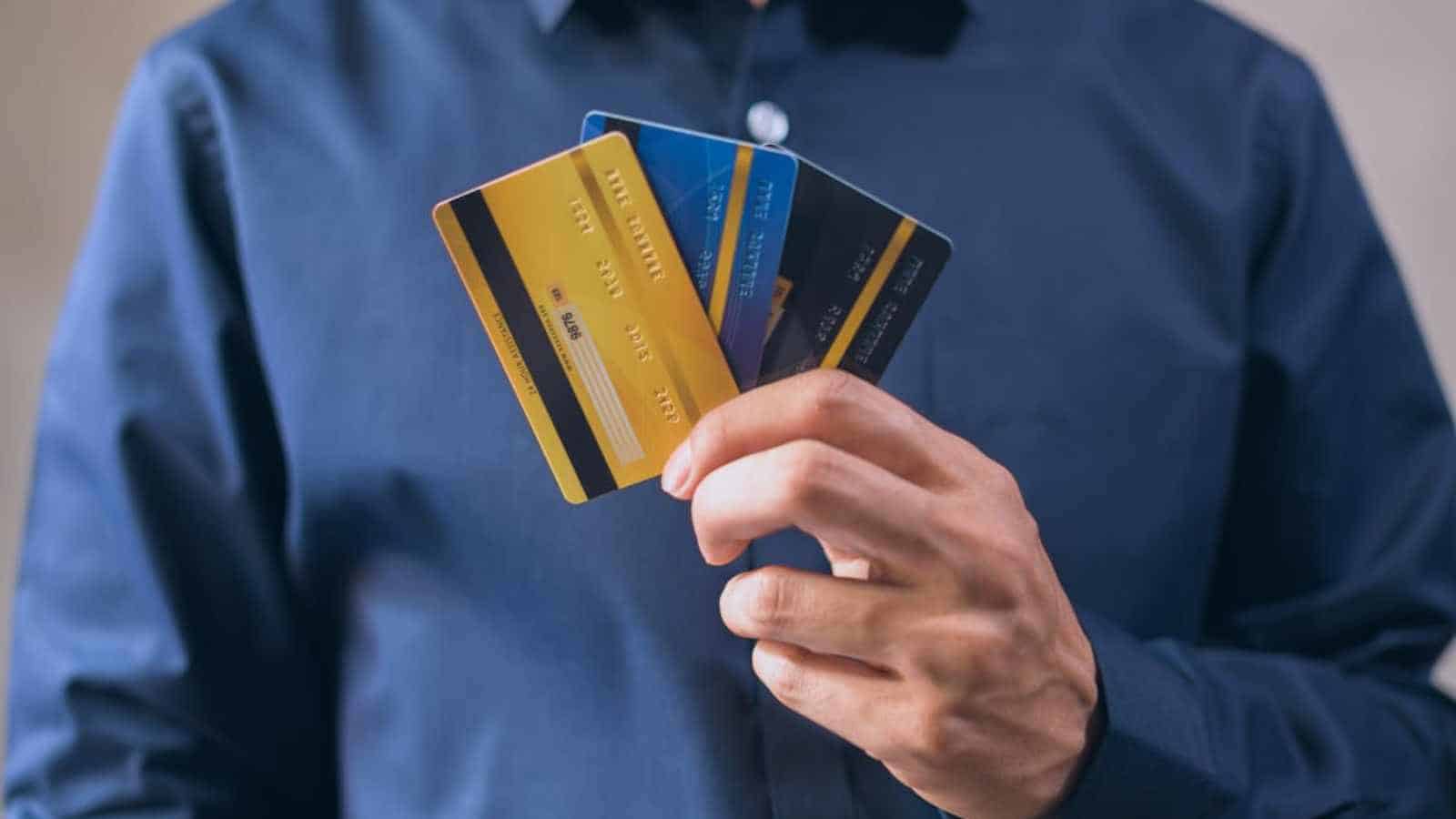
Multiple cards mean more exposure. If someone steals your wallet, they get access to several accounts. For those over 50 with long-standing credit relationships, a breach can be exceptionally costly. The FTC has noted that older identity theft victims disproportionately report credit card fraud.
Adopt a two-card strategy — one primary card for everyday use, and a backup held safely at home. Consider contactless payments via smartphone or watch to reduce the number of physical cards you carry.
Checkbook or Blank Checks
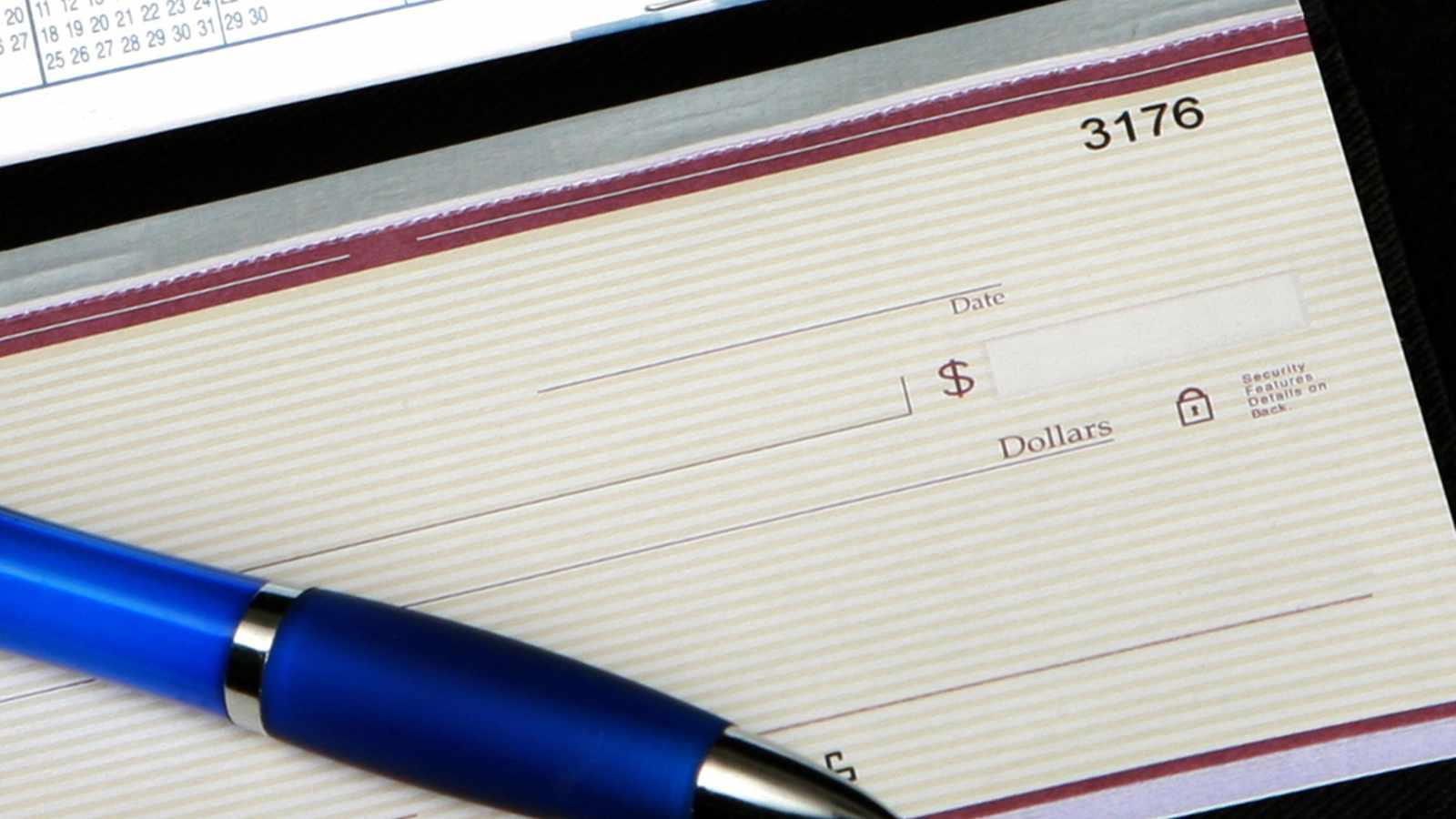
Checks contain a lot of sensitive financial information: your routing number, account number, and often your name and address. Fraudsters can use “check washing” (the chemical removal of ink) to forge checks.
Use online bill pay or autopay for recurring expenses. If you must carry checks, keep only the ones you need and store the rest securely.
Full Medicare or Health Insurance Card

Medical identity theft is a growing concern. Scammers can use your Medicare or insurance number to receive services, submit false claims, or order prescription drugs in your name. According to AARP, victims have reported average resolution costs of $13,500, because, unlike credit card fraud, medical identity fraud isn’t always covered by the same protections.
Carry a copy of the front of your card, but hide or mask the ID number (or write “see safe” on a small note). Keep the original stored safely at home.
Written Lists of Passwords or PINs
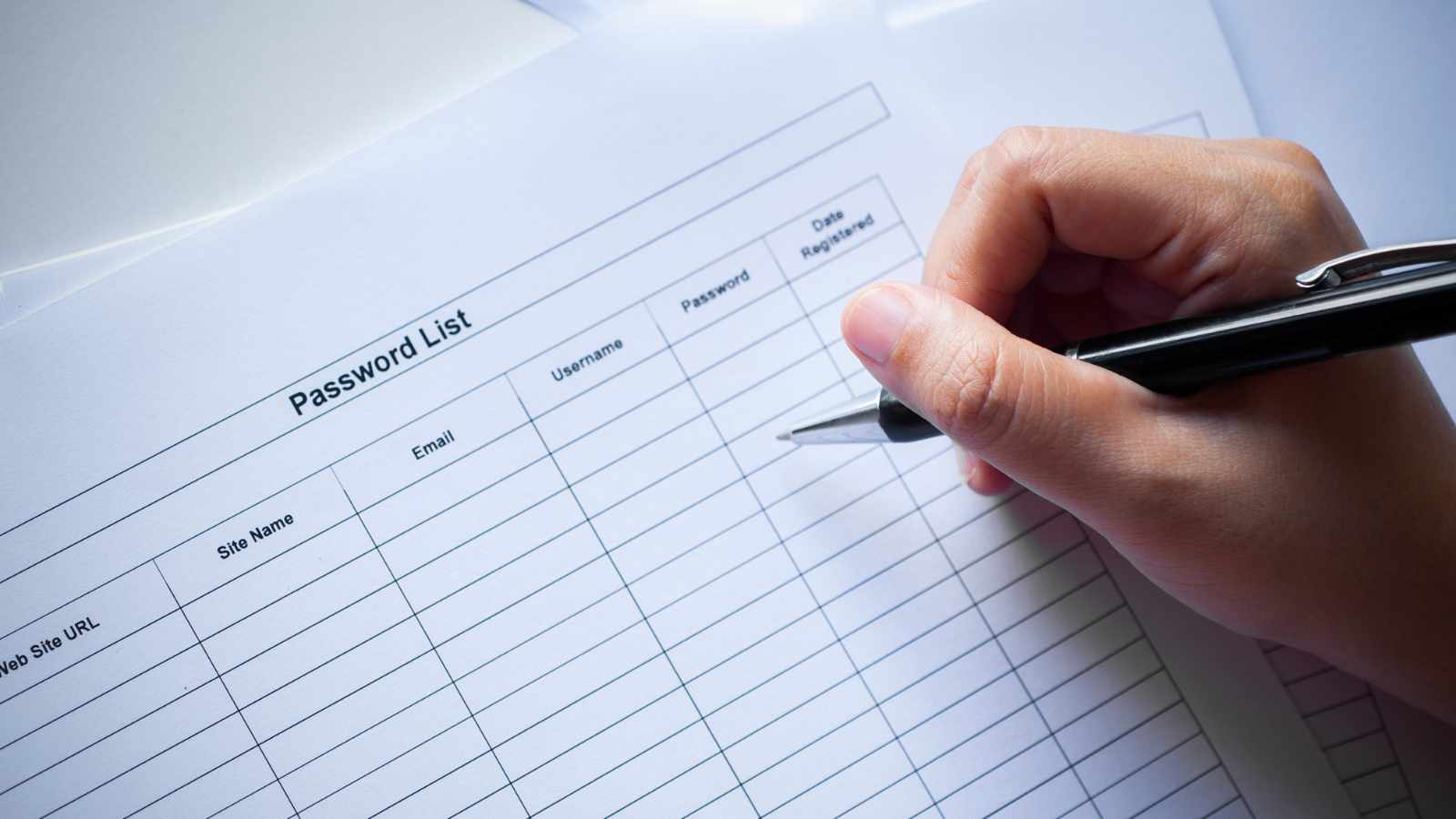
It’s common, especially as passwords proliferate, to jot them down or write them in a notebook inside your wallet. But if someone finds your list, they could compromise not just your financial accounts, but your email, health portals, and more.
Research shows that PINs are infrequently changed and often reused, even when people suspect compromise.
Use a password manager (many are free) to securely store your login credentials. Memorize your most critical PINs and update them regularly. Avoid writing them down.
Gift Cards & Store Credits

Gift cards aren’t just small amounts of cash; they can be easy targets for criminals. Once someone has a gift card number, they can drain its value, and many issuers don’t offer the same fraud protections as banks.
Register your gift cards (if the issuer allows) so that you can recover any unused balance if the card is lost or stolen. Keep only a few in your wallet and avoid carrying ones with large balances.
Excess Cash

Carrying a lot of cash feels tangible and secure, but cash theft generally has no recourse: once it’s lost, it’s gone without a trace. In contrast, digital transactions can be monitored, disputed, or reversed (sometimes).
Limit yourself to a small daily cash amount, or rely on cards and digital wallets. Use online tools to track your spending.
Receipts with Personal Identifiers
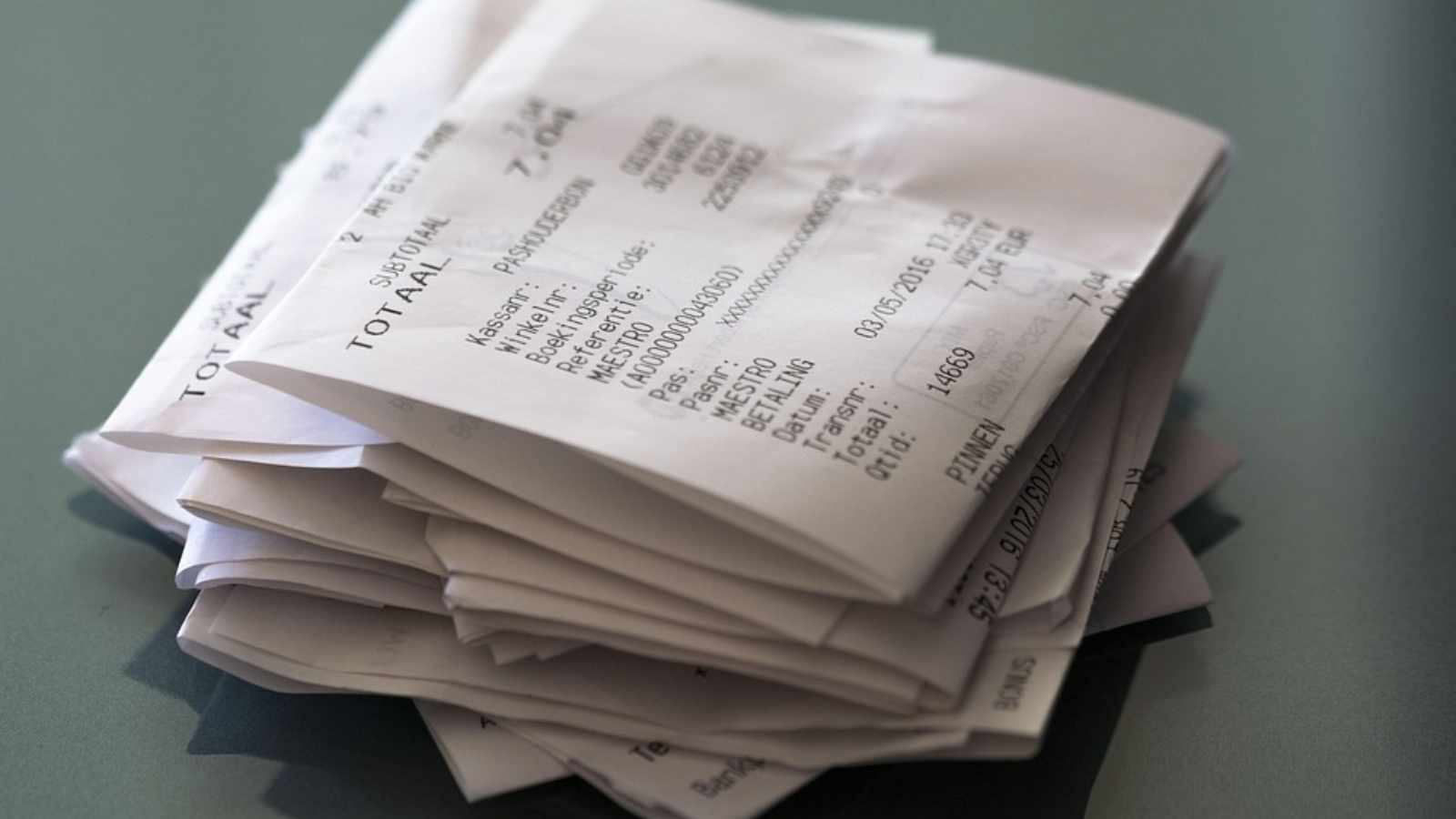
Many store receipts contain sensitive information: the last four digits of your card number, loyalty program ID, and transaction IDs. These scraps of paper can be used to piece together patterns or to carry out phishing attacks.
Under U.S. law (Fair and Accurate Credit Transactions Act), merchant receipts should only show the last five digits of your card number.
Immediately shred or discard receipts after reviewing them. Use a small shredding bin or a cross-cut shredder at home.
Hotel Key Cards (Especially Unreturned Ones)
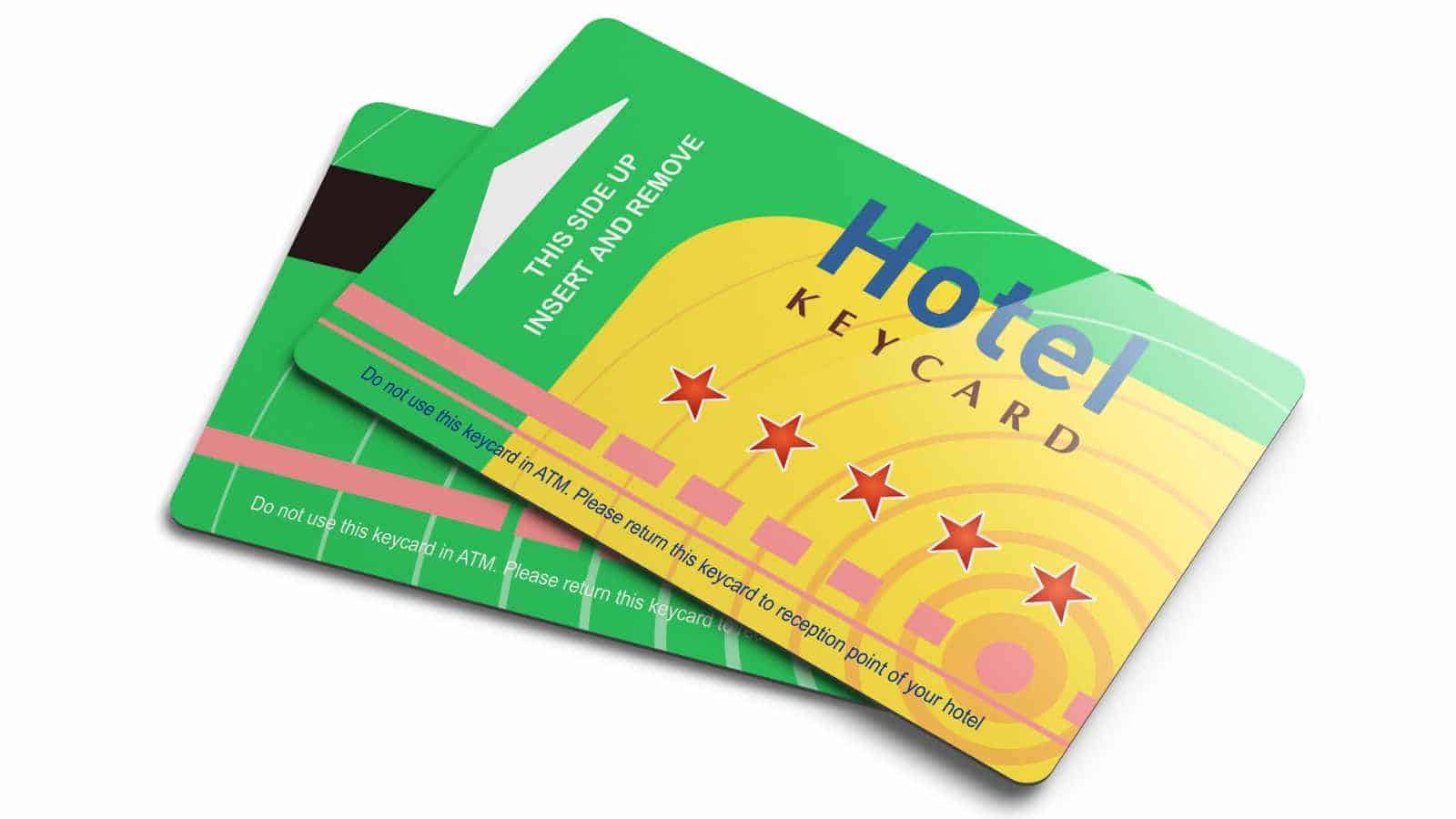
Some people fear that hotel key cards store sensitive data. The good news: modern key cards rarely store personal credit information. Most card systems store only a serial number, a room number, and an expiration date.
However, because of their wireless RFID capability, there is a theoretical risk of signal interception or cloning, especially in older or poorly secured systems.
Return your key card at checkout. If you forget, call the hotel and ask them to deactivate it. Keep your wallet organized so the card doesn’t remain in a forgotten slot.
Loyalty Cards / Frequent Shopper Cards
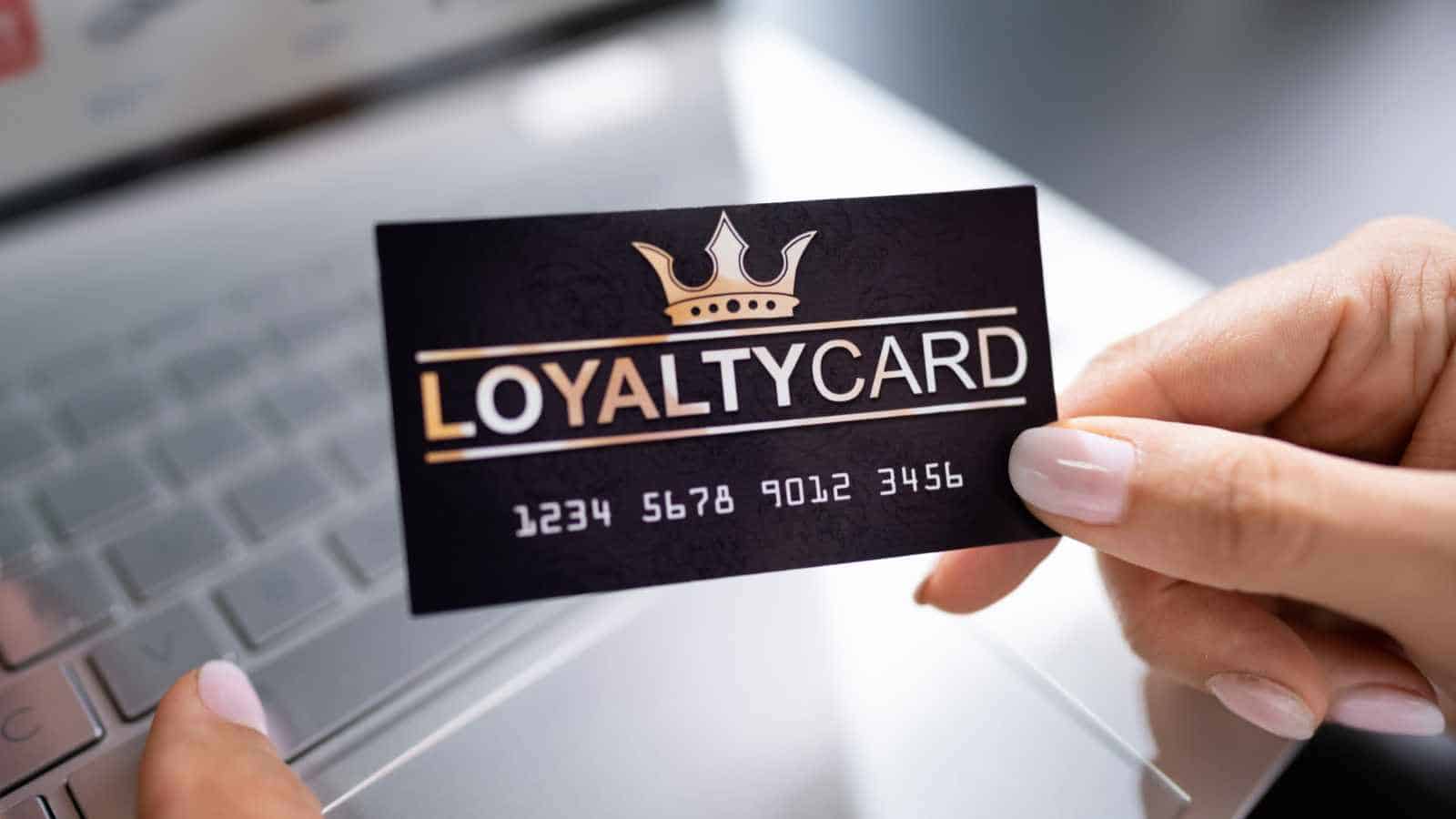
Loyalty cards might seem harmless, but many track detailed personal and behavioral data: how much you spend, where you shop, and what you buy. If the loyalty program’s database is ever breached, that data could be used for identity theft or profiling.
Moreover, fraudsters may exploit loyalty accounts: GetSafeOnline advises treating these cards with the same care as bank cards.
Carry only the loyalty cards you use frequently. Remove or deactivate inactive ones. Use digital versions on your phone when possible and avoid sharing their details unnecessarily.
Unnecessary Membership Cards, Coupons, & Personal Notes
Many of us carry bulky membership cards, printed coupons, or handwritten notes (like doctor appointments or account numbers). Over time, this clutter increases the risk — the more items in your wallet, the higher the chance of losing something valuable or personal.
Digitize membership and loyalty cards with secure apps, store coupons in a digital wallet instead of carrying paper versions, and limit handwritten notes to essential reminders, using secure digital note tools for sensitive information like account numbers or appointment details.
Key Takeaways

Clearing your wallet of unnecessary or risky items isn’t just about being minimalist; it’s about protecting your financial life and identity. For those over 50, the stakes may be higher: you may have more assets, and recovery from identity theft may be more difficult.
Beyond the general risk of identity theft, older adults face unique vulnerabilities. According to Britannica, while younger people may report more fraud cases, seniors often lose far more money: in 2022, older adults lost over $3.1 billion to fraud, compared with younger demographics.
A wallet isn’t just a place to store money — it’s a vault for your identity. Treat it accordingly.
Disclosure line: This article was developed with the assistance of AI and was subsequently reviewed, revised, and approved by our editorial team.
20 Blunders That Keep Poor People Poor (And How To Escape the Cycle)

20 Blunders That Keep Poor People Poor (And How To Escape the Cycle)
Poverty’s a stubborn old mule. And like an old mule, it can take some serious prodding to get it moving. But often, we unknowingly sabotage our efforts to kick poverty to the curb. Here are 20 blunders that keep poor people poor and how to escape the cycle.
Stop Throwing Your Hard-Earned Cash Down the Drain on These 20 Pointless Money Pits!

Stop Throwing Your Hard-Earned Cash Down the Drain on These 20 Pointless Money Pits!
Ever feel like your wallet has a hole that’s leaking dollars? Have you been searching your couch for lost change or eyeing your piggy bank with a hammer in hand? Well, get ready to put that hammer down. You might be throwing your hard-earned cash down the drain on these 20 pointless money pits. Curious? Welcome to our wake-up call!