13 things boomers experienced growing up that young people will find hard to believe today
The childhood that shaped the Baby Boomers now reads less like recent history and more like a survival story from another era.
The generational gap often feels like a canyon when we compare the daily lives of Baby Boomers to the digital existence of modern youth. Back then, safety standards were merely suggestions, and independence was handed out like candy on Halloween to children who barely reached the doorknob.
Looking back, it is genuinely surprising that an entire generation survived without GPS tracking, organic snacks, or constant adult supervision during their waking hours. These thirteen experiences define a bygone era of grit and freedom that might seem absolutely terrifying or impossible to those born in this century.
Getting Chickenpox On Purpose
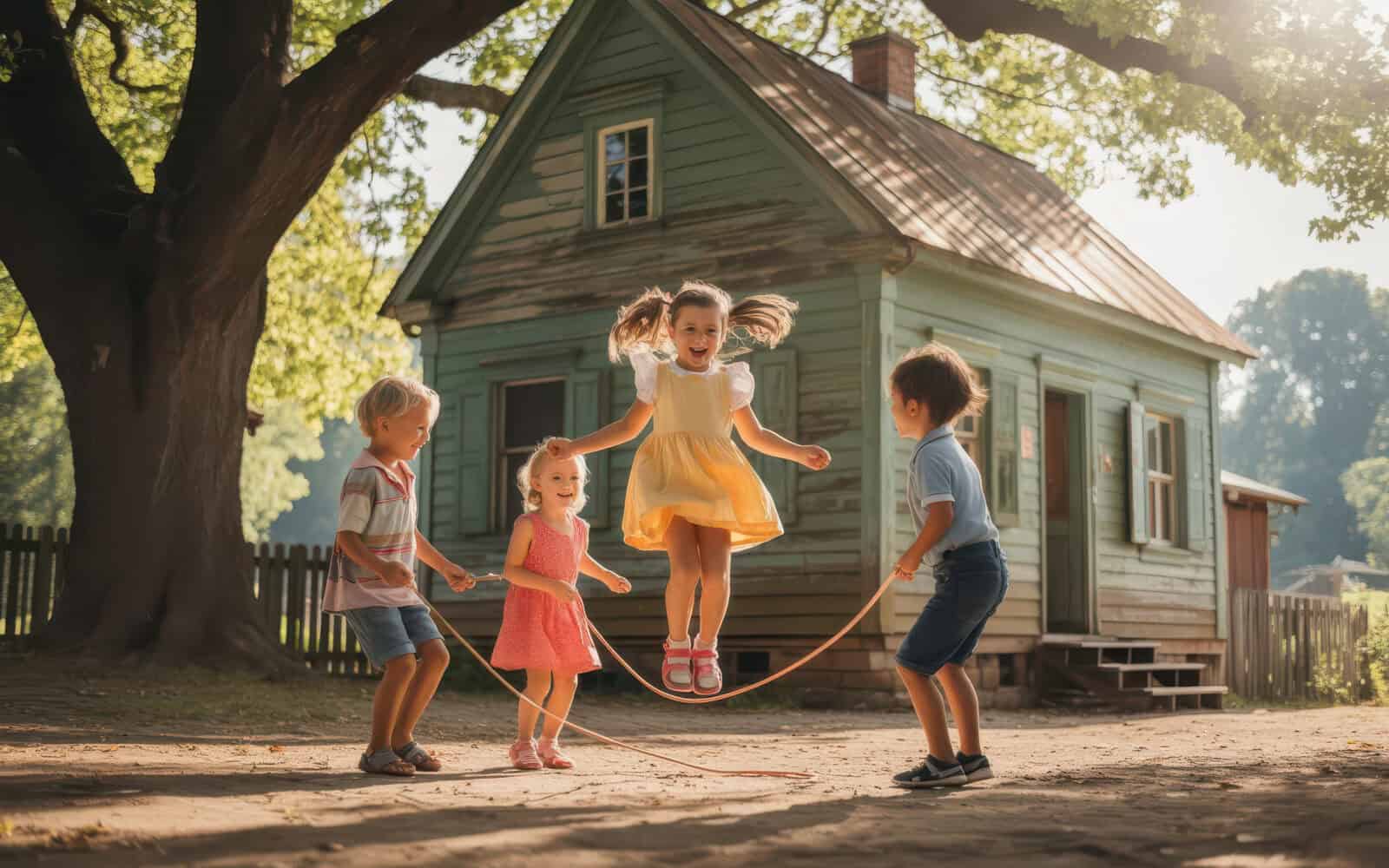
Parents in the past did not run away from this highly contagious virus but actually organized gatherings to make sure their kids caught it early. It was common practice to send healthy children over to a sick friend’s house to get the infection over with before adulthood.
This sounds dangerous now, but it was the standard approach before medical science offered a better alternative for immunization. According to Liv Hospital, from 2026, the vaccine program has dropped cases from over 4 million annually in the pre-1995 era to fewer than 350,000 today.
Cigarettes In Hospitals And Offices

There was a time when lighting a cigarette in a doctor’s waiting room or at a desk was considered perfectly normal behavior for adults. The haze of smoke was an unavoidable part of daily life, filling airplanes, restaurants, and even grocery stores.
Nobody blinked an eye if a teacher smoked in the faculty lounge or if a patient puffed away while recovering in a hospital bed. The CDC reported in 2025 that cigarette smoking rates among U.S. adults had plummeted from 42.4% in 1965 to just 11.6% in 2022.
The Dangerous Freedom Of Hitchhiking
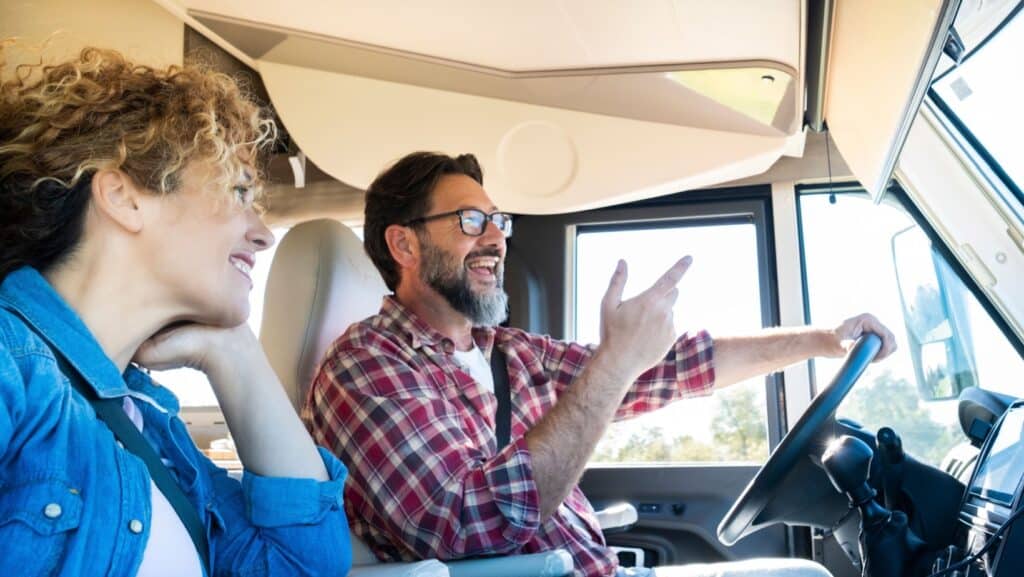
Sticking a thumb out on the side of the highway to catch a ride with a stranger was a primary mode of transport for many young people. College students and soldiers frequently traveled across the country, relying entirely on the kindness of passing drivers.
We view this now as a recipe for disaster, but it was viewed then as an adventurous and budget-friendly way to see the world. Trust in fellow citizens was high enough that getting into a car with someone you did not know was a routine Tuesday activity rather than a cautionary tale.
Riding In The Bed Of A Pickup Truck

Safety regulations for vehicles were incredibly loose, and piling into the back of a pickup truck was a summer highlight for many kids. Wind whipping through your hair while you bounced around on the metal floor was considered fun rather than a serious traffic violation.
Today, the idea of transporting children without restraints at highway speeds would result in immediate legal action and parental panic. In stark contrast to those days, the U.S Department of Transportation reported that seat belt usage reached a record 91.2% in 2024.
Buying A Home Cheaply

One of the most shocking differences is the sheer affordability of property that Boomers enjoyed compared to the current market. A single income was often sufficient to purchase a three-bedroom house, support a family, and still save for retirement.
Young people today face a market where property ownership feels like an impossible dream rather than a guaranteed milestone of adulthood. Zoocasa 403 reported in 2025 that while median family income rose 1,478% since 1965, new home prices skyrocketed by a staggering 1,975% in the same period.
The Latchkey Generation

Millions of children wore house keys around their necks and let themselves into empty homes after school every single day. These kids were expected to fix their own snacks, start their homework, and stay out of trouble until their parents returned from work.
There were no text messages to check in and no security cameras to monitor their movements from the office. This level of autonomy built resilience, though it also meant dealing with fears and emergencies without any immediate adult help.
Paper Maps And Getting Truly Lost

Driving somewhere new meant wrestling with a giant, folding map that never seemed to go back into its original creases. Getting lost was a genuine possibility that could add hours to a trip and lead to arguments between the driver and the navigator.
You had to pull over at a gas station to ask a local for directions if you missed a turn or if the road signs were confusing. There was no soothing robotic voice to reroute you, just your own wits and a piece of paper.
Memorizing Phone Numbers

If you wanted to call your best friend or your grandmother, you had to know their number by heart or look it up in a physical book. Your brain served as a personal contact list, holding dozens of seven-digit combinations for every important person in your life.
Losing your address book was a minor catastrophe that could cut you off from your social circle until you rebuilt it. Today, few people can recite more than two or three numbers, as our devices handle all the memory work for us.
Waiting Days For Photos

Taking a picture was a gamble because you could not see the result until you finished the roll and paid to have it developed. You had to wait several days to find out that your thumb was covering the lens or that everyone had their eyes closed.
The anticipation of picking up an envelope of prints from the drugstore was a specific kind of excitement that young people will never know. Every shot cost money, so people were far more selective about what they photographed compared to the digital age.
Three TV Channels And No Remote

Television was a communal activity dictated by a strict schedule and a very limited selection of networks. If you wanted to change the channel, you had to physically get up, walk to the set, and turn a dial.
There was no binge-watching or pausing the show to get a snack; if you missed an episode, you simply missed it. You watched what was on, often sitting through content you did not like just because it was the only option available.
The 18 Percent Mortgage Rates

While houses were cheaper, Boomers faced interest rates in the early 1980s that would make a modern borrower faint on the spot. Homebuyers had to budget carefully when financing a home meant paying double-digit interest to the bank.
The financial landscape was volatile in a different way, forcing families to make hard choices about their spending. Bankrate noted in 2025 that the typical monthly mortgage payment hit $2,207 in 2024, doubling in just four years, showing the different financial strain young buyers face now.
No Internet Or Instant Answers

If you had a question about history or science, you had to go to the library and hope the encyclopedia was not checked out. There was no device in your pocket to settle debates instantly or provide facts on demand.
Research required physical effort and patience, often involving card catalogs and microfiche machines. You had to be comfortable with not knowing the answer to something immediately, a feeling that has become foreign in our connected age.
Drinking From The Garden Hose

Hydration did not come from a filtered, insulated bottle but from a rubber tube lying in the sun on the front lawn. Kids would line up to take turns drinking metallic-tasting water while playing outside for hours on end.
It was the standard refreshment break during a long day of kickball or tag in the neighborhood. Gallup data from 2025 shows only 29% of Americans now rate their mental health as excellent, perhaps missing the simpler, carefree days represented by that garden hose.
Like our content? Be sure to follow us.