13 things teachers wish parents would stop doing
Teachers adore your kids, but there are a handful of well-meaning parent habits that quietly make them want to bang their heads on the desk.
Teachers are the unsung heroes of the classroom, juggling lesson plans and emotional support while trying to keep twenty students from climbing the walls. They love your children deeply, but there are specific habits that make their already difficult jobs significantly harder every single day. We know you want the best for your kids, but sometimes good intentions miss the mark completely.
While most parents mean well, even the best intentions can backfire when they disrupt the delicate balance of a learning environment. Reading this list might help you avoid becoming the parent who makes the teacher sigh when they see your name pop up.
Oversharing On Social Media

Teachers cringe when they see sensitive classroom issues aired out on Facebook for the whole neighborhood to judge and comment on. If you have a problem with a grade or a policy, please handle it directly with the school rather than posting a rant online.
It creates a hostile environment that spreads misinformation faster than a cold in a kindergarten classroom. For some teachers, technology may have made communicating with parents more difficult due to boundary issues.
Making Excuses For Bad Behavior

You may think your kids are angels, but refusing to believe your child could ever act out hinders their emotional growth. When a teacher calls home, try to listen with an open mind instead of immediately jumping to your child’s defense.
Kids act differently at school than they do at home because they often test boundaries they would never cross with you. Holding them accountable now instills in them the responsibility that will serve them much better than a lifetime of free passes.
Sending Sick Kids To School
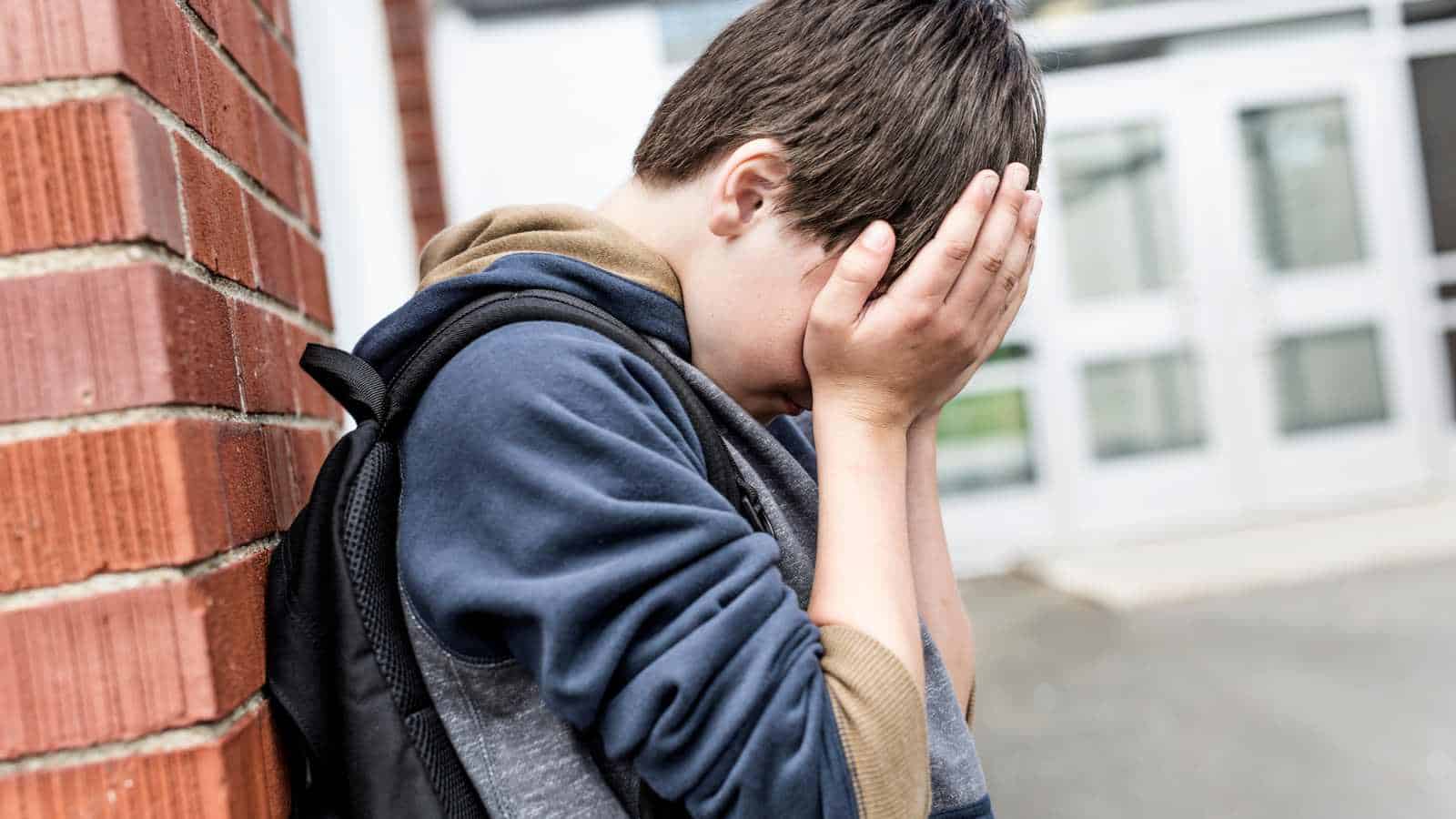
We know it is hard to take time off work, but dosing a feverish child with ibuprofen and sending them to class is unfair. That medicine will wear off by lunch, leaving your child miserable and the rest of the class exposed to germs.
Sickness sweeps through schools like wildfire, and one sick child can take down an entire department of teachers. According to a C.S. Mott Children’s Hospital poll, only 54% of parents report considering not sending a child to school when they suspect the child is contagious.
Skipping The Homework Check

You do not need to do the algebra for them, but you should definitely know if they actually turned the assignment in or not. Teachers can tell instantly when a parent is totally checked out of the academic loop.
A quick glance at the planner or online portal saves everyone a headache when report cards finally arrive in the mail. It shows your child that you value education and keeps small missed assignments from snowballing into a failing grade.
Expecting Instant Email Replies

We live in a culture of instant gratification, but teachers are teaching during the day and cannot respond to emails immediately. Expecting a reply within an hour places unrealistic pressure on educators who are busy managing a classroom.
Let them have their evenings and weekends to recharge so they can be their best selves for your students. Burnout is real, and the constant contact requirement is a major reason good teachers leave.
Doing Projects For Your Children

That flawless science fair volcano looks amazing, but we know a ten-year-old did not handle that hot glue gun alone. When you take over a project, you rob your child of the chance to learn problem-solving skills.
Teachers would much rather see a messy, imperfect project that a student created themselves than a masterpiece made by a parent. The goal is learning, not Pinterest perfection, so step back and let them handle the glue stick.
Undermining Authority At Home

If you speak negatively about the teacher in front of your child, do not be surprised if they stop respecting the teacher at school. Children pick up on your attitude and will mimic that disrespect the moment they walk through the classroom door.
You can disagree with a policy without undermining the teacher’s authority in your students’ eyes. Presenting a united front helps your child feel secure and understand that rules matter in every setting.
Ignoring The Dress Code

It is uncomfortable for everyone when a teacher has to enforce the dress code on a student because parents ignored the handbook. Please help your child follow the rules so they do not miss class time waiting for a change of clothes.
Rules might seem arbitrary, but they are part of the structure schools use to maintain focus. Fighting the school on minor dress violations usually just causes unnecessary friction and embarrassment for the student.
Obsessing Over Grades, Not Learning

An A is great, but did your child actually understand the material, or did they just memorize facts for the test? Teachers wish parents would ask what their kids learned today rather than immediately asking what they scored.
High pressure to be perfect can lead to anxiety and cheating rather than a genuine love for learning. 68 percent of teens feel significant pressure to earn good grades, often overshadowing the joy of discovery.
Scheduling Vacations During Term

Taking a week off for Disney World in October creates significant catch-up work for both the student and the teacher. There is no substitute for being in the classroom during the actual lesson.
Packets of worksheets simply cannot replace the interactive learning that happens during the school day. Chronic absenteeism is a major issue, with recent EdSource data showing nearly 30 percent of students missed at least 10% of school days in 2021-22.
Ignoring Communication Channels

Teachers send newsletters, emails, and app updates for a reason, yet many parents claim they were unaware of the field trip. Please take five minutes a week to read the materials they send home so you know what is going on.
It is frustrating to field dozens of questions that were already answered clearly in bold in the weekly flyer. Staying informed helps your child stay organized and shows respect for the teacher’s time.
Believing Only One Side Of The Story

Kids are master storytellers, especially when they are trying to get out of trouble for something they did in class. Remember that there are usually three sides to every playground drama: your child’s, the other kid’s, and the truth.
Call the teacher to get the full context before you storm into the principal’s office demanding justice. An EdWeek survey found that teachers’ jobs are more stressful than before the pandemic, partly due to contentious parent interactions.
Buying Lavish Gifts Instead Of Supplies

While the “World’s Best Teacher” mug is a sweet gesture, most educators end up spending their own money on basic classroom necessities. If you really want to make a teacher smile, send in a box of tissues or dry-erase markers.
Practical gifts help the whole class function better and relieve the financial burden on the educator. The National Education Association estimates that teachers spend $500 to $900 of their own money on school supplies annually.
Disclosure: This article was developed with the assistance of AI and was subsequently reviewed, revised, and approved by our editorial team.