13 things you hear from someone whose vibe is 100% kindness
Some people walk into a room, and the whole place just… softens. They are not necessarily the loudest, or the funniest, or the ones giving TED Talks in the group chat, but their vibe is pure kindness. You feel a little less weird, a little less alone, and a lot more like life might be survivable after all.
Studies published in the National Institute of Health show that doing small, intentional kind acts can bump up your well‑being with basically no downside, to the point where one team joked that if kindness were a drug, the FDA would approve it.
That is how powerful these tiny, human moments can be.
“How are you really doing?”

The people whose vibe is pure kindness are allergic to autopilot small talk. “How are you really?” cuts through the default “I’m fine” and taps into something the U.S. Surgeon General literally labeled a public health problem: loneliness.
Recent advisories warn that about half of U.S. adults report feeling lonely, with health risks on par with smoking 15 cigarettes a day. That tiny extra word, “really,” becomes a low‑key social vaccine, reminding you that you are not just background noise in someone else’s life.
It is empathy, but with receipts from federal health officials.
“Your feelings make sense”

This is the sentence that quietly tells your nervous system to unclench. Communication researchers say emotional validation tells someone that their reaction is “reasonable, natural, and logical” given what happened, which reduces defensiveness and increases cooperation.
Clinical reviews of reassurance show that simple validating phrases can protect a person’s dignity and sense of self during stressful or painful moments. So when someone says, “Of course you’re overwhelmed, anyone in your situation would be,” they are not just being nice. They are doing evidence‑based conflict prevention and anxiety management in one short line.
“Tell me more, I’m listening”

You can spot a kindness‑coded person by what they do after you start talking: they stop. Classic communication studies show that people feel more understood when they receive active‑listening responses rather than advice grenades.
Newer research on “active‑empathic listening” links this style to better relationships and stronger communication, especially in caregiving roles. When someone says “Tell me more” and actually reflects your words back, the brain tags them as more socially attractive and trustworthy.
It is not just listening; it is an emotional mirror, and science says the reflection feels really good.
“Thank you for…”
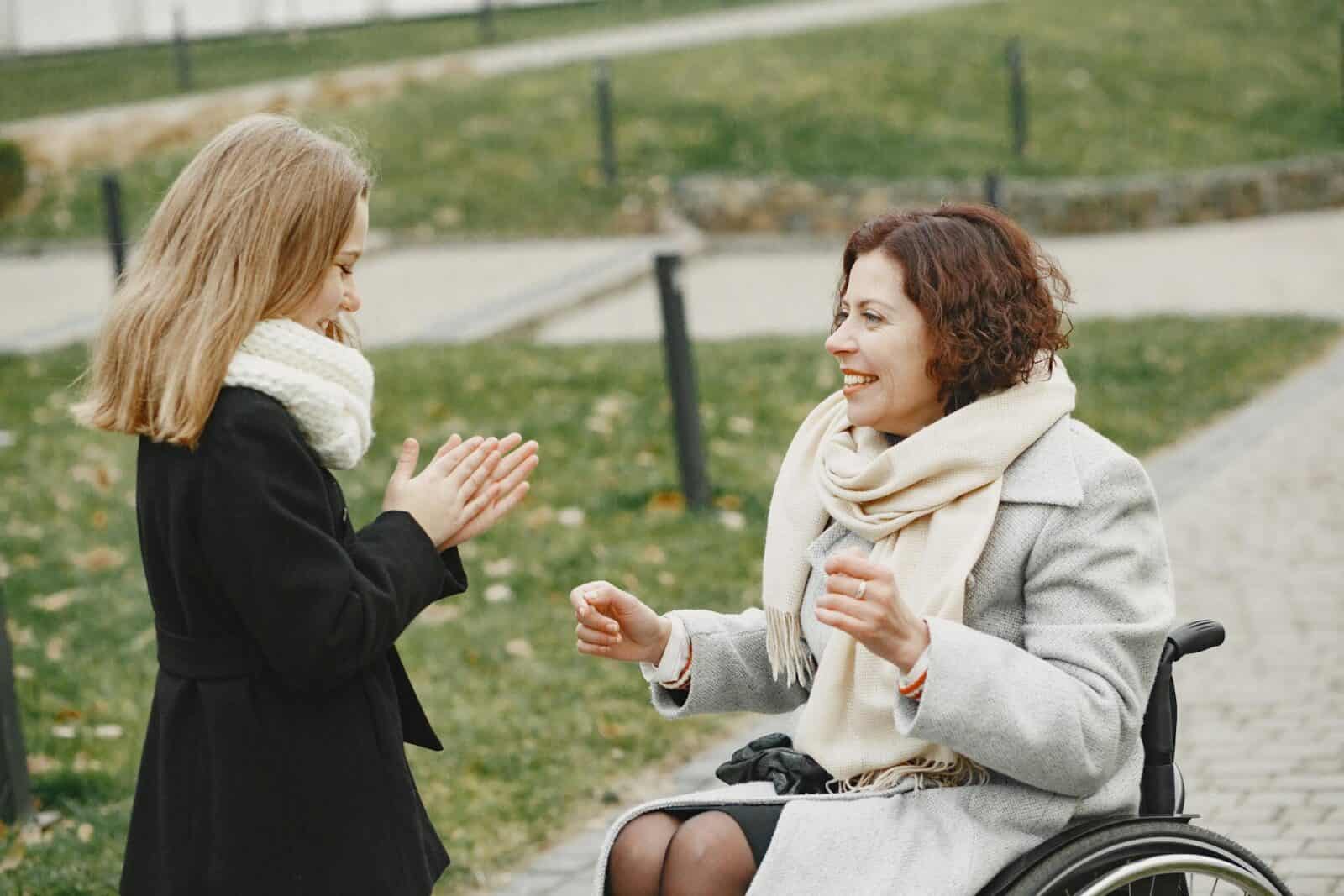
There is regular gratitude, and then there is the deluxe, 4K version that kind people use. Instead of a throwaway “thanks,” they go specific: “Thank you for answering my texts even when I’m spiraling at 1 a.m.”
Studies during and after the pandemic show that expressing gratitude in close relationships is linked to higher life satisfaction, greater relationship confidence, and improved mental health, even after accounting for personality traits.
Structured “thank you” rituals among couples strengthen communication and reduce conflict over time. The more detailed the thank‑you, the stronger the bond.
“I appreciate you for who you are, not just what you do”

In hustle culture, this line is basically a soft revolution. Gratitude research in romantic and close relationships finds that when you appreciate the person, not just their productivity, you start seeing them as more caring and responsive. That perception, in turn, boosts prosocial behavior and overall relationship quality.
Psychologists call it “broaden and build”: appreciation widens your focus, so you notice more goodness, and then you build long‑term emotional resources on top of it. Saying, “I appreciate your softness, your weird jokes, your way of calming people down,” tells someone their worth is not tied to tasks or output.
Also on MSN: The “nice girl” curse: 8 reasons kind women struggle to find love
“I’m sorry, and I mean it”

Not all apologies are created equal. Some are just PR statements with better lighting. A 2026 paper on apology sincerity found that apologies seen as genuine increase kindness and reduce revenge or avoidance, while half‑hearted ones are basically useless.
Accepted apologies are usually the ones rated sincere, and sincerity predicts actual forgiveness. Language is the giveaway: “I was wrong, and I get how that hurt you” signals responsibility and empathy, while “Sorry you feel that way” is emotional Tupperware. People with a kindness vibe consistently choose the version that repairs, not the one that deflects.
“What can I take off your plate?”
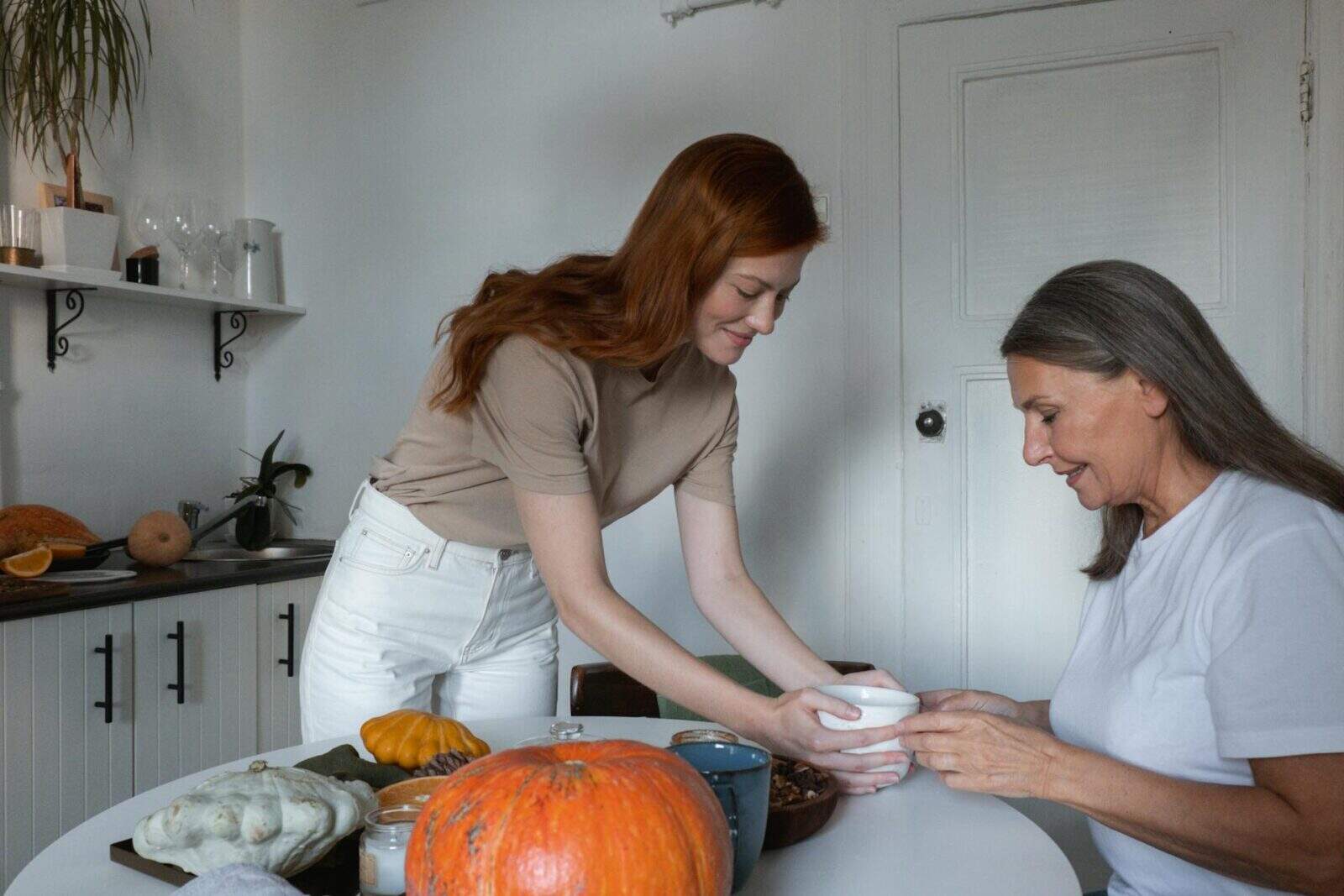
Kind people treat help like a verb, not a vague vibe. Instead of “Let me know if you need anything,” they go straight to “Can I bring dinner?” or “Want me to handle that email?” Research highlighted by Harvard’s T.H. Chan School of Public Health links regular volunteering and helping behavior with less physical pain, better physical functioning in older adults, and a lower risk of dying early.
Public‑health scholars even argue that kindness has such a strong benefit‑to‑harm ratio that if it were a drug, regulators would probably approve it. Specific offers of help become both emotional support and a low‑key longevity flex.
“You matter to me”
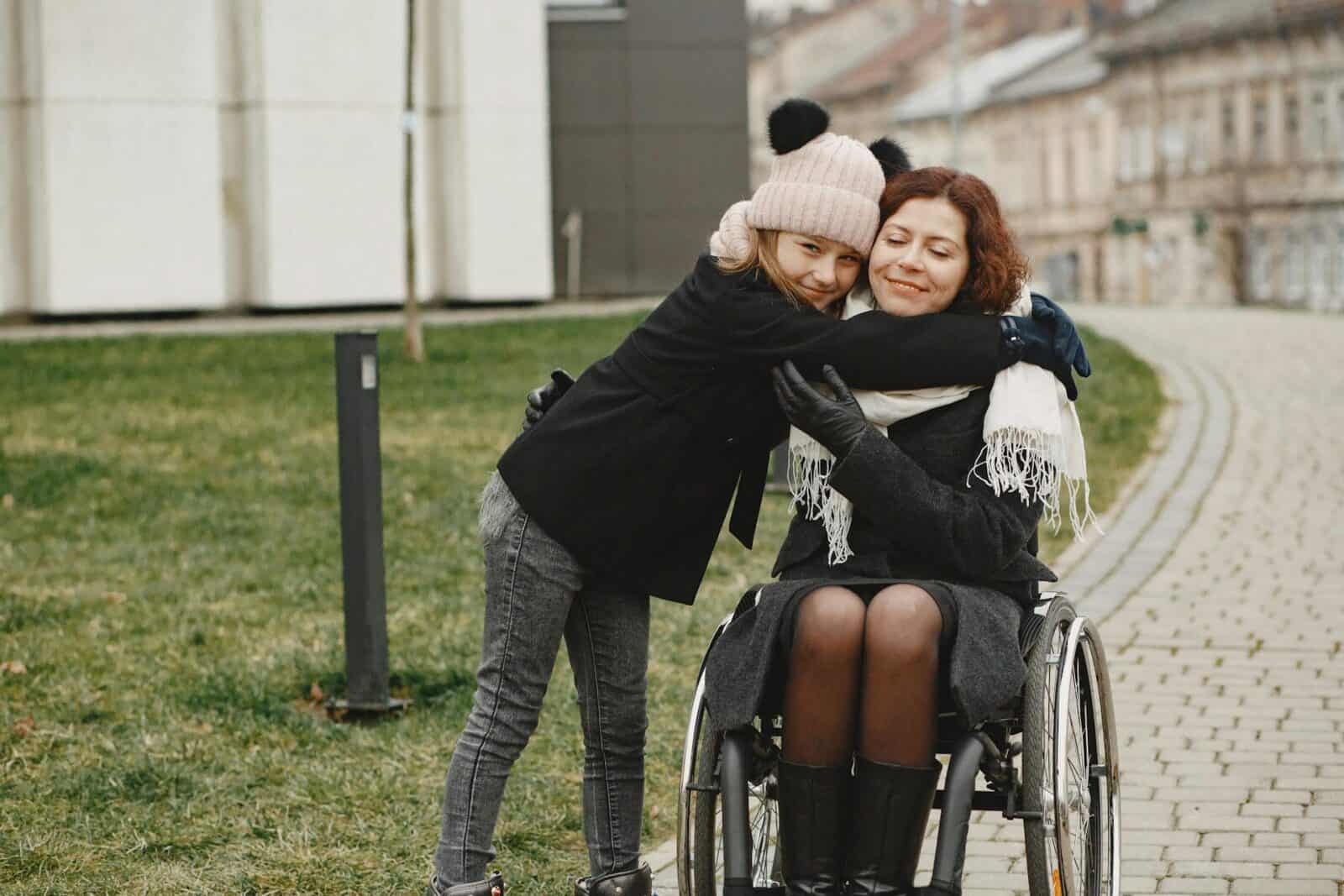
In a country where loneliness numbers look like error messages, explicit reassurance is not overkill. The U.S. Surgeon General’s loneliness advisory reports that lacking social connection raises the risk of early death to levels similar to daily smoking and calls for rebuilding social bonds everywhere from homes to workplaces.
Stress surveys find that people who feel emotionally supported report lower stress during crises than those who feel alone. When someone tells you “You matter to me,” “I’m glad you’re here,” or “I’m in your corner,” they are doing more than being sentimental. They are pushing back against a nationwide trend of disconnection in one sentence.
“Let’s look for the good together”

This is not “good vibes only” content. It is closer to “honest vibes, plus hope.” Meta‑analyses on kindness‑based meditation show moderate reductions in depression, anxiety, and stress, along with increases in compassion and positive emotion for people who practice regularly.
Simply counting your own acts of kindness for a week can increase happiness and make you more likely to be kind again. So when someone says, “Today was chaotic, but let’s find three things that went right,” they are not erasing your pain. They are gently teaching your brain how to spot exits in the emotional maze.
“Take your time. I’m not going anywhere”

The kindness vibe hits different when it is patient. Reviews of reassurance in health care describe it as a deliberate effort to restore a person’s sense of safety and confidence, often by emphasizing steady presence.
Mental‑health guidance on emotional support notes that listening without judgment and offering simple phrases such as “Everyone makes mistakes” or “We’ll get through this” can reduce stress and support recovery. In everyday life, “No rush, I’m here” is the casual version. It quietly tells your body that you do not need to rush your healing or your words just to keep someone from leaving.
“You did a great job on…”

If kindness had a favorite punctuation, it would be the ellipsis in this sentence. Guides on “words of kindness” stress that the best compliments are specific: praising effort, character, or creativity instead of tossing out generic flattery.
Highlighting someone’s patience, humor, or problem‑solving reinforces the parts of their identity tied to prosocial behavior. When people see themselves as helpful or generous, they are more likely to keep acting that way, strengthening relationships over time.
In a culture where public criticism is a sport, “You handled that mess with so much grace” lands like a plot twist.
“Let me know if I got that wrong”
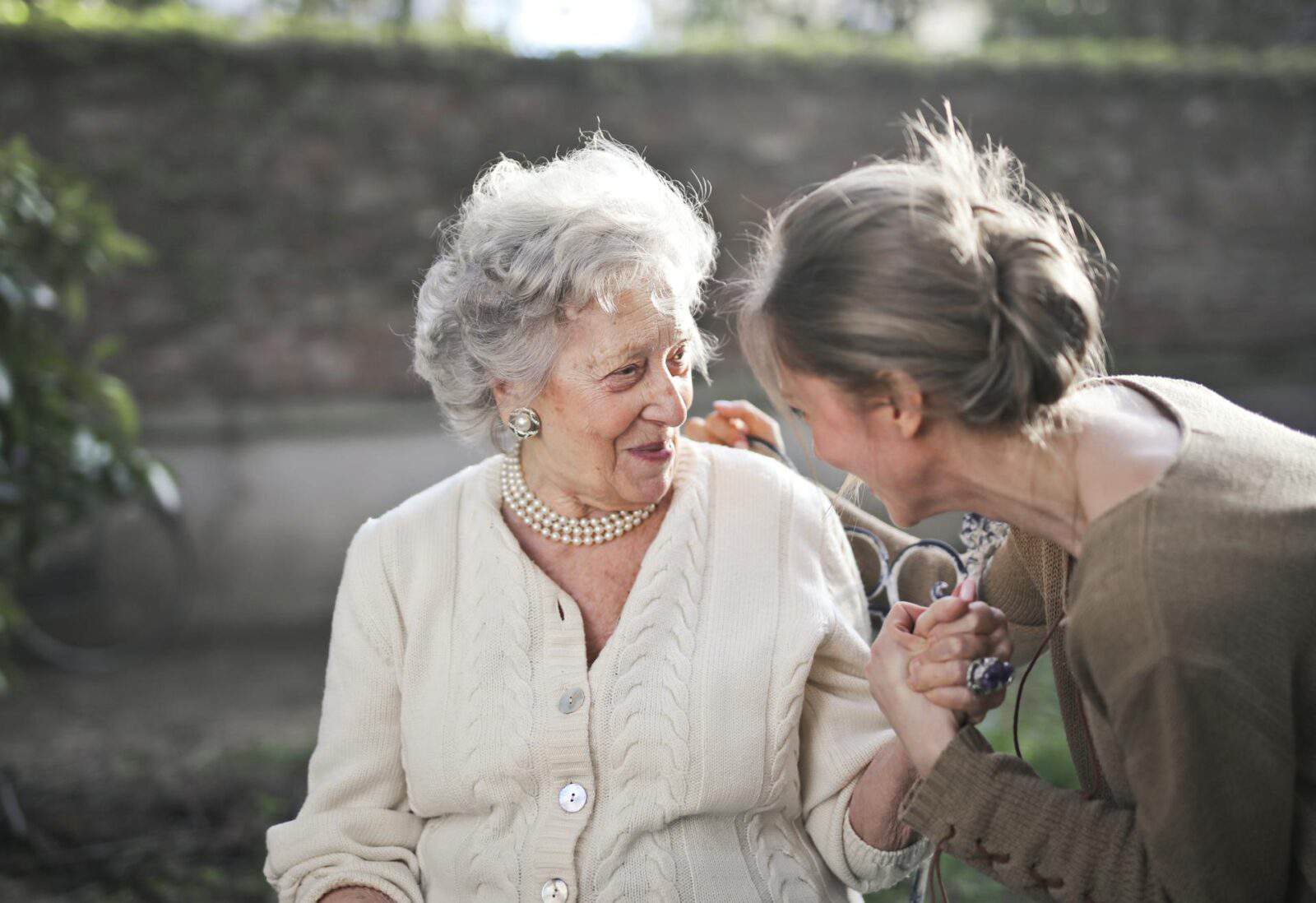
Humility is one of the clearest tells that someone’s kindness is real, not performative. Studies on active‑empathic listening highlight that “responding” by checking your understanding and inviting correction is key to high‑quality communication.
Experimental work shows that when listeners reflect on what they heard and then adjust based on feedback, speakers feel more understood and more satisfied with the conversation. Phrases like “Did I get that right?” or “If I missed something, tell me” move the goal from winning to understanding. It is kindness that is willing to be corrected, which might be the rarest form.
“I’m rooting for you”
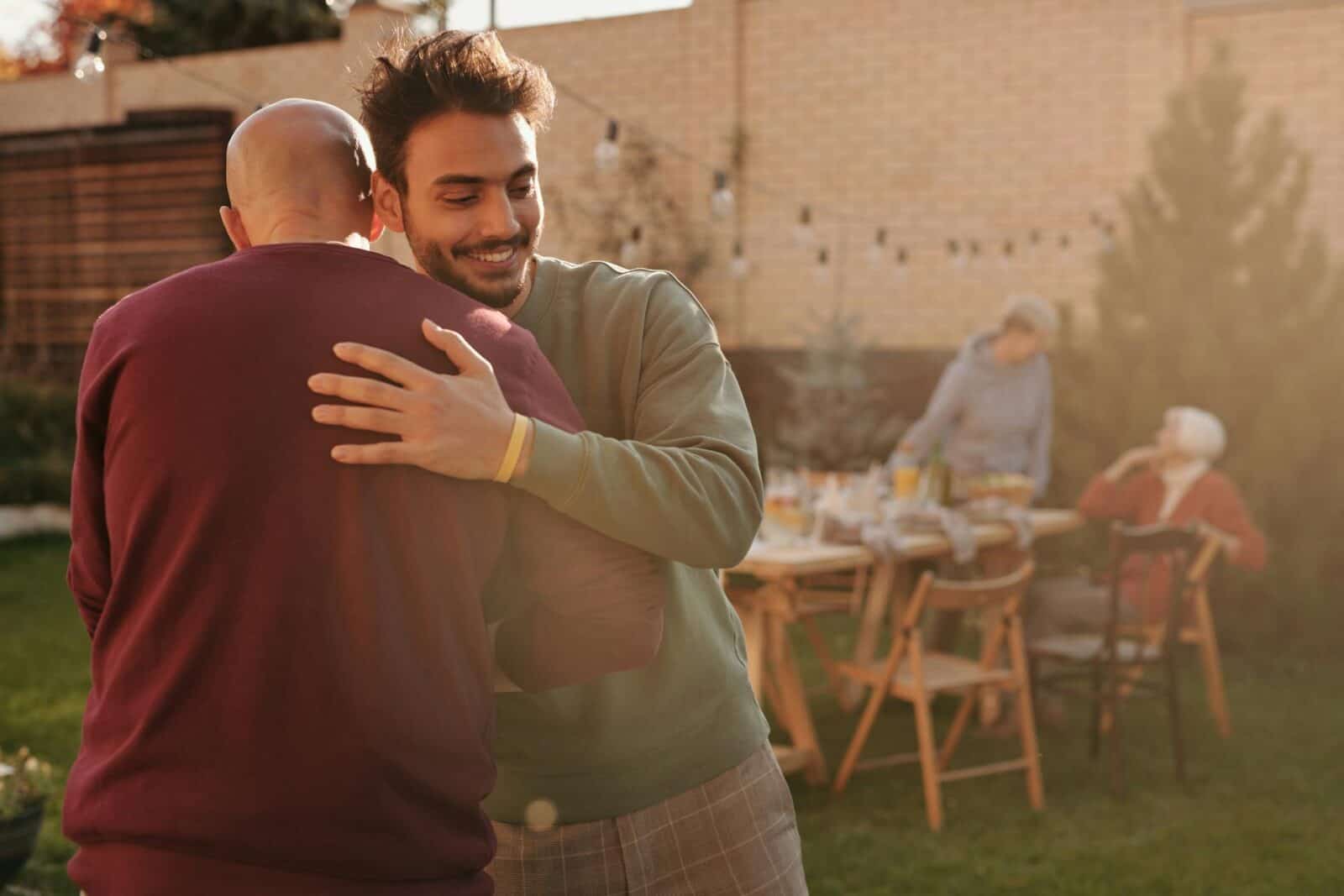
Here comes the closing credits line of the kindness universe. Relationship therapists describe reassurance as explicit statements of love, commitment, and appreciation that directly address common fears, such as abandonment or not being enough.
Broader research on reassurance finds that hope‑infused messages help people maintain a stable sense of self when life gets loud and messy. “I’m rooting for you” sounds simple, but functionally, it is emotional armor. It tells you that even if you fail, someone will still be there in the stands, yelling your name and refusing to leave the stadium of your life early.
Like our content? Be sure to follow us
Disclaimer – This list is solely the author’s opinion based on research and publicly available information. It is not intended to be professional advice