15 science-backed anti-aging practices experts say can extend your lifespan
Let’s be honest, nobody actually wants to live forever if it means feeling like a crumbling relic for the last twenty years. I remember trying to touch my toes last week and making a sound like a rusty gate, which really put things into perspective. We all want the energy to chase our grandkids or at least the stamina to binge-watch an entire Netflix series without falling asleep at 8 PM. A massive study from the Harvard T.H. Chan School of Public Health analyzed data from over 120,000 volunteers and found something incredible.
They discovered that adopting just five healthy habits can extend life expectancy by 14 years for women and 12 years for men. Science has advanced well beyond just telling us to eat our vegetables. A recent AARP survey reveals that 67% of adults aged 50+ feel optimistic about their aging process, and the data support this enthusiasm. We now have concrete evidence on how cellular repair, stress management, and even our social lives dictate our longevity.
I scoured the latest research to find actionable steps you can take right now. These aren’t just old wives’ tales; they are statistically significant methods to keep you kicking longer. Here are 15 science-backed practices to extend your lifespan.
Move Your Body Every Single Day

Physical activity is one of the strongest predictors of longevity. A Frontiers meta-analysis of more than 2.8 million people found that regular exercise, healthy weight, a healthy diet, and 7 to 8 hours of sleep per night were each independently associated with improved survival.
An American Heart Association analysis of more than 100,000 adults over 30 years found that meeting the current guidelines of 150 to 300 minutes of moderate or 75 to 150 minutes of vigorous activity per week was linked with roughly a 20 to 21% lower risk of death from all causes, and doing two to four times that amount lowered mortality by up to 31 percent. Even small amounts help.
Eat a Mediterranean-style Diet
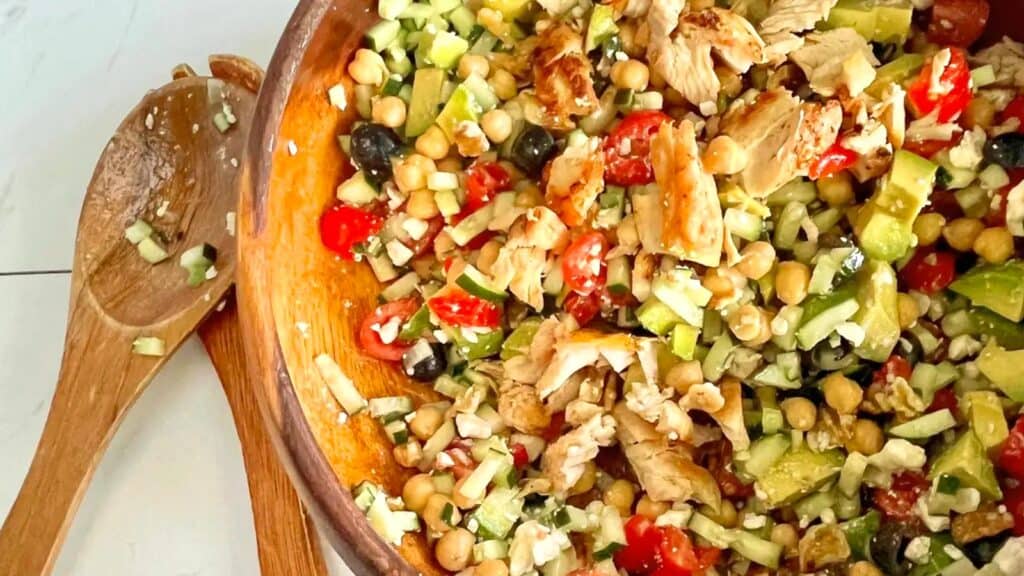
Long-lived populations tend to follow dietary patterns that closely resemble the Mediterranean diet, which emphasizes vegetables, fruits, whole grains, legumes, nuts, olive oil, and fish, with limited red meat and processed foods.
The NIH found that high adherence to a Mediterranean diet was associated with a significantly longer lifespan, while low adherence was linked to a 5.2-9.9% shorter life expectancy. The EPIC Elderly study of older adults across 11 European countries found that every 2-point increase in a Mediterranean diet score was associated with about an 8% reduction in overall mortality.
Do Not Smoke And Avoid Secondhand Smoke

Avoiding tobacco remains one of the most powerful anti-aging choices you can make. The NIH reports that non-smokers who also maintain a healthy diet, exercise, and limit alcohol can live more than a decade longer than people who smoke and do not follow any healthy lifestyle habits.
They also noted that never smoking was one of the original seven habits linked to longer life in the classic Alameda County study, and newer reviews continue to confirm its outsized impact on survival.
Prioritize 7 To 8 Hours Of Quality Sleep

Regularly sleeping 7 to 8 hours per night is another independently protective lifestyle factor. Springer Nature Link reports that older adults who averaged 7-8 hours of sleep per night had better survival than those who slept less or significantly more.
The same paper highlighted sleep as one of four modifiable behaviors, alongside physical activity, weight control, and diet, each of which, when considered separately, predicted greater longevity. Other research also links sleep regulation to better cognitive function and a reduced risk of age-related diseases.
Maintain A Healthy Weight And Waistline
Obesity and underweight both shorten lifespan, but the risk is especially clear at higher body mass indexes. Avoiding BMI ranges classified as underweight or obese is associated with higher survival in older adults.
People who maintained a moderate body weight, did not smoke, and exercised lived significantly longer than those who were obese and sedentary. Experts emphasize focusing less on appearance and more on waist circumference, strength, and metabolic health markers such as blood pressure and blood sugar.
Build Muscle And Stay Strong As You Age

Maintaining muscle mass and strength is increasingly recognized as an anti-aging strategy. Resistance training and functional movement are key components of “multidimensional” lifestyle interventions that preserve mobility, reduce falls, and support metabolic health in older adults. ScienceDirect links higher grip strength and better physical performance scores with lower all-cause mortality and fewer disability years in later life.
Eat More Plants And Less Ultra-Processed Food
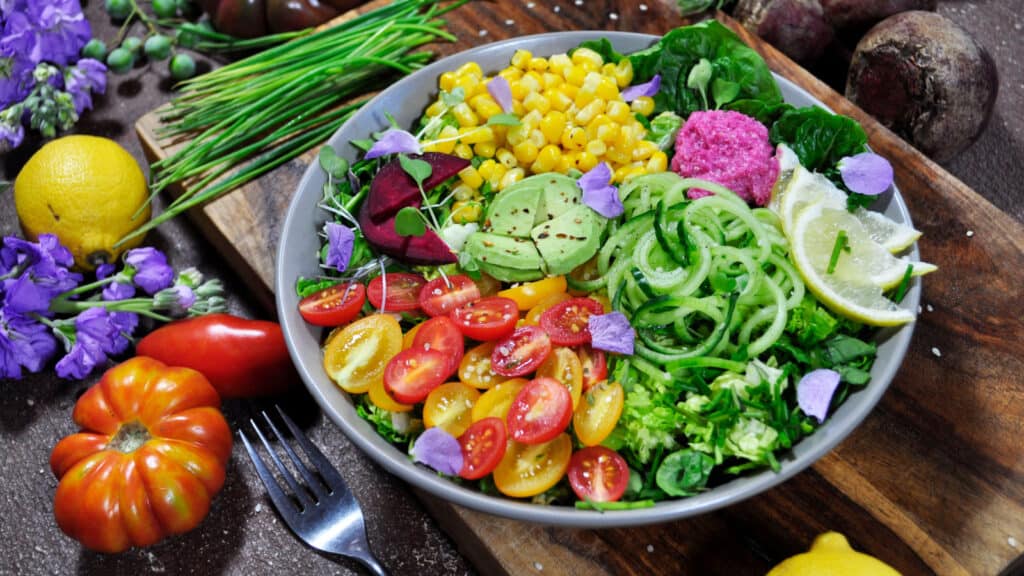
Beyond specific dietary patterns, the overall quality of what you eat matters. Diets high in minimally processed plant foods and low in added sugars, refined grains, and processed meats are strongly associated with reduced cardiovascular disease, cancer, and total mortality.
A healthy diet pattern was associated with greater survival in older adults, even after controlling for exercise, weight, and sleep. Ultra-processed foods are linked with higher mortality and metabolic disease, while whole foods are protective.
Limit Alcohol Or Avoid It Completely

Heavy and even moderate alcohol use is increasingly tied to higher risks of cancer, cardiovascular disease, and early death. The World Health Organization warns that no level of alcohol consumption is safe for our health. For many people, the safest drinking pattern for long-term health is complete avoidance, especially for those with additional risk factors.
Manage Stress And Protect Your Mental Health

Chronic stress accelerates many of the biological processes associated with aging, including inflammation, oxidative stress, and telomere shortening. Mental health support, stress management training, and mindfulness interventions are core components of evidence-based “pathways to healthy aging” and can improve both longevity and quality of life.
Daily habits that reduce stress, regular movement, social connection, good sleep, and meaning-focused activities can indirectly extend healthspan by lowering the burden of stress-related diseases.
Stay Socially Connected

Strong relationships are one of the most reliable predictors of long life. The Alameda County studies and later meta-analyses found that people with more robust social ties lived longer than socially isolated peers, even after accounting for medical factors and other lifestyle habits.
Social connection and community engagement are as important as diet and exercise for maintaining cognition, emotional well-being, and survival into older age.
Keep Your Brain Learning New Things

Cognitive engagement appears to offer a type of “brain reserve” that may delay dementia and support healthy aging. Evidence-based reviews describe mentally stimulating activities, such as learning new skills, reading, solving puzzles, and engaging in complex hobbies, as beneficial for cognitive function in older adults.
While not all studies show a direct effect on lifespan, maintaining cognitive health indirectly supports independence, mobility, and overall survival by reducing risks associated with frailty and institutionalization.
Get Regular Preventive Care And Screenings

Longevity medicine experts emphasize early detection and prevention as central to extending healthspan. A 2024 overview of “climbing the longevity pyramid” highlighted blood pressure control, cholesterol management, cancer screenings, vaccination, and monitoring of metabolic risk as core medical strategies that can add years of healthy life.
Routine preventive healthcare is a key area in which timely action reduces the incidence and severity of age-related diseases.
Protect And Improve Your Metabolic Health

Blood sugar, blood pressure, and cholesterol are powerful drivers of biological aging. Maintaining normal glucose and blood pressure through diet, exercise, weight management, and, when needed, medication is strongly associated with fewer cardiovascular events and longer life.
The longevity pyramid framework describes aggressive management of metabolic syndrome and prediabetes as “mid-level” interventions that can significantly slow the progression of age-related decline before more experimental therapies are even considered.
Avoid High Risk Behaviors And Environmental Hazards

From smoking and heavy drinking to reckless driving and unsafe sun exposure, high-risk behaviors shorten life through both accidents and chronic disease. The NIH summary of healthy habits points out that avoiding smoking alone removes a major cause of early death and that combining this with seatbelt use, fall prevention, and skin protection further reduces mortality.
Environmental health experts also note that minimizing exposure to air pollution, toxic chemicals, and excessive UV radiation can lower the lifetime risk of cancer and cardiovascular disease, which supports longer life.
Use A Multidimensional Lifestyle Approach, Not One Magic Bullet

One of the clearest messages from recent research is that there is no single anti-aging trick. Multidimensional interventions that combine nutrition, physical activity, sleep management, social and mental health support, and preventive care produce the largest gains in longevity, physical function, and cognitive health.
Similarly, researchers who proposed the “longevity pyramid” argue that foundational lifestyle practices are the lowest-cost, highest-impact, and safest way to extend lifespan, long before anyone needs to think about drugs or advanced therapies.
Disclosure line: This article was developed with the assistance of AI and was subsequently reviewed, revised, and approved by our editorial team.
20 Odd American Traditions That Confuse the Rest of the World

20 Odd American Traditions That Confuse the Rest of the World
It’s no surprise that cultures worldwide have their own unique customs and traditions, but some of America’s most beloved habits can seem downright strange to outsiders.
Many American traditions may seem odd or even bizarre to people from other countries. Here are twenty of the strangest American traditions that confuse the rest of the world.
20 of the Worst American Tourist Attractions, Ranked in Order

20 of the Worst American Tourist Attractions, Ranked in Order
If you’ve found yourself here, it’s likely because you’re on a noble quest for the worst of the worst—the crème de la crème of the most underwhelming and downright disappointing tourist traps America offers. Maybe you’re looking to avoid common pitfalls, or perhaps just a connoisseur of the hilariously bad.
Whatever the reason, here is a list that’s sure to entertain, if not educate. Hold onto the hats and explore the ranking, in sequential order, of the 20 worst American tourist attractions.