15 Silent Threats That may Be Inside Your House
It’s pretty unsettling how the spaces we trust most can hide the dangers we notice least.
Your home is supposed to be your sanctuary, a haven where you can kick back and relax without a care in the world. But beneath the cozy throw blankets and behind the fresh coat of paint, there are often invisible hazards waiting to cause trouble. From the air you breathe to the gadgets you use daily, some of the biggest dangers are the ones you would never suspect until it is too late.
We often worry about external threats like burglars or bad weather, yet we rarely consider the risks that sit right on our kitchen counters or lurk in our laundry rooms. Taking a closer look at your daily environment can reveal surprising truths about the items you trust the most. Identifying these hidden dangers is the first step toward creating a truly secure and healthy living space for you and your family.
Bath Mats

Stepping out of the shower onto a soft mat feels nice, but the floor fabric rarely dries thoroughly between uses. The constant moisture creates a favorable environment for mold, mildew, and bacteria that can cause foot infections. Additionally, mats without a non-slip backing constitute a significant cause of bathroom falls, especially for seniors.
You should wash your bath mats in hot water weekly to eliminate any growing colonies of germs. Choosing a mat with a solid rubber grip or using a wooden slat mat can significantly improve safety and hygiene. Keeping the bathroom floor dry and clear is the best way to prevent slips and fungal growth.
Chimney Creosote

A crackling fire is the highlight of winter, but the smoke leaves behind a sticky, tar-like residue called creosote. This substance accumulates in the chimney liner and is highly combustible, resulting in thousands of chimney fires each year. If the layer gets thick enough, a stray spark can ignite it, causing a fire that spreads rapidly to the roof and attic.
Annual inspections by a certified chimney sweep are crucial for anyone who uses their fireplace regularly. They can remove dangerous buildup and check for blockages, such as bird nests, that could trap carbon monoxide inside. Enjoying your fireplace safely means maintaining it as required to ensure it functions properly.
The Kitchen Sponge
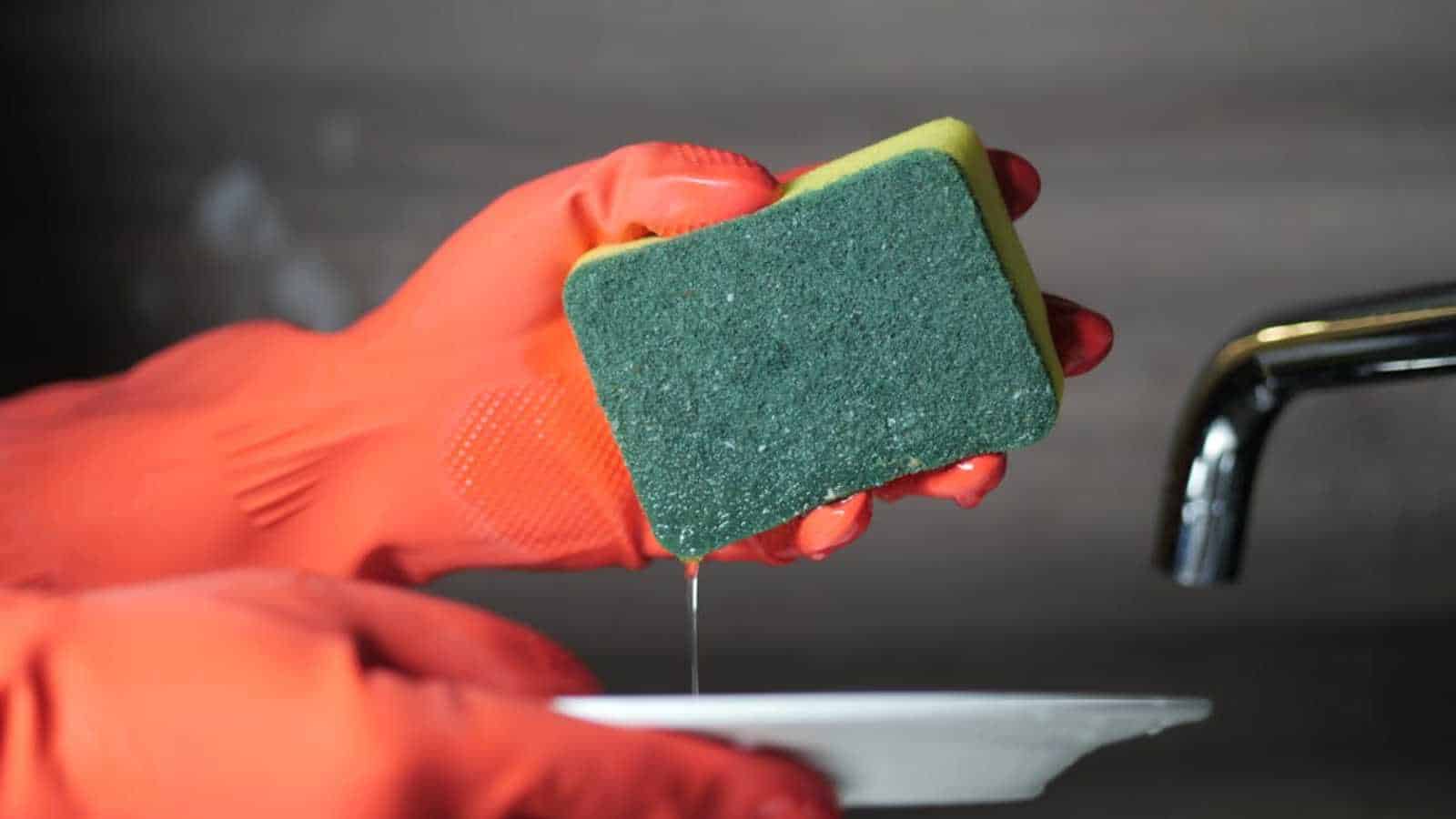
You might think that bright yellow scrubber next to your sink is cleaning your dishes, but it is actually one of the dirtiest things you own. A Science News Explore report found that a single cubic centimeter of sponge can house up to 54 billion bacterial cells. That density is roughly the same as what you would find in human stool, which is a stomach-churning thought for something you rub on your dinner plates.
Most people try to clean them with hot water or soap, but those methods often fail to eliminate the most resistant germs hiding deep inside the porous material. Replace your sponge weekly to prevent the spread of harmful pathogens in your food-prep areas. If it starts to smell funkier than yesterday’s leftovers, that is your cue to toss it in the trash immediately.
Radon Gas

You cannot see, smell, or taste this radioactive gas, but it may be seeping into your basement through cracks in the foundation. The EPA estimates that radon is responsible for about 21,000 lung cancer deaths every year in the United States alone. It forms naturally from the decay of uranium in the soil and can build up to dangerous levels in well-sealed modern homes.
Testing is the only way to know if your family is at risk, and fortunately, DIY kits are inexpensive and easy to find at most hardware stores. If your levels are high, a professional mitigation system can vent the gas outside and keep your indoor air safe to breathe. Ignoring this invisible killer is a gamble no homeowner should take.
Lint In The Dryer
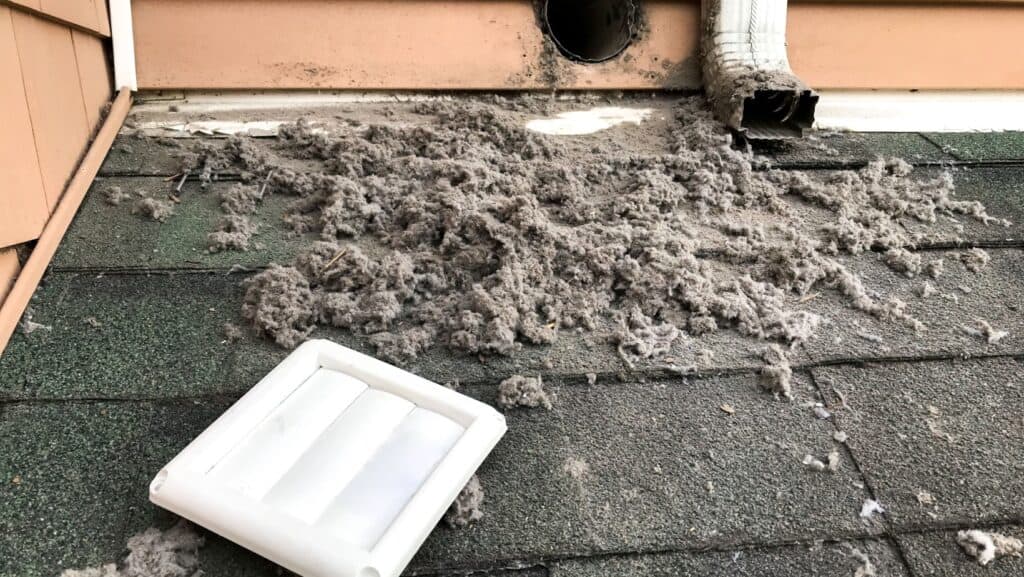
You probably know you should clean the lint trap after every load, yet it is easy to get lazy and skip it when you are in a rush. According to the National Fire Protection Association, washers and dryers accounted for an average of 15,970 fires each year between 2010 and 2014, with “failure to clean” as the leading cause. That soft, gray fuzz is highly flammable and can ignite instantly if the machine overheats during a heavy cycle.
The danger extends beyond the front trap; lint can accumulate in the exhaust vent hose behind the machine, which you cannot see. You should disconnect the hose once a year to vacuum it out, or hire a professional to clean the entire system thoroughly. Keeping those airways clear saves energy and prevents your laundry room from becoming a fire hazard.
Carbon Monoxide

This odorless gas is often called the “silent killer” because it strikes without warning, usually from malfunctioning gas appliances or blocked chimneys. The CDC reports that unintentional carbon monoxide poisoning sends more than 100,000 people to the emergency room annually. Symptoms such as headaches and dizziness are often mistaken for the flu, leading people to stay indoors, where the air is toxic.
Every home needs working detectors on every level, especially near sleeping areas, to wake you if levels spike in the middle of the night. Check the batteries every six months and replace the entire unit every five to seven years to ensure it functions properly. A simple twenty-dollar device is often the only thing standing between a safe night’s sleep and a tragedy.
Unsecured Furniture
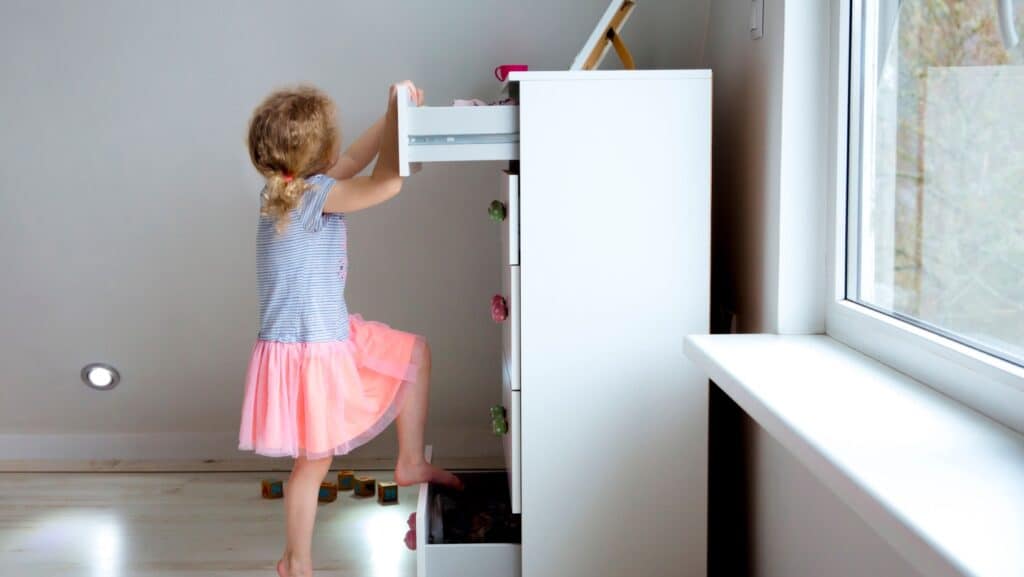
Heavy dressers and flat-screen TVs appear stable, but they can tip over easily if a child climbs on them or if they are bumped hard. The Consumer Product Safety Commission estimates that approximately 18,000 people—mostly children—are treated in ERs for tip-over injuries every year. It only takes a split second for a curious toddler to pull a heavy chest of drawers down onto themselves.
Anchoring furniture to the wall is a quick fix that takes only a few minutes and costs very little, given the safety it provides. Wall straps or L-brackets should be standard installation practice for any heavy piece in a home with kids or pets. Securing your environment prevents gravity from turning your favorite bookshelf into a crushing weight.
Indoor Air Quality

We tend to think of pollution as smog hovering over a city highway, but the air inside your living room can be much worse. The EPA reports that concentrations of some pollutants are often two to five times higher indoors than outdoors. Dust, pet dander, and chemical vapors are trapped inside our tightly insulated houses, circulating repeatedly.
Simple habits like opening windows for ten minutes a day can help flush out stale air and bring in a fresh breeze. Using high-quality air filters in your HVAC system and changing them regularly will capture microscopic particles that irritate your lungs. Breathing clean air at home is essential for long-term health and better sleep quality.
Mold Behind Walls

Water damage leaves a visible mark, but the real problem often grows in the hidden spaces between your drywall and insulation. Toxic black mold can thrive on moisture from a small leak that you might not even know exists for months. Spores released into the air can trigger asthma attacks, chronic sinus issues, and fatigue in sensitive individuals.
If you notice a persistent musty odor but cannot identify the source, it may be time to call in an inspector with moisture-detection tools. Fixing the leak is only half the battle; you must remove all contaminated materials to prevent the colony from returning. Keeping your home dry and well-ventilated is the best defense against this fungal invader.
Non-Stick Cookware
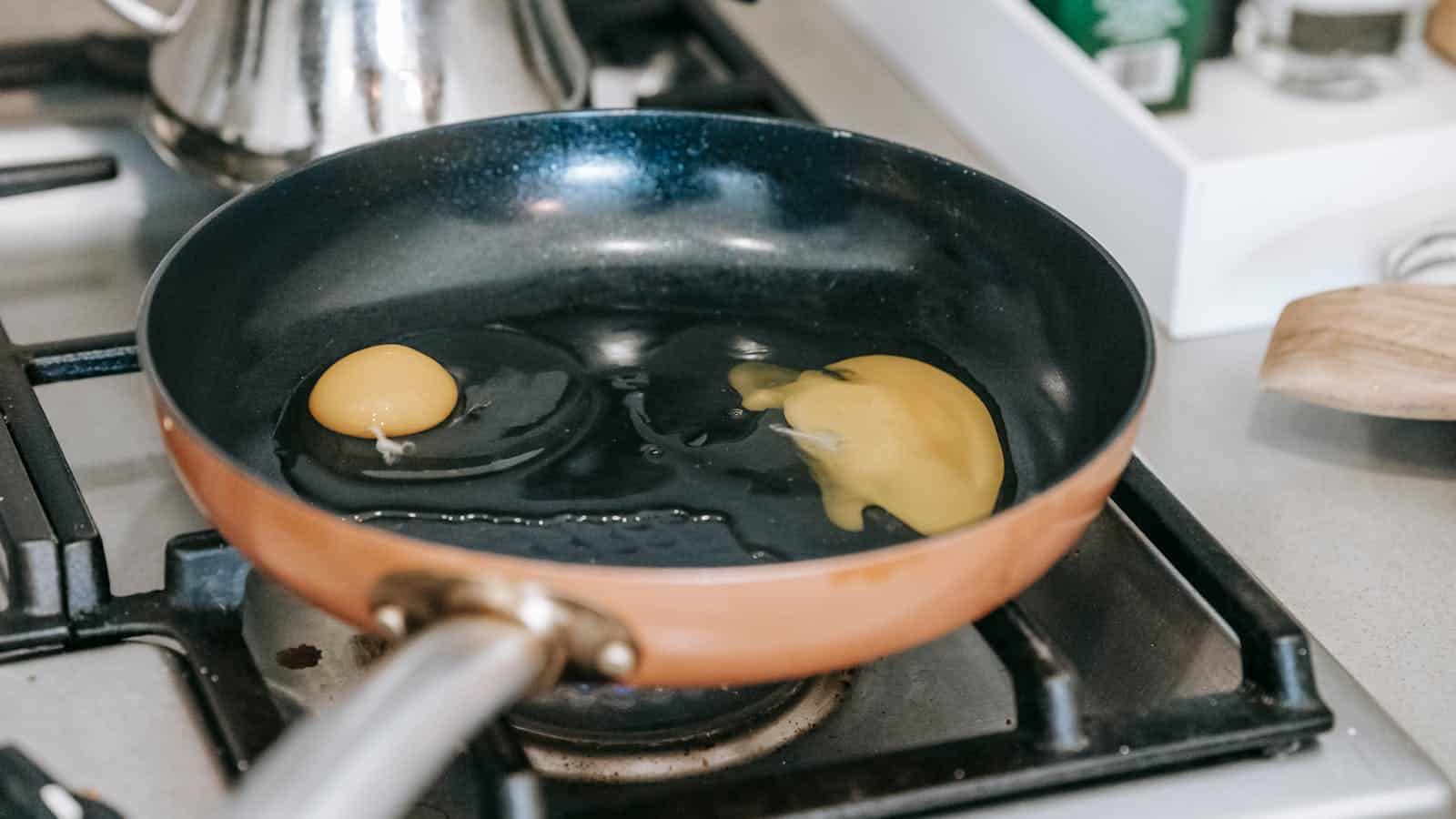
Teflon pans are a miracle for frying eggs without a mess, but they can release toxic fumes if they get too hot. When heated above 500°F, the chemical coating can begin to break down, releasing particles that can cause flu-like symptoms. This phenomenon is known as “Teflon flu,” and it can kill pet birds, whose respiratory systems are incredibly fragile.
Scratched pans are also a concern because coating flakes can end up in your food during cooking. Switching to cast iron or stainless steel is a safer bet for high-heat searing and baking. If you must use non-stick, keep the heat at medium and never leave an empty pan on a hot burner.
Plastic Food Containers

That cabinet full of mismatched Tupperware might be leaching chemicals into your leftovers, especially if you microwave them. Older plastics often contain BPA or phthalates, which are endocrine disruptors that can mess with your hormones. Heat accelerates the breakdown of plastic, allowing these substances to migrate directly into your soup or pasta.
Glass containers are a superior alternative because they are inert, durable, and do not retain residual food odors or stains. If you have to use plastic, hand-wash it gently and never put it in the microwave or dishwasher. Switching to glass or stainless steel storage protects your food from unwanted chemical additives.
Scented Candles
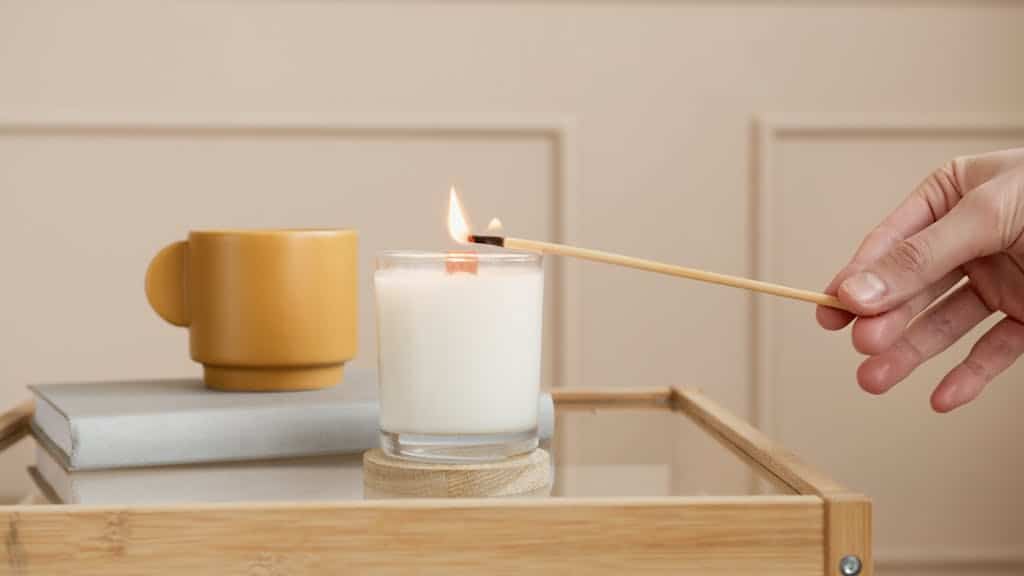
You may love them for the ambiance and the smell of fresh linen, but burning candles can release a surprising amount of soot and chemicals. Many paraffin candles emit volatile organic compounds such as benzene and toluene, which are carcinogens found in diesel exhaust. Burning them in a small, unventilated bathroom can create a concentration of pollution that is unhealthy to inhale.
Soy or beeswax candles are generally cleaner-burning options that produce less soot and fewer toxins than traditional paraffin. Trim the wick to 1/4 inch before each burn to keep the flame steady and reduce smoke. You can enjoy a pleasant scent without turning your living room into a smog chamber.
Lead Paint
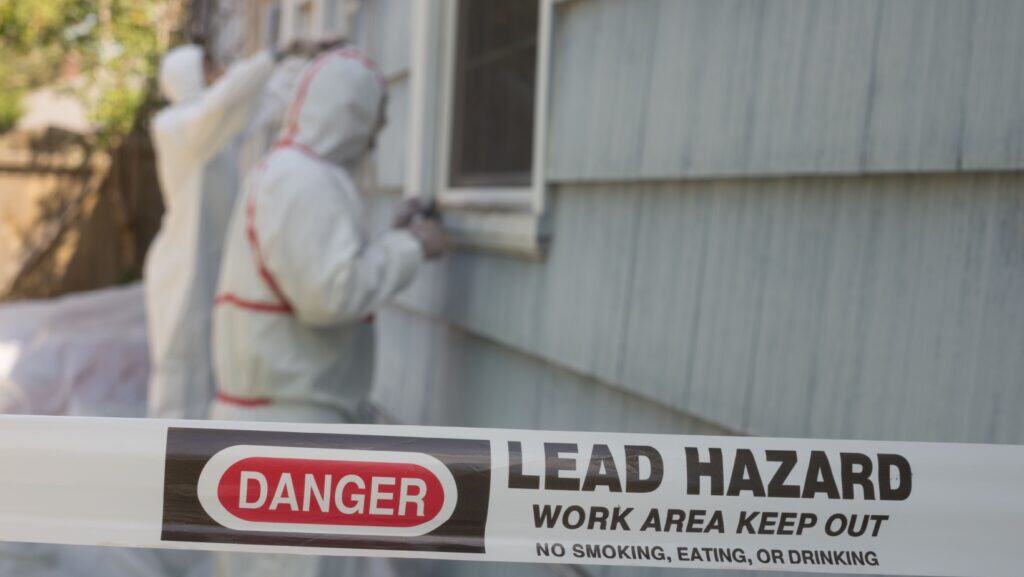
If your house was built before 1978, there is a good chance that layers of lead-based paint are hiding under the new colors. As old paint cracks and peels, it creates lead dust that is highly toxic, particularly to the developing brains of young children. Even a tiny amount of this dust on a windowsill or floor can cause serious developmental delays and health issues.
Renovating an older home requires special care to avoid disturbing these hazardous layers and raising dust. You can purchase swab kits to test for chipping paint, but a certified risk assessor is the best way to confirm. Dealing with lead is serious business, and sometimes it is better to seal it in than to try scraping it off.
Dirty HVAC Filters

Your heating and cooling system works hard to keep you comfortable, but a clogged filter can turn it into a dust cannon. When filters become overloaded, they can no longer trap allergens and instead blow them back into the rooms you occupy. This places additional strain on the blower motor, which can lead to costly repairs or a complete system failure.
Checking the filter once a month is a simple task that reduces energy costs and keeps the air cleaner. Most manufacturers recommend replacing standard filters every three months, or more often if you have pets that shed. A clean system runs more efficiently and helps everyone in the house breathe more easily.
Mothballs

Grandma’s closet might have smelled like them, but these little white pellets are essentially solid blocks of pesticide. Mothballs slowly release a gas that kills insects, but inhaling those fumes over time can cause headaches, nausea, and organ damage. They also look like candy to young children and pets, posing a serious poisoning risk if ingested.
Cedar blocks or lavender sachets are natural alternatives that repel insects without filling your closet with toxic chemicals. If you must use mothballs, they should be sealed in an airtight container with the clothing, never left out in the open. Protecting your wool sweaters should not compromise your household’s air quality.
15 Things Women Only Do With the Men They Love

The 15 Things Women Only Do With the Men They Love
Love is a complex, beautiful emotion that inspires profound behaviors. We express our love in various ways, some universal and others unique to each individual. Among these expressions, there are specific actions women often reserve for the men they deeply love.
This piece explores 15 unique gestures women make when they’re in love. From tiny, almost invisible actions to grand declarations, each tells a story of deep affection and unwavering commitment.