15 things you should never do when living alone
According to the U.S. Census Bureau, in 2023, approximately 38.1 million Americans were living alone.
Living alone can feel peaceful at first. The quiet rooms, the control over your schedule, and the freedom to arrange your space exactly how you want often feel refreshing. Many people see it as a step into independence, a moment when life finally belongs to them.
Time passes, and the silence begins to reveal small truths about solo living. Every sound, every decision, and every problem now belongs to you alone. A loose wire, a strange noise outside, or a quiet weekend can carry more weight when no one else is nearby to notice or react.
Living alone works best when everyday habits support safety, mental health, and financial stability. Small oversights that once felt harmless can slowly grow into bigger problems when no one else is around to catch them early.
Ignoring the Quiet Creep of Loneliness

The room feels calm at first as the refrigerator hums quietly and soft light spreads across the floor. You scroll through your phone or watch a show, enjoying the peace after a long day. Living alone gives you full control over your environment, which can feel relaxing in the first weeks of independence.
Days can pass with very little real conversation. Text messages replace voice calls, and quick replies replace longer conversations. Your mind adapts to the quiet, yet something subtle feels missing because human connection still plays a vital role in emotional health.
Connection does not require constant company. Simple habits such as meeting a friend for coffee, calling family, or joining group activities help maintain balance. Living alone works best when solitude remains healthy rather than slowly turning into isolation.
Leaving Fire Risks Unchecked
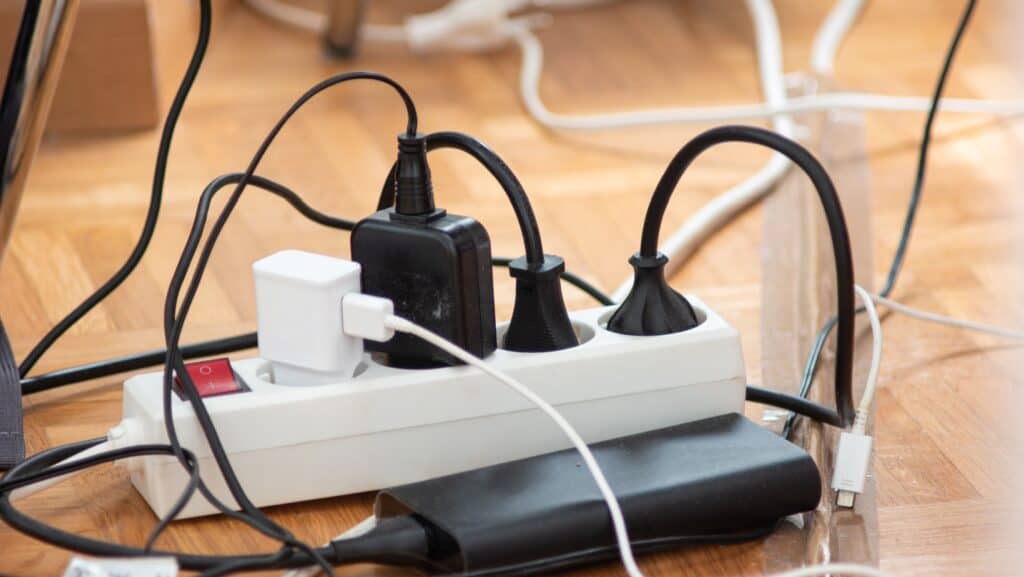
A faint smell of warm plastic drifts from a power strip near the wall as the television glows quietly nearby. Nothing seems wrong at first, so it feels easy to ignore small warning signs. Many people living alone assume a device running hot or an overloaded outlet will not cause trouble.
In shared homes, someone else might notice the smell or hear the crackle of faulty wiring. Living alone removes that extra set of eyes and ears that often catch problems early. Small safety habits, such as unplugging unused devices or checking outlets, may slip down the priority list.
Routine checks become your main protection. Electrical Safety-First reports that 36 percent of dwelling fires over the past two years occurred in single-occupancy homes. That number highlights how solo living increases risk when no one else is present to notice danger quickly.
Forgetting to Lock Up Carefully
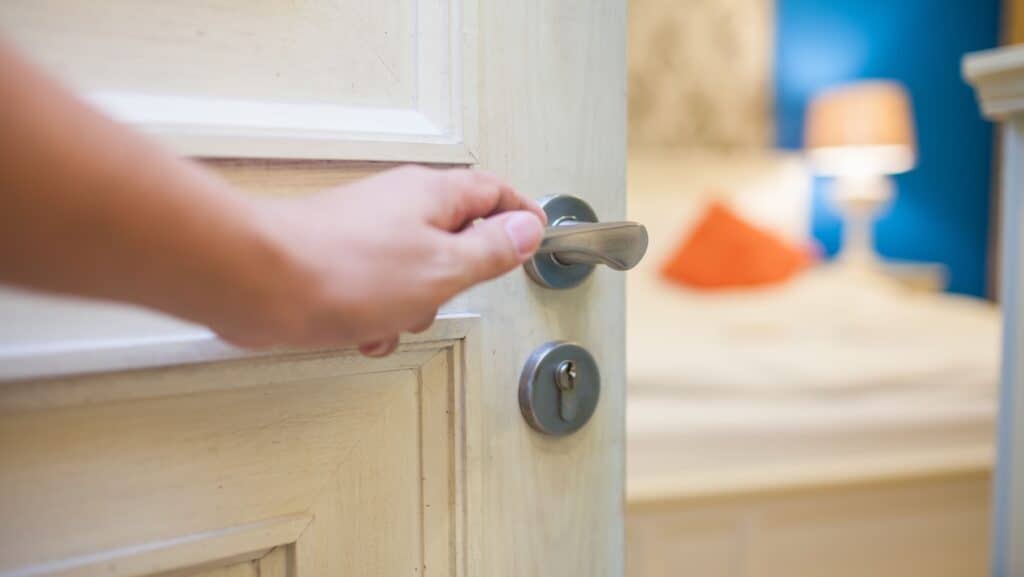
The hallway outside your door grows quite late at night as the elevator hum fades into silence. You might leave the door unlocked during a quick errand or forget to secure a window because the area feels calm. Small shortcuts feel harmless when nothing bad has happened before.
Living alone means you become the only line of security for your space. A locked door or secured window creates the barrier that keeps strangers out. Without that habit, your home becomes easier to access than you might expect.
About 60 percent of renters in apartment complexes say they do not feel safe in their apartments. That concern often stems from weak building security or poor lighting in shared areas, which makes personal safety habits even more important.
Letting Small Repairs Wait Too Long

A slow drip echoes from the kitchen sink as water taps softly against the metal basin. The sound feels minor and easy to ignore while you focus on other tasks. Living alone often means small problems stay on the to-do list longer than they should.
Without another person pointing it out, minor damage slowly blends into the background. A loose pipe, cracked tile, or faulty outlet may remain untouched for weeks. These issues rarely stay small because water, heat, and wear quietly spread damage.
Repair costs rise quickly once problems grow larger. Reports show that the average home insurance claim has been rising sharply in recent years. Fixing small issues early helps avoid large expenses later.
Assuming Property Managers Handle Safety

The building lobby smells faintly of cleaning spray as security cameras hang quietly near the ceiling. It feels easy to assume the property manager handles every safety concern. The presence of cameras or locked entry doors can create a strong sense of protection.
Many residents trust those systems without thinking about whether they actually work. Cameras may not always be monitored, and entry doors sometimes fail to close properly. That gap between expectation and reality can create hidden risks.
MultiFamily Dive reports that 71 percent of renters believe property managers should improve security measures. The number shows many residents feel current protection systems do not go far enough for people living alone.
Leaving Smoke Alarms Unchecked

A sharp beep breaks the silence during the night before fading again. You press the reset button and fall back asleep without thinking much about it. Low-battery warnings on smoke alarms are often ignored because the noise disappears quickly.
In a shared household, someone else might notice the missing alarm or replace the battery the next day. Living alone removes that extra reminder, which can turn a small oversight into a serious risk.
Electrical Safety First reports that 14 percent of fires in single-occupancy homes result in fatalities. The lack of working smoke alarms often plays a major role in those tragic outcomes.
Ignoring Insurance Until Disaster Strikes

Rain taps softly against the windows while wind moves through the street outside. Storm damage, leaks, and electrical issues rarely appear with warning. Many people living alone postpone insurance decisions because the process feels complicated or unnecessary.
A single unexpected repair can place serious pressure on your finances. Without insurance, the entire cost falls on one person rather than being shared or covered.
Rising repair costs make preparation more important for people managing homes on their own.
Spending Too Many Nights in Total Silence

The clock ticks slowly across the room as the apartment stays completely still. Silence can feel peaceful after busy days filled with work or errands. Over time, though, too many quiet evenings may start affecting your mood.
People living alone sometimes fill the silence with endless scrolling or television. Those habits create distraction, yet they rarely replace meaningful social contact with other people.
Medical Xpress reports that nearly half of young adults aged 18 to 24 across eight countries say they feel lonely. That number shows how easily isolation can grow when daily routines lack regular connection.
Avoiding Contact With Neighbors

The elevator doors open briefly, and you exchange a quick nod with someone from another floor. Many people living alone keep these interactions short to maintain privacy. That choice feels comfortable but removes an important layer of awareness.
Neighbors often notice unusual activity in hallways or near entrances. A simple greeting today may lead someone to recognize when something seems wrong later.
Building small connections does not reduce independence. It simply creates a quiet support system among the people who share your building.
Letting Financial Pressure Build Quietly

Receipts spread across the kitchen table as you review your monthly spending. Living alone means every bill is yours. Rent, groceries, utilities, and repairs all come from the same budget.
Even small price increases can create pressure over time. One unexpected repair or appliance failure can quickly disrupt your financial plans.
Homeowners now pay out of their pocket for smaller repairs instead of filing insurance claims. Solo households often absorb these costs without support from others.
Ignoring Basic Emergency Plans

A distant siren echoes faintly through the night outside your window. Emergencies often feel distant until they suddenly appear. Many people living alone never think about evacuation routes or emergency contacts.
During a crisis, confusion wastes valuable time. Knowing how to leave your building quickly or where to call for help removes hesitation.
A simple plan written down or saved on your phone provides guidance during stressful moments. Preparation gives you control when situations become unpredictable.
Keeping Every Problem To Yourself

Your phone lights up with messages from friends you haven’t answered yet. Living alone sometimes encourages people to carry stress privately. Small worries remain inside your thoughts because there is no natural daily conversation.
Isolation can quietly amplify emotional pressure. Sharing concerns with someone you trust often immediately reduces that burden.
Reports state that loneliness can increase the odds of depression and significantly increase suicide among young adults. Honest conversations help prevent those feelings from growing stronger.
Treating Sleep Like An Afterthought

Streetlights spill soft light across the bedroom wall late at night. Without roommates or family routines, bedtime may drift later and later. Watching another episode or scrolling through social media becomes easy.
Irregular sleep slowly affects energy, focus, and mood. Your body relies on steady sleep patterns even when your schedule feels flexible.
Living alone places full responsibility for those routines on you. Healthy sleep habits protect the energy needed for work, relationships, and personal well-being.
Letting Your Space Fall Into Neglect

Dust gathers slowly on shelves near the window as unopened boxes remain in the corner. When no one else shares your home, it becomes easy to overlook small changes in your environment. Cleaning routines fade, and clutter quietly builds.
Over time, neglected spaces begin to affect both comfort and the property’s condition. Maintenance delays can also reduce the long-term value of a home.
Business Mole reports that more than 50,000 homes in England now sit empty long-term, many falling into disrepair without regular care. Daily attention helps prevent that kind of decline.
Forgetting That Independence Requires Awareness

Morning sunlight spreads across the kitchen counter as another quiet day begins. Living alone offers freedom that shared homes rarely provide. You control the schedule, the routines, and the pace of each day.
Independence also means every decision carries greater weight. Safety, finances, and emotional well-being depend on habits that you choose daily.
Small routines such as checking alarms, staying connected with people, and maintaining your home create stability. Those habits turn solo living into a secure and rewarding experience rather than a risky one.
Like our content? Be sure to follow us