15 ways to stretch your 401(k) for 30 years
As lifespans stretch into three-decade retirements, the challenge is no longer saving for retirement but keeping a 401(k) alive long enough to match it.
Retirement isn’t just a finish line anymore; it is the start of a thirty-year marathon that requires pacing, strategy, and a bit of grit to complete successfully. You have spent decades building your nest egg, but making that money last through market dips and inflation is a completely different challenge that demands attention. Recent data show people are living longer, so your savings must stretch further than previous generations could have imagined.
The fear of outliving your money is real, but with the right adjustments, you can turn anxiety into actionable confidence for the road ahead. We have compiled practical strategies to help you manage your withdrawals, optimize your taxes, and maintain a comfortable lifestyle without constantly checking your account balance. By making small shifts now, you can protect your financial future and enjoy the freedom you have earned.
Delay Social Security Benefits

Waiting to claim your benefits is one of the most effective ways to guarantee a higher monthly income for the rest of your life. If you can hold off until age 70, your benefit increases by roughly 8% for every year you wait past your full retirement age. This guaranteed boost serves as a powerful hedge against longevity risk, ensuring you have a larger safety net as you age and may need it most.
While it might be tempting to grab that check as soon as you turn 62, the permanent reduction in payments can be costly over a three-decade span. Many retirees regret claiming early when they realize how much inflation eats into their purchasing power later in life. Patience here literally pays off, giving you a stronger financial foundation that lasts as long as you do.
Adjust Your Withdrawal Rate

For years, financial experts touted the 4% rule as the gold standard for retirement spending, but modern economic conditions suggest a more conservative approach is necessary. According to Morningstar’s report, a safer withdrawal rate for a balanced portfolio is now closer to 3.7% to avoid depleting funds. Adjusting your spending expectations slightly downward can significantly increase the likelihood that your money will survive a 30-year horizon.
This does not mean you have to live frugally forever, but it does mean being flexible with your budget during years when the market underperforms. If your portfolio takes a hit, temporarily reducing withdrawals prevents you from selling assets at a loss, which is key to long-term survival. Small tweaks in your spending habits during down years can preserve your principal for the eventual recovery.
Master Your Health Care Costs

Medical expenses are often the biggest shock to a retiree’s budget, and they are rising faster than general inflation. Fidelity’s estimate shows that a 65-year-old retiring today can expect to spend $172,500 on health care over retirement. This figure doesn’t include long-term care, so having a dedicated strategy for these costs is critical to preserving your 401(k).
One smart move is to maximize a Health Savings Account (HSA) before you retire, as these funds can be used tax-free for qualified medical expenses. Treating your HSA as a specialized investment bucket rather than a spending account allows it to grow over time. This creates a buffer that protects your 401(k) from being drained by sudden medical bills or rising insurance premiums.
Embrace The Side Hustle

Leaving your career doesn’t have to mean leaving the workforce entirely, especially when a little extra income can make a huge difference. Working part-time or consulting can cover your basic expenses, allowing your investment portfolio to grow untouched for a few more years. This strategy reduces pressure on your savings and keeps you mentally engaged and socially active, which is a plus.
You don’t need a high-stress corporate gig; simply finding something you enjoy can supplement your income enough to lower your withdrawal rate. Even earning a few thousand dollars a year can act as a buffer against market volatility. It shifts the math in your favor, letting your nest egg compound for longer without being drawn down.
Right Size Your Housing

Housing is typically the largest expense for retirees, so reducing this cost can free up significant capital for your daily living. Selling a large family home and moving to a smaller, more manageable property can instantly boost your liquidity and lower your utility bills. This move also eliminates the physical and financial burden of maintaining a property that no longer fits your lifestyle.
Some retirees take it a step further by relocating to a state with lower property taxes or a lower cost of living. Geographic arbitrage allows you to maintain the same quality of life while spending significantly less money every month. It is a powerful lever to pull if you find that your savings are projected to run tight.
Roth Conversions Matter
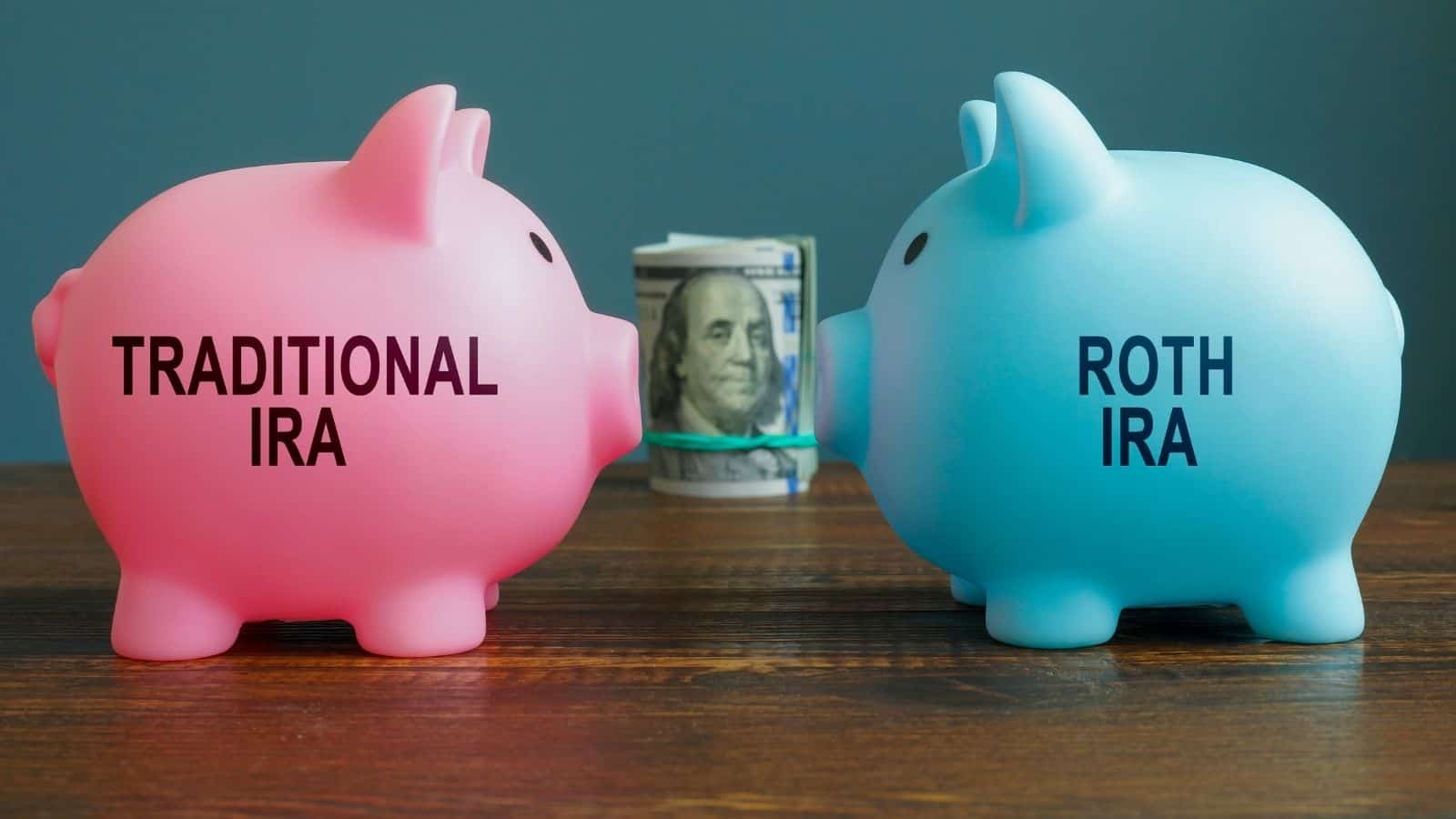
Taxes can take a surprisingly large bite out of your 401(k) withdrawals if you are not careful about when and how you pay them. Strategically converting traditional 401(k) funds to a Roth IRA during low-income years can save you a fortune in taxes over the long haul. By paying taxes now at a lower rate, you create a pool of tax-free money to draw from later when tax rates might be higher.
This strategy also helps you manage Required Minimum Distributions (RMDs) later in life, which can force you into a higher tax bracket. Having tax-free assets gives you control over your taxable income, keeping your Medicare premiums lower. It is a forward-thinking move that protects the purchasing power of every dollar you have saved.
Invest For Growth Not Just Income

Many retirees make the mistake of shifting entirely to bonds and cash, fearing that the stock market is too risky for their life stage. However, with a 30-year time horizon, you need stocks in your portfolio to outpace inflation and grow your purchasing power. Inflation is the silent killer of retirement plans, and fixed-income investments alone rarely keep up with the rising cost of living.
A balanced allocation that includes equities ensures that your portfolio has the engine it needs to recharge after withdrawals. You should maintain sufficient growth exposure to allow your money to compound, even while you are taking distributions. Think of your portfolio as a tree; you need to water the roots (stocks) so you can keep picking the fruit (income).
Build A Cash Bucket

To avoid selling stocks when the market is down, you should keep one to two years of living expenses in a liquid, safe account. This “cash bucket” serves as a psychological and financial buffer, providing peace of mind when headlines scream recession. You draw from this stable reserve for your daily needs, leaving your investments alone to recover from any volatility.
When the market is up, you can refill this bucket by skimming profits from your winning positions. This disciplined approach forces you to buy low and sell high without letting emotions drive your decisions. It turns market timing into a systematic process that protects your long-term security.
Review Your Fees

Investment fees might look small on paper, but over thirty years, they can eat away a massive chunk of your potential returns. A 1% difference in fees can cost you tens of thousands of dollars and significantly reduce your portfolio’s longevity. Take a hard look at the expense ratios of your mutual funds and the management fees you pay to advisors.
Switching to low-cost index funds or exchange-traded funds (ETFs) is often an easy win that instantly improves your net returns. You cannot control the market, but you can definitely control what you pay to invest in it. Keeping your costs rock-bottom is one of the most reliable ways to keep more money in your pocket.
Plan For Inflation

The prices of milk and gas will almost certainly be higher in twenty years than they are today, and your plan must account for that reality. The Social Security Administration announced a 2.8% Cost-of-Living Adjustment (COLA) for 2026, illustrating that expenses rarely stay flat. Your withdrawals need to increase over time to maintain your standard of living, or you will find yourself slowly falling behind.
Investments such as Treasury Inflation-Protected Securities (TIPS) or real estate investment trusts (REITs) can provide a natural hedge against rising prices. Building an inflation hedge into your portfolio is not optional; it is a survival tactic for a three-decade retirement. Ignoring inflation is the quickest way to lose your financial independence later in life.
Watch The “Lifestyle Creep”

It is easy to overspend in the early “go-go” years of retirement when you finally have the time to travel and dine out. However, data from The Motley Fool shows the median retirement savings is just $88,000, leaving little room for reckless spending. Creating a realistic budget that accounts for leisure without draining the budget is essential for reaching the finish line.
Track your spending rigorously in the first year to see where your money is actually going versus where you thought it would go. Being disciplined early on allows you to compound those savings in later years, when health costs typically spike. You want to enjoy your life, but you also want to ensure you can afford it at age 90.
Use Catch Up Contributions

If you are still working, even for a short while longer, maximizing your contributions now is the smartest move you can make. Workers over age 50 can make additional “catch-up” contributions to their 401(k) and IRAs, significantly boosting their final balance. Every extra dollar you tax-defer now is a dollar that can grow for decades before you have to touch it.
This is the final sprint to make up for lost time or lower savings rates in your younger years. Supercharging your savings in the final stretch can add years of longevity to your portfolio. It is a straightforward way to lower your current tax bill while padding your future income.
Consider An Annuity

For those who lose sleep over the stock market, purchasing a simple immediate annuity can provide a “pension-like” floor of income. Using a portion of your 401(k) to buy a guaranteed income ensures that your fixed expenses are covered no matter what the market does. This transfer of risk to an insurance company can be a huge relief, allowing you to invest the rest of your portfolio more aggressively.
Be very careful to avoid high-fee, complex products and stick to simple, transparent income annuities. The goal is to secure a paycheck for life, not to get sold a confusing product with hidden costs. A modest annuity can act as longevity insurance, protecting you if you live well past 95.
Face The Reality Check

It is vital to be honest about your financial position so you can adjust your plans before it is too late. PR Newswire reports that only 27% of retirees are very confident they can maintain a comfortable lifestyle, highlighting widespread anxiety. If your numbers don’t add up, it is better to delay retirement by a year or two than to run out of money.
Working a little longer has a double benefit: you increase your savings and reduce the number of years you need to rely on them. The average retirement age is currently 61, according to Gallup, but pushing that back even slightly can dramatically secure your future. A few more years of work can buy you decades of peace.
Keep An Emergency Fund

Retirement does not stop life from throwing curveballs, like a broken furnace or a sudden car repair. You need a separate emergency fund outside of your regular investment accounts to handle these shocks without disrupting your withdrawal plan. Withdrawing funds from your 401(k) for emergencies is often taxable and can harm your long-term compounding.
Keep this money in a high-yield savings account that is accessible while still earning a small interest rate. Having this liquidity prevents you from raiding your nest egg at the worst possible time. It is the moat that protects your castle, ensuring your long-term strategy remains intact despite short-term surprises.