15 Ways Your Body Reacts to a Day Without Food
Many individuals have, at some point, gone an entire day without food.
Fasting for 24 hours can trigger a range of physical and mental responses. Medical News Today indicates that within 6–8 hours, the body begins to use stored glycogen for energy, and after approximately 18–24 hours, it shifts to fat metabolism through ketosis. Understanding these effects is key to making informed decisions about your health and nutrition.
Let’s explore 15 notable effects that occur when you skip a day of eating.
Your Body Taps into Glycogen Stores

Your body’s primary fuel source is glucose, which it gets from the carbohydrates you eat. When you stop eating, your body first turns to its stored glucose, known as glycogen, located primarily in the liver and muscles. Within the first 8-12 hours, most of these liver glycogen stores are depleted as they are used to maintain stable blood sugar levels.
Blood Sugar Levels Drop
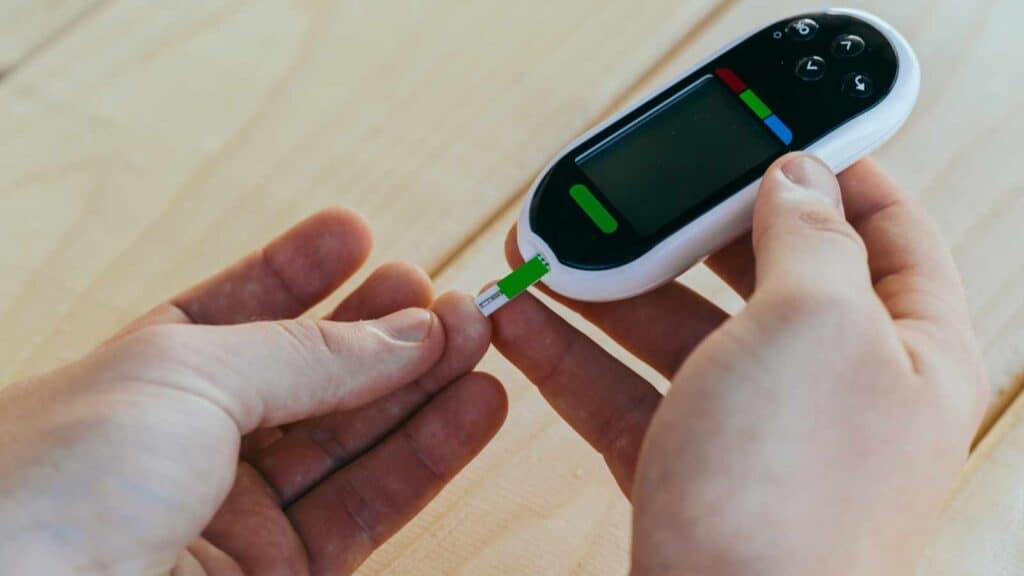
As your body uses up its available glucose, your blood sugar levels will naturally decrease. For most healthy individuals, this is a managed process. However, for those with conditions like hypoglycemia or diabetes, a significant drop can lead to dizziness, irritability, and headaches. These individuals must avoid prolonged fasting without medical supervision.
Ketosis Begins

Once glycogen stores are depleted, your body needs a new energy source. It switches from burning carbs to burning fat in a metabolic process called ketosis. The liver begins breaking down fatty acids to produce ketones, which the brain and other tissues can then use for energy. This is the same metabolic state people aim for on a ketogenic diet.
Metabolism May Temporarily Increase

Contrary to the popular belief that skipping meals immediately slows your metabolism, short-term fasting can have the opposite effect. Some studies suggest that fasting for periods up to 48 hours can actually boost metabolism by 3-14%. Experts believe this may be due to an increase in the hormone norepinephrine, which encourages your body to burn more calories. However, this effect is temporary and reverses with prolonged fasting.
Hunger Pangs May Come and Go

You might expect to feel ravenously hungry for the entire 24 hours, but that’s not always the case. The hormone ghrelin regulates hunger. Ghrelin levels rise and fall in waves, often peaking around your usual mealtimes. Many people who fast report that intense hunger pangs last for a short while and then subside, especially after the initial 12-16 hours.
You Might Experience a Headache

Headaches are a common side effect of fasting, particularly for those new to it. They can be triggered by several factors, including low blood sugar, dehydration, and caffeine withdrawal if you’re a regular coffee or tea drinker. Staying hydrated by drinking plenty of water can help minimize this effect.
Your Energy Levels Fluctuate

Energy levels during a fast can be a mixed bag. Initially, you might feel tired and lethargic as your body adjusts to the absence of food and lower blood sugar. However, once ketosis kicks in, many people report a surprising surge in energy and a feeling of alertness as the brain begins to efficiently use ketones for fuel.
Mental Clarity Could Improve

This might seem counterintuitive, but after getting past the initial “hangry” phase, some individuals experience heightened mental focus and clarity. This is often attributed to the brain running on ketones and an increase in brain-derived neurotrophic factor (BDNF), a protein that supports neuron health.
Lone Star Neurology reports that Ketones from fasting serve as an efficient source of brain cognitive function. They provide steady energy that reduces harmful stress compared to glucose. This protects nerve cells from damage and supports long-term mental sharpness.
Your Body Initiates Cellular Repair

One of the most significant benefits of fasting is a process called autophagy. This is your body’s way of cleaning house at a cellular level. During autophagy, cells remove old, damaged components and recycle them for energy or to build new parts. This cellular cleanup process is linked to longevity and plays a role in protecting against various diseases.
Human Growth Hormone (HGH) Levels Increase

Fasting is a potent stimulator of Human Growth Hormone (HGH) production. A study published in The Journal of Clinical Endocrinology and Metabolism found that HGH levels increased fivefold during a 24-hour fast.
HGH is important for muscle growth and cell repair. This spike helps preserve muscle mass and shift the body toward burning fat for energy.
You May Feel Irritable or Moody

While some experience mental clarity, others may struggle with mood swings. Low blood sugar can lead to irritability, anxiety, and a short temper. Your brain is highly sensitive to drops in its primary fuel source, and this can manifest as emotional instability, especially in the early stages of a fast.
Sleep Can Be Disrupted

Fasting can impact your sleep patterns. The increase in alertness from hormones like norepinephrine and orexin can make it harder to fall asleep or stay asleep. While some people report sleeping more deeply, others find themselves feeling restless and awake during the night.
Dehydration Becomes a Risk

A surprising amount of our daily water intake comes from the food we eat. When you skip a day of eating, you miss out on this hydration. It’s essential to consciously drink more water than usual to avoid dehydration, which can cause fatigue, dizziness, and those pesky fasting headaches.
You Might Feel Cold

Your body generates heat when it digests and metabolizes food—a process known as the thermic effect of food. When you’re not eating, this process halts, which can lead to a slight drop in your core body temperature. This is why it’s common to feel a bit colder than usual during a fast.
Bad Breath Can Occur

An unfortunate but common side effect of ketosis is “keto breath.” As your body breaks down fats, it produces acetone, a type of ketone that is expelled through the breath. This can result in a distinct, sometimes fruity or metallic-smelling odor. It’s a clear sign that your body has fully entered a fat-burning state.
Final Thoughts

Skipping a day of eating sets off a complex series of events in your body, shifting it from a state of burning glucose to one of burning fat. While it can trigger beneficial processes like autophagy and increase HGH, it also comes with potential side effects like headaches, mood swings, and dehydration.
For most healthy adults, a 24-hour fast is generally safe, but it’s not for everyone. Individuals with underlying health conditions, pregnant or breastfeeding women, and those with a history of eating disorders should avoid it. As with any significant change to your diet, listening to your body is paramount.
Science Tells Us What To Expect As We Age: Strategies for Thriving in Later Life

Science Tells Us What To Expect As We Age: Strategies for Thriving in Later Life
How does aging affect our bodies and minds, and how can we adapt to those differences? These are questions that pertain to us all. Aging gradually alters people over decades, a long period shaped by individuals’ economic and social circumstances, their behaviors, their neighborhoods, and other factors. Also, while people experience common physiological issues in later life, they don’t follow a well-charted, developmentally predetermined path. Let’s take a look at what science has told us to expect.
Why Supersonic Flights Vanished From Our Skies

Why Supersonic Flights Vanished From Our Skies
Every year on August 19th, National Aviation Day celebrates the marvels of flight and the pioneers who made it possible. But as we look to the skies, one question lingers. If we could fly from New York to London in under three and a half hours back in the 1970s, why are we still taking nearly seven today? Supersonic travel was once a thrilling reality. So, what grounded it?