12 Things the Middle Class Think Are Status Symbols but Mean Nothing to Poor
Middle-class status symbols collapse fast once you see how little they matter to anyone fighting for basic needs.
Keeping up with the Joneses is a full-time sport in the suburbs, but the rules change entirely when you cross to the other side of the tracks. While the middle class is busy signaling their virtue and success through specific purchases, those focusing on survival see these items as confusing or wasteful. To a family watching every dime, these shiny badges of honor often look like financial traps rather than trophies.
We may often convince ourselves that specific brands or lifestyles prove we have finally arrived, yet these signifiers fall flat for people who value utility over aesthetics. There is a strange disconnect where one group views a necessary luxury and the other sees money burning a hole in their pocket. When you strip away the marketing and the peer pressure, many of these status symbols are just expensive clutter.
The Obsession With Organic And Whole Foods

Walking into a high-end grocery store feels like entering a temple of health where the entry fee is your entire paycheck. People in the middle class view buying organic kale and non-GMO crackers as a sign that they are responsible and caring parents. However, for someone stretching a food budget, paying double for an apple because it has a sticker is nonsensical.
The price difference is not just in your head; the premiums on these items are genuinely staggering when you examine the data. According to a study by Consumer Reports, organic foods cost an average of 47 percent more than their conventional counterparts. That extra cost is a luxury tax that many hardworking families simply cannot afford to pay.
Homeowners Association Neighborhoods
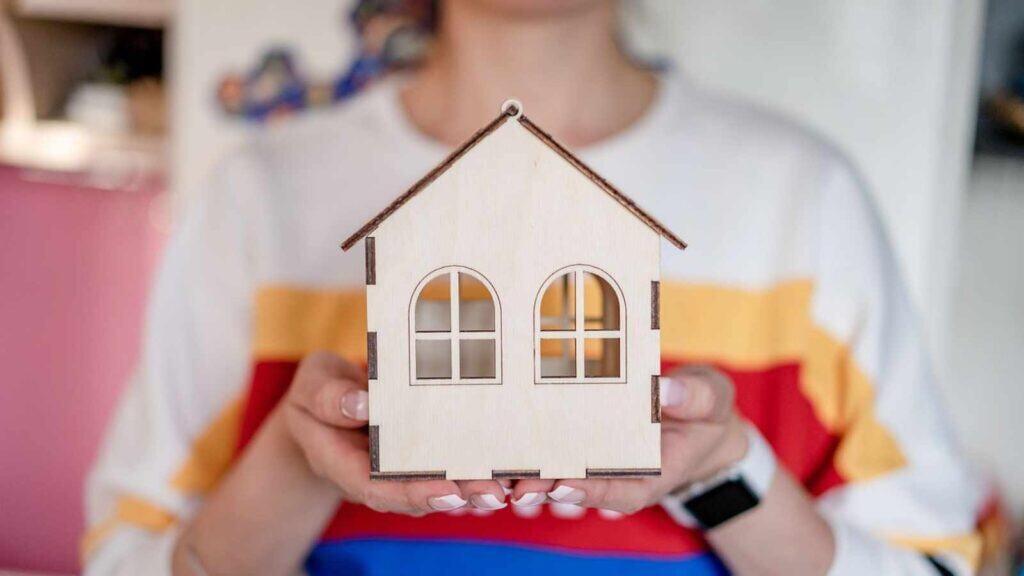
There is a specific type of suburban prestige associated with living in a community that has gate codes and strict rules regarding grass height. Middle-class buyers often flock to these areas to protect their property values and ensure conformity with their neighbors. To an outsider, paying a monthly fee for the privilege of being told what color to paint your mailbox sounds like a scam.
The costs associated with these regulated neighborhoods can consume a significant portion of a monthly budget without providing immediate shelter benefits. Data from the U.S. Census Bureau suggest that the average monthly HOA fee ranges from $120 to $184, with some fees climbing significantly higher. For a low-income renter, that money represents groceries for two weeks, not a fee for manicured common areas.
Expensive Liberal Arts Degrees

For decades, a university diploma from a recognizable school was the ultimate ticket to the American Dream and a topic of polite dinner conversation. Parents beam with pride when their kids head off to study philosophy or art history at a private college. But for those grounded in the reality of immediate employment, spending a fortune on a degree with no direct job path is baffling.
The return on investment for higher education has become a hot topic as tuition costs have skyrocketed past the rate of inflation. The Motley Fool reports that the estimate of total student loan debt has ballooned to over $1.7 trillion, creating a financial anchor for millions. Taking on that level of debt without a guaranteed high-paying job looks less like success and more like a gamble.
Boutique Gym Memberships

Sweating it out at a club that charges more than a car payment has become a massive flex for the upwardly mobile crowd. Posting a selfie from a spinning class or a hot yoga studio signals that you have both the time and money to curate your physique. A person who works a physical job all day finds the idea of paying to lift heavy things absolutely hilarious.
The industry thrives on people signing up for the status but rarely showing up to do the actual work. A Mirrors Delivered report revealed that Americans waste roughly $1.3 billion annually on unused gym memberships. That is a staggering amount of cash thrown away just to carry a branded key fob on a keychain.
Minimalism As An Aesthetic Choice

There is a growing trend where people purge their belongings to live in stark, empty spaces that look like magazine spreads. The middle class refers to this as minimalism and views it as a spiritual cleansing that frees them from the grip of consumerism. For the poor, having very few possessions is not a design choice but a harsh reality of life.
Ironically, achieving the perfect, curated look often requires a significant amount of money, despite having nothing. Rich people buy less to look chic, while poor people buy less because their bank accounts are empty. This “less is more” attitude can feel patronizing to anyone who has ever had to sell their belongings to pay a utility bill.
Brand Loyalty To Outdoor Gear

You have likely seen the coolers and insulated mugs that cost five times as much as the generic versions at the hardware store. Owning a Yeti or a Patagonia fleece suggests you are an adventurer who is ready to scale a mountain at a moment’s notice. Most people need a cooler that keeps ice from melting for an afternoon, not one certified bear-proof for a week.
The marketing around these products is brilliant, convincing suburbanites they need professional-grade gear for a backyard barbecue. Ideally, you want gear that works, but paying for a logo is a game for people with disposable income. It is a strange phenomenon where the gear itself becomes more important than the activity it was meant for.
The Cult Of Coffee Culture

Carrying a cup with a green siren or a specialized roaster’s logo is a daily ritual that screams, “I am a busy professional.” We have normalized the idea of spending $6 or $7 on a latte as a morning treat. To someone counting every penny, burning that much cash on bean water is the definition of financial irresponsibility.
This daily habit adds up to a shocking annual expense that could fund an emergency savings account or pay down debt. According to a report by the NCA, consumers spend more than $300 million a day on coffee. That figure represents a significant investment in a house or a budget to help many families struggling to get by.
Smart Home Gadgets
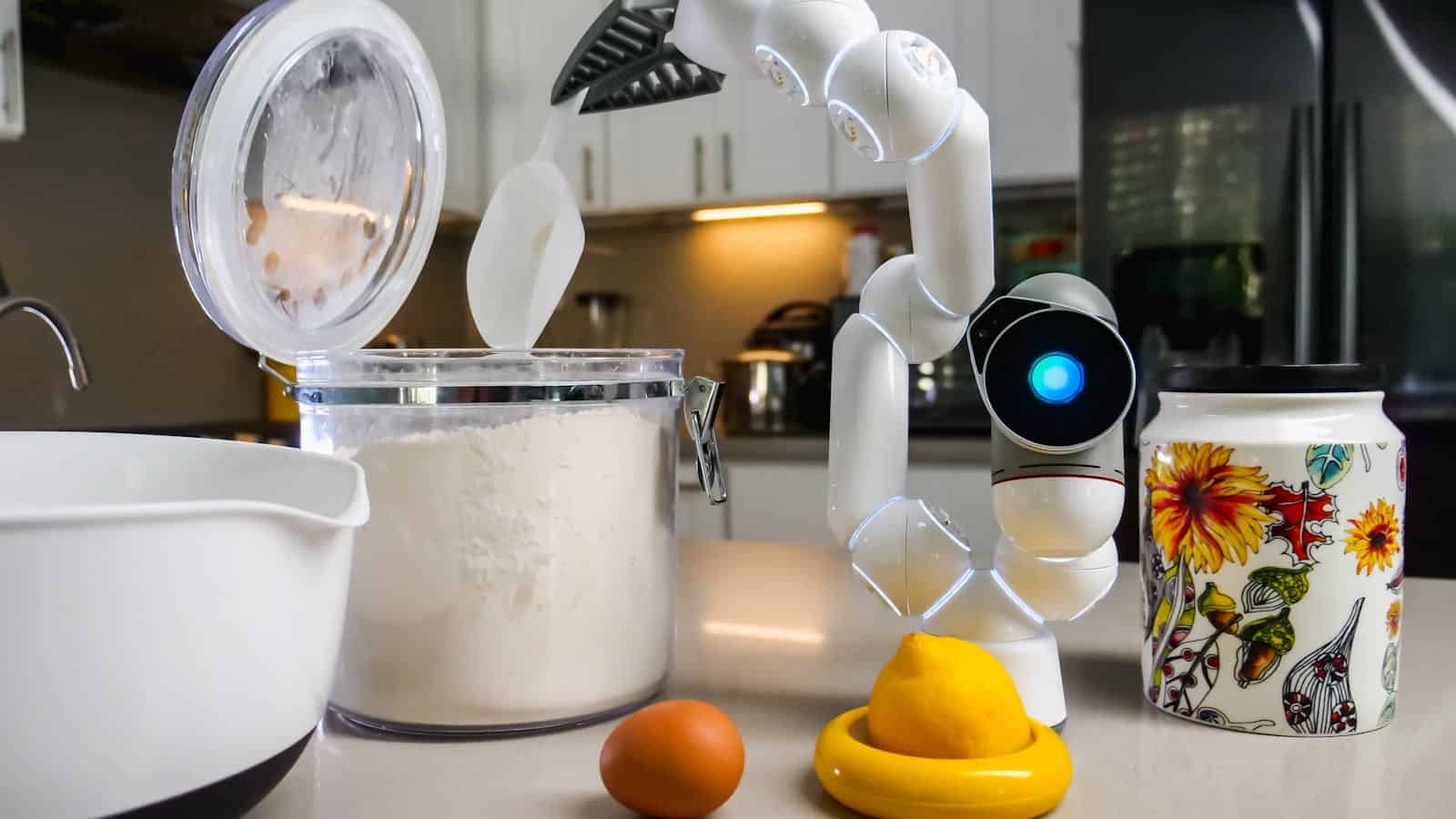
Walking into a house where you can shout at the ceiling to turn on the lights feels very futuristic and cool. Middle-class homeowners love installing video doorbells, smart fridges, and thermostats that learn their schedule. However, these gadgets often solve problems that did not really exist in the first place.
The convenience is undeniable, but the dependency on expensive tech for basic functions can seem silly. If the internet goes down, you should still be able to turn on your kitchen lights without a struggle. For those used to manual labor and simple living, a fridge that tweets feels like the peak of laziness.
Purebred Designer Dogs

The family dog has evolved from a scruffy rescue to a genetically engineered status symbol with a funny name like “Labradoodle.” People will spend thousands of dollars to get a puppy with a specific coat texture and temperament. Meanwhile, animal shelters are overflowing with great dogs that cost next to nothing to adopt.
The pet industry knows that people view these animals as extensions of their own personal brand and style. Spending the equivalent of a used Honda Civic on a puppy is a massive display of discretionary income. It creates a weird hierarchy where even man’s best friend is judged by a price tag.
Excessive Busy-ness

In corporate America, responding to “How are you?” with “I am so busy” is actually a subtle way to brag about your importance. The middle class wears exhaustion like a badge of honor, proving they are in demand and working hard. For the working poor, being overworked is not a status symbol but a grueling condition of survival.
This glorification of hustle culture overlooks the toll that stress takes on the body and mind. There is nothing glamorous about working two jobs to make ends meet. The difference lies in whether the busy schedule is a choice for advancement or a necessity for existence.
Wine Knowledge And Pairing

Ordering wine at dinner has become a complex performance art involving swirling, sniffing, and discussing tannins. Being able to distinguish a Pinot Noir from a Merlot is often seen as a sign of sophistication and cultural refinement. Most people just want a drink that tastes good and takes the edge off a long day.
The price of wine often has very little to do with the actual quality or enjoyment in a blind taste test. A ten-dollar bottle often does the job just as well as a hundred-dollar vintage. Turning a beverage into an intellectual exam is a classic way to gatekeep social status.
Exotic “Experiences” Over Things

The new flex is not about the car you drive but the stamps in your passport and the photos on your social feed. Middle-class families invest money in trips to Bali or Iceland to demonstrate their worldly and adventurous nature. Travel is wonderful, but it is an incredibly expensive hobby that requires time off work.
While memories are valuable, the pressure to curate a life full of photogenic moments can be exhausting. For many, a “staycation” is not a trendy choice but the only option available. The ability to leave your life behind for two weeks is perhaps the ultimate luxury.
15 Things Women Only Do With the Men They Love

The 15 Things Women Only Do With the Men They Love
Love is a complex, beautiful emotion that inspires profound behaviors. We express our love in various ways, some universal, while others are unique to each individual. Among these expressions, there are specific actions women often reserve for the men they deeply love.
This piece explores 15 unique gestures women make when they’re in love. From tiny, almost invisible actions to grand declarations, each tells a story of deep affection and unwavering commitment.