Self-Checkout Kiosks Are Hotspots for Rising Skimming Scams
Self-checkout systems can slash retail labor costs by up to 50%, saving businesses millions annually and driving the US market value to over $2 billion in 2024, according to a study by Global Market Insights, Inc. But this focus on operational efficiency has created a vast, unsecured back door for high-tech crime. When skimming gangs attach hidden devices to these unsupervised terminals, the resulting financial chaos is anything but efficient.
While banks typically reimburse skimmed customers, you are left dealing with frozen funds, identity theft anxiety, and the hassle of replacing cards. Meanwhile, the retailer faces skyrocketing fraud-related “shrinkage”—a hidden expense that can offset their labor savings—and a massive blow to customer trust.
The supposed convenience comes at a high security price, and both the dealer and the customer are paying for the retail industry’s push for automation over protection.
Unattended Register Trap
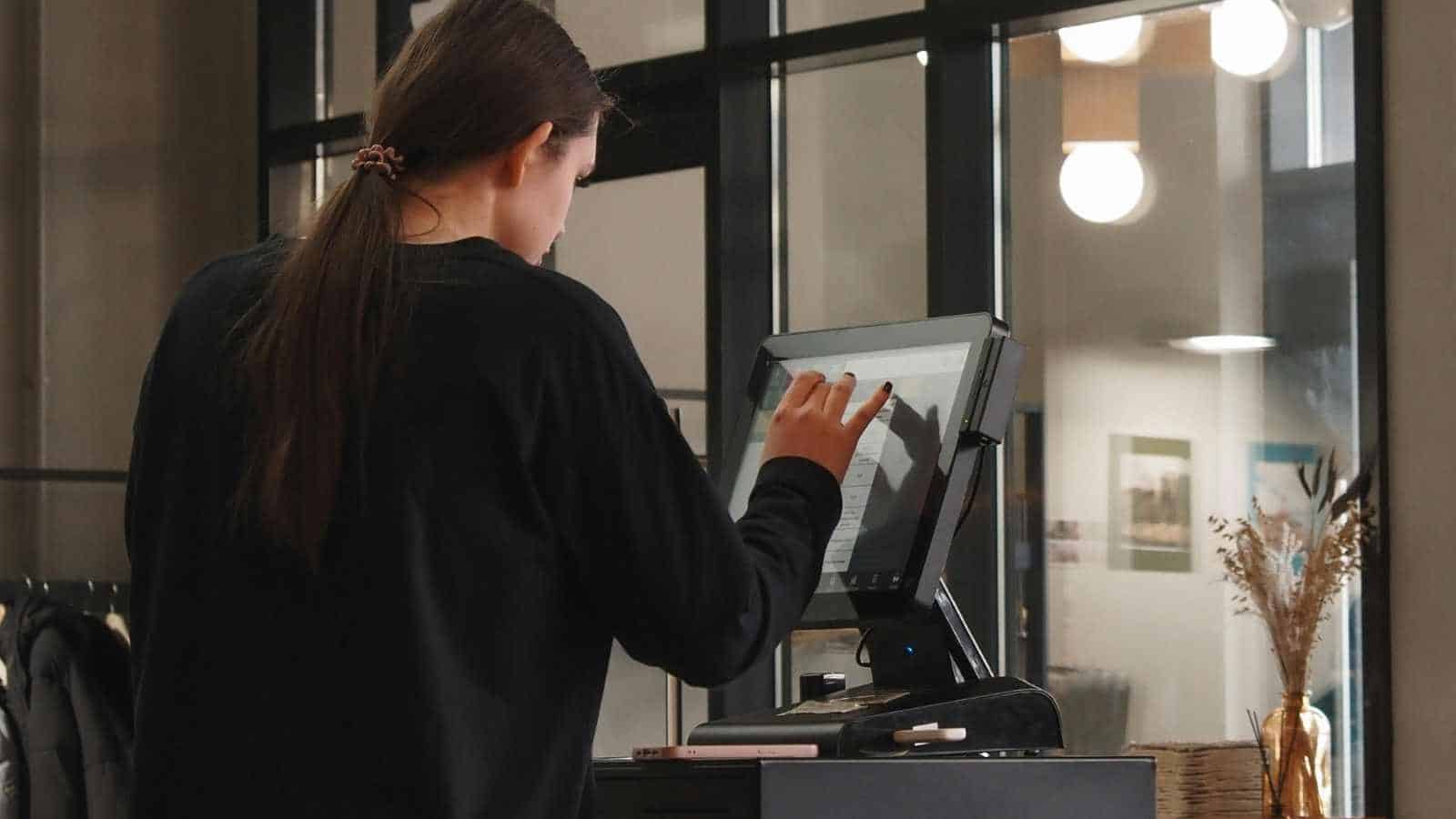
Self-checkout kiosks are a dream for criminals because they are essentially unmonitored. Unlike a cashier’s lane, there is no person actively looking at the card reader 40 hours a week. Thieves can install skimmers—tiny devices that fit over the real card slot—in minutes.
A 2024 warning from the Federal Bureau of Investigation (FBI) highlighted that skimmers are becoming more sophisticated and difficult to spot. This lack of constant human surveillance is the single biggest security flaw retailers have created.
New Breed of Invisible Skimmers
Forget bulky green devices. The latest generation of skimmers are slim, internal devices. They are often placed inside the machine by criminals wearing technician vests, or are designed to match the kiosk’s aesthetics perfectly.
According to a report from security firm FICO, modern Bluetooth-enabled skimmers can store thousands of card details and transmit them wirelessly. This means the criminals do not even need to revisit the kiosk to download your stolen data, making the heist entirely contactless and low-risk for them.
The Liability Loophole and Why It Matters
When fraud occurs, the financial fallout can be complex. While banks typically reimburse customers for fraudulent charges, the initial freeze on your funds is disruptive. More concerning is the unsettling shift of liability.
Retailers are pressured to upgrade technology, but many delay. Because the crime occurs on the retailer’s equipment, security experts are pushing for stricter legal mandates to make stores financially accountable for preventable skimming incidents on their watch.
Retailers’ Race to Deploy
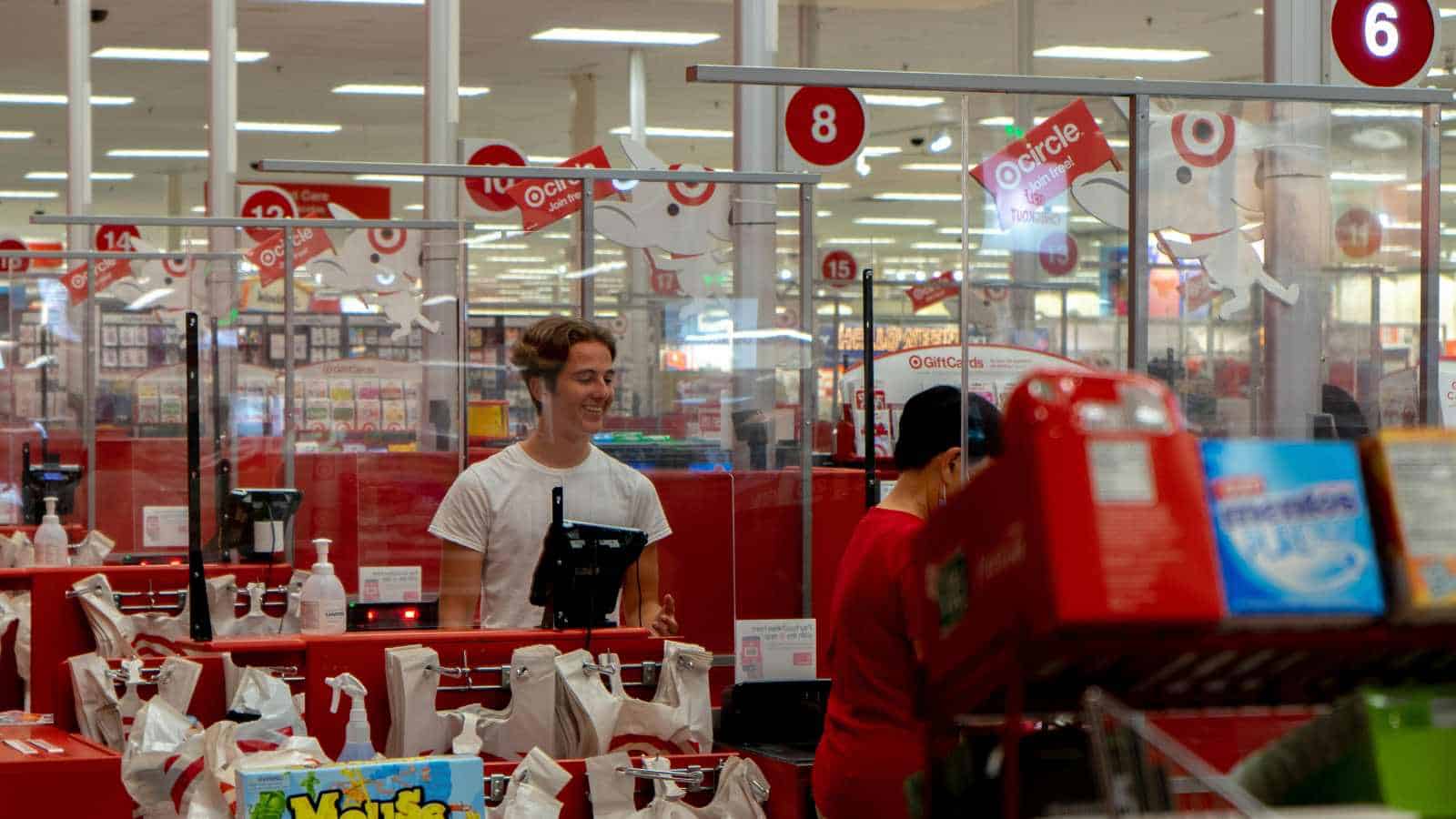
The rush to cut labor costs has put self-checkout machines everywhere, but security has not kept pace. Many retailers prioritize speed and customer experience over rigorous hardware inspection.
A study published by Hira and Susan noted that many retail chains use the same standardized kiosk model across hundreds of stores. Once a skimming gang figures out how to attack one type of machine, they can replicate the hack nationwide with frightening speed.
The Shocking ATM-to-Retail Shift
For years, ATMs were the primary target for card skimmers because they handle high volumes of cash and card transactions. Now, the tide has turned. Banks have invested heavily in security measures like anti-skimming technology and tamper-proof card readers.
Criminals simply look for the path of least resistance. Since self-checkout kiosks use simpler, cheaper payment terminals, they have become the soft, lucrative targets that criminals now prefer over bank machines.
PIN Pads and The Hidden Cameras
Skimming is not just about the card number; thieves also want your PIN. To capture the four-digit code, they often place tiny pinhole cameras above the keypad. Sometimes, they use a fake keypad overlay that registers the PIN as you type it.
A law enforcement bulletin recently noted a spike in combined skimming operations: a skimmer on the card slot, and a nearly invisible camera hidden in the kiosk’s display housing. It is a two-pronged attack to drain bank accounts.
Peak Shopping
When do these thefts happen? Not necessarily in the dead of night. Criminals prefer high-traffic, chaotic periods when shoppers and employees are distracted. Think busy Saturday afternoons or the frenetic holiday season rush.
During these times, people are moving quickly and are less likely to notice someone briefly leaning over a kiosk to apply a skimmer. The sheer volume of transactions also means a single device can harvest hundreds of cards quickly.
How to Spot a Fake Reader
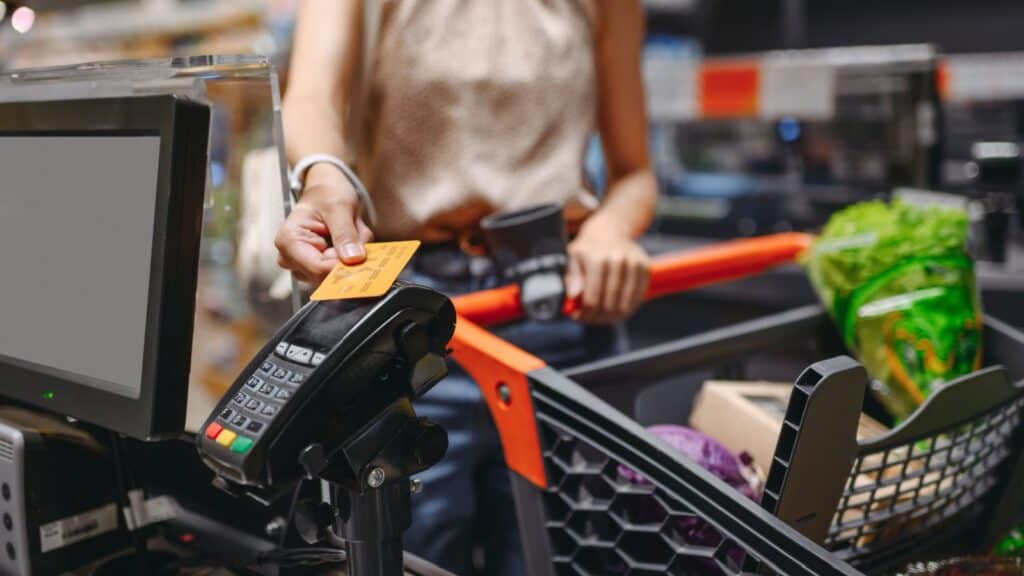
You can fight back by becoming a paranoid shopper. The simplest defense is the “wiggle test.” Grab the card reader and PIN pad and try to wiggle them. If any part feels loose, bulky, or slightly raised, do not use it—it is likely a skimmer overlay.
Also, compare the card reader to others in adjacent lanes; if one looks slightly different, avoid it. This simple physical check is often the difference between safe shopping and a stolen identity.
Expert Warning
Security experts say the fundamental issue is the continued use of old magnetic stripe (magstripe) technology. The data on a magstripe is static and easily copied.
Chip cards (EMV) are far safer because they generate a unique transaction code every time. However, even with chip use, the terminals still have a magstripe reader for backup. Use the chip every single time.
Mobile Payments
One simple workaround bypasses the vulnerable hardware entirely: tap-to-pay via your smartphone. Using services like Apple Pay or Google Wallet generates a one-time token for the transaction instead of exposing your actual card number.
This process, known as tokenization, means that even if a skimmer is attached, it intercepts a useless, one-time-use code. Making the switch is the single most effective way to render the skimmer technology completely useless.
Don’t Ignore Your Bank Alerts
Criminals often test a stolen card with a small charge—maybe a $1 or $5 purchase—to confirm it is active before draining the account. This is why having real-time transaction alerts from your bank is crucial.
If you see a tiny charge from a city you have not been to, that card has likely been skimmed. Immediately lock the card or call your bank. Quick detection can prevent the small test charge from turning into a devastating financial loss.
Key Takeaways
- Self-Scan Slips: Self-checkout kiosks are the primary target now, due to zero-supervision deployment by retailers.
- Wiggle-Check Everything: Always physically check the card slot and PIN pad for loose, bulky, or easily removable overlays; this is your first line of defense.
- Go Contactless: Use Apple Pay, Google Wallet, or any tap-to-pay method. Tokenization makes stolen data worthless to thieves.
- Mind the Magstripe: If forced to swipe instead of using the chip, consider paying elsewhere. The magstripe is the weak link in the chain.
- Alerts are Lifelines: Turn on all bank transaction notifications to catch the small, testing charges that signal your data has been compromised.
Disclosure line: This article was developed with the assistance of AI and was subsequently reviewed, revised, and approved by our editorial team.
20 Odd American Traditions That Confuse the Rest of the World

20 Odd American Traditions That Confuse the Rest of the World
It’s no surprise that cultures worldwide have their own unique customs and traditions, but some of America’s most beloved habits can seem downright strange to outsiders.
Many American traditions may seem odd or even bizarre to people from other countries. Here are twenty of the strangest American traditions that confuse the rest of the world.
20 of the Worst American Tourist Attractions, Ranked in Order

20 of the Worst American Tourist Attractions, Ranked in Order
If you’ve found yourself here, it’s likely because you’re on a noble quest for the worst of the worst—the crème de la crème of the most underwhelming and downright disappointing tourist traps America offers. Maybe you’re looking to avoid common pitfalls, or perhaps just a connoisseur of the hilariously bad.
Whatever the reason, here is a list that’s sure to entertain, if not educate. Hold onto the hats and explore the ranking, in sequential order, of the 20 worst American tourist attractions.