What caroling teaches us about the joy of singing
Research on synchronized breathing, memory, and social bonding helps explain why communal singing like caroling continues to foster connection in an increasingly fragmented world.
There is a particular kind of joy that comes from singing with other people, especially during winter. It is quieter than excitement and steadier than celebration. Caroling embodies that joy. It is not flashy or demanding. It unfolds slowly, song by song, breath by breath.
In a culture that often treats music as a product to consume, caroling asks people to become the source. That shift changes everything. When people sing together, they create something that exists only in that moment. It cannot be streamed, saved, or perfectly replicated. That fleeting quality makes it precious. Caroling offers a rare chance to experience joy that does not need to be documented or shared online. It simply needs to be felt.
Singing Together Creates Belonging
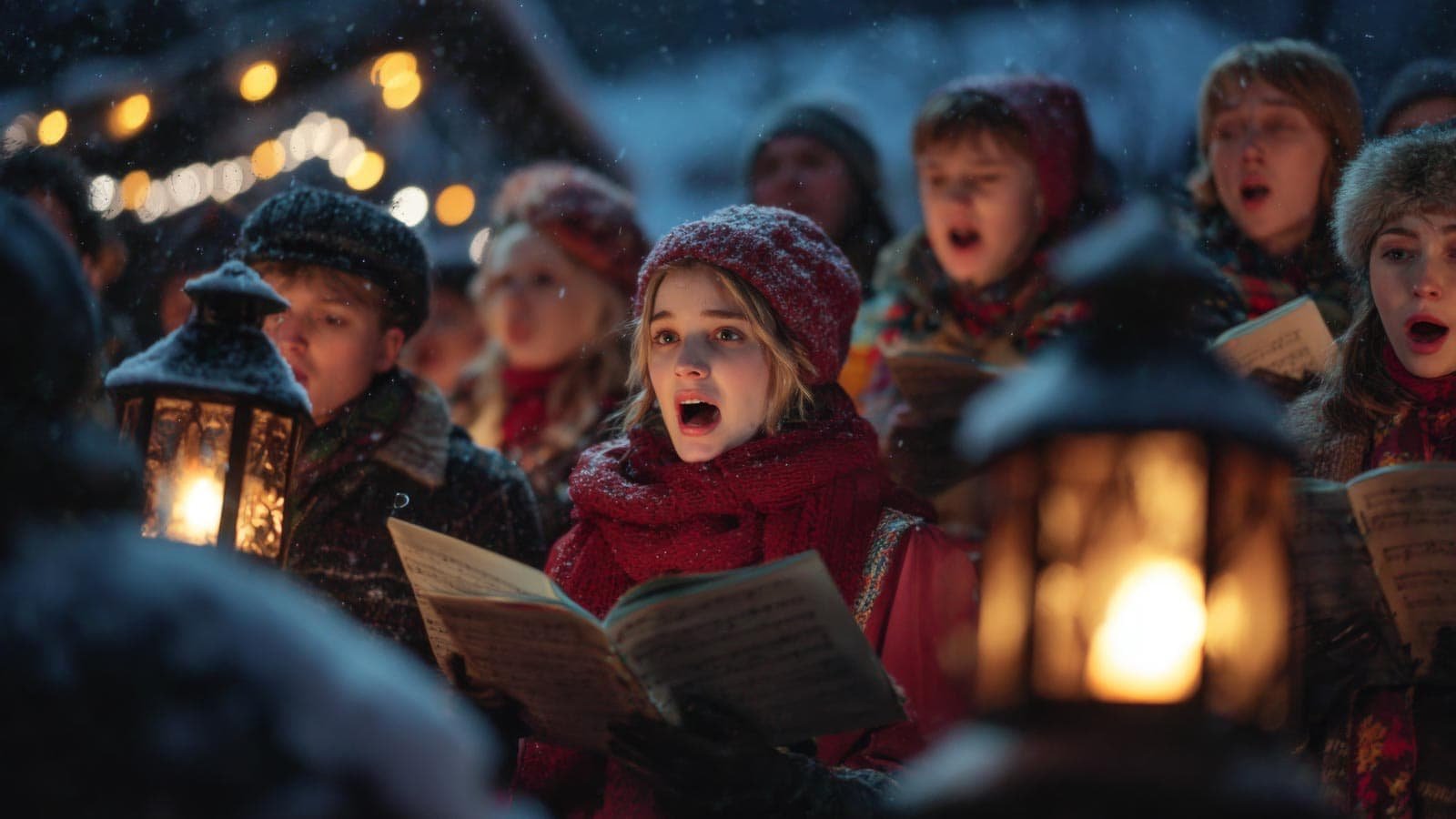
One of the most powerful aspects of caroling is how quickly it creates a sense of belonging. People who may not know one another find themselves aligned by melody and rhythm.
Singing together dissolves hierarchy. Age, status, and background matter less than participation. Everyone contributes to the same sound.
This equality can feel especially meaningful during the holidays, when social divisions often feel sharper. Caroling reminds people that shared experience still matters.
The Simplicity of Shared Songs
Carols are intentionally simple. Repetition makes them accessible. Choruses invite participation even when verses are unfamiliar.
That simplicity is not accidental. These songs were designed to be sung by communities, not professionals. Their structure prioritizes inclusion.
When people sing familiar songs together, they share more than sound. They share timing, breath, and attention. That alignment creates subtle but real connection.
Why Voices Sound Better Together
Individual voices may feel insecure alone, but together they gain strength. Small imperfections blend into harmony. Confidence grows as people realize they are supported.
This phenomenon reflects something broader about community. Strength often emerges through collective effort rather than individual excellence.
Caroling makes that lesson audible. You can hear how voices carry one another.
Caroling Encourages Presence
Singing requires attention. You cannot fully sing while multitasking. Caroling pulls people into the present moment. That focus can feel restorative. For a few minutes, worries quiet. Breathing deepens. Bodies warm.
This presence is one reason caroling feels so satisfying. It offers a pause that is active rather than passive.
Intergenerational Connection Through Song
Caroling often brings together people of different ages. Children sing alongside adults. Elders remember verses long forgotten by others. This intergenerational sharing strengthens community memory. Songs become bridges between experiences.
For children, caroling can feel empowering. Their voices matter. For adults, it can feel grounding to share something familiar across time.
Why Caroling Resists Commercialization
Caroling remains difficult to commercialize because it relies on participation rather than consumption. You cannot outsource it. This resistance gives it integrity. It exists outside metrics of success or popularity.
In a season saturated with marketing, that independence feels refreshing.
The Emotional Afterglow of Singing Together
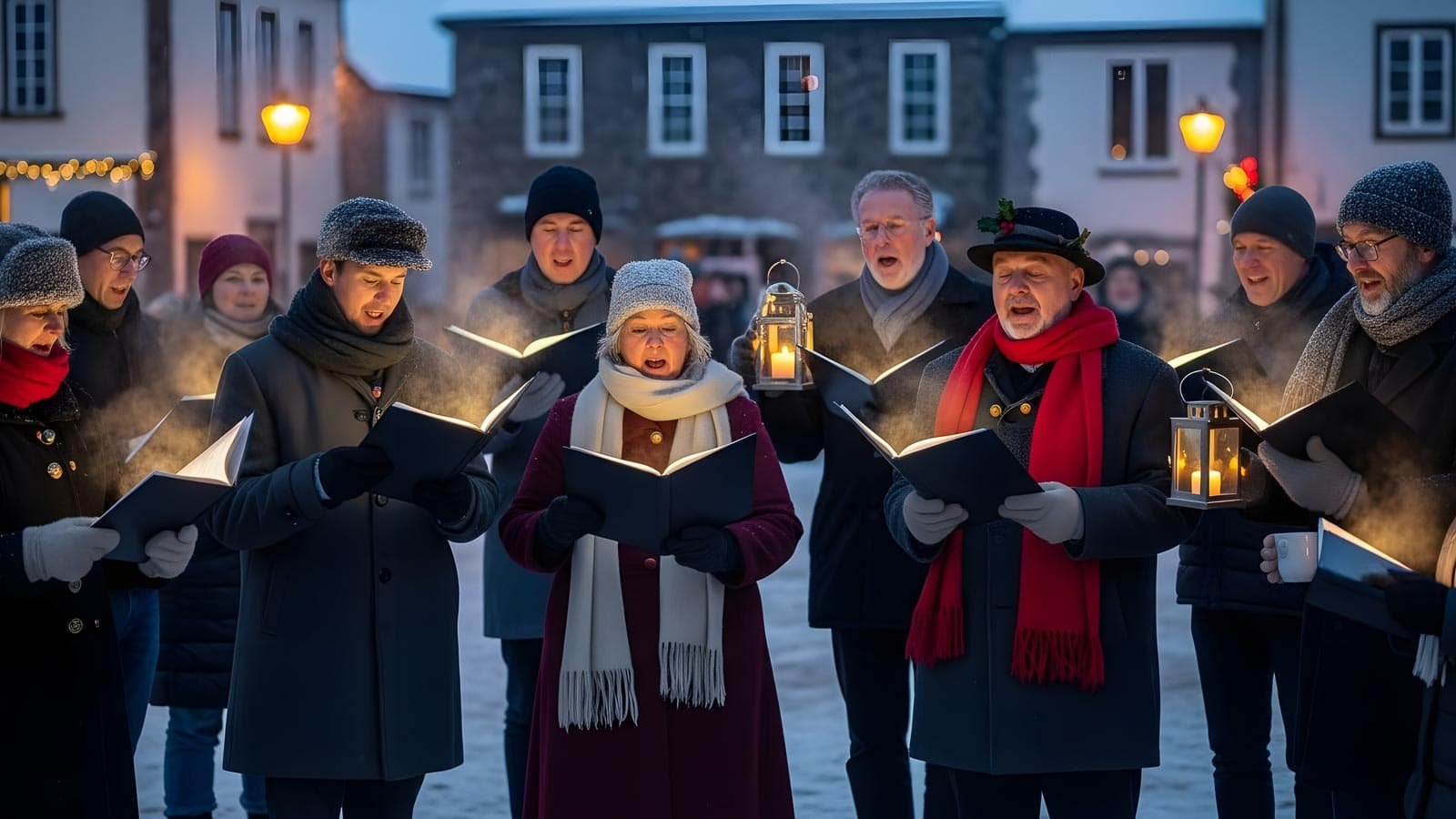
After caroling ends, something lingers. People often feel calmer, warmer, and more connected. This afterglow comes from both physical and emotional factors. Singing releases tension. Shared experience fosters trust.
The result is a quiet joy that does not demand attention but stays present.
Caroling as an Act of Care
Caroling can be an offering. Singing demonstrate care for neighbors, friends, or strangers. It says, we thought of you. We showed up. That gesture can matter deeply, especially for people who feel unseen during the holidays.
Why We Keep Coming Back to Caroling
Despite changing traditions and technologies, caroling persists. It meets a human need that remains unchanged.
People still crave connection. They still respond to shared rhythm and sound. Caroling offers those things without complexity. It asks only that people gather and sing. In doing so, it creates a joy that feels earned, shared, and quietly profound.
Why Holiday Baking Isn’t Relaxing Anymore For Many
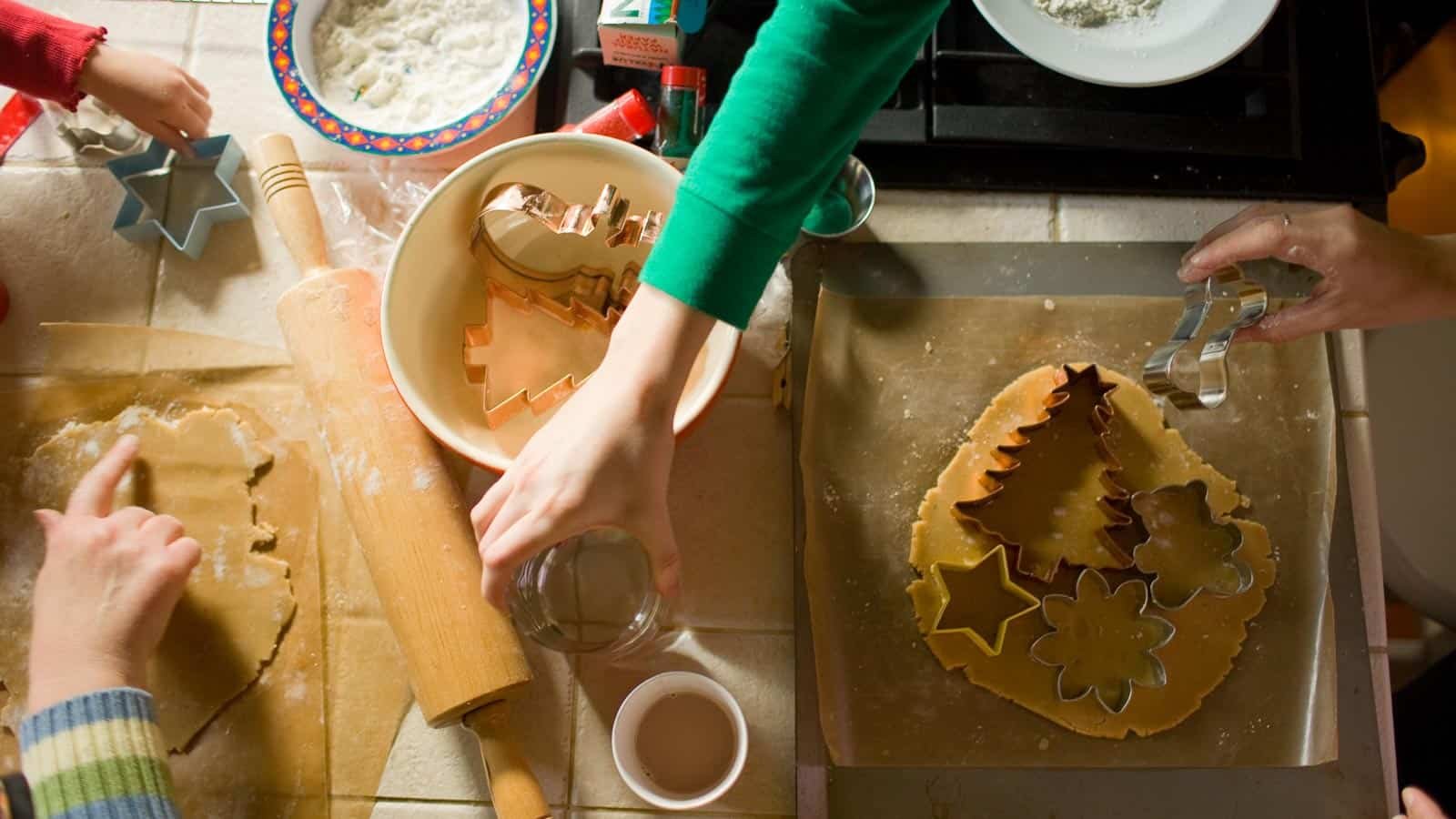
Amid a season when social feeds showcase impossibly perfect spreads, the most telling trend is that emotional readiness—not ingredients—predicts whether holiday baking soothes or overwhelms.
Preparing for Christmas baking is rarely just about flour and recipes. It is about memory, expectation, and emotion layered heavily onto an already busy season. Many people enter December holding both excitement and emotional weight. Family traditions bring joy but also comparison pressure. Past holidays carry nostalgia and sometimes grief. Meanwhile, social media floods feeds with impossibly elaborate cookie spreads and bakery level desserts that quietly elevate anxiety. Learn more.