10 arguments for women serving as pastors
What if the resistance to women pastors says less about biblical faithfulness and more about the traditions we’ve never stopped to examine?
The conversation around female leadership within the church has gained significant momentum recently, sparking deep theological reflection and spirited debates across various denominations. While traditions vary, many communities are finding that inclusive leadership structures bring a fresh vitality and necessary balance to their congregations. Embracing women in pastoral roles is often seen as a return to the collaborative spirit found in the early church’s history.
As we examine the scriptures and the current needs of the church, compelling reasons emerge to support women stepping into the pulpit and leading the flock. This shift is not just about modern equality but about recognizing the full scope of gifts God has distributed among His people. As we explore these points, we see how female leadership can enrich the spiritual life of the entire community.
Biblical Precedent In Leadership
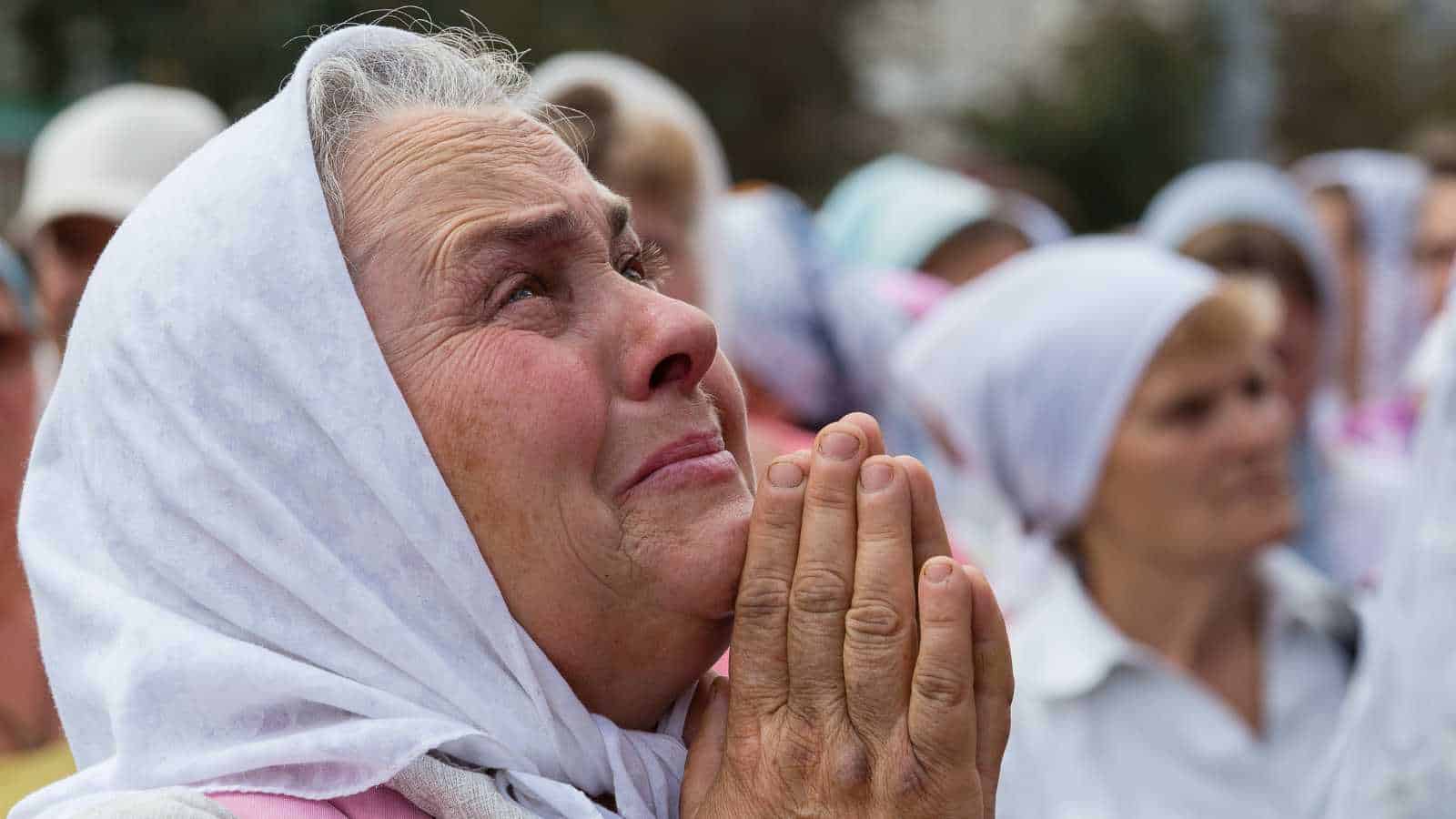
Scripture is filled with examples of women who held significant authority and led God’s people with wisdom and courage, challenging the idea that leadership is male-only. The Old Testament features Deborah, a judge and prophet who led Israel to victory and resolved disputes. Her story serves as a powerful testament that God calls individuals based on character and capability rather than gender.
In the New Testament, we see figures like Junia, whom Paul describes as “outstanding among the apostles,” acknowledging her vital role in the early ministry. These biblical accounts provide a historical foundation for women serving in high-level spiritual capacities today. According to Eileen Campbell Reed on the State of Clergywomen in the U.S., female clergy grew from 2.3% in 1960 to 20.7% in 2016, reflecting this returning alignment with scripture.
Education And Theological Readiness

Women are increasingly pursuing advanced theological education, equipping themselves with the knowledge and skills necessary for effective pastoral ministry. Seminaries across the nation are seeing a surge in female enrollment, with women often outperforming their male counterparts in academic rigor. This dedication ensures that the pulpit is filled with leaders who are well-prepared to handle scripture.
The argument that women are less theologically trained no longer holds water in the face of current academic statistics. For instance, Denver Seminary reported in 2023 that women made up 54% of their student body, showcasing a clear readiness to lead. This wave of educated women brings a depth of understanding that benefits the entire church body.
Differing Perspectives And Empathy

Men and women often experience life differently, and having a female voice in the pulpit brings a distinct perspective to biblical interpretation and pastoral care. Women frequently approach conflict resolution and community building with an emphasis on collaboration and emotional intelligence. This diversity of thought enriches the congregation’s understanding of God and human relationships.
A church led solely by men may miss out on the specific spiritual insights that come from a woman’s walk with God. Recent data from Pew Research shows that young Christian women are more likely to pray daily (50%) than men (37%), suggesting a deep well of spiritual discipline to draw from. Tapping into this devotion allows the church to connect more deeply with its members.
Addressing The Labor Shortage

The church is currently facing a significant shortage of ordained leaders, with many pulpits remaining empty or pastors facing burnout from overwork. Limiting the pool of potential leaders to only men exacerbates this crisis and leaves congregations without necessary guidance. Opening the door to women expands the workforce and helps meet the growing needs of the church.
The harvest is plentiful, but the laborers are few, and excluding half the population from leadership seems counterintuitive to the Great Commission. The Christian Daily International reports that 53% of religious leaders seriously considered leaving ministry since 2020, highlighting the urgent need for more support. Welcoming women into these roles provides much-needed relief and stability.
Gifts Of The Spirit Are Gender Neutral

When the Holy Spirit descended at Pentecost, gifts were distributed to all believers regardless of their gender, empowering everyone to prophesy and teach. The Apostle Peter quoted Joel, stating that “your sons and your daughters shall prophesy,” confirming that spiritual empowerment is universal. This foundational event implies that the ability to lead and speak for God is not restricted by biology.
Passages in the Epistles listing spiritual gifts, such as teaching, leadership, and administration, do not come with gender disclaimers or limitations. We must be careful not to quench the Spirit by denying the exercise of these gifts in those whom God has clearly called. Recognizing these gifts in women validates the work of the Spirit in the church today.
Witnesses To The Resurrection

The very first people commissioned to share the news of Jesus’ resurrection were women, specifically Mary Magdalene and the other women at the tomb. Jesus trusted women with the most important message in history, effectively making them the first evangelists to the apostles. If Christ entrusted them with the Gospel’s core truth, they are certainly qualified to preach it today.
This moment reverses the cultural norms of the time, where a woman’s testimony was often considered invalid or secondary in legal settings. By choosing women as the primary witnesses, Jesus dismantled the barrier preventing them from speaking on spiritual matters. Their faithfulness at the tomb is a powerful argument for their voice in the church.
Paul’s Co-Workers In Ministry

While some verses from Paul are often cited to restrict women, his personal greetings and ministry partnerships tell a different story of collaboration. He refers to Priscilla as a “co-worker in Christ Jesus,” a term he also uses for Timothy and Titus. Priscilla, along with her husband Aquila, is even credited with correcting the theology of Apollos, a prominent preacher.
These references suggest that the early church operated with a high degree of gender partnership in spreading the Gospel. Paul’s reliance on women for ministry logistics and teaching indicates that he valued their leadership capabilities. Ignoring this context paints an incomplete picture of the apostolic church.
Representation For The Congregation
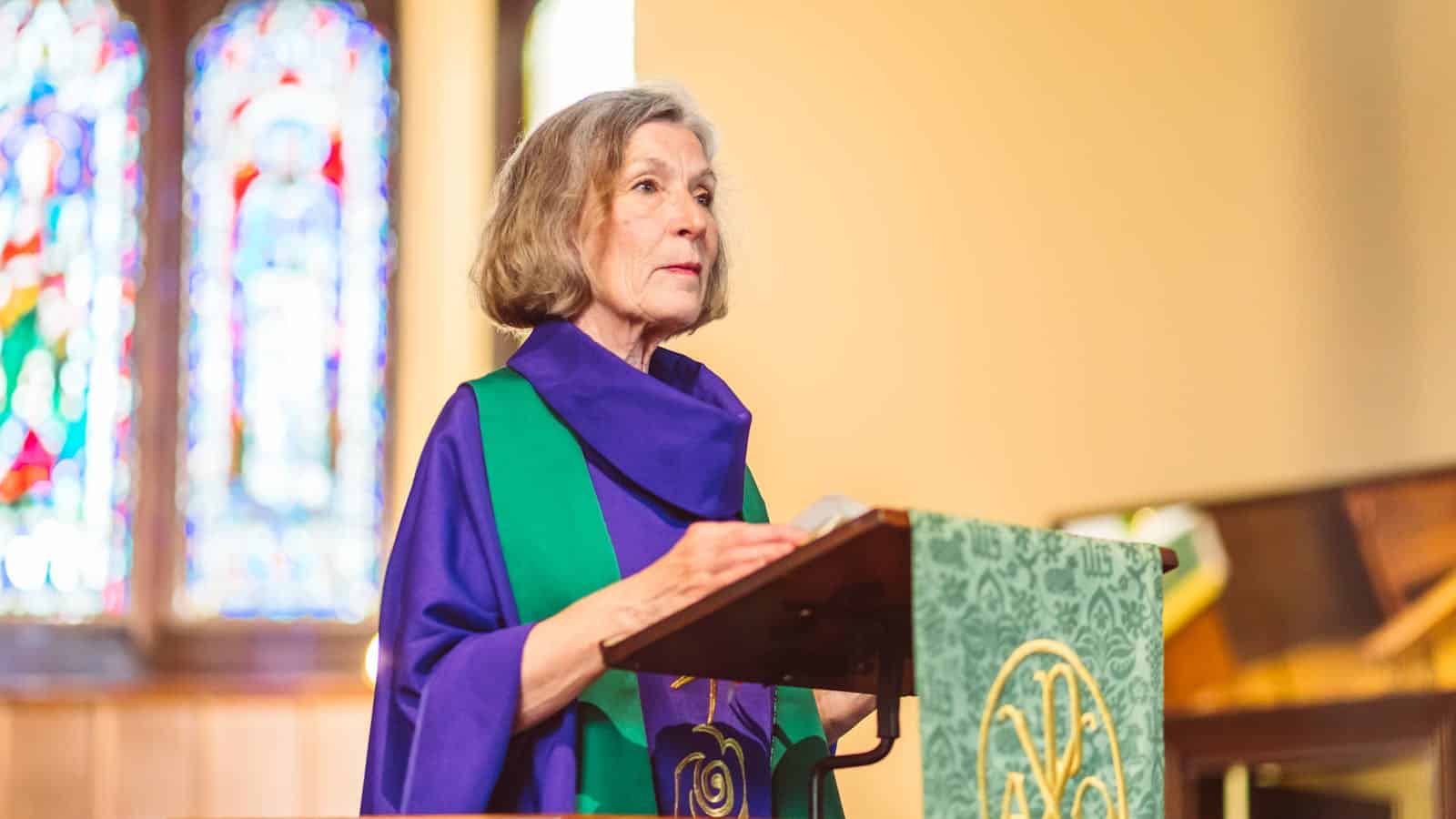
Churches are typically comprised of more women than men, yet the leadership often does not reflect this demographic reality. Having women in pastoral roles ensures that the specific struggles and triumphs of female congregants are understood and represented. This representation fosters a sense of belonging and encourages younger women to engage more fully.
When leadership looks like the congregation, it creates a safer and more inclusive environment for counseling and mentorship. Lifeway Research noted recently that while many women feel valued, 1 in 5 still feel undervalued by their church, a gap that female pastors could help bridge. Seeing women in the pulpit validates the spiritual worth of half the church body.
Confidence In Calling
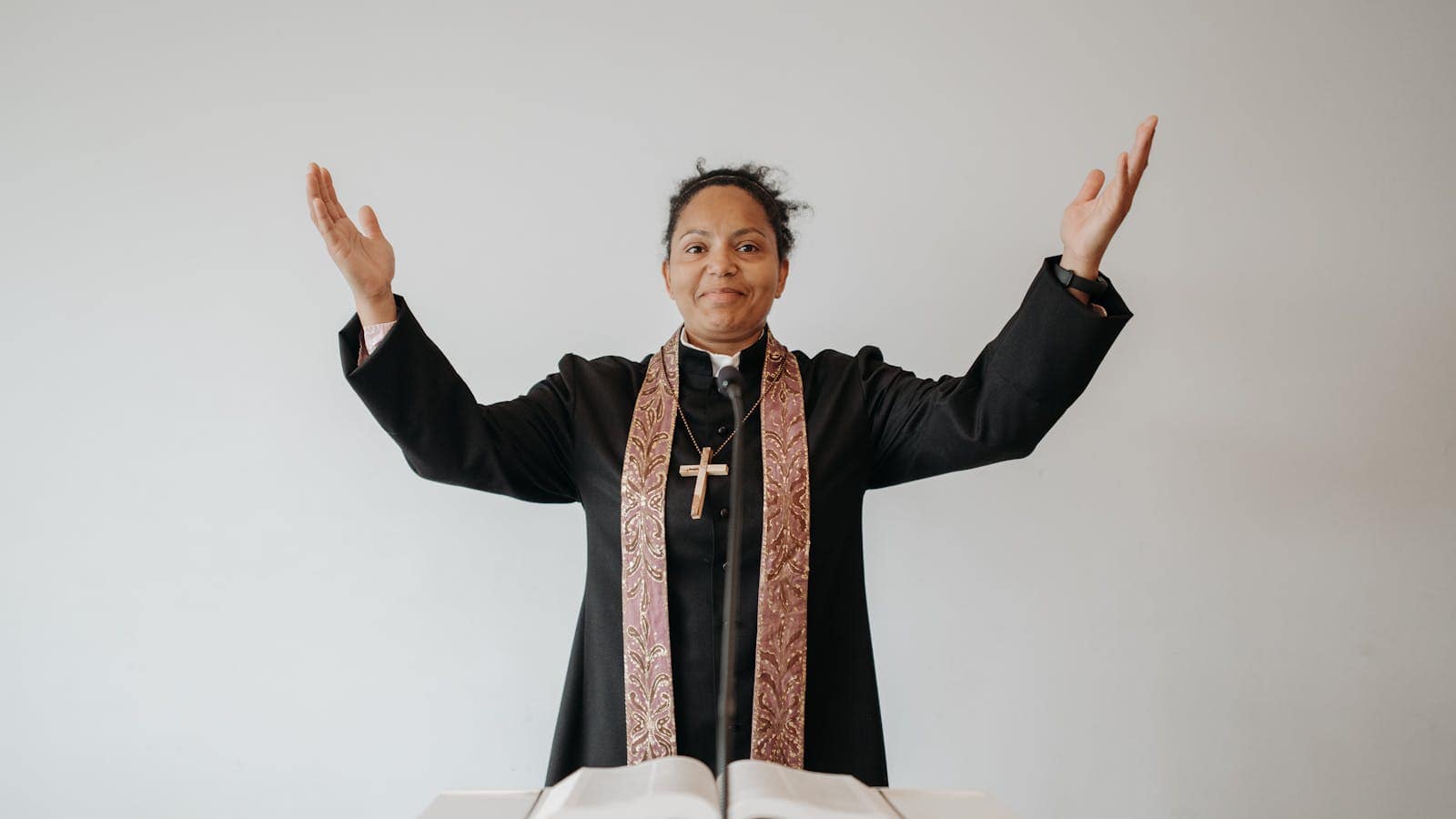
The internal call to ministry is a profound spiritual experience that many women feel just as strongly as men do. Denying this call based on gender can lead to spiritual frustration and the loss of gifted leaders who want to serve. When women are encouraged to follow their calling, they often lead with passion and conviction.
Recent studies show that despite obstacles, female pastors are finding their footing and growing in their roles. Barna Group reported in 2023 that 53% of female pastors felt “more confident” in their calling than when they started, mirroring the confidence levels of their male peers. This resilience suggests that the call is genuine and sustainable.
Complementary Leadership Styles

The most effective leadership teams often consist of diverse personalities and strengths that balance each other out for the greater good. Men and women working together in ministry can model a healthy, cooperative relationship for the entire congregation. This partnership reflects the image of God, who created humanity as male and female.
A solo gender perspective in leadership can sometimes lead to blind spots in decision-making or pastoral care strategies. By integrating female pastors, churches can create a holistic approach to ministry that nurtures the community from all angles. This synergy strengthens the church’s ability to minister to a complex world.
Like our content? Be sure to follow us