10 ways neuroscience explains spiritual experiences in the brain
Neuroscience says what we call a spiritual awakening may be the brain briefly loosening the boundaries that normally define who we are.
For centuries, mystics and theologians have debated the origins of religious ecstasy, but now brain scanners are joining the conversation to map the divine. Science is finding that the feeling of connection to something larger is not just in your heart, but deeply wired into your neurons.
Researchers are discovering that spiritual moments engage a complex network of brain regions rather than a single “God spot” hidden in the gray matter. This fresh perspective bridges the gap between ancient wisdom and modern technology, offering a fascinating look at what happens when we pray or meditate.
The God Spot Is Actually A Network
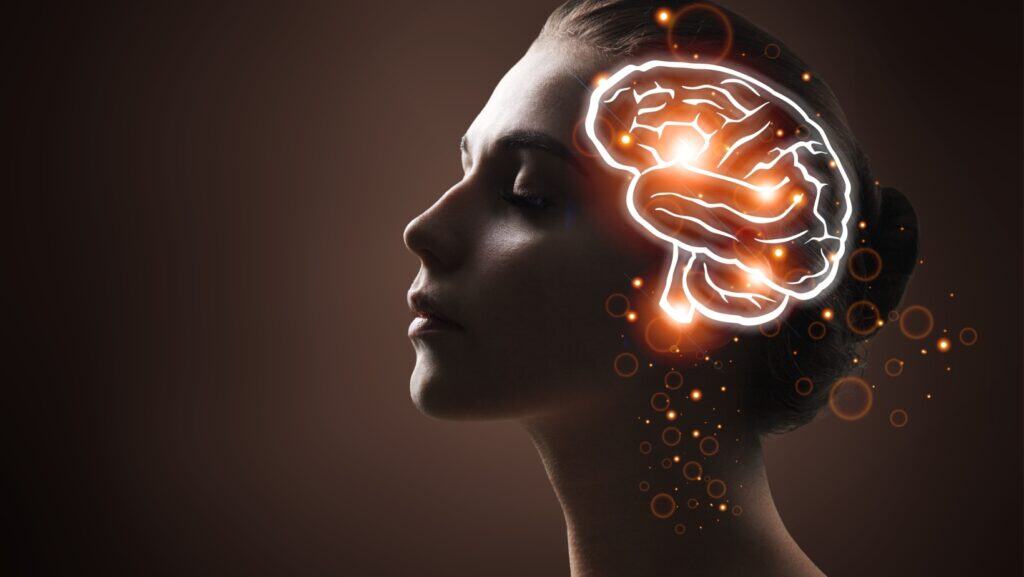
Early researchers hunted for a specific area responsible for faith, yet they found that spirituality lights up the entire dashboard of the brain. Instead of one button, religious experiences activate a symphony of neural circuits working together in harmony.
It turns out that talking to God looks a lot like talking to a friend, involving areas linked to language and social connection. Complex brain imaging shows that spiritual processing is a whole-brain event that integrates emotion, focus, and self-awareness.
Parietal Lobe And The Feeling Of Oneness
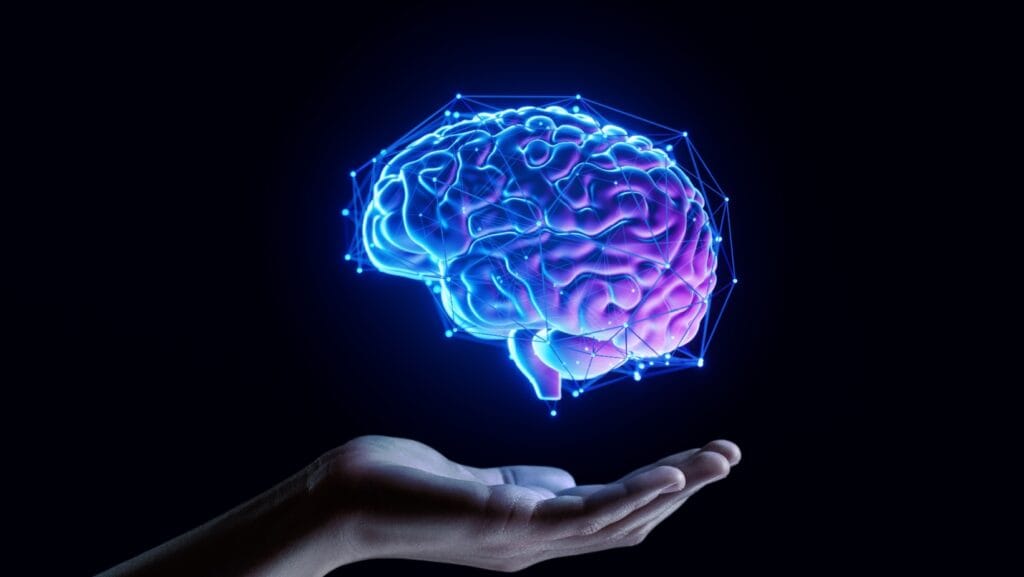
The parietal lobe manages your sense of orientation, helping you distinguish where you end and the rest of the world begins. When people enter deep prayer, activity in this region quiets down significantly, blurring the line between self and surroundings.
This drop in activity explains the profound sensation of becoming one with the universe that monks and meditators often describe. Without the usual spatial boundaries, the brain perceives a seamless unity that feels both expansive and infinite.
Frontal Lobe Focus During Prayer

Intense concentration is a hallmark of prayer, and the frontal lobe is the command center for this kind of focused attention. NIH study shows that during chanting or reciting scripture, this part of the brain engages heavily to block out distractions.
This laser-like focus creates a sense of clarity and purpose that many believers report feeling during their daily devotions. A Pew Research Center survey found that 66% of Americans feel a deep sense of spiritual peace or wonder, likely triggered by this mechanism.
Temporal Lobes And Spiritual Visions

The temporal lobes are often linked to processing meaning and have been associated with intense religious visions and auditory hallucinations. Some scientists suggest that hyperactivity here can create vivid experiences that feel like direct communication with the divine.
History is full of figures who had seizures in this area and subsequently reported life-changing epiphanies or angelic encounters. While not every vision is medical, this brain region plays a key role in interpreting moments of profound significance.
Chemicals Of The Divine

Neurotransmitters like serotonin and dopamine act as the chemical messengers that carry the feeling of euphoria during spiritual highs. These natural brain chemicals can produce feelings of bliss and awe that rival the effects of powerful mood-altering drugs.
The rush you get from a moving sermon or a beautiful choir performance is partly due to this potent biological cocktail. According to a 2025 RAND report, nearly 11 million U.S. adults used psilocybin last year, often seeking these same chemically induced spiritual breakthroughs.
Quieting The Default Mode Network

Your brain has a “me” network that chatters constantly about your to-do list, your worries, and your past mistakes. Spiritual practices like meditation dramatically reduce activity in this Default Mode Network, giving the ego a much-needed break.
When this chatter stops, people often experience a sense of timelessness and a release from the burdens of their daily selves. This quieting effect allows for a refreshing state of being where the usual anxieties of the self simply fade away.
Theory Of Mind And Invisible Beings

We use a cognitive skill called Theory of Mind to understand the intentions and thoughts of other people around us. Neuroscience suggests we repurpose this same social machinery to interact with God, spirits, or ancestors who are not physically present.
This explains why prayer feels like a genuine relationship rather than just a monologue into the void. In fact, a Pew Research study noted that 83% of all adults believe humans have a soul or spirit, highlighting our natural tendency to see the mind beyond matter.
Near-Death Experiences And The Brain
Stories of tunnels of light and life reviews are common, and researchers trace some of these to the brain’s reaction to stress. When the brain is deprived of oxygen, it can trigger hallucinations and a sense of detachment that feels incredibly real.
These biological fail-safes might explain the peaceful transition many people report after a brush with death. While the cause may be physical, the resulting transformation in perspective often leads to a lasting increase in spirituality.
Rituals Drive Brain Rhythms

Rhythmic chanting, drumming, and swaying can drive the brain into a trance state by synchronizing neural waves. This process, known as auditory driving, helps groups of people feel emotionally synced and connected on a visceral level.
It is why congregational singing or tribal dancing can feel so powerful and unifying for everyone involved. A Gallup poll from October 2023 confirmed a strong link between such religiosity and well-being, noting that religious people report significantly more positive daily experiences.
Practice Changes Brain Structure
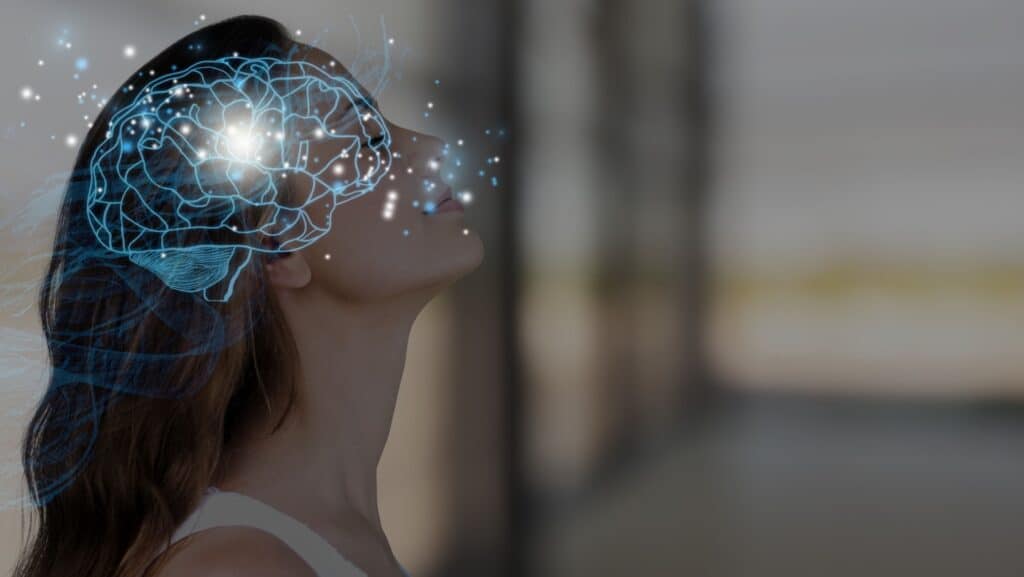
Just as lifting weights builds muscle, regular spiritual practice can physically alter the structure of your brain over time. Long-term meditators often show thicker cortices in areas related to attention and emotional regulation.
This concept of neuroplasticity means that spiritual habits can literally rewire your mind for more patience and resilience. Despite a drop in traditional faith, Gallup reported in 2023 that belief in God remains at 74%, suggesting our brains are still deeply engaged with the divine.
You may also want to read:
- 12 Ancient Prophecies That Seem To Reflect Modern Life
- 10 Lessons From The Bible That Make Sense Even Outside Religion
- 12 People God Welcomes and Those He Turns Away