12 toys that taught kids the wrong lessons and posed real risks
The toy aisle usually looks like a paradise of bright colors and harmless fun. We walk those rows looking for the perfect gift to light up a child’s face. Yet some of the most iconic playthings in history carried a dark side that parents never saw coming. These products did more than just provide a Sunday afternoon of entertainment.
They often taught children that dangerous risks were actually just part of the game. From sharp projectiles to toxic beads, the history of the American toy box is littered with items that failed the safety test. Looking back now, it is almost hard to believe what we allowed in our living rooms.
Many of these items reached millions of homes before the red flags went up. By then, thousands of children had already paid the price in emergency rooms across the country. In 2023 alone, emergency rooms across the United States handled nearly 232,000 injuries linked to toys. This staggering data was reported by the U.S. Consumer Product Safety Commission.
We are not just talking about a few scraped knees or a bumped head, but about serious, life altering injuries that changed how we think about play forever. Take a look at these 12 toys that taught kids the wrong lessons and posed real risks.
Lawn Darts
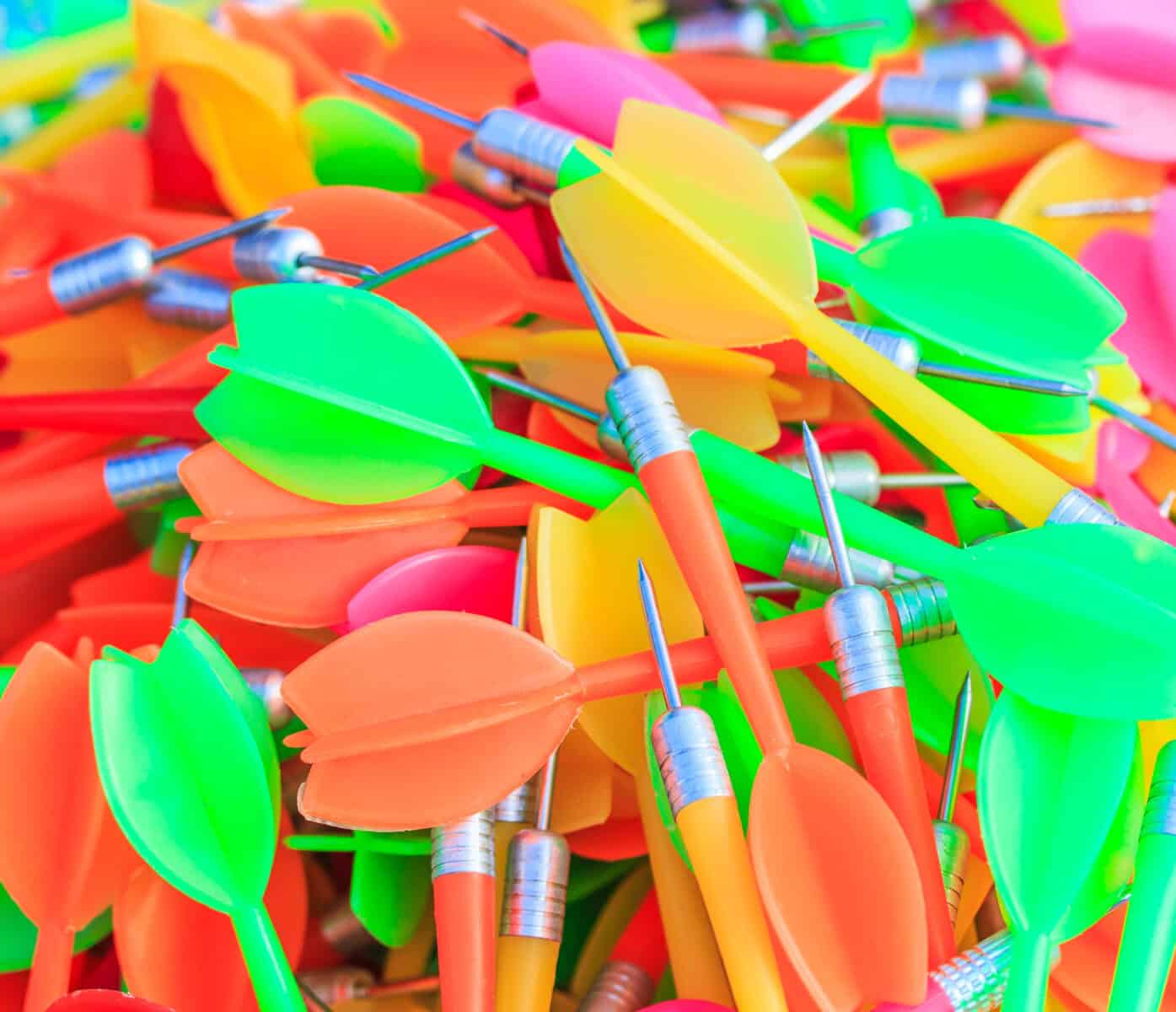
Imagine a heavy metal spike with plastic fins designed to be hurled through the air toward a target on the ground. That was the reality of lawn darts. Between 1978 and 1986, these weighted missiles sent over 6,100 people to the emergency room.
The U.S. Consumer Product Safety Commission (CPSC) found that 80 percent of those victims were under 15 years old. Even more frightening, half of the injuries involved children aged 10 or younger. These toys did not just cause bruises. They caused punctures, skull fractures, and permanent brain damage.
The tragedies finally led to a total ban on the product. The behavioral lesson here was incredibly dangerous. It taught kids that throwing heavy, sharp objects toward other people was a perfectly normal way to spend a Saturday.
It turned a weapon into a backyard pastime. Even after the 1970 ban on selling them in toy stores, many people kept them in their garages. This lack of urgency shows how slowly we react when nostalgia blinds us to a literal death trap.
Toy Guns
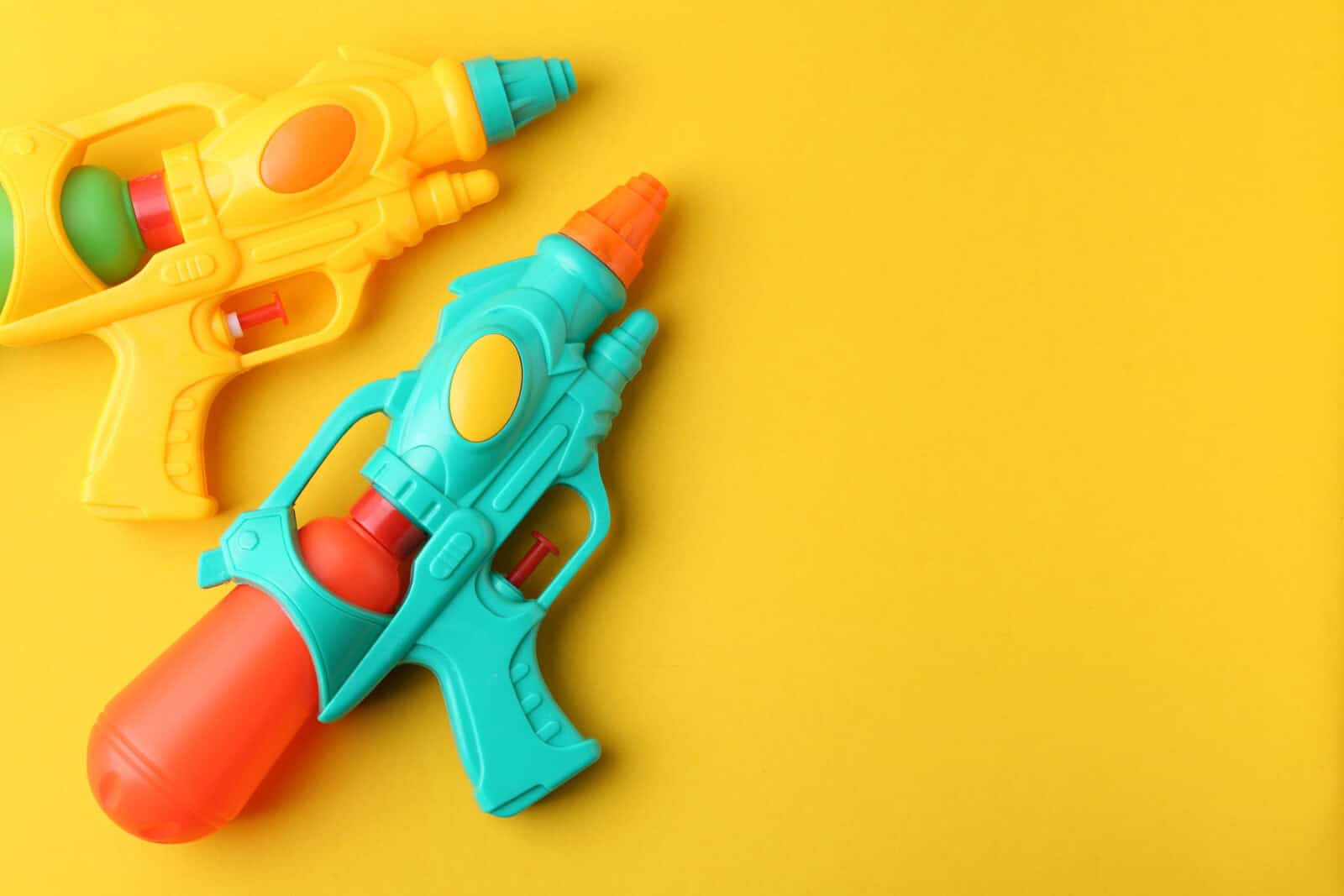
Toy guns have been a staple of childhood for generations, but the risk goes beyond physical accidents. Experts now point to something called the “weapons effect.” Saba Ahmadzadeh Noughani, a contributor for the Oxford Student, notes that merely seeing a weapon can trigger aggressive behavior.
These toys desensitize young children to the gravity of violence and death. In a country where firearms are a leading cause of death for teens, the “lesson” of a toy gun is a heavy one.
When a child carries a realistic looking plastic pistol, the line between play and reality blurs. It frames a life ending tool as a source of power and fun. This mindset can make it harder for a young person to grasp the finality of real world violence.
While some argue it is just role play, the psychological impact of constant weapon play is a documented concern for modern pediatricians. It turns the concept of “cops and robbers” into a training ground for aggression.
Mini Net Hammocks

Hammocks seem like the ultimate symbol of a relaxing afternoon. However, mini net hammocks designed without spreader bars became a nightmare for families in the eighties and nineties. Between 1984 and 1995, at least 12 children between the ages of 5 and 17 were strangled in these nets.
The lack of a bar meant the net could twist and wrap around a child’s neck like a vine. It happened so quietly that parents often didn’t realize anything was wrong until it was too late. In 1996, 3 million of these units were recalled.
The lesson these toys taught was a false sense of security in structural design. A child might think a piece of furniture is a safe place to nap, but without proper anchoring, it becomes a trap.
Even in 2026, hammocks remain a risk. CPSC data shows about 3,000 injuries or deaths linked to hammocks every year in North America. These incidents often involve the collapse of masonry columns or trees that were never meant to hold that kind of weight.
Play-Doh
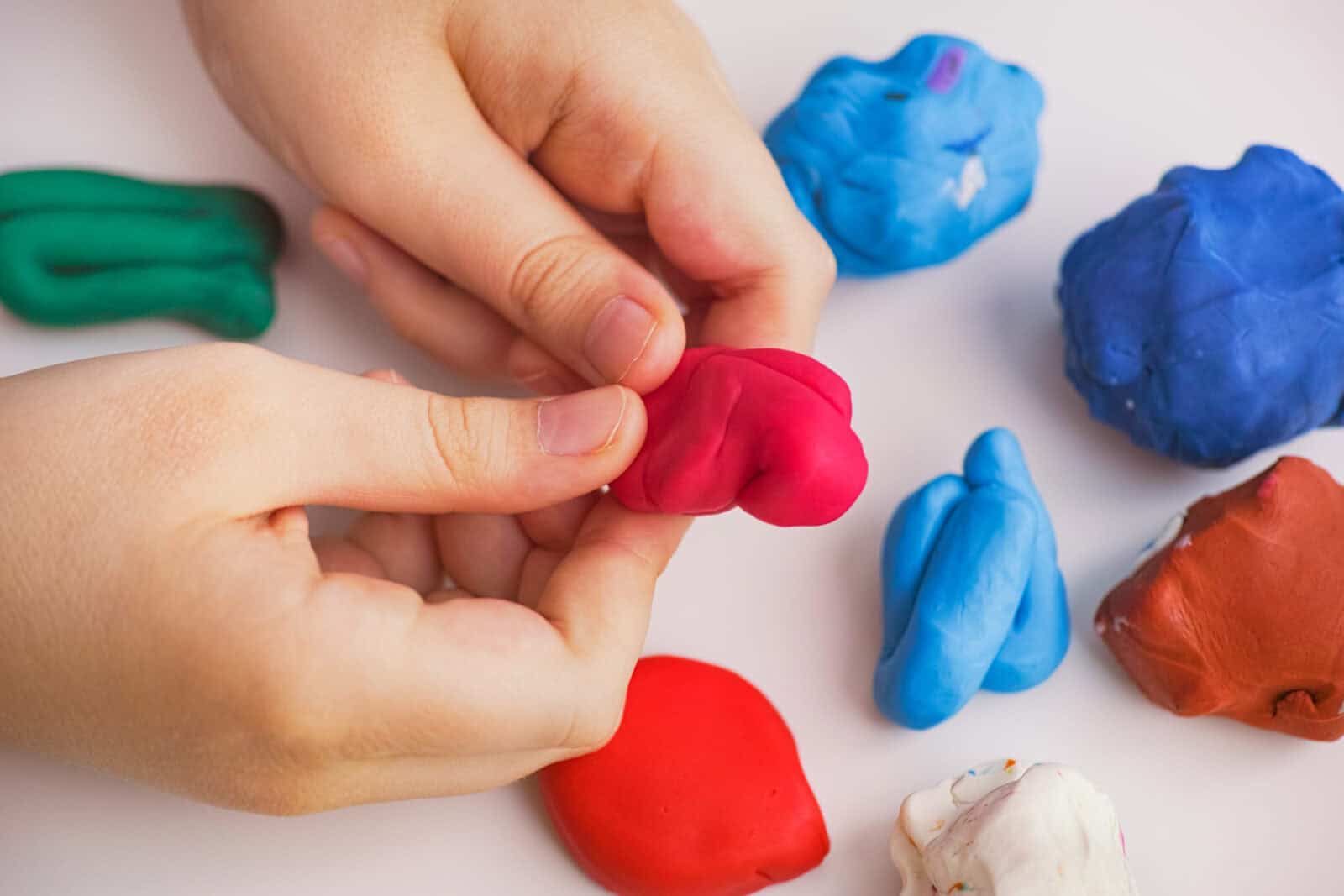
We have all seen a toddler try to take a bite of that brightly colored modeling compound. While Play-Doh is labeled as non-toxic, it is not exactly food. Dr. Wendy Klein-Schwartz, a clinical toxicologist, warns that swallowing a large amount can cause a very upset stomach.
For the under 2 crowd, it also poses a significant choking hazard. There is another hidden risk that many parents miss. Play-Doh is made with flour, which means it contains gluten. For a child with a severe gluten allergy, a fun afternoon of molding shapes can lead to a dangerous reaction.
Some kids even develop contact dermatitis from the ingredients. The lesson here is about the word “non-toxic.” Parents often assume that label means a product is 100 percent safe for any use. In reality, a “safe” toy can still be a medical emergency if used incorrectly or by the wrong age group. It teaches us to look past the marketing and actually read the ingredient list, especially for kids with sensitivities.
Hallmark Itty Bittys
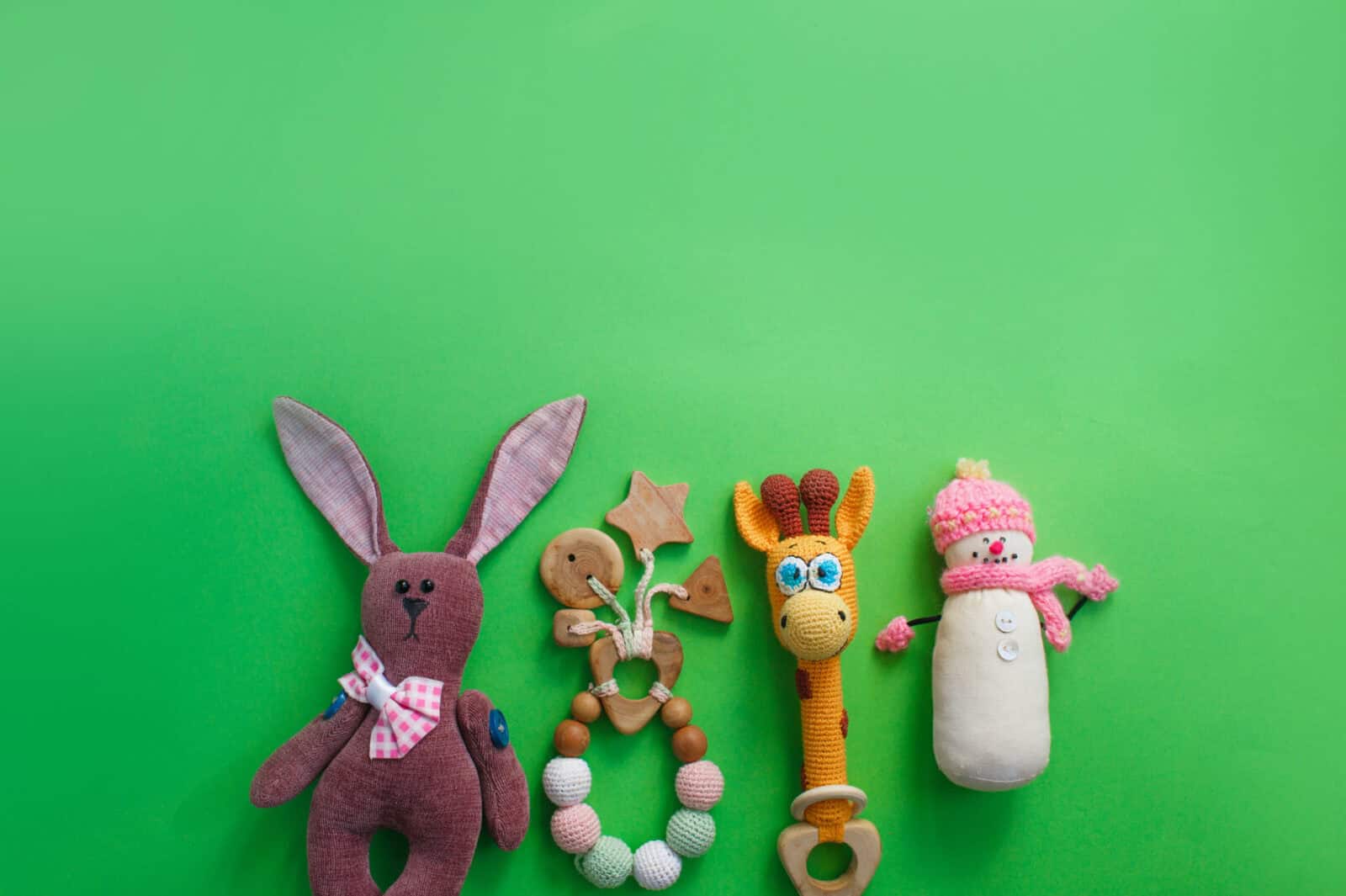
Plush toys are usually the first thing we buy for a new baby because they seem so harmless. However, the Hallmark Itty Bittys stacking toy proved that even fabric can be a threat.
In 2017, the company recalled thousands of these Disney themed stacks because the small hats and bows on the characters were not secured properly. These tiny fabric accessories could detach easily during play. For an infant, those small bits of fabric are a major choking hazard. The technical failure here was in the stitching and the choice of detachable parts for an age group that explores the world with their mouths.
This toy taught a dangerous behavioral lesson by making parents feel too comfortable. It suggested that a soft toy doesn’t need the same scrutiny as a plastic one with small parts. To ensure safety, we must pull and tug on every single part of a baby toy before handing it over to an infant.
Aqua Dots
/123rf
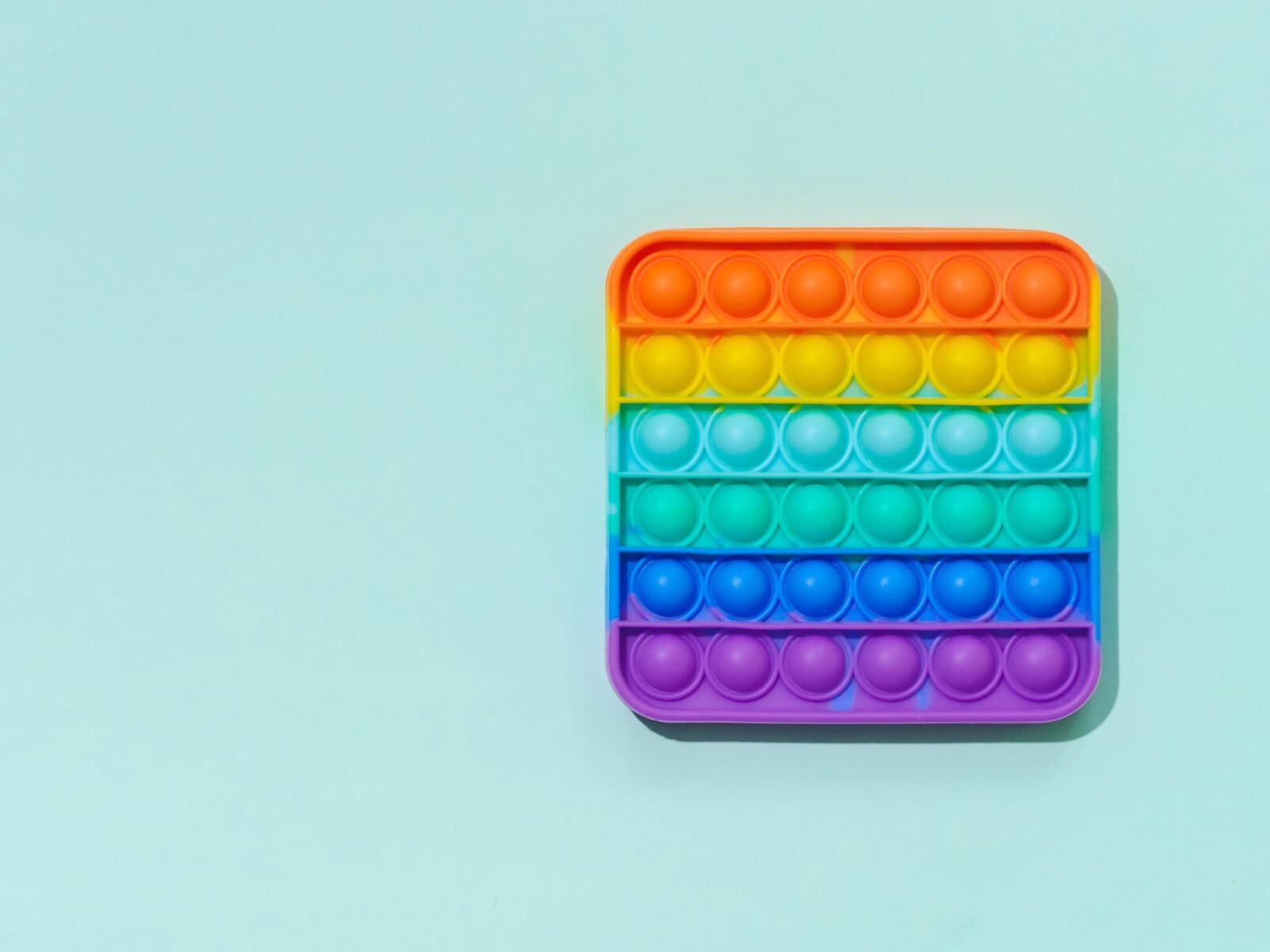
In 2007, a toy called Aqua Dots became a massive success before becoming a massive scandal. These colorful beads could be arranged in patterns and sprayed with water to stick together. The problem was the chemical coating on the beads.
When swallowed, the coating converted into a chemical that acted like a powerful sedative or “date rape” drug. Children who ate the beads (which looked exactly like candy) fell into comatose states or suffered seizures.
This was a classic case of a manufacturer using a cheaper, toxic chemical instead of a safer alternative. The behavioral risk was enormous. It encouraged kids to play with tiny, bright objects that mimicked the appearance of sweets.
Once a child associates a toy with candy, the instinct to taste it becomes almost impossible to break. The recall was immediate, but the damage to public trust lasted much longer. This shows how a simple design flaw in a chemistry set can turn a playroom into a poison center.
Barbie’s Dog – Tanner
Mattel released a Barbie set featuring a dog named Tanner that could actually “eat” and “poop.” It came with a small magnetic scooper to clean up the plastic droppings. While it was meant to teach responsibility, it mostly just sparked hygiene concerns. Small parts are always a choking risk, but the lesson here was more about the desensitization to waste.
Encouraging children to play with “fake poop” in a dollhouse setting felt like a step in the wrong direction for many child development experts. It turned a chore into a gimmick, often leading to younger siblings putting the tiny plastic “treats” or “waste” in their mouths.
Beyond the yuck factor, the magnets in the scooper and the dog posed their own technical risks if they ever became loose. Swallowing magnets is a surgical emergency because they can pull together through intestinal walls. This toy is a prime example of a brand trying to be “relatable” but ending up with a product that was both weird and potentially hazardous.
Button Battery Toys
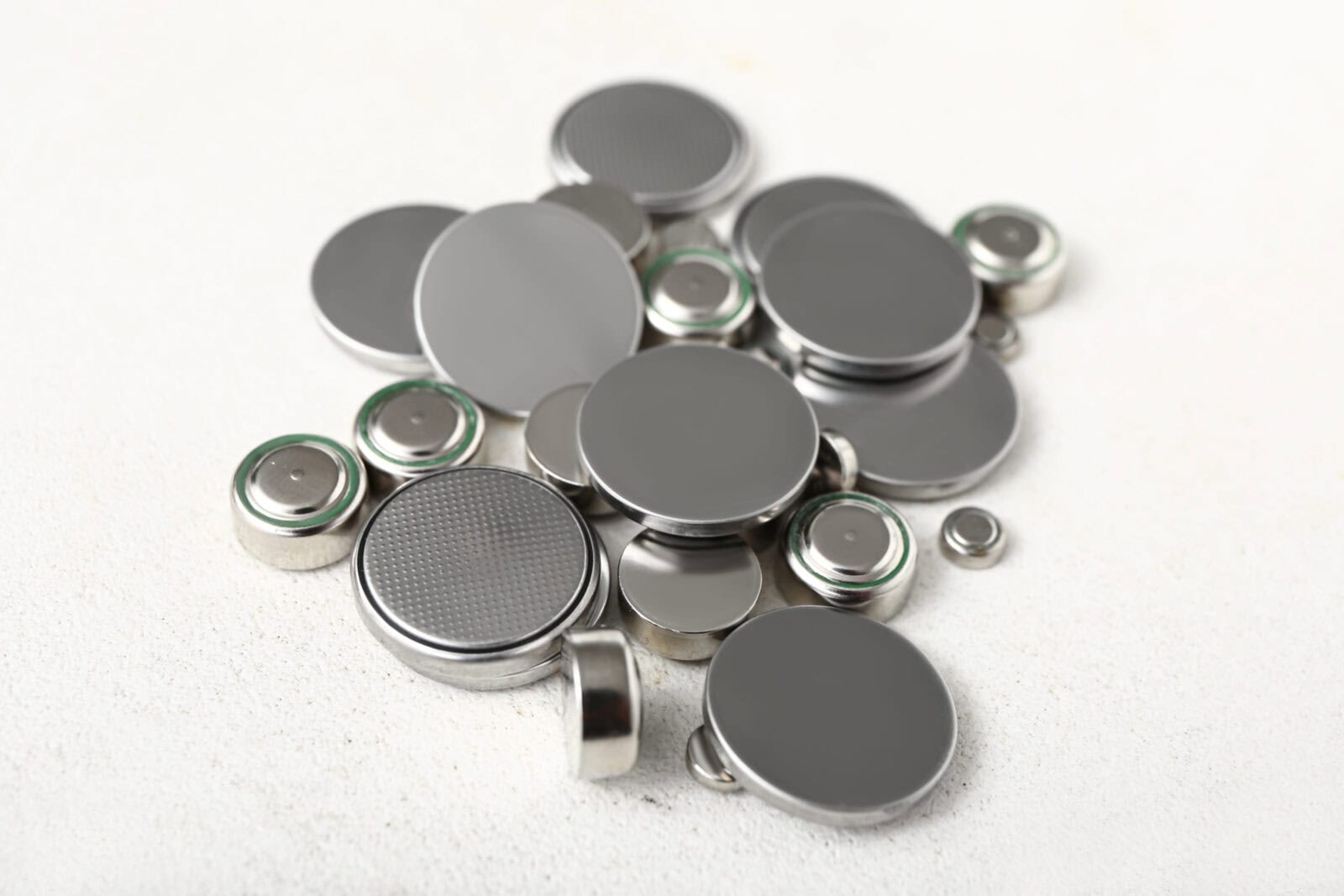
Many modern “smart” toys are powered by tiny button batteries. These small, silver discs are found in everything from singing greeting cards to light up wands. If a child swallows one, the results are catastrophic.
The battery reacts with stomach acid to create a caustic soda, which literally burns through the esophagus in as little as two hours. These are not just “upset stomach” issues. These are life threatening internal burns.
The Consumer Product Safety Commission has issued numerous warnings about toys that do not have a secure, screwed down battery compartment. Children would think that these tiny, shiny objects are just another part of their toy. They don’t see the electrical current or the chemical risk inside.
It is a hidden danger that requires parents to be tech savvy and vigilant. Any toy that allows a child to easily pop out a battery should be considered a major red flag in any home.
DIY Slime Kits
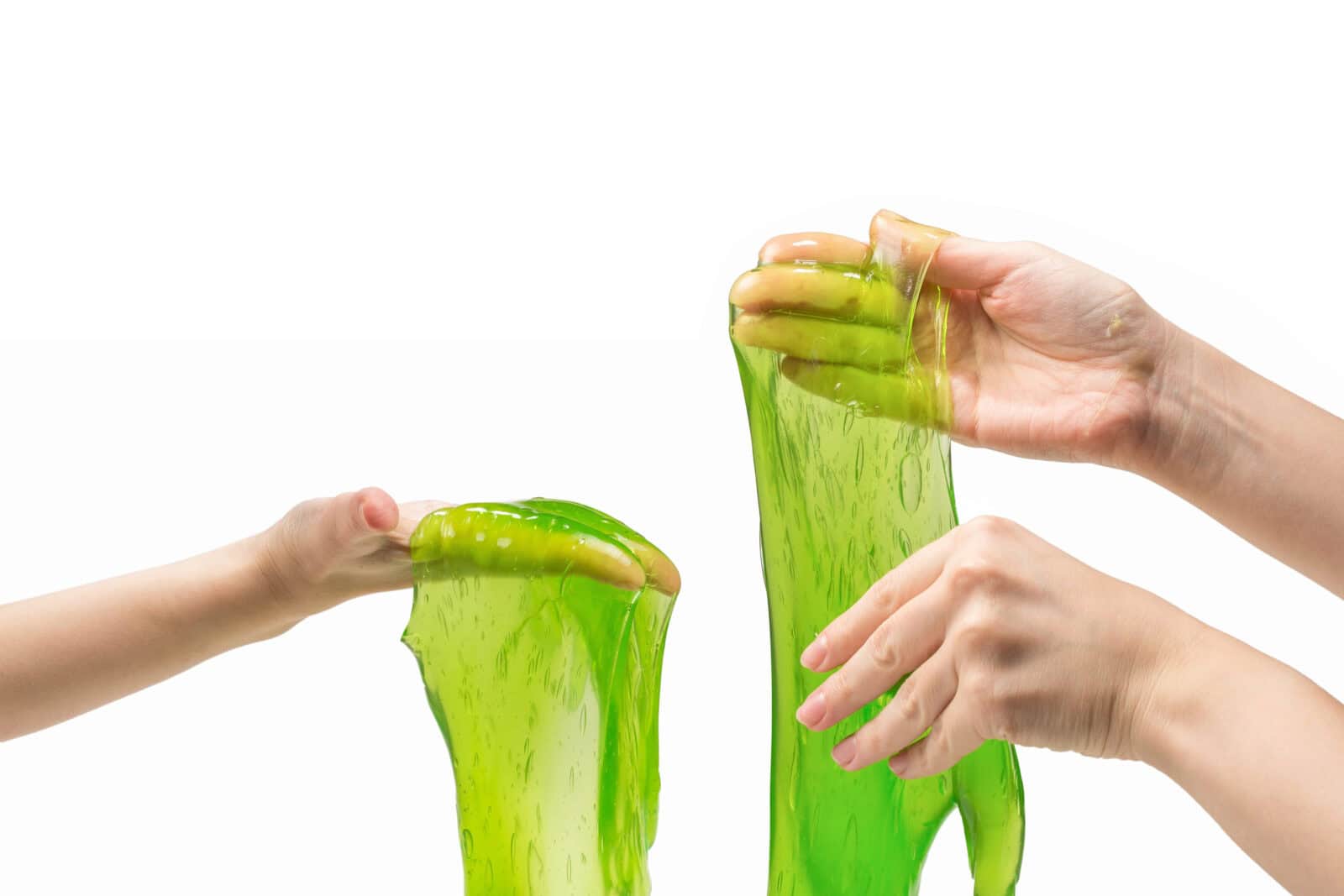
The slime craze took over the internet a few years ago, leading to a surge in DIY kits. These kits often use household chemicals like Borax to create that satisfying, stretchy texture.
However, improper mixing or high concentrations of these chemicals can cause severe skin and eye irritation. In some cases, kids have suffered second degree burns on their hands from playing with poorly formulated slime. The BBC and other safety organizations have flagged these kits for containing levels of boron that far exceed safety limits.
The lesson here is that “homemade” or “DIY” does not always mean safe. It encourages children to experiment with chemicals without understanding the technical reactions involved. While it looks like a fun science project, it can quickly turn into a trip to a dermatologist. It teaches a lack of respect for chemical safety, framing potentially caustic substances as harmless craft supplies.
Water Beads
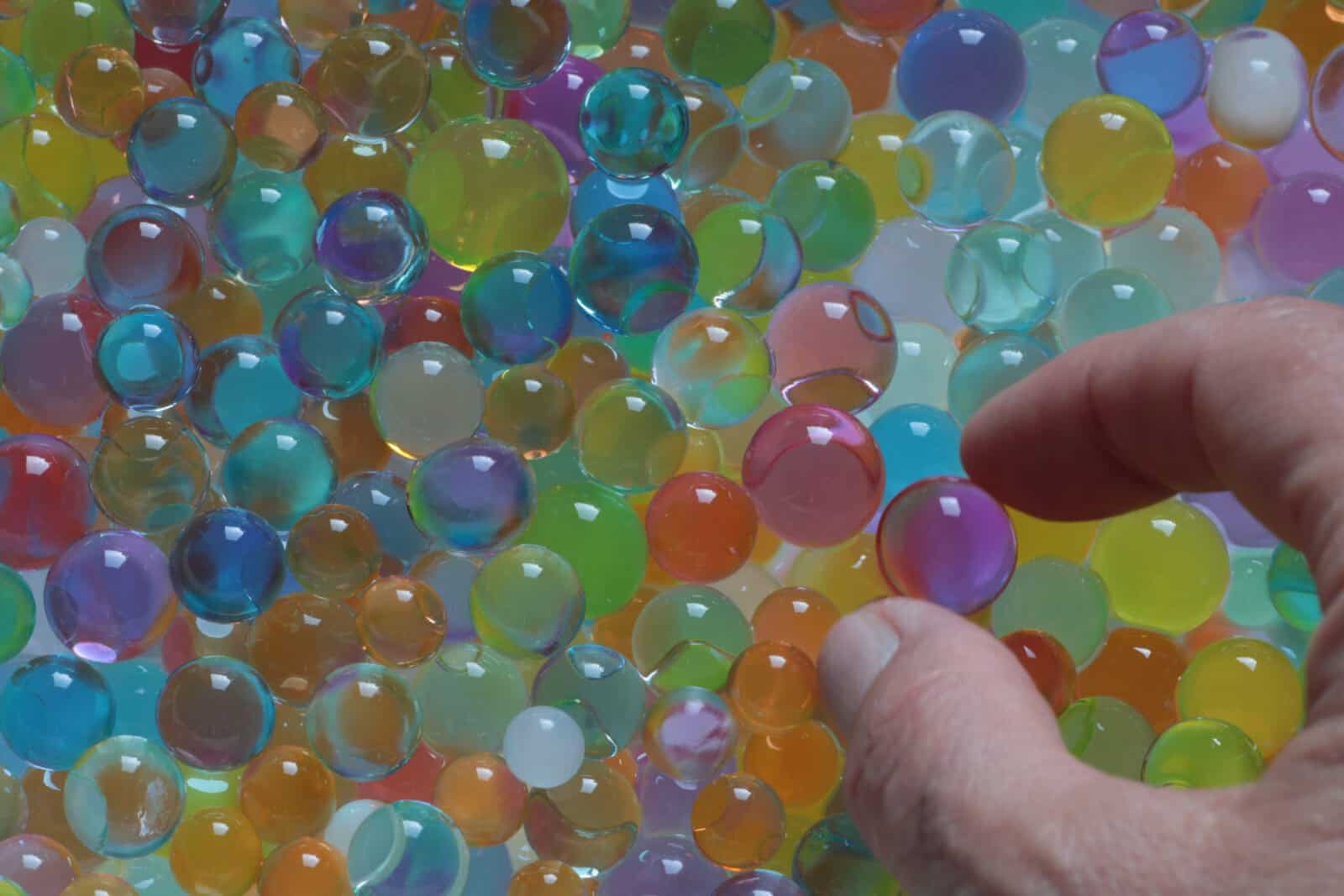
Water beads are marketed as sensory toys for kids who love textures. They start out as tiny, hard plastic dots but expand to many times their size when soaked in water. If a child swallows one of these before it has fully expanded, it will grow inside their body. This leads to intestinal blockages that often require surgery to clear.
There have also been reports of water beads getting stuck in ears or noses, causing permanent damage. Because they look like colorful bubbles or berries, the temptation to put them in the mouth is very high for toddlers. The CPSC has warned that these beads pose a significant choking and internal injury risk.
The behavioral lesson is that “fun textures” are worth the risk of ingestion. Parents are often told these are “non-toxic,” but as we saw with Play-Doh, that doesn’t account for physical expansion inside a small airway or digestive tract.
Trampolines

Trampolines have been a backyard staple for decades, but they remain one of the most dangerous items a parent can buy. Every year, thousands of children suffer broken bones, concussions, and spinal injuries from trampoline accidents.
Most of these happen when multiple people jump at the same time, leading to collisions or “double bounces” that launch a smaller child with dangerous force. Even with safety nets, the risk of landing on the frame or falling through the springs is high. is a disregard for basic physics.
Kids feel invincible when they are flying through the air, often attempting flips or stunts that are far beyond their skill level. It encourages high risk physical behavior without any formal training or supervision. Pediatricians often recommend against home trampolines entirely because the “fun” rarely outweighs the high probability of a trip to the orthopedic surgeon.
E-Scooters
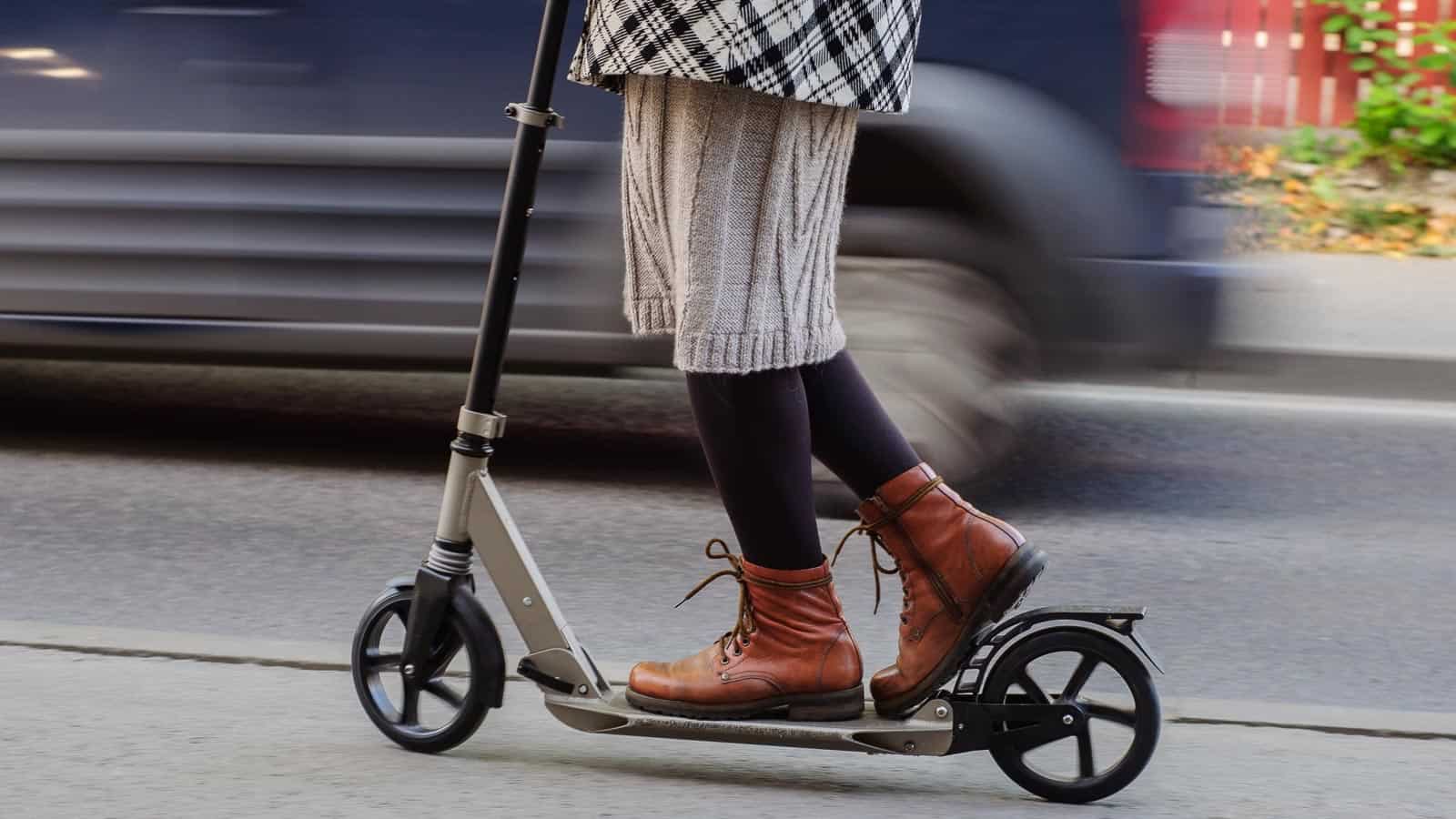
As we move through 2026, e-scooters have become a major trend for younger and younger kids. These devices allow children to travel at speeds that their motor skills and judgment are not ready to handle.
Rising injury trends show an increase in head injuries and fractures among youth who use these without helmets or on busy streets. It gives a child adult level mobility without the years of experience needed to navigate traffic or uneven pavement.
Many kids see these as just a faster version of a traditional scooter, ignoring the technical power behind the motor. It frames a motorized vehicle as a plaything, which can lead to a dangerous lack of caution when they eventually move on to driving real cars.
Key Takeaways

- Stay updated with the CPSC website to see if your child’s favorite toy has been flagged for safety issues.
- Ensure any toy with a button battery requires a screwdriver to open the compartment.
- Question “Non-Toxic” Claims: Remember that a safe material can still be a physical hazard if swallowed or used incorrectly.
- Supervise Play: No safety feature replaces an adult watching how a toy is actually being used in real time.
Like our content? Be sure to follow us