12 bride price traditions that are causing modern grooms to walk away
Economic pressures are turning beautiful ancient traditions into cold financial barriers. What used to be a symbolic gesture of respect is now a massive price tag that many men simply cannot afford. This is a heartbreaking trend that is leaving many women in limbo and forcing grooms to make the toughest choice of their lives.
In South Sudan, a groom might need over 297 cows to say I do, according to a report by Crusaders Radio on Facebook. This represents a fundamental change in how communities value a union. Experts from Peaceep point out that these rising costs are even linked to local conflicts and gender tensions.
When the price of starting a life together equals several years of salary, romance quickly fades into a math problem. This is why some modern grooms are choosing to walk away from the negotiation table before the first toast is even poured. It is a quiet revolution born out of economic necessity and a desire for a debt-free future.
The Chinese Cai Li Cash Demand
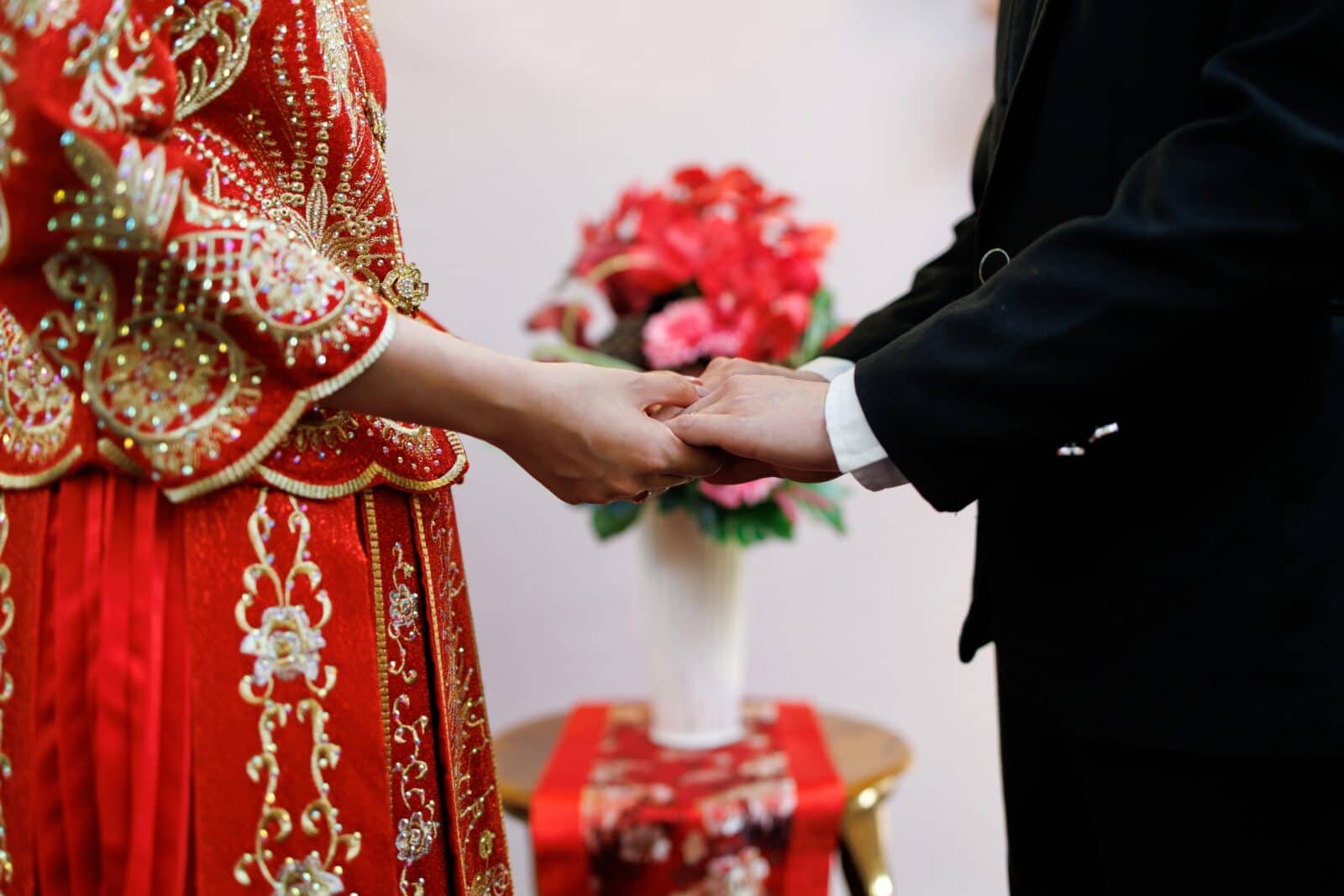
In urban China, the tradition of Cai Li has transformed from a humble gift into a major financial hurdle. According to reports from Orcasia, on average, grooms are expected to present at least 89,000 RMB to the family of the bride. At current exchange rates, that is roughly $9,500 dollars. This figure does not even include the common expectation of owning a home or a car before the wedding.
The tradition dates back to ancient times as a symbol of the groom’s ability to provide. However, the economic boom of the 1990s and the resulting wealth gap have sent these prices into the stratosphere. Many middle-class men find themselves completely priced out of the marriage market.
Even with a steady job, saving that much cash can take a decade or more. This financial wall can cause many young Chinese men to opt for the single life or delay marriage indefinitely.
The Mbaise Long List in Nigeria

The Mbaise region of Imo State, Nigeria is famous for many things, but its marriage requirements are perhaps the most talked about. A typical list can include numerous items ranging from cash to high-end household goods.
Local indigenes have noted that many young men literally run away when they see the requirements. The list is simply too long and expensive for the average suitor, but indigenes defend the practice as a way to weed out unserious men. However, it often has the opposite effect. It sometimes drives away genuine partners who simply refuse to go into massive debt to satisfy a list of items they will never use.
Zambian Lobola Commercialization

Zambia is currently seeing a heated debate over the future of Lobola. What was once a gift of cattle has shifted toward demands for luxury vehicles, urban land, and lots of money. The Zambian Business Times has even featured calls from groups like the ZNMNGD, Zambia National Men’s Network for Gender and Development, to abolish the practice entirely. They argue that the tradition has been commercialized to the point of becoming a burden rather than a blessing.
This shift from symbolic livestock to hard assets has changed the tone of marriage negotiations. Instead of a bridge between families, it feels like a business transaction. Many young Zambian men are now questioning why they should pay a premium for a partner who is supposed to be their equal. This resentment is leading to a sharp rise in long-term cohabitation without any formal traditional ceremony.
The Cow Standard in South Sudan

South Sudan has some of the most intense bride price requirements in the world. Grooms are now frequently asked for between 150 and 400 cows. In a region where cattle are the primary form of wealth, this is an astronomical sum for a young man to gather.
This escalation has real-world consequences beyond just delayed weddings. The high price of marriage is a known driver of cattle rustling and local violence as men struggle to find the means to marry. These demands perpetuate cycles of conflict. For a modern groom, the risk of physical danger or financial ruin is often too high to justify.
Papua New Guinea Cash Debt Cycles

In Papua New Guinea, the monetization of bride prices has led to a cycle of debt that can last a lifetime. WAF Magazine reports that demands can be as high as K100,000. This is roughly 33,000 dollars. In a country where many rely on subsistence farming or low-wage labor, this is an impossible amount to pay up front.
Grooms often have to borrow from every relative they have or take out high-interest loans. This creates a power imbalance from day one of the marriage. Local voices in WAF Magazine have pointed out that this system can turn women into commodities in the eyes of the groom’s family. When a man feels he has bought his wife, it can lead to increased domestic tension and even violence. Many men are now walking away to avoid these toxic dynamics.
The Bride Price in Cameroon

Cameroon, specifically in the Bali Nyonga region, presents a unique and frustrating modern twist on tradition. Research from the Inkanyiso Journal explores how the bride price may not increase based on the educational level of the woman, but an educated woman is more prone to attracting prominent men.
Families frequently argue they should be compensated for the high cost of her schooling, but modern grooms often view this as an unfair tax on a partner who is already bringing her own professional value and income to the household. This growing tension between ancient customs and modern career paths is even causing some professional men to look elsewhere for partners to avoid what feels like a financial fine for falling in love with an educated woman.
The Non-Refundable Thai Sin Sod
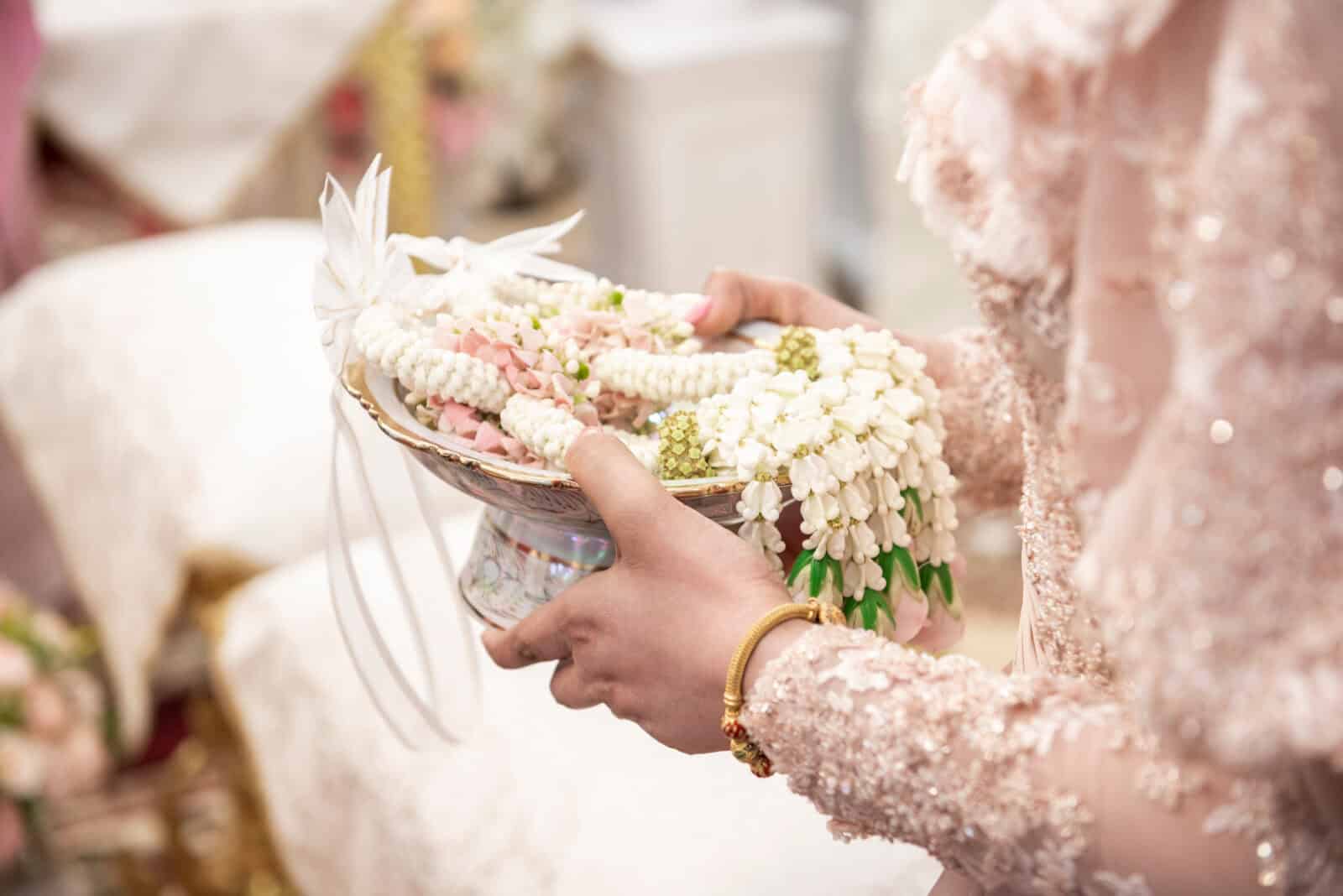
Thailand has a tradition called Sin Sod, where the groom provides a cash gift to the parents of the bride. Historically, this money was meant to show gratitude to the bride’s family and to prove to them that he could take care of their daughter. However, marrying a well-educated woman costs more, and a sin sod can cost from 500 to 1 million baht, depending on this.
For a young man in Thailand, the uncertainty of whether he can afford that type of money again is shaky. This issue is driving many modern Thai men to negotiate for a symbolic ceremony only or to skip the Sin Sod entirely.
Zimbabwe Roora and Hyperinflation

The economic crisis in Zimbabwe has had a profound impact on the tradition of Roora. The Global Press Journal reports that what was once a sacred negotiation has been distorted into a money-making venture. Because of the extreme inflation and currency devaluations since 2008, families often demand payments in US dollars or expensive groceries and cars.
The cost can easily exceed 3000 dollars, which is a fortune in the current Zimbabwean economy. Grooms are often faced with lists that change by the hour as the value of the local currency fluctuates. This instability makes the negotiation process feel predatory rather than traditional. Many men are choosing to just cohabit with their partner, stay single or move abroad rather than participate in a system that feels like it is exploiting their desire to marry.
The Okrika Luxury List in Rivers State

Nigeria makes the list again with the Okrika people of Rivers State. Their marriage requirements are consistently ranked among the most expensive in the country by BusinessDay Nigeria. The lists are famous for their length and the specific quality of items required. Grooms are expected to provide high-end fabrics, specific types of fish, yams, and cash payments that could be up to 1.5 million Naira.
The sheer volume of physical goods required is another thing. For a modern groom living in a small urban apartment, these demands feel out of touch with reality. The focus on luxury items and specific brands of cloth turns the wedding into a display of wealth that many young professionals find intimidating.
Myanmar Social Media Red Flags
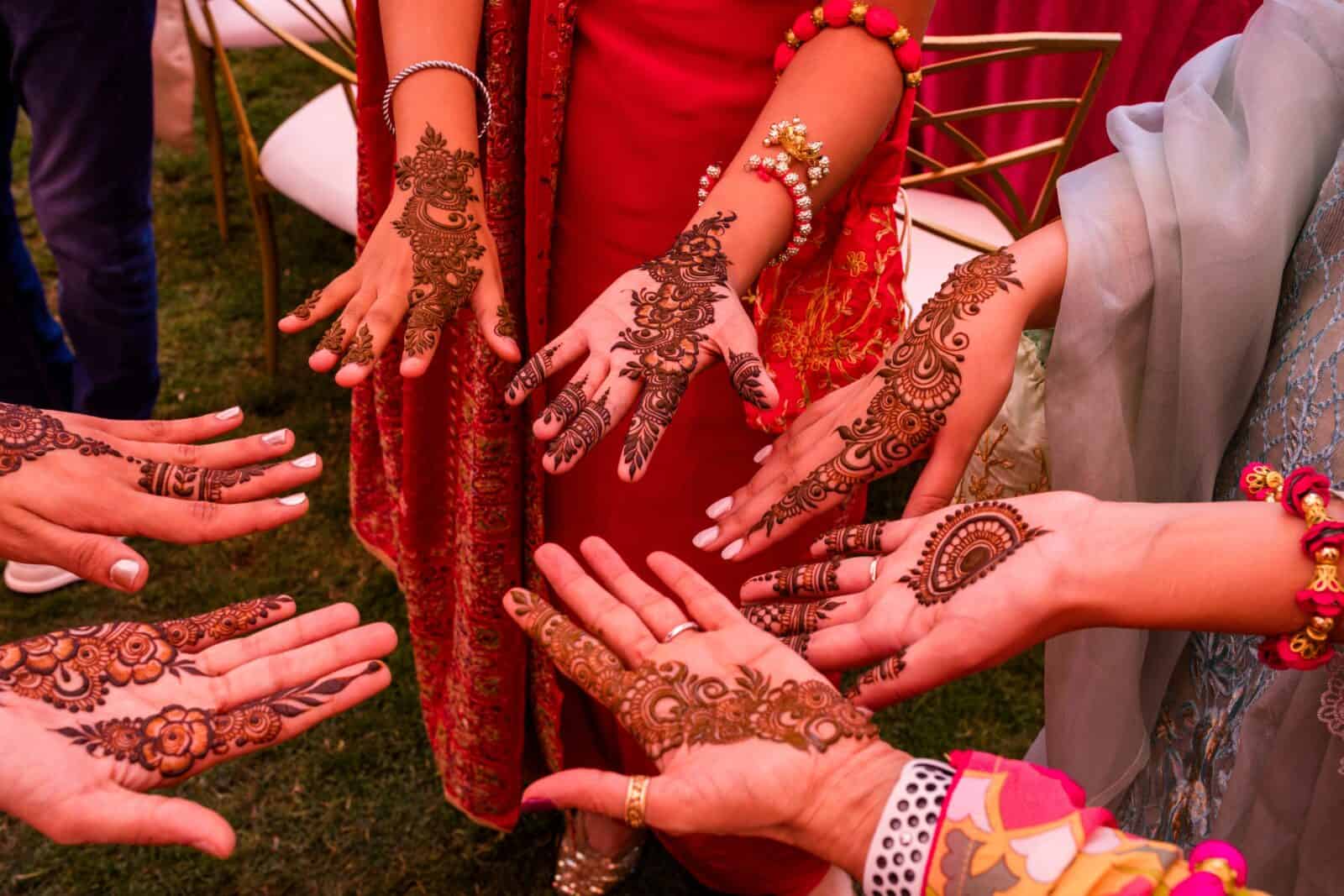
In Myanmar, the conversation around bride prices has moved into the digital age. Recent discussions in community groups on social media have highlighted a surge in cash demands that many find excessive. While hard statistics are harder to come by for this region, the anecdotal evidence is strong. Young men are taking to Facebook to warn others about families asking for sums that are impossible to save on a local salary, at least 1000 dollars.
These online discussions show a growing solidarity among young men who are tired of being treated like bank accounts. This public airing of grievances is a new phenomenon that is putting pressure on families to be more realistic. It shows that the younger generation is no longer willing to suffer in silence to maintain a costly tradition.
Eswatini and the Price of Lobola

Eswatini is also seeing a rise in viral discussions about the escalating costs of Lobola. Similar to the trends in Zambia and South Africa. According to the Africa History group, the Eswatini people receive bride price in cows. To marry any of their daughters, you would need to present over 300 cows. This is despite the very high cost of a cow in the region, which is about $500. This amount is for a single cow!
The former President of South Africa, Jacob Zuma’s nephew, Khulubuse Zuma, presented 100 cows to his bride’s family in 2013. For an average young man who comes from a modest family, this can feel like exploitation. This feeling of being exploited can be a powerful motivator for men to walk away, looking for partners and families who value their presence and commitment more than their bank balance.
The Brifor Financial Strain in Ghana

In the Wa West District of Ghana, the Brifor people maintain a marriage system that deeply involves extended families. Tradition dictates that a groom must provide a bride price to legitimize the union and ensure that any future children have inheritance rights. However, recent reports from ScienceDirect show that these requirements have shifted from symbolic gestures into massive economic barriers.
Parents are now demanding huge sums of cash along with eight cows, a goat, and fowls. For a young man in 2026, these escalating demands turn a spiritual milestone into a commercial burden that often leads to immediate poverty or lifelong debt.
The pressure to meet these costs is so intense that it is causing serious health and social issues among Ghanaian youth. The stress of gathering these resources has brought many young men to their knees, with some even suffering from strokes due to the financial anxiety. If a groom cannot pay, the marriage is considered invalid, and the children are labeled as bastards without any legal standing in the family.
Key Takeaways

- Rising costs of living and currency devaluations are making ancient traditions financially impossible for the average worker.
- The shift from symbolic gifts like livestock to high-end cars and land is making marriage feel like a business transaction.
- High bride prices are a direct cause of delayed marriages, cohabitation, and a growing number of men choosing to stay single by necessity.
- Starting a marriage with massive debt from a bride price often leads to resentment and long-term financial instability for the couple.
- Across Africa and Asia, there is a growing push for “symbolic only” ceremonies that honor culture without breaking the bank.
Disclaimer – This list is solely the author’s opinion based on research and publicly available information. It is not intended to be professional advice.
Like our content? Be sure to follow us