12 reasons American women are quietly leaving cities for rural life
The old city dream is losing some of its shine, and many American women are writing a different story. They want lower bills, more breathing room, calmer mornings, and homes that support real life rather than drain it. The USDA’s Economic Research Service says the rural population reached 46.2 million in 2024 and has grown steadily since 2021, which shows this move no longer sits on the fringe.
Women also hold real weight in the housing market, as the National Association of Realtors reports that single women accounted for 21 percent of all buyers in 2025, and female homeownership rose from 61.1 percent in 2005 to 63.0 percent in 2023. Put those shifts together, and the message comes across as clear.
More women are downsizing to rural life because that choice now looks practical, freeing, and deeply personal.
Lower bills feel lighter

Money sits at the center of this move, and many women are done pretending that high-cost city living feels worth the squeeze. About 88 percent of movers say they relocate to save money. That number explains a lot, because downsizing to a rural home often cuts rent or mortgage pressure, trims everyday spending, and makes simple goals feel possible again.
A woman who stops feeding oversized housing costs can finally direct money toward savings, school fees, travel, health, or a quiet emergency fund that helps her sleep at night. Rural downsizing does not always mean giving something up. In many cases, it means paying less for a home that offers more peace of mind and fewer monthly surprises.
Homeownership opens up

For many women, the appeal of rural life starts with one bold thought that city markets often crush fast: I can actually own something here. A 2026 MakeMyMove analysis of more than 30,000 relocation applicants found that middle-income households are keeping monthly costs in line while gaining access to homeownership in smaller markets.
That matters because ownership still represents stability, privacy, and a stronger sense of control over daily life. In big metros, a decent home can feel close enough to tease and far enough to defeat. In smaller communities, that same dream starts to look reachable again, especially for women who want a yard, a quieter street, or a smaller home that does not consume every dollar they earn.
Downsizing, in that light, looks less like retreat and more like smart positioning.
Burnout changes the dream
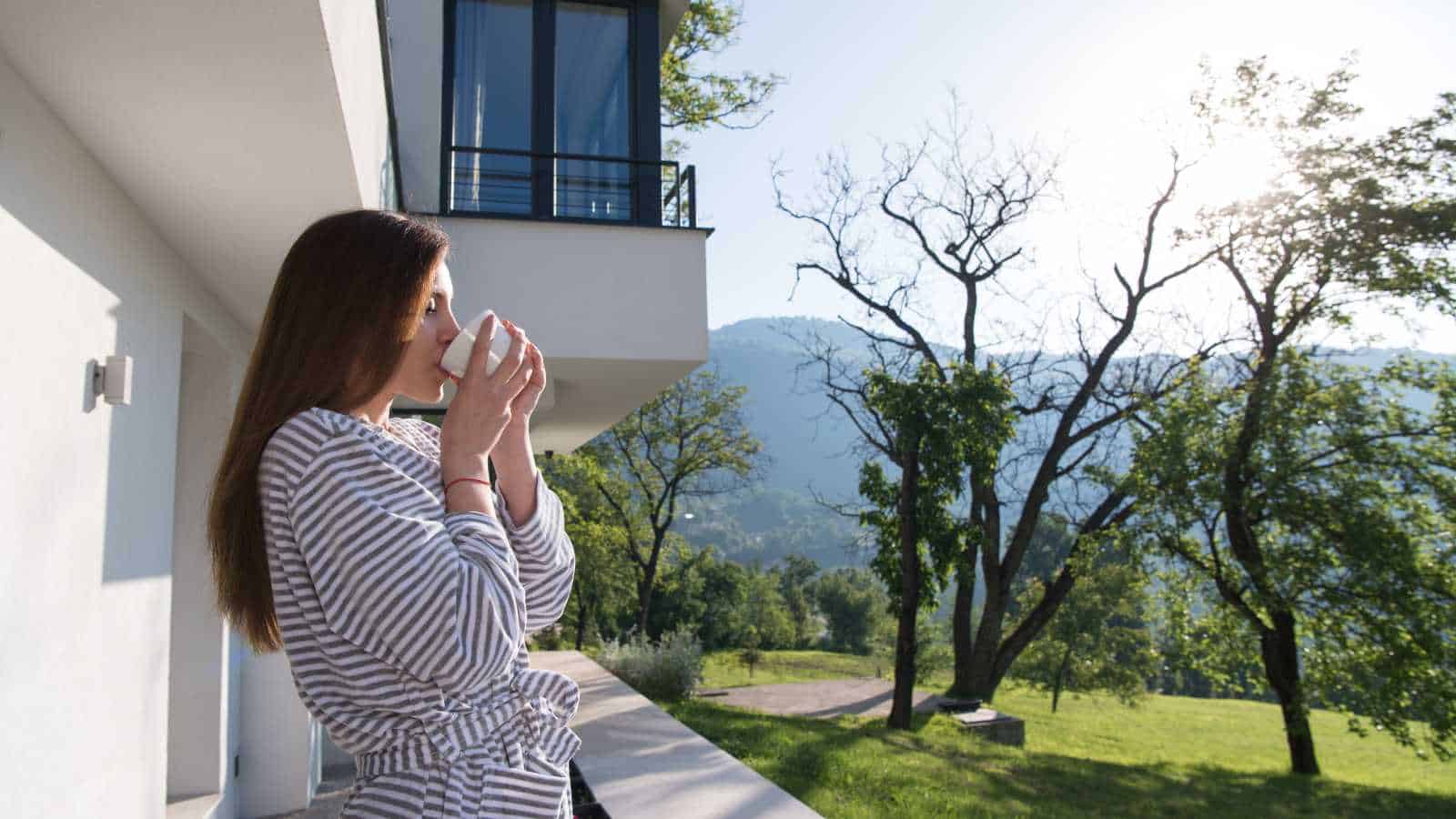
Many women are not chasing rural life just because it looks cute on social media. They are chasing relief. From 2022 through 2025, an average of 29 percent of women in leadership roles experienced burnout. That kind of strain changes what success looks like.
A slower town, a shorter to-do list, and a home that does not feel like a second workplace can start to look far more attractive than another year of noise, rush, and emotional overload.
Rural downsizing offers a different rhythm, and that rhythm speaks to women who feel tired of proving they can carry everything. Sometimes the move is less about leaving a city and more about leaving constant exhaustion behind.
Smaller homes calm the mind

Downsizing works on the brain as much as it works on the budget. A 2025 study in the Journal of Environmental Psychology, based on a survey of 501 adults, found that home clutter was associated with greater negative affect and lower mental well-being and life satisfaction. That finding lands hard because women still carry a huge share of household mental load in many homes.
A smaller rural space often asks for less stuff, less visual chaos, less cleaning, and less pressure to keep up appearances. It becomes easier to buy with intention, decorate with purpose, and stop turning every room into a storage zone. Women who make this move often say the house finally starts serving them, instead of the other way around.
Nature starts doing its thing
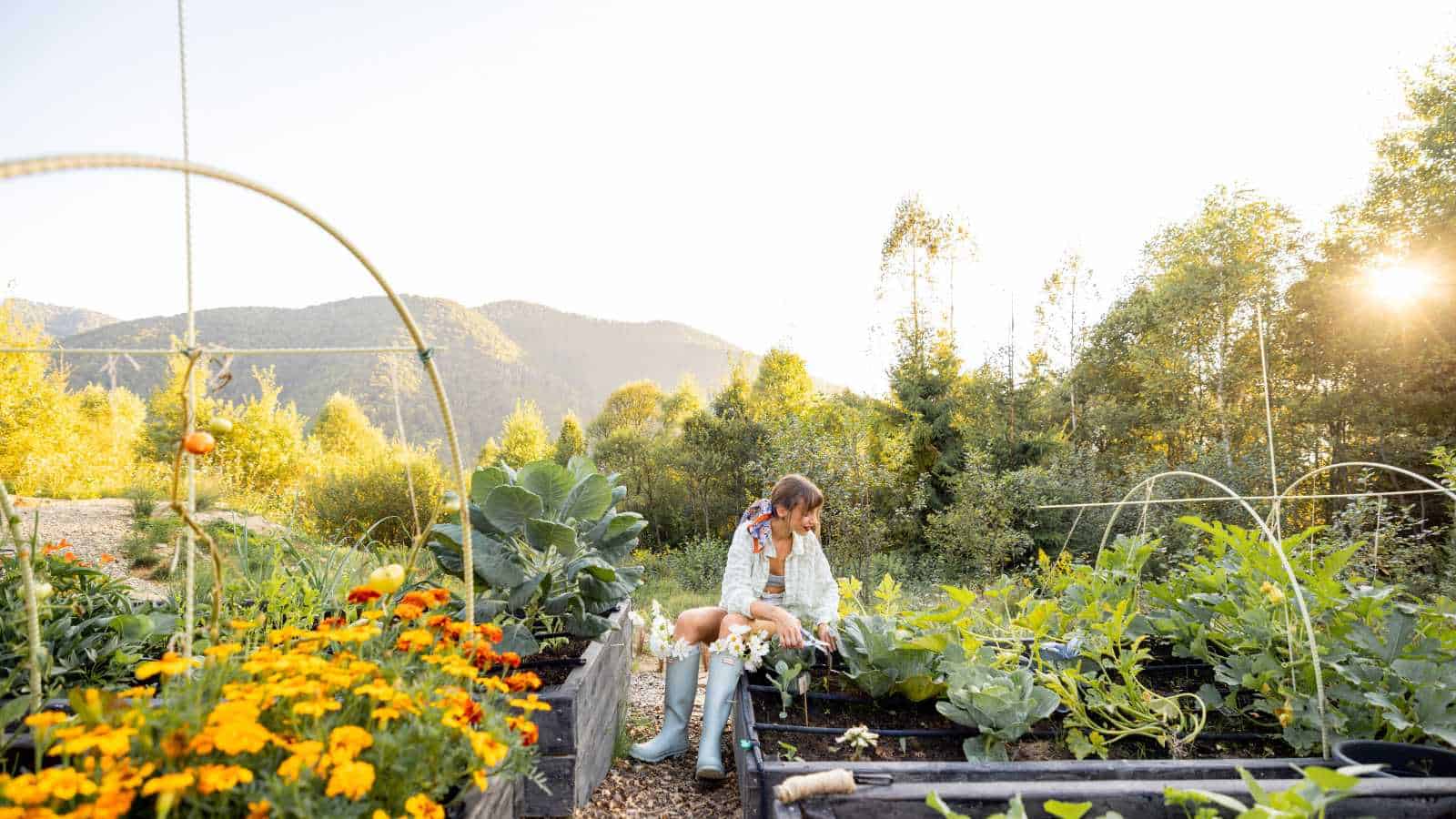
Green space does not need a grand speech to prove its value. Harvard T.H. Chan School of Public Health highlighted a 2025 study showing that even 15 minutes in nature can improve mental health for city dwellers. That tiny number helps explain why rural life feels so powerful to many women. In the country or in a small town, nature stops being a weekend plan and becomes part of the daily routine.
Morning coffee on a porch, a walk under trees, a backyard garden, and sunset air after dinner all begin to stack up. Those moments look small on paper, yet they can ease stress, lift mood, and restore a sense of steadiness that many women say city life has been stealing from them.
Work no longer ties you down

Work used to pin people to expensive zip codes. That grip has loosened. The U.S. Census Bureau reported that 13.3 percent of workers worked from home in 2024, meaning millions of Americans now have greater freedom to choose where they live. Women who can log in from home do not always need to stay near downtown towers, packed transit lines, or punishing rents.
They can look for places that fit the life they want, rather than the commute they fear. Rural downsizing becomes a real option once a paycheck no longer depends on living near a major office corridor. That shift gives women more room to choose calm, affordability, and privacy without stepping away from paid work.
Small towns feel more human
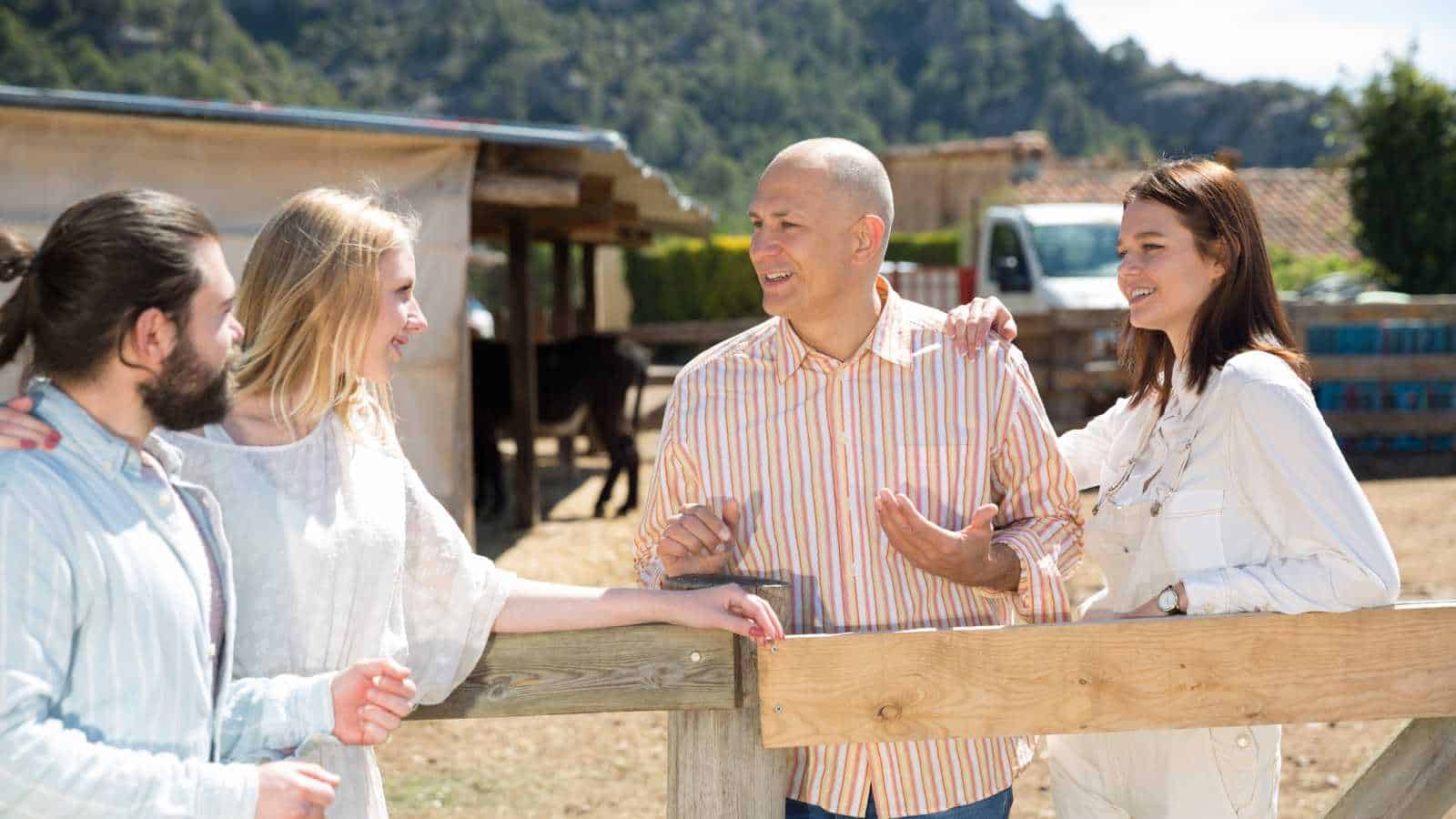
People often talk about cost first, but connection plays a huge role, too. Action Council reported in January 2026, citing a University of Virginia analysis of Census data, that 63 percent of rural counties saw growth in their 25- to 44-year-old population in the early 2020s, up from just 27 percent in the early 2010s.
That jump suggests that many younger adults now see real promise in less-dense areas. Women who move to rural communities often want a social world that feels warmer and less transactional.
They want neighbors who notice, schools that feel rooted, and communities where local life still feels visible. Small-town living will not suit every personality, but for many women it offers a stronger sense of being known rather than swallowed by crowds.
Safety becomes a daily gift

Safety shapes quality of life in quiet, powerful ways. The Bureau of Justice Statistics reported that in 2024, the violent victimization rate stood at 34.0 per 1,000 people in urban areas, compared with 16.7 in rural areas. That gap helps explain why many women feel drawn to less-dense communities.
A quieter road, fewer strangers cycling through the block, and a more familiar local environment can make ordinary life feel less tense. That affects how women walk the dog, let children play, park the car, or settle into the evening.
No place offers perfect safety, yet many women still see rural downsizing as a way to lower the background stress that urban living can keep switched on all day.
Kids get room to roam

Mothers and caregivers often look at a move by first looking at a child’s body. The 2024 U.S. Report Card on Physical Activity for Children and Youth found that only 20% to 28% of children ages 6 to 17 meet the 60-minute daily physical activity guideline. That is a sobering number.
Rural life does not magically solve it, but it can feel more natural and less scheduled. A yard, a field, a bike ride on a quieter street, and free outdoor play can give children more chances to move without needing a special plan, a reservation, or a crowded park.
Women who downsize to rural life often see that shift as an investment in a childhood that feels more active, less boxed in, and more alive.
Simple skills grow confidence
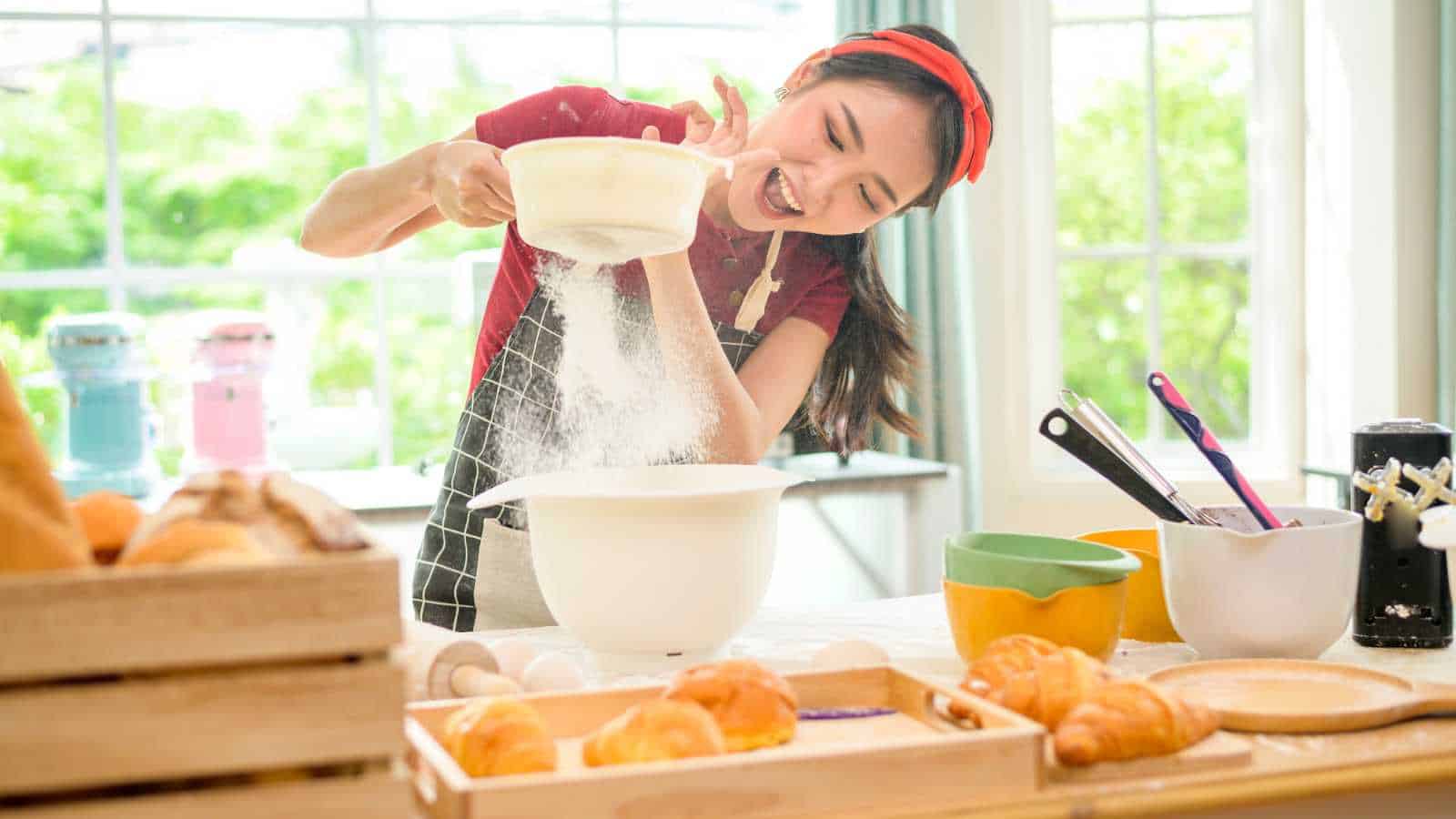
Rural downsizing often wakes up a kind of confidence that city life leaves dormant. Women who move to rural places often start experimenting with gardens, preserving food, baking, sewing, raising chickens, or selling homemade goods.
These habits do more than fill time. They build self-trust, practical skills, and the quiet satisfaction of knowing you can create more of what you need with your own hands.
Less traffic eases the body

Many women do not move to rural life for pristine fantasy. They move because heavy traffic, constant noise, and polluted corridors wear them down. The American Lung Association’s “State of the Air” 2025 report found that 156.1 million Americans live in areas that received failing grades for unhealthy levels of ozone or particle pollution, and the group warns that living or working near busy highways can increase health risks.
That reality makes lower-density living look appealing in a very practical way. A rural setting may not guarantee perfect air, but it often offers less daily exposure to the busiest roads and less time spent boxed in by traffic.
Women who downsize often talk about that relief in simple terms. They breathe easier, hear themselves think, and stop structuring whole days around congestion.
Success looks different now

The final reason may be the biggest one of all. Women are redefining what a good life looks like. A woman can run a digital shop, freelance from home, teach online, consult remotely, or build a tiny business from a smaller place without asking a major city for permission.
That changes the emotional meaning of downsizing. A rural move no longer signals that someone gave up on ambition. It can signal that she was honest about what she values and chose a life with more autonomy, more margin, and more room to define her own success.
Key takeaway
American women are downsizing to rural life because the move speaks to real pressure points in modern life. High costs, burnout, clutter, long commutes, and constant overstimulation push many women to search for something gentler and more sustainable.
Rural living answers that search with lower expenses, more ownership opportunities, calmer routines, closer contact with nature, and communities that often feel more personal. The trend also aligns with how women work and build wealth now, as remote jobs, digital businesses, and flexible income streams have widened the map.
This is why the shift feels bigger than a housing preference. It reflects a value change. More women now want a life that gives them space to breathe, room to choose, and the freedom to feel at home in their own days.
Disclaimer – This list is solely the author’s opinion based on research and publicly available information. It is not intended to be professional advice.
Like our content? Be sure to follow us.