11 Phone Use habits that instantly give away your generation
In the smallest choices you make, a hidden timeline of how you learned to communicate quietly reveals itself.
We all have tiny quirks that reveal exactly when we were born without us even realizing it. You might think you blend in perfectly with your younger colleagues or older relatives. However, the way you type a quick message betrays your exact age group.
Communication shifts rapidly as new technology constantly changes our daily interactions. Little habits stick with us from the era when we first learned to use a digital device. Keep reading to see which of your texting tendencies are acting like a loud megaphone for your age.
The Ellipsis Of Doom

Older folks often use dot dot dot to show a pause or a trailing thought in a friendly way. Younger people see those three little dots as a sign of passive aggression or impending doom. A text saying “okay…” feels like a dark storm cloud gathering over the conversation.
You might just be taking a breath between ideas while typing. Your younger friends assume you are angry with them. To save everyone a lot of stress, try using a simple comma instead.
Leaving Lengthy Voicemails

Leaving a long and detailed audio message was once the polite thing to do after the beep. Millennials and Generation Z view the voicemail icon as a dreaded chore they must complete. Research from SellCell showed that 80 percent of all calls go to voicemails; however, only 20% of people leave a message.
Listening to someone ramble for three minutes feels like a massive waste of precious time. People would much rather read a quick summary in a text message. If you want a quick reply, just type out your thoughts and hit send.
Reacting With The Thumbs Up Emoji
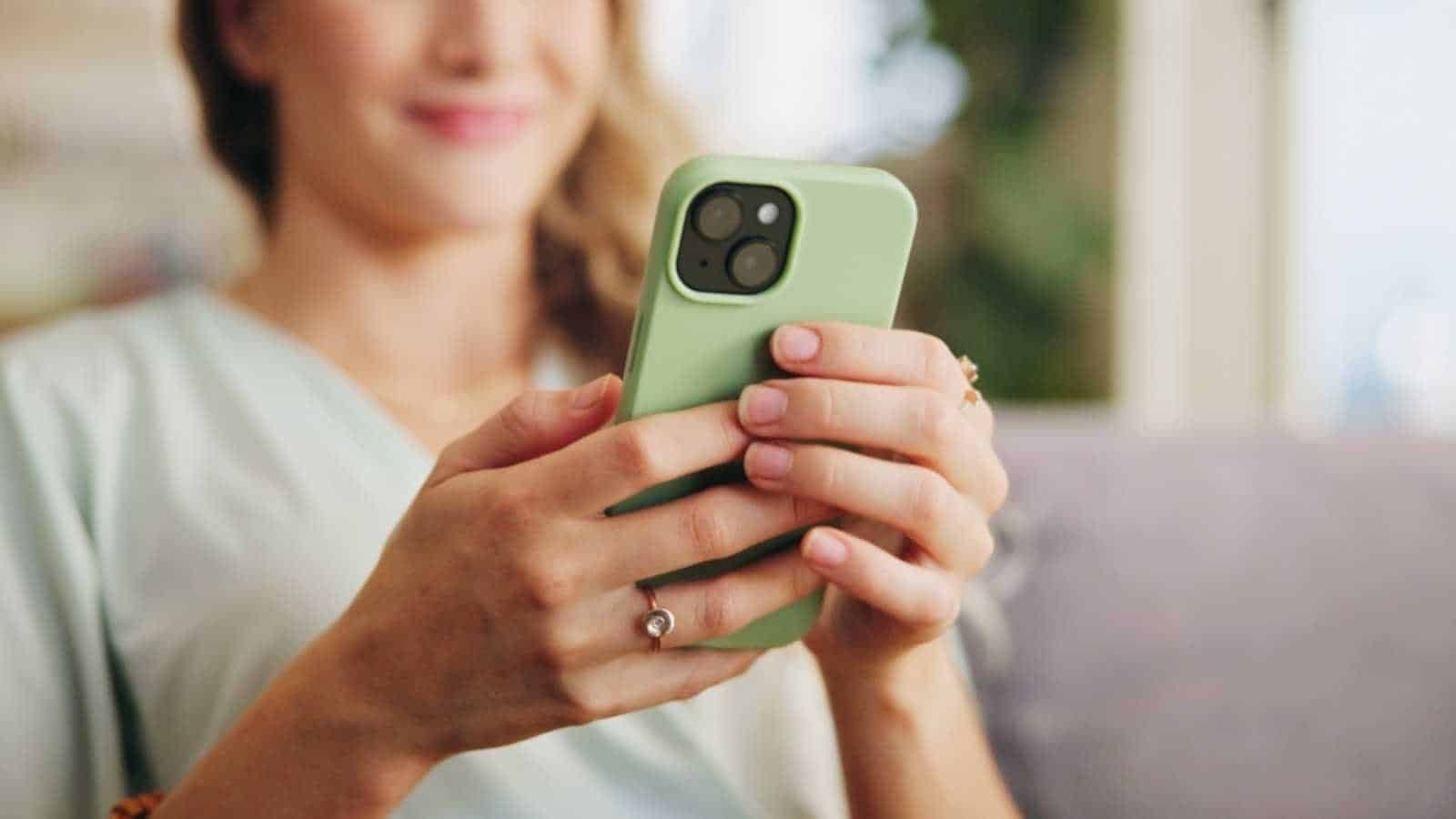
A thumbs-up used to be the universal symbol for a job well done or basic agreement. Generation Z has officially declared the classic thumbs-up emoji to be hostile and rude. They interpret this little yellow hand as a dismissive and sarcastic brush-off.
You might simply mean that you received the message and agree with the plan. The younger crowd feels like you are shutting down the conversation entirely. Try sending a heart or a smiling face to keep things completely friendly.
Ending Texts With A Period

Correct grammar dictates that every complete sentence must end with a period. Texting changed the rules entirely by making the send button act as the final punctuation mark. Adding a period to a short text makes you look incredibly stern to younger readers.
They read that tiny dot as a sign of anger or serious annoyance. According to a 2025 Pumble report, 88 percent of Gen Z workers happily use emojis in professional emails instead of stiff punctuation. So skip the period if you want to keep the mood light and breezy.
Calling Without Texting First

Picking up the phone to hear a human voice was the standard way to connect for decades. Today, calling someone out of the blue is considered a major invasion of privacy. A report by the BBC noted that more than half of young adults feel that when their phone unexpectedly rings, something bad has happened.
People want to mentally prepare before they engage in a live verbal conversation. Sending a quick text to ask if they are free is the modern version of knocking on a door. It shows respect for their time and personal space.
Using Voice Notes Like Podcasts

Voice memos have become the perfect middle ground for people who hate typing but refuse to call. A 2024 report by the BBC found that 70 percent of Gen Z and millennial individuals prefer texting over making a traditional phone call. They rely heavily on these mini audio files to tell long stories.
Older generations often find these floating audio bubbles confusing and frustrating to listen to. They would rather just have a normal phone conversation if there is that much to say. You can definitely guess someone’s age by how many voice notes sit in their chat history.
Capitalizing Every Single Word

Proper capitalization takes extra effort on a smartphone keyboard. Typing with perfect capitalization usually points to someone who grew up typing on a physical typewriter or desktop computer. It feels very formal and stiff in a casual group chat.
Younger users often turn off auto-capitalization completely to achieve a laid-back aesthetic. They believe all lowercase letters make them seem more approachable and relaxed. Hitting the shift key is a dead giveaway of an older vintage.
Signing Off With Your Name
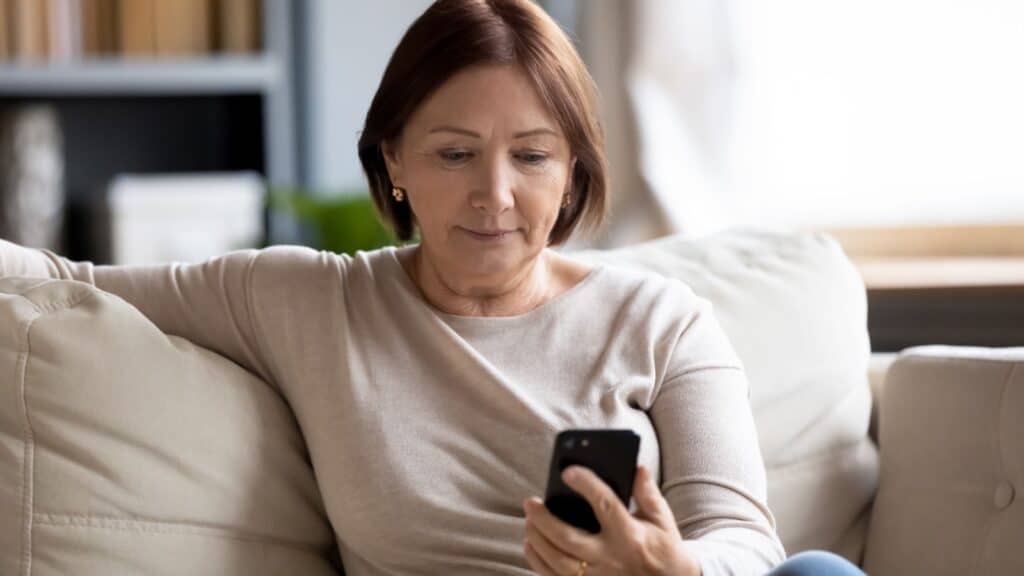
Letters and emails have always required a polite sign-off and a signature at the bottom. Some people carry this formal habit directly into their text messages by typing their name. Your phone already tells the recipient exactly who is sending the message.
Adding a cute sign-off at the end of a quick text feels incredibly redundant. Younger texters find this habit absolutely hilarious and charmingly outdated. Just let your words speak for themselves without the formal autograph.
Holding The Phone Like A Walkie Talkie

The way you physically hold your device speaks volumes about the year you were born. Boomers often hold their phone flat in front of their mouth on speakerphone like a classic walkie-talkie. This public broadcast method baffles anyone born after 1990.
Younger people prefer to hold the bottom of the phone directly up to their ear. They also type furiously using both thumbs, while older folks peck away differently. A 2024 report by the Brussels Times revealed that the average smartphone user touches their phone 2,617 times a day.
Typing With One Finger

Watching someone type out a message can be a fascinating generational study. Using one isolated index finger to hunt and peck at the digital keys is a classic older generation move. They treat the glass screen like an old-school calculator.
Teenagers fly across the digital keyboard using both thumbs at lightning speed. They do not even need to look at the screen to craft a perfectly spelled paragraph. The single finger poke is a surefire sign of someone who remembers landlines.
Answering The Phone Immediately

There was a time when a ringing phone demanded instant attention because voicemail did not exist. Older adults still dive across the room to catch a call before it goes to voicemail. They view a ringing device as an absolute emergency that requires a rapid response.
Millennials will happily stare at a ringing screen until it finally goes silent. A report by Asurion found that Americans check their phones an average of 352 times a day anyway. They will simply text you back hours later to ask what you wanted on their own schedule.
Like our content? Be sure to follow us