Millennial women are done living with men—and Boomer women are cheering them on
The dynamics of cohabitation have changed significantly in recent years. Living with a partner once looked like the natural next step, but many millennial women now see it as a decision that deserves serious thought. They are weighing peace, autonomy, money, mental health, emotional labor, and long-term security before sharing a home with a man.
Older women often understand this choice better than anyone. According to The Greater Good Science Center at the University of California, Berkeley, many women have lived through the hidden work, unequal chores, financial dependence, and quiet compromises that can come with cohabitation.
That is why they often applaud younger women for choosing independence over pressure, peace over tradition, and clarity over convenience.
They’ve Seen the Emotional-Labor Trap

Millennial women have watched how easily emotional labor can turn into a quiet second job in relationships. It is not just about cooking or cleaning. It is remembering appointments, tracking moods, planning family events, smoothing tension, and keeping the relationship emotionally alive.
A study by NLM highlighted how emotional labor is still disproportionately shouldered by women, and many millennial women are now actively avoiding that heavy responsibility. Many women grew up seeing mothers, aunties, and older sisters carry that invisible load with little thanks.
So when a man wants to move in, they ask a sharper question: Will this make life lighter or heavier? Older women applaud that caution because they know how draining it feels to manage a grown man’s feelings, habits, and household peace while pretending it is love.
They’re Financially Independent and Don’t Need to “Merge”

Many millennial women no longer see living with a man as a financial rescue plan. They pay rent, build careers, manage bills, and make big decisions without needing a partner to stabilize their lives. That changes the whole meaning of cohabitation.
Research by Elizabeth Winkler shows that millennial women prefer to keep their finances separate, viewing cohabitation as a choice rather than a necessity. Moving in is no longer a survival move. It has to add peace, support, and real value. If it creates confusion over bills, shared debt, or uneven spending, they would rather keep their own lease and bank account.
Older women often admire this because many remember a time when money trapped women in unhappy homes, making independence feel like protection, quiet power, and a safer plan for the life ahead.
They’ve Watched Cohabitation Set Women Up for Less-Stable Relationships

Millennial women have seen how cohabiting can blur the line between convenience and commitment. A man may see cohabitation as cheaper rent, easier access, and a relaxed arrangement, while a woman may see it as a step toward marriage or a deeper partnership. That mismatch can leave women disappointed after investing time, labor, and emotion into a home that never becomes secure. So many are refusing to move in without clear intentions.
What are we building? Where is this going? What does commitment mean here? Older women understand the wisdom here because they have seen too many women act like wives in homes where men never planned to offer lasting commitment or real security after years of sacrifice and waiting.
A National Library of Medicine study confirmed that 43.1% of couples who live together before marriage often experience lower marital satisfaction and higher divorce rates, making millennial women more cautious about cohabitation without a clear commitment.
They Refuse to Shoulder More Housework
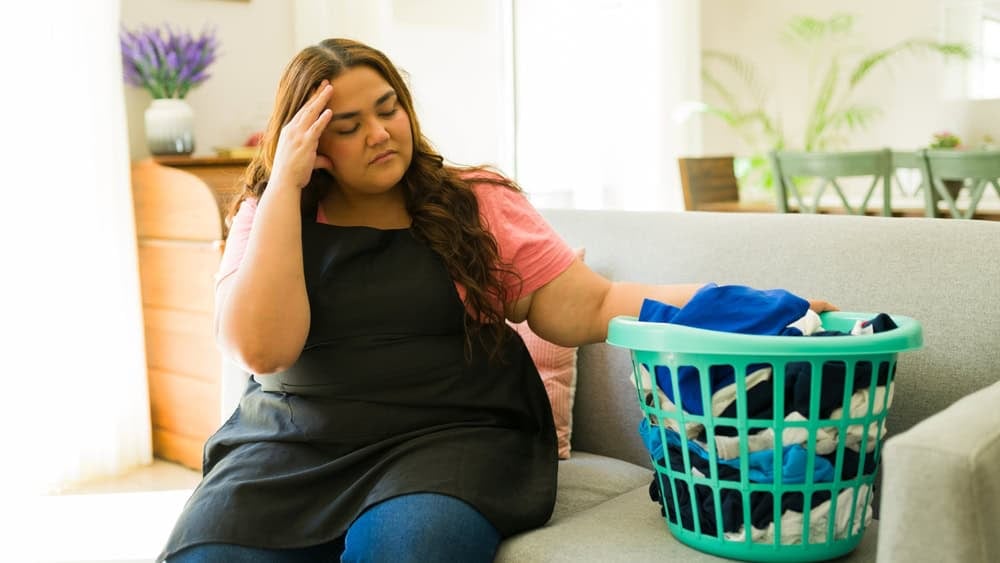
Housework remains one of the biggest reasons millennial women hesitate to live with a man. An article on BBC throws more light on he, women still bear the brunt of domestic chores in most heterosexual relationships, which many millennial women find unacceptable.
Many already work full-time, handle errands, care for themselves, and manage personal goals. The idea of adding someone else’s laundry, dishes, mess, meals, and cleaning habits feels less romantic and more like unpaid domestic labor. They are not rejecting the partnership. They are rejecting a setup where love quietly turns them into the default house manager.
Older women applaud this boundary because they know how easily women are praised for being “helpful” while their time disappears. Living alone can feel cleaner, calmer, fairer, and far less exhausting.
They Crave Autonomy Over Their Own Space
For many millennial women, a home is more than a place to sleep. It is a place to breathe, reset, decorate, plan, cry, laugh, and exist without having to explain every choice. Women in their 20s and 30s see living alone as an empowering choice that provides autonomy and control over their lives.
Living alone means choosing the furniture, the music, the bedtime, the dinner, and the silence. No one questions why the room looks the way it does or why they need a quiet evening. That level of control feels deeply healing, especially in a world that constantly demands women’s attention.
Older women admire this because many spent years compromising their comfort for everyone else’s preferences and now see autonomy as a form of peace, privacy, and daily relief at home every day.
They’re Wary of “Sliding” into Long-Term Entanglement

Millennial women are more alert to the danger of sliding into a life they never clearly chose. Many couples drift into cohabitation without a clear discussion of the future, leading to dissatisfaction later.
One overnight bag becomes a drawer, the drawer becomes half the closet, and suddenly they are sharing bills, chores, pets, and routines without ever having a serious talk about the future. That slow drift can make it harder to leave, especially when comfort replaces clarity.
Many women now want direct conversations before sharing a home. What are we building? Where is this going? What does commitment mean here? Older women respect that because they have seen how many relationships became permanent simply because leaving felt too complicated and costly for everyone.
They’re More Protective of Their Mental Health
Millennial women are more open about anxiety, burnout, emotional exhaustion, and the need for personal space. The emotional labor burden women carry, and living alone helps protect their mental well-being.
Many understand that a relationship can be loving and still mentally draining if one person constantly absorbs the other’s stress, habits, or lack of self-awareness. Living alone gives them room to rest without having to perform happiness, patience, or emotional availability all the time.
It also protects their routines, sleep, work focus, and self-care. Older women often applaud this shift because they were taught to endure discomfort quietly. Younger women are choosing peace earlier, and that choice feels like a powerful correction to old expectations today.
They’ve Seen the Physical Chemistry Fade

Some millennial women worry that moving in too quickly can make romance feel routine before the relationship is truly ready. According to The Atlantic, couple hapiness and physical chemistry can fade once couples move in together, which is why millennial women prefer to keep some distance.
The mystery fades when every date turns into shared bills, sink hair, laundry piles, grocery lists, and tired evenings on the couch. They know real love is not always glamorous, but they also understand that timing matters. Living separately can help a relationship keep its spark, intention, and excitement longer.
It allows both people to miss each other, plan time together, and show up with effort. Older women often smile at this because they know familiarity can be sweet, but it can also grow stale too quickly.
They Don’t Want to “Upgrade” a Guy Like a Fixer-Upper

Millennial women are increasingly refusing to take on the roles of life coach, therapist, stylist, mother, organizer, and emotional repair service for men. Many women today recognize harmful gender norms and refuse to be responsible for their partner’s growth. They do not want to move in with someone who still needs to be taught basic respect, hygiene, communication, budgeting, or responsibility.
A relationship should not feel like a renovation project where the woman supplies all the patience, and the man slowly becomes livable. They want partners who arrive as adults, not projects. Older women applaud this because many spent years building men up, only to feel drained or taken for granted. Younger women are saying maturity must come before the shared address.
They’ve Watched Older Women Thrive Alone

Millennial women are also learning from older women who found freedom after divorce, widowhood, or years of living for others. According to the United States Census Bureau, more women over 65 are living alone than ever before, finding joy in their autonomy.
Many older women now enjoy quiet homes, personal routines, friendships, hobbies, destination trips, and money decisions made without permission. Their lives prove that being alone is not the same as being lonely. That example gives younger women permission to question the old fear that a woman without a man is incomplete.
Instead, they see women who are rested, stylish, social, and fully in charge of their days. Older women applaud younger women because they recognize a freedom they wish they had claimed much sooner, without guilt.
They Want to Enjoy Phase-of-Life Freedom

Millennial women often see their late 20s, 30s, and early 40s as a season for growth, not just settling down. The Good Trade highlights that living alone allows women to explore their passions and evolve on their own terms.
They may want to travel, change careers, return to school, build businesses, move cities, or discover who they are without shaping every plan around a partner. Living with a man can make those choices feel heavier, especially when one person’s comfort starts controlling both people’s direction.
Choosing to live alone keeps life flexible. Older women support this because they know how quickly years can slip away in duty, routine, and sacrifice. They want younger women to taste freedom before giving it away too soon or shrinking their dreams.
They’re More Skeptical of “Just Try It” Cohabitation

Millennial women are increasingly wary of cohabitation as a trial run for marriage, recognizing that what’s often presented as a “test” can actually lead to disappointment and instability. Couples who live together before marriage are at a higher risk of divorce, and women often expect cohabitation to lead to marriage, while men may see it as a casual step.
These differing expectations leave women vulnerable to heartbreak and wasted years. As a result, many millennial women are cautious and now only consider cohabitation when a relationship’s direction and intention are clear, choosing autonomy and emotional security over outdated traditions.
They’re Redefining “Success” as Autonomy, Not Couple-Status
Millennial women are redefining success, moving away from measuring it by having a man in the house, a shared lease, or a relationship that looks impressive from the outside. Today, success is defined by peace, freedom, savings, friendships, emotional health, and the ability to make choices without fear or pressure.
This shift, shows that women are proving adulthood does not have to follow a fixed script. A woman can be loved, respected, fulfilled, and still live alone. Older women applaud this because it challenges the old belief that a woman’s life gains value only through partnership. Autonomy is now a badge of strength, self-trust, and personal pride.
Solo Strength: The Millennial Woman’s Manifesto

Millennial women are not rejecting love. They are rejecting arrangements that make their lives smaller, heavier, or less peaceful. Their choice to live alone often stems from self-respect, financial awareness, emotional maturity, and a deeper understanding of what a partnership should truly add. Older women applaud them because they recognize the courage it takes to choose peace before pressure.
Disclosure: This article was developed with the assistance of AI and was subsequently reviewed, revised, and approved by our editorial team.
Like our content? Be sure to follow us