FBI agent warns these 12 weird body habits could be a sign someone is not telling the truth
Humans are surprisingly bad at spotting lies. Research cited by body language experts suggests most people detect deception only slightly better than chance, even when they believe they’re good at reading others.
Former FBI special agent and nonverbal communication expert Joe Navarro has repeatedly warned that there is no single “Pinocchio effect” that instantly proves someone is lying. Instead, he says the body often reveals signs of stress, discomfort, or emotional conflict when a person is under pressure.
Navarro, who spent 25 years working in FBI counterintelligence, catching spies, says the key is to look for clusters of unusual behaviors rather than a single isolated movement. While innocent people can also show nervous habits, sudden changes in body language during difficult conversations may signal that something isn’t adding up.
Here are 12 strange body habits experts say can sometimes appear when someone isn’t being fully truthful.
Their “No” Doesn’t Match Their Body
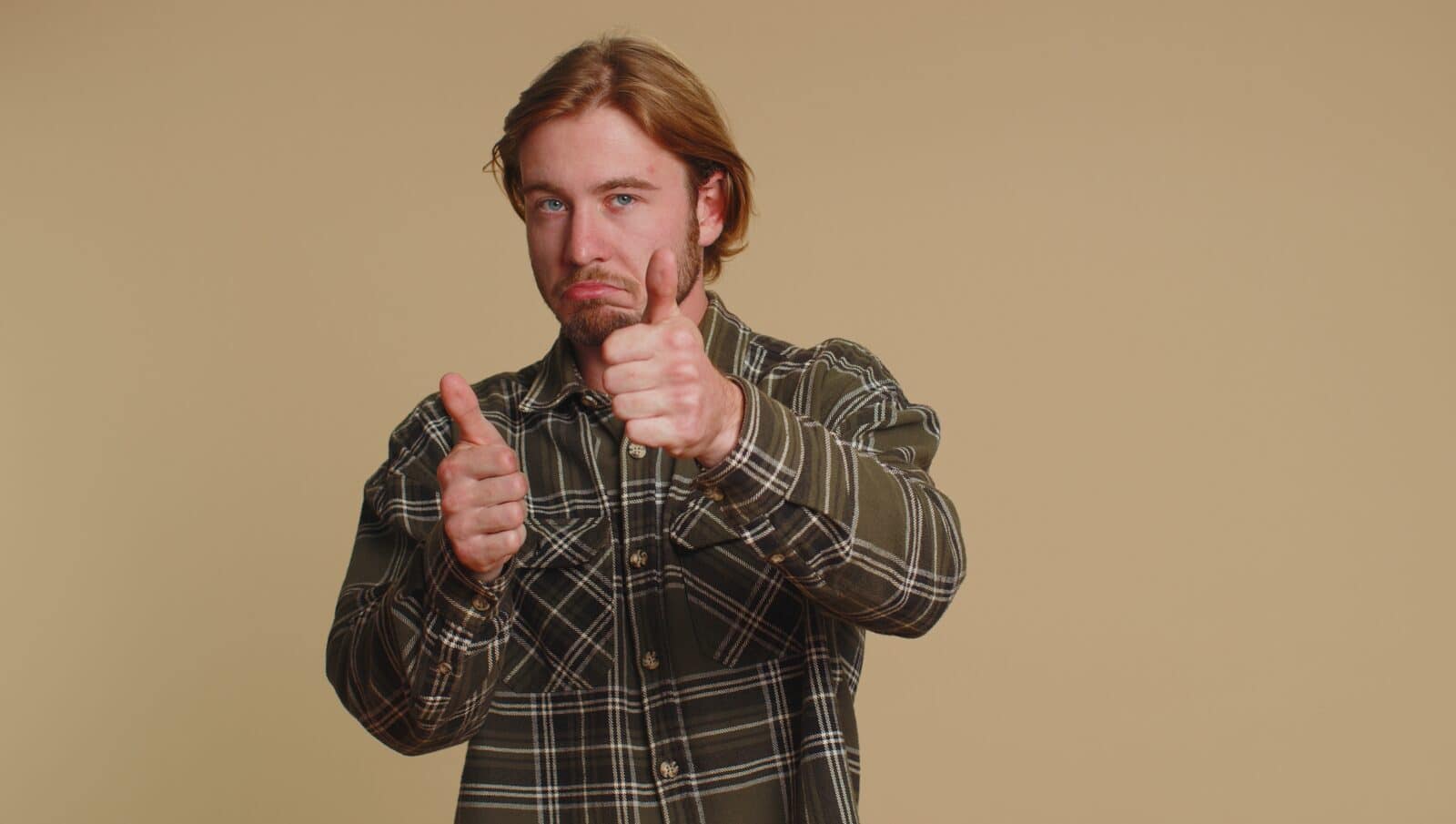
When someone’s words and body split in opposite directions, trained interviewers tend to slow down. A person says “no” but nods yes, says “yes” while giving a tiny head shake, closes their eyes at the exact moment of denial, or turns away right after the key question lands.
Paul Ekman’s deception work calls these moments possible “hot spots,” not proof, because the signal is not the gesture alone. It is the mismatch between the statement, the timing, the topic, and the person’s usual behavior.
Ekman’s own deception-detection guidance says there is “no single, definitive sign of deceit itself,” and no facial expression or gesture proves someone is lying with certainty. That is why this first habit matters carefully.
A mismatched “no” may mean stress, fear, conflict, shame, confusion, or deception. The useful question is not “Did that prove a lie?” The useful question is, “Why did the body disagree right there?”
Lip Compression and Jaw Shifting

Joe Navarro, a retired FBI counterintelligence agent and body language expert, has written that compressed lips and “disappearing lips” are not, by themselves, signs of deception, but they can indicate distress and tension. That distinction is the spine of this whole article.
A person pressing their lips flat, clenching their jaw, shifting their jaw to the side, swallowing hard, or tightening their mouth after a hard question may be showing pressure. Maybe they are holding back anger. Maybe they are afraid of the topic. Maybe they are deciding how much to say.
Navarro’s point is that these mouth cues can guide better follow-up, not convict someone on sight. In everyday settings, timing is what matters. If someone is relaxed for ten minutes, and then their lips suddenly vanish after you ask about a missing receipt, a late-night text, or a changed story, that is a useful shift from baseline. It does not prove deception, but it points to emotional heat.
“Ventilating” Behaviors, Loosening Clothes, or Touching the Neck

When people feel pressure, the body often tries to cool or soothe itself. That can look like tugging at a collar, loosening a tie, rubbing the neck, touching the throat, lifting hair off the back of the neck, or pulling clothing away from the chest.
Former investigators often watch these behaviors because the neck and upper chest are sensitive areas, and touching them can signal anxiety, discomfort, or a need to self-calm. Navarro’s writing on nonverbal distress points to tightening face and neck muscles, lip compression, hard swallowing, and other stress displays as signs that the body is reacting to something.
The safe wording matters here. A person can touch their neck because they are hot, tired, shy, traumatized, or simply uncomfortable being questioned. But if the gesture appears at the exact moment the topic changes, especially when paired with a shift in speech or a body freeze, it can mark the point at which the conversation became dangerous for them.
Sudden Stillness Instead of Fidgeting

Pop culture loves the fidgety liar, but research gives a stranger picture. Some liars move less, not more, because lying can take mental effort. Deception researcher Aldert Vrij has found, in experimental work, that liars can reduce hand and finger movements under certain conditions, likely because they are thinking hard, managing impressions, and trying to control how they appear.
A 2020 Frontiers in Psychology review also warns that many common body cues are weak or unreliable, which means the real clue is not “stillness equals lie.” The clue is sudden stillness where movement used to be.
If someone was relaxed, animated, and naturally gesturing, then becomes statue-still after one pointed question, that is a meaningful change. Maybe they are scared. Maybe they are concentrating. Maybe they are editing the story. Maybe they are bracing for conflict. The body has gone quiet, and quiet is sometimes the loudest shift in the room.
Blinking Patterns Change

Blinking is easy to overread, so this section needs a gentle warning label. A fast blink rate does not automatically mean lying, and slow blinking does not mean innocence. Blink patterns can shift due to stress, dry eyes, fatigue, lighting, medication, anxiety, and cognitive load.
Still, researchers have studied blinking in deception contexts because the eyes can react when the brain is working harder than usual. Studies of false intent and cognitive demand show that eye behavior can shift under mental pressure, but the pattern is not clean enough to use as a lie detector.
In plain English, watch change, not numbers. If a person normally blinks at a steady pace, then suddenly stops blinking during a rehearsed answer or blinks rapidly after a difficult denial, that may signal pressure release or mental strain. It is a clue to slow down, not a reason to point a finger.
Microexpressions of Negative Emotion Flash Across the Face

Microexpressions are tiny emotional flashes that pass across the face in a fraction of a second. They can show fear, contempt, disgust, anger, or sadness before the person has time to manage the display.
A 2018 Frontiers in Psychology study by David Matsumoto and Hyi Sung Hwang found that microexpressions lasting half a second or less helped distinguish truth-tellers from liars in a controlled study involving future malicious intent. That sounds dramatic, but it still needs caution. The study setting was specific, and most ordinary people are not trained to catch flashes that fast.
Paul Ekman’s work also warns that no single facial movement proves deceit. So the useful lesson is not “I saw fear, so they lied.” It is, “Their face flashed fear while their words sounded calm, and that mismatch may deserve follow-up.” In real life, microexpressions are best treated like sparks. They show heat. They do not tell you what started the fire.
“Leakage” Through Self-Soothing Touch
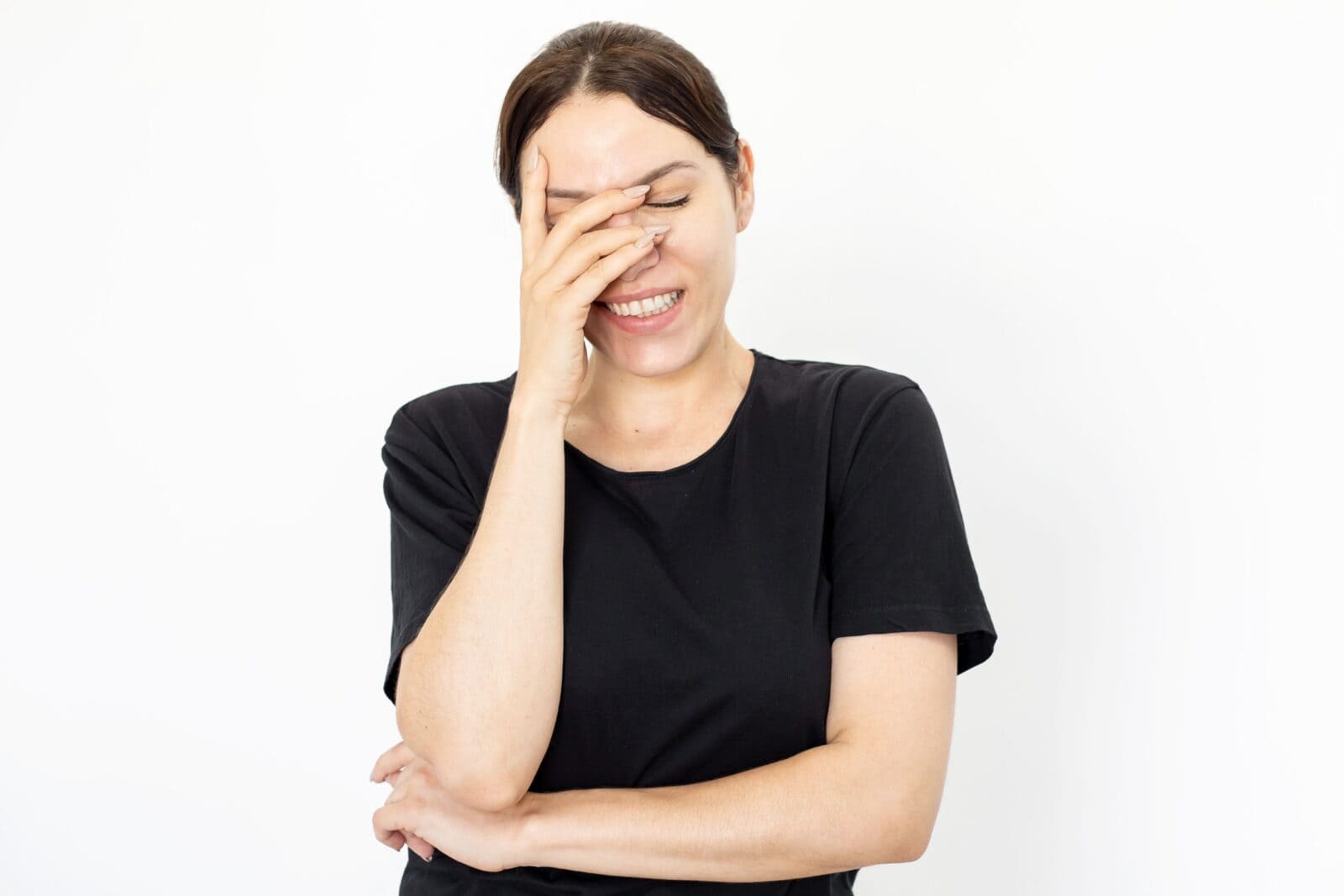
Hands often wander toward comfort when the mind is under pressure. People rub their lips, touch their faces, pull an ear, rub their thighs, stroke their necks, or press their hands together when they feel exposed.
Ekman’s deception framework uses the idea of “leakage” to describe moments when a person accidentally reveals something they did not intend to show, while Navarro’s writing often treats self-soothing movements as signs of comfort or discomfort rather than as automatic proof of lying.
This matters because self-soothing is deeply human. People do it when they are embarrassed, grieving, anxious, tired, socially overwhelmed, or afraid of being misunderstood. In a possible deception setting, the key is a sudden increase in these gestures near the story’s fragile part.
If a person is calm while talking about ordinary details, they may start rubbing their lips or thighs right before answering the hardest question; the body may be trying to comfort itself before the mouth finishes the sentence.
Weird Pauses, Restarts, or Overly Formal Speech

The body is not the only place stress shows up. Speech can stiffen, too. A person may pause too long, restart the same sentence, change tone, use oddly formal wording, give a flood of unnecessary detail, or sound as if they are reading from a script in their head.
Deception researchers often look at verbal and nonverbal patterns together because lying can increase cognitive load. The brain has to track what happened, what was said before, what the listener knows, and what details might collapse later. Still, this habit needs fairness.
Anxiety, trauma, neurodivergence, language barriers, fear of conflict, and high-stakes pressure can also change speech. So the smart reader watches for contrast. If someone normally speaks loosely, then suddenly says, “I did not at any time engage in that action,” that shift may mean they are trying to sound controlled or legally safe. It is not a verdict. It is a little red flag on the sentence.
Their Feet Point Somewhere Else

Navarro famously pays attention to feet because faces are easier to manage than lower-body signals. In his writing, he says feet often reflect emotions more accurately than faces because people can fake a smile but do not always control where their feet go.
That is why feet angled toward the door, legs shifting away, or a body turned toward you while the feet point elsewhere can be interesting. It may show the person wants to leave, avoid the topic, or escape the discomfort of the moment. This does not prove they are lying.
A person may be late, overwhelmed, bored, afraid, or simply uncomfortable. But if their feet shift toward the exit right after a sensitive question, that timing matters. The upper body may stay polite. The feet may vote for distance. In a careful conversation, that is not a reason to accuse. It is worth noting that the topic has become emotionally charged.
Aggressive Finger-Pointing or Blame-Shifting

Sometimes the body does not shrink under pressure. It attacks. A person may point aggressively, lean forward, raise their voice, talk over the question, or shift blame so fast that the original issue disappears. This can happen when someone is lying, but also when someone feels accused, ashamed, cornered, or unfairly judged.
The research warning still applies: a 2020 Frontiers in Psychology review found that nonverbal cues to deception are often faint and unreliable, and that overconfidence in body language can mislead people. So this habit should be read as defensiveness first, not deception first. The timing and pattern matter.
If someone normally stays calm but suddenly starts stabbing the air with a finger and turns the focus onto you after a specific question, the shift may show they want control of the conversation back. It may not prove they lied, but it does show the question touched a nerve.
Over-Controlled, “Too Perfect” Body Language

Real people move unevenly. They gesture, shift, pause, scratch, lean, look away, and come back. Over-controlled body language can feel different: stiff posture, few hand movements, rehearsed facial expressions, symmetrical stillness, and a careful calm that appears only after the stakes rise.
Vrij’s cognitive load research found reduced hand and finger movements in some deception conditions, and Ekman’s work describes deception detection as the gathering of clues and the investigation of hot spots rather than reliance on a single cue. That makes “too perfect” body language worth noticing, but not worth worshiping.
Some people freeze out of anxiety. Some were trained to remain in control under pressure. Some are trying not to cry. Some are trying to lie. The clue is not polished stillness itself. The clue is a sudden performance of calm that does not match the person’s earlier rhythm. If the body looks edited, the next question should be curious, not cruel.
Behavior Shifts at the Exact Moment the Stakes Change

This is the habit that ties the others together. The biggest warning sign is not a blink, a pause, a foot angle, or a tight jaw. It is a shift from baseline when the conversation becomes risky.
Ekman’s deception-detection guidance says there is no single definitive sign of deceit, and his work points instead to hot spots, leakage, and deviations from normal behavior. Frank says you cannot prove a lie by looking only at behavior. Put those together, and the rule becomes simple: know the person’s normal rhythm, then watch what changes when the question gets sharper.
A sudden freeze, a lip press, a speech restart, a neck touch, a foot turn, and a mismatch between words and gestures may form a cluster. That cluster still does not equal guilt. It means the body reacted. The next step is better questions, calmer listening, and evidence outside body language.
A Short Reflective Close

Body language is a flashlight, not a judge’s gavel.
It can show stress, fear, discomfort, conflict, or hidden information. It can also mislead you if you treat every twitch like a confession. The best investigators do not stop at a weird gesture. They slow down. They compare behavior to baseline. They look for clusters. They ask better questions. Then they check the story against facts.
That is the real lesson. The body may send up a flare, but evidence still has to light the road.
Key Takeaways

No single body habit proves someone is lying. Mark Frank says there is no Pinocchio response, Paul Ekman says there is no single definitive sign of deceit, and a 2020 Frontiers in Psychology review says nonverbal deception cues are generally faint and unreliable. That is why a tight mouth, frozen posture, rapid blinking, or pointed finger should never be treated as proof by itself.
The most useful clue is the change from baseline. If someone’s body, voice, face, feet, or gestures shift at the exact moment a sensitive topic comes up, that can signal stress or cognitive load. It may also signal fear, trauma, confusion, or ordinary discomfort. Context matters. Clusters matter. Timing matters.
The safest response is curiosity, not accusation. A body-language cue should make you ask cleaner questions, listen more closely, and look for corroborating evidence. The body can whisper that something feels off. It cannot tell the whole truth on its own.
Disclaimer – This list is solely the author’s opinion based on research and publicly available information. It is not intended to be professional advice.
Like our content? Be sure to follow us