10 warning signs you’re headed for homelessness
For a growing number of Americans, homelessness doesn’t start with a tent on the sidewalk. It starts with late fees, quiet panic over the rent, a packed duffel bag by the door, and the sense that home no longer feels secure. With rents outpacing wages in much of the country, millions of people are now just one crisis away from losing their housing—even if they’re working hard and doing “everything right.”
Experts say most people slide into homelessness gradually, through a series of warning signs that are easy to overlook until it’s almost too late. If you recognize several of the signals below, it may be time to act now—before you find yourself with nowhere to go.
1. Rent Eats Most of Your Paycheck
Housing advocates warn that once you’re spending over half your income on rent and utilities, you’re in a danger zone. At that point, there’s almost nothing left for food, gas, car repairs, or medical bills, and one bad month can start a spiral you can’t climb out of.
If you find yourself saying, “As long as I can cover rent, everything else can wait,” your budget is already on a cliff.
2. You’re Constantly Late or “Short” on Rent
Maybe you haven’t been formally evicted, but you’re:
- Paying late fees every month
- Sending partial payments and promising to “catch up next check”
- Ignoring landlord emails or texts because you’re embarrassed
Those late fees and partial payments can quietly snowball into an amount that’s impossible to fix—and make it more likely your landlord will move toward eviction.
3. You’re Using Debt Just to Survive
Credit cards, payday loans, and buy‑now‑pay‑later plans can feel like a lifeline when cash is tight. But when you’re relying on them for groceries, gas, and utilities—not one‑time emergencies—it’s a sign your basic income can’t support your life.
Financial educators warn that many people end up homeless not because of one huge crisis, but because the interest and fees on survival debt quietly crush them over time.
4. Your Housing Feels Temporary or Unsafe
Homelessness isn’t always a visible tent or sidewalk. It often starts with unstable or non‑traditional living situations:
- Crashing on a friend’s couch “for now”
- Living in an RV, garage, or unfinished basement
- Staying in overcrowded apartments where you could be asked to leave at any time
Federal definitions increasingly recognize this kind of housing instability as part of the homelessness crisis, because one conflict or rent hike can push you out with nowhere else to go.
5. You’ve Received Warnings or an Eviction Notice
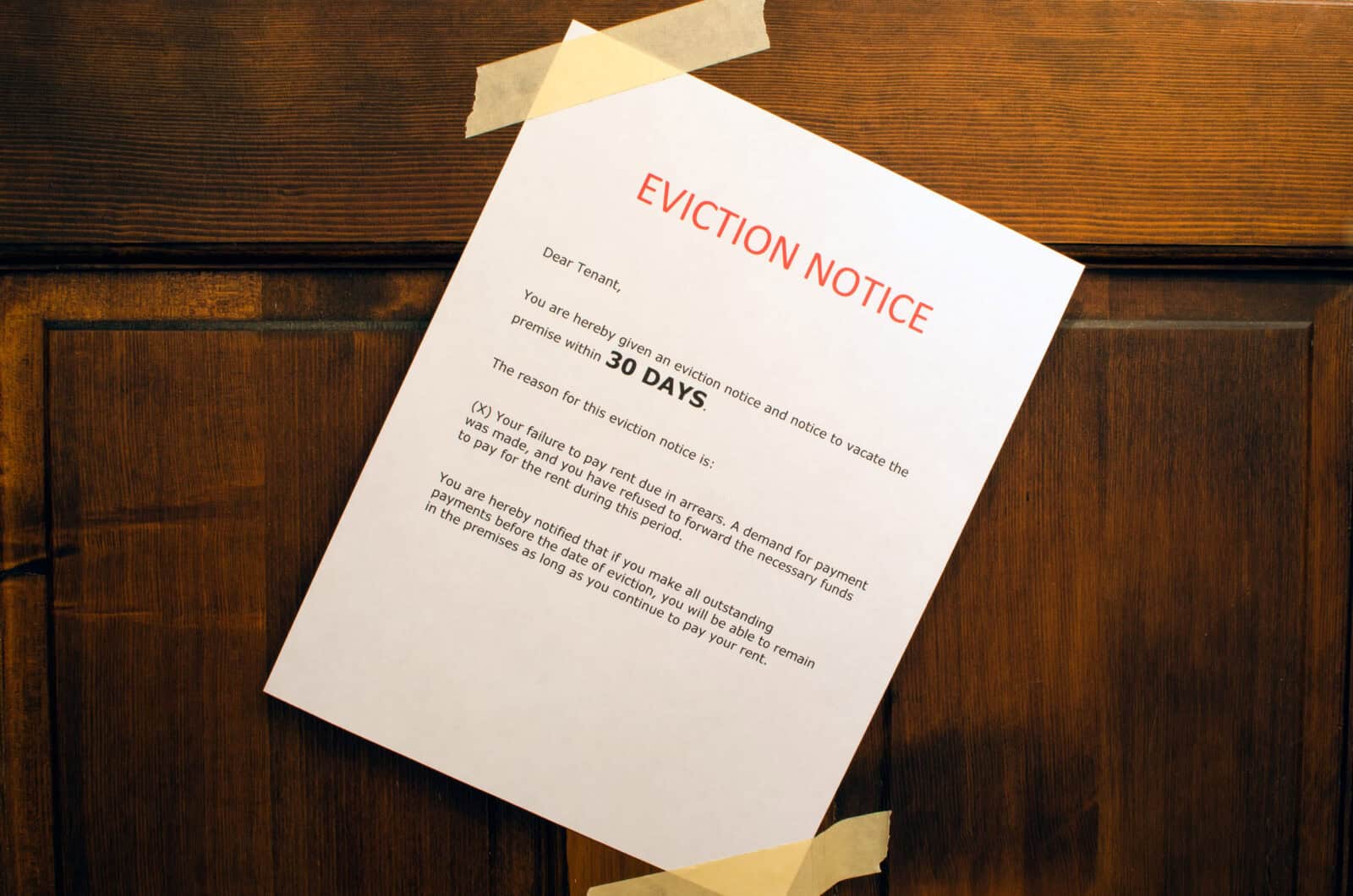
If you’ve gotten a pay‑or‑quit notice, court summons, or formal eviction filing, you are no longer just “at risk”—you’re on the brink. Too many people throw these in a drawer because they feel overwhelmed, but early action matters.
Legal aid programs and eviction prevention grants have helped thousands of renters stay housed by negotiating payment plans or fighting illegal evictions. The earlier you reach out for help, the better your odds.
6. A Major Crisis Hit While You Were Already Struggling
Research shows that many people lose housing after a big life event hits an already fragile budget. Common triggers include:
- Job loss or reduced hours
- Serious illness, disability, or mental health crisis
- Divorce, breakup, or domestic violence
- Aging out of foster care, leaving the military, or being released from jail or a treatment program
When there’s no financial cushion and no backup housing plan, one crisis can tip everything over.
7. Your Daily Life Is Quietly Falling Apart
Outreach workers and educators are trained to spot subtle day‑to‑day signals of housing insecurity:
- You’re exhausted, anxious, and struggling to focus because you’re constantly worrying about money and where you’ll live next.
- You start keeping important belongings in your car or a backpack “just in case.”
- You stretch hygiene and laundry, rewearing clothes for days or skipping showers to save money or because access is limited.
- You avoid inviting anyone over and feel ashamed of your living situation.
These changes may look like “laziness” from the outside, but they’re often survival responses to extreme stress and instability.
8. You’re Burning Through Friends and Family
Many people experience “invisible homelessness” before they ever sleep on the street. They rotate between friends’ or relatives’ homes, sleeping on couches or floors, feeling more and more like a burden.
If you’ve already stayed with multiple people in a short period, or you’re hearing comments like “This can’t go on much longer,” your social safety net is wearing thin. Once those doors close, options shrink very fast.
9. You’re Spending More Time in Public Spaces
Another quiet warning sign: you’re lingering longer in 24‑hour stores, libraries, or transit stations because home doesn’t feel stable or safe. You might find yourself:
- Sitting in your car late at night to think
- Using public bathrooms to wash up
- Spending hours in public places to avoid going “home”
For many people, that’s the last stop before fully sleeping in cars, motels, or outside.
10. You Don’t Know Where You’d Go If You Lost Your Place
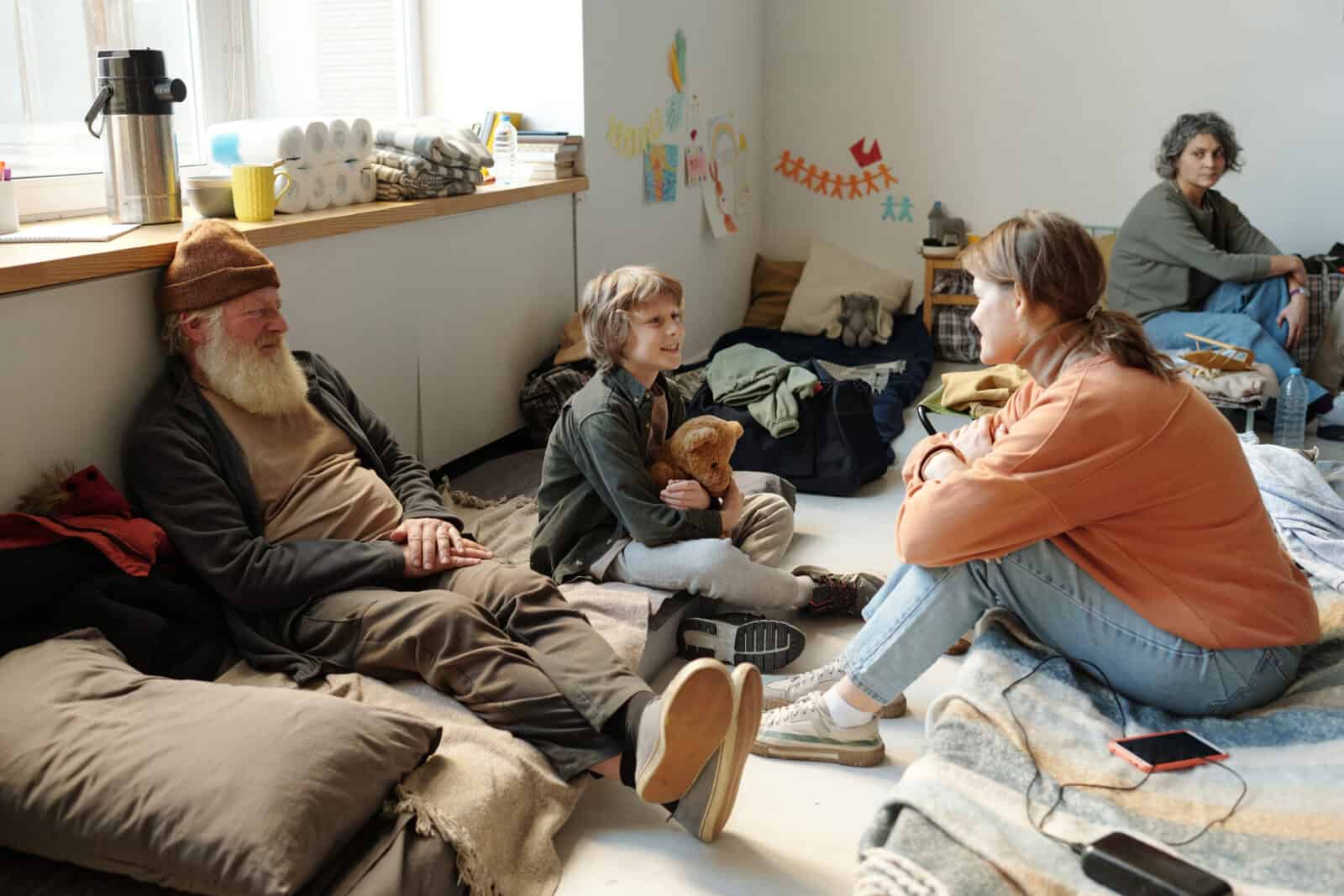
This is the simplest question—and maybe the most important one.
If you were told today, “You have to leave by the end of the week,” do you know where you’d go that is safe, stable, and legal for more than a few days? If the answer is no, you are closer to homelessness than you think, even if you’re fully housed right now.
What You Can Do Before It’s Too Late
The shame around housing struggles keeps a lot of people silent until they’re in full crisis. But prevention works—and there is help out there.
Here are practical steps to consider:
- Call 2‑1‑1 or check your city or county website for rental assistance, utility help, food aid, and local nonprofits focused on eviction prevention.
- Reach out to legal aid as soon as you get any eviction paperwork; HUD‑funded programs and local legal aid offices may offer free or low‑cost help.
- Talk to your landlord early, not after you miss payments. Some will accept payment plans or partial payments if you show you’re serious about catching up.
- Let at least one trusted person know what’s really going on. A planned short‑term stay combined with outside assistance can be the bridge that keeps you from falling into long‑term homelessness.
You’re not alone, and you’re not a failure for struggling in a brutal housing market. Noticing these warning signs— and acting on them—could be the most important step you take to protect your future home.
More Money Content:
- Side hustle nation: how Americans are building income streams in an unstable economy
- Can you work and collect Social Security at the same time? Here’s what happens
- You’ll stay broke if you’re still buying these 11 things
Disclosure: This article was developed with the assistance of AI and was subsequently reviewed, revised, and approved by our editorial team.
The 12 biggest deceptions that keep the middle class struggling

The middle-class story still sounds polished from a distance. A decent paycheck, a mortgage, a college plan, a retirement account, a car in the driveway, groceries in the trunk. It looks like stability. Yet the numbers tell a colder story.
The U.S. Census Bureau says median household income hit $83,730 in 2024, but Brookings found that one-third of the American middle class still could not afford basic necessities as of 2023. The Federal Reserve adds another bruise to the picture.