America’s 12 most disliked cities revealed — did yours make the list?
Public opinion about America’s biggest cities is far from unanimous. According to a YouGov survey of 2,175 U.S. adults conducted between July 3 and July 9, 2025, respondents were asked whether they had a favorable or unfavorable opinion of dozens of U.S. cities.
Some of the country’s best-known destinations, including Los Angeles, Chicago, Washington, D.C., Baltimore, and San Francisco, received some of the highest unfavorable ratings, highlighting how issues such as crime, cost of living, congestion, homelessness, and political polarization continue to shape public perception. This list looks at 12 cities that consistently receive the most negative views in national opinion surveys and explores why they divide Americans.
St Louis, Missouri
This gateway city has plenty of history, but the high crime rates are a constant dark cloud over its beautiful, famous arch. Many families have moved to the suburbs to find a sense of peace, leaving the city center feeling a bit hollowed out during the week. It is a town fighting to regain its former glory while grappling with some very modern and scary problems.
Crime reports show that St. Louis has a violent crime rate many times higher than the national average. These numbers make it difficult for parents to feel secure while walking to the grocery store or taking their kids to a park. It is a hurdle that keeps many people from ever considering a move to the area.
Detroit, Michigan
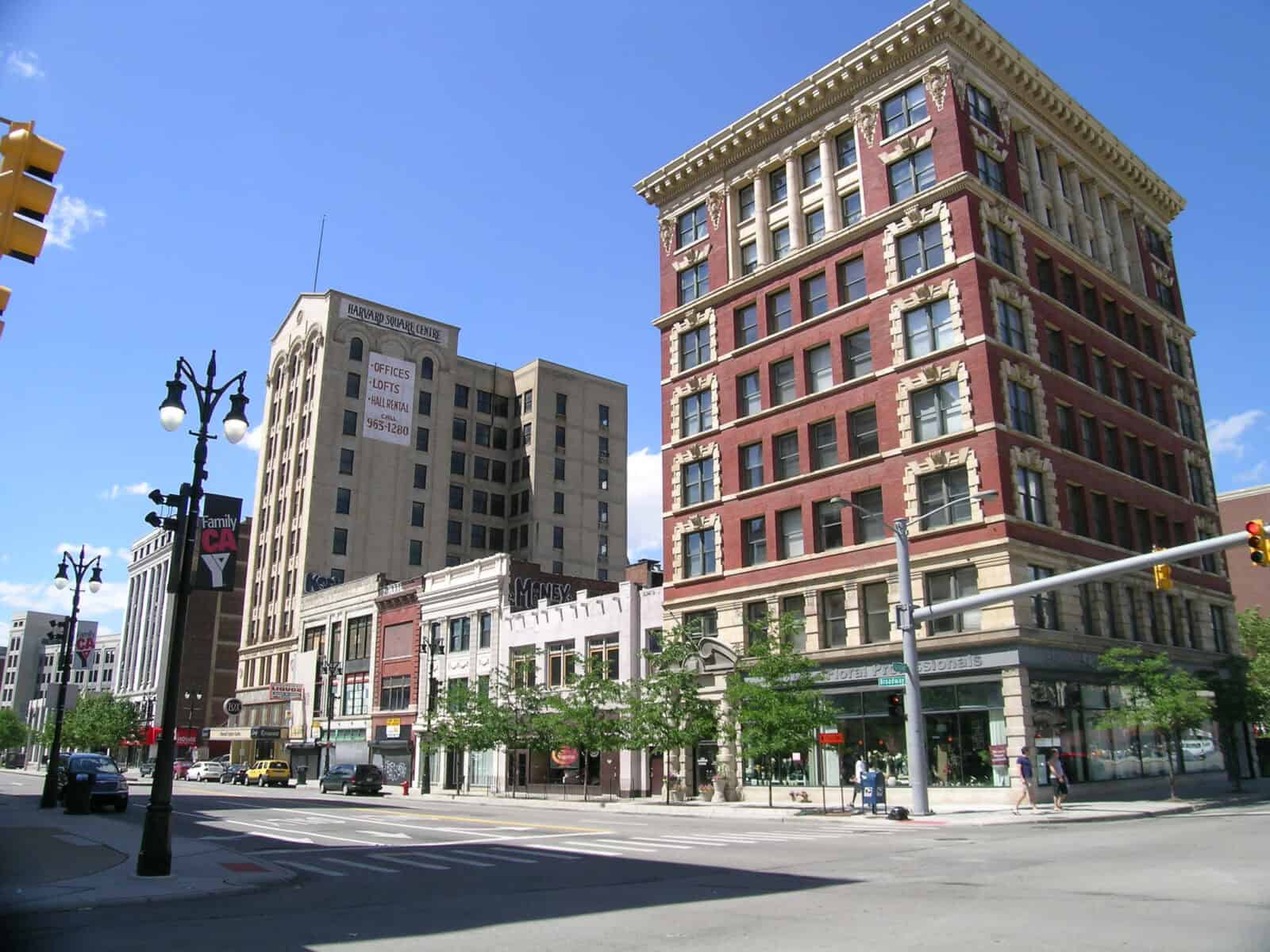
Motor City is in the midst of a massive comeback, yet the scars of its industrial past are still clearly visible to the naked eye. While investors are pouring in, many outsiders still associate the city with vacant lots and a sense of neglect that is hard to shake. It is a place with a massive heart, still trying to find its footing in a new economy.
Historical census data show that Detroit’s population has fallen by well over half since its mid-twentieth-century peak. This vast expanse can make certain neighborhoods feel isolated and far from the bustling energy of a thriving town. It is a tough spot for a city that was once the primary engine of the American dream.
Baltimore, Maryland

Charm City has a rich maritime history, but its reputation is often overshadowed by statistics that read like a gritty crime-drama script. Residents love the local crabs, but they are often vocal about the lack of safety in many parts of the urban core. It is a city of incredible potential that often feels trapped by its persistent, difficult social hurdles.
Recent federal figures indicate that roughly one in five Baltimore residents lives below the federal poverty line. This level of economic hardship can fuel higher rates of property crime and keep the city on lists of places people hesitate to move. Many find it hard to maintain their personal finance goals when the local job market feels so stagnant.
Cleveland, Ohio
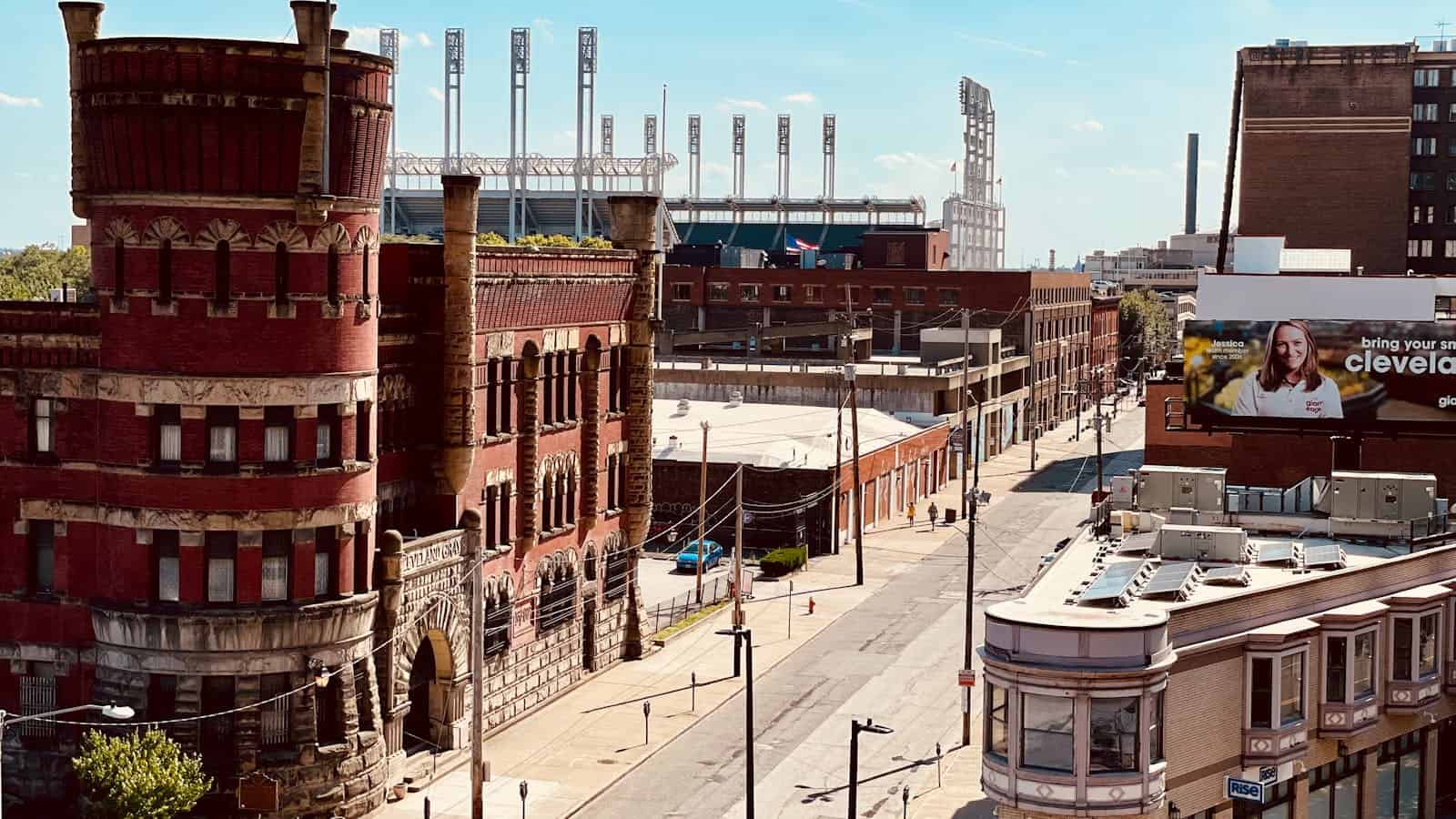
Cleveland often gets a bad rap for its gray winter skies and a nickname that has stuck like glue for decades. While the locals are fiercely loyal to their sports teams, outsiders often see a town that feels a bit stuck in the previous century. It is a place that is working hard to reinvent itself, but the transformation is taking much longer than most people hoped.
One national ranking of urban quality of life places Cleveland among the least desirable U.S. cities to live in due to high poverty rates and limited job opportunities. This lack of appeal makes it difficult to attract new talent seeking a vibrant, active lifestyle. It is a solid place to live, but it currently lacks the sparkle that draws in the younger crowd.
San Francisco, California
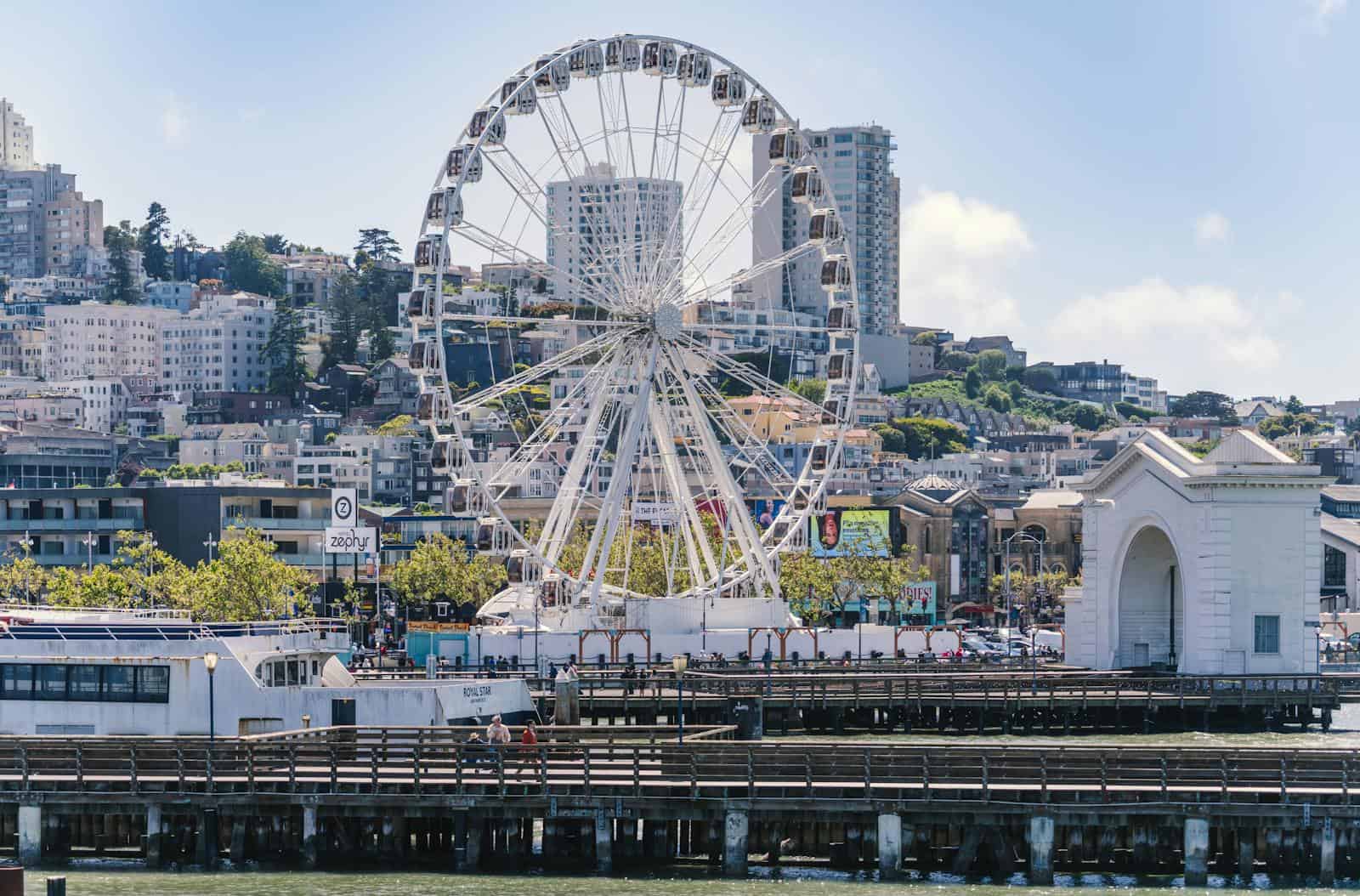
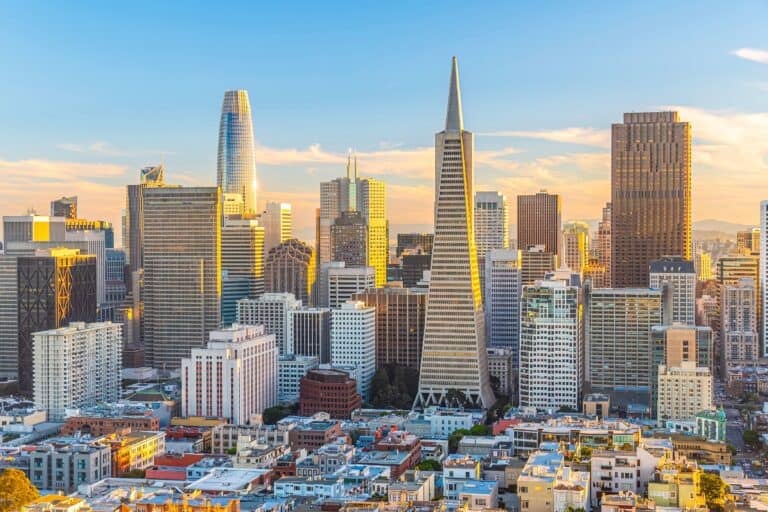
Once the golden child of the tech world, this city has become a cautionary tale about extreme wealth and visible human suffering. The cost of a tiny apartment is so high that it feels like a bad joke, forcing many workers to live hours away. It is a place of incredible natural beauty that is currently struggling with a very public and messy identity crisis.
Housing market data show that the median home price in San Francisco sits around the million‑dollar mark, far above the national norm. This barrier to entry creates a city of extremes where the middle class has almost entirely disappeared from the local census. It is a beautiful spot where your money simply does not have the power it does elsewhere in the country.
Memphis, Tennessee

The home of the blues is currently feeling a different kind of sadness as crime rates continue to climb to worrying levels. While the music and food are world-class, the constant safety concerns make it hard for visitors to truly relax and enjoy the vibe. It is a city with a soul that is being tested by a wave of violence that feels hard to stop.
Recent safety analyses show that Memphis’ violent crime rate is several times higher than the national average for cities of its size. This reputation is a massive weight that keeps the city from reaching its full potential as a major southern destination for young professionals. It is a hard reality for a place that has contributed so much to the history of American music.
Chicago, Illinois
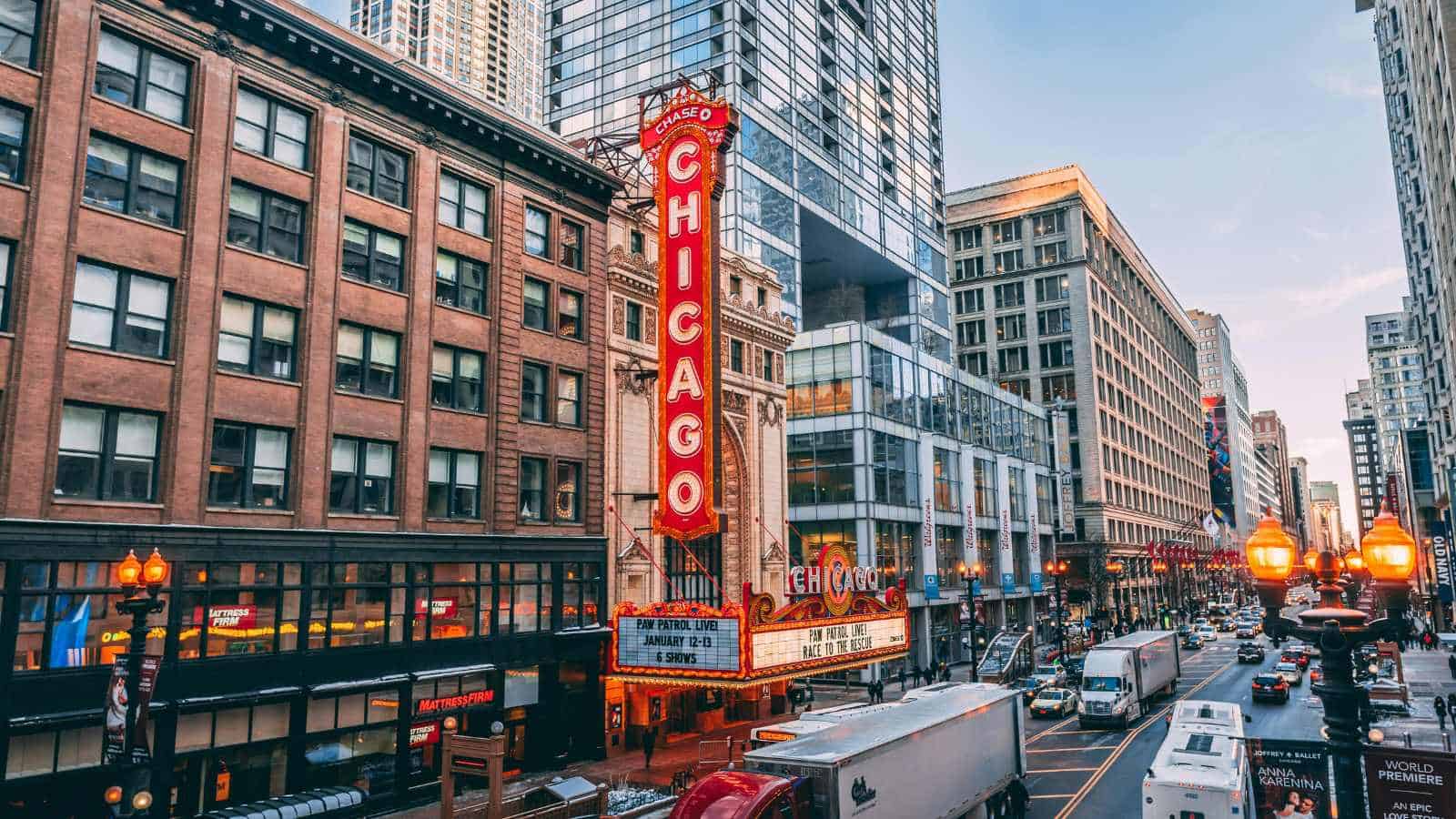
The Windy City offers some of the best food in the world, but the heavy tax burden and cold winters are a major turnoff for many. People are tired of the political games and of the feeling that their tax dollars are disappearing into a deep, dark urban hole. It is a place where you can have a great time, but the cost of staying forever feels a bit too high.
Tax comparisons show that Illinois has one of the very highest effective property tax rates in the country, and Chicago homeowners feel that hit every single year. This financial pressure makes it difficult for families to stick to a reasonable budget while trying to enjoy everything the city has to offer.
Washington D.C.
Our nation’s capital is a place of grand monuments and high stakes, but it can also feel incredibly cold and impersonal to those who live there. The city is often seen as a bubble where the people are more concerned with power than with their own neighbors or community. It is a fast-paced environment that can chew you up and spit you out before you even know what happened.
A recent national poll found that about one-third of Americans list Washington, D.C., among the cities they would least like to live in. This sentiment is common among those who want a life not centered on the daily news cycle or partisan bickering. It is a historic place that often feels lacking a genuine, friendly human touch.
Oakland, California
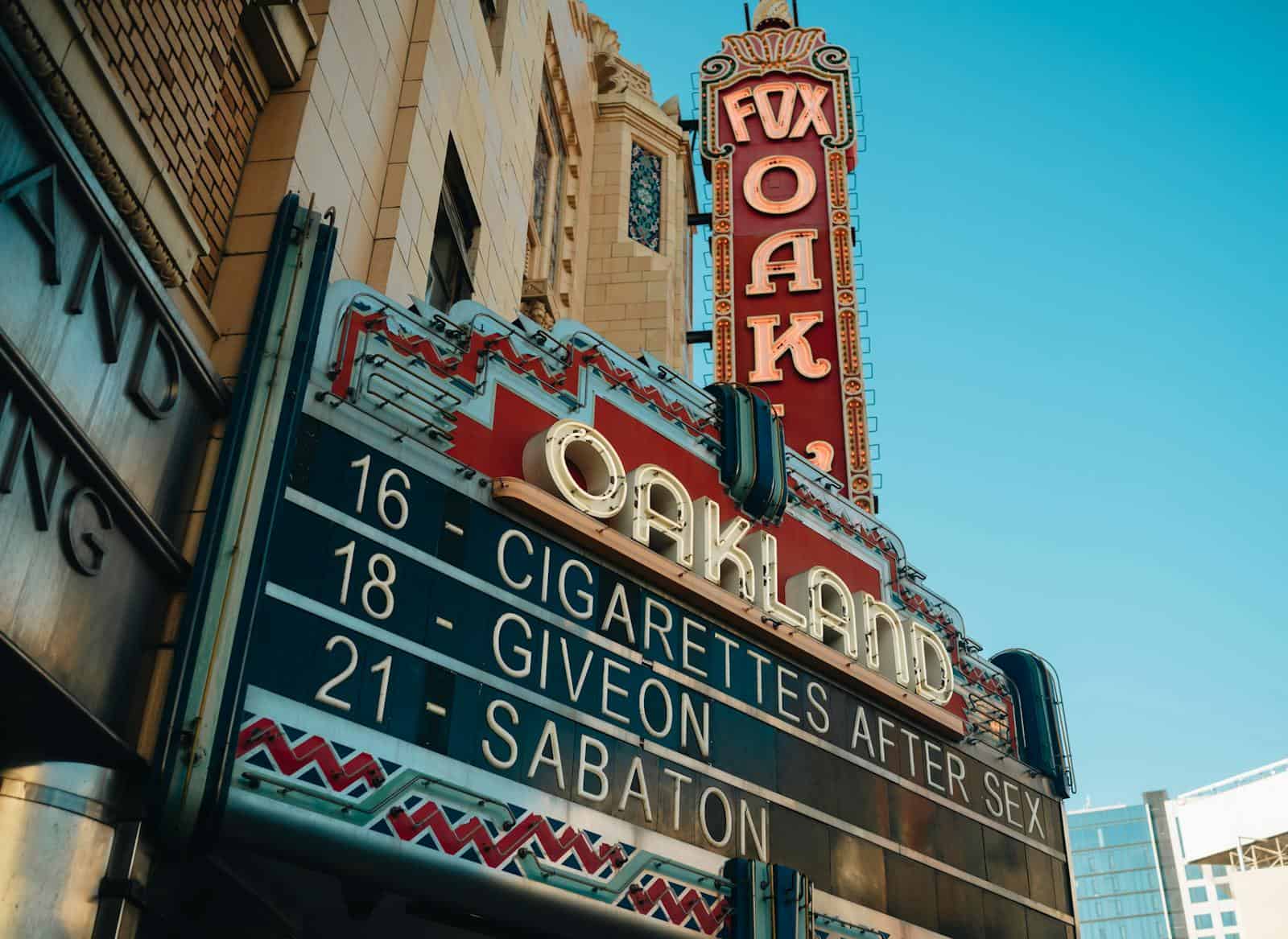
Sitting just across the water from its famous neighbor, Oakland faces many of the same problems but with far fewer resources to address them. The city has a vibrant culture and strong sense of community, yet the daily experience can feel tense and unpredictable for residents.
Longtime locals talk about loving the people but feeling worn down by the constant worry about safety and stability. Many small businesses have closed their doors after repeated break-ins or rising costs, leaving entire blocks dotted with boarded-up storefronts.
Families who once felt hopeful about the city’s revival now quietly browse listings in nearby suburbs where things seem calmer. Oakland remains full of creativity and heart, but it is clear that many people are tired of looking over their shoulders every time they leave the house.
Philadelphia, Pennsylvania
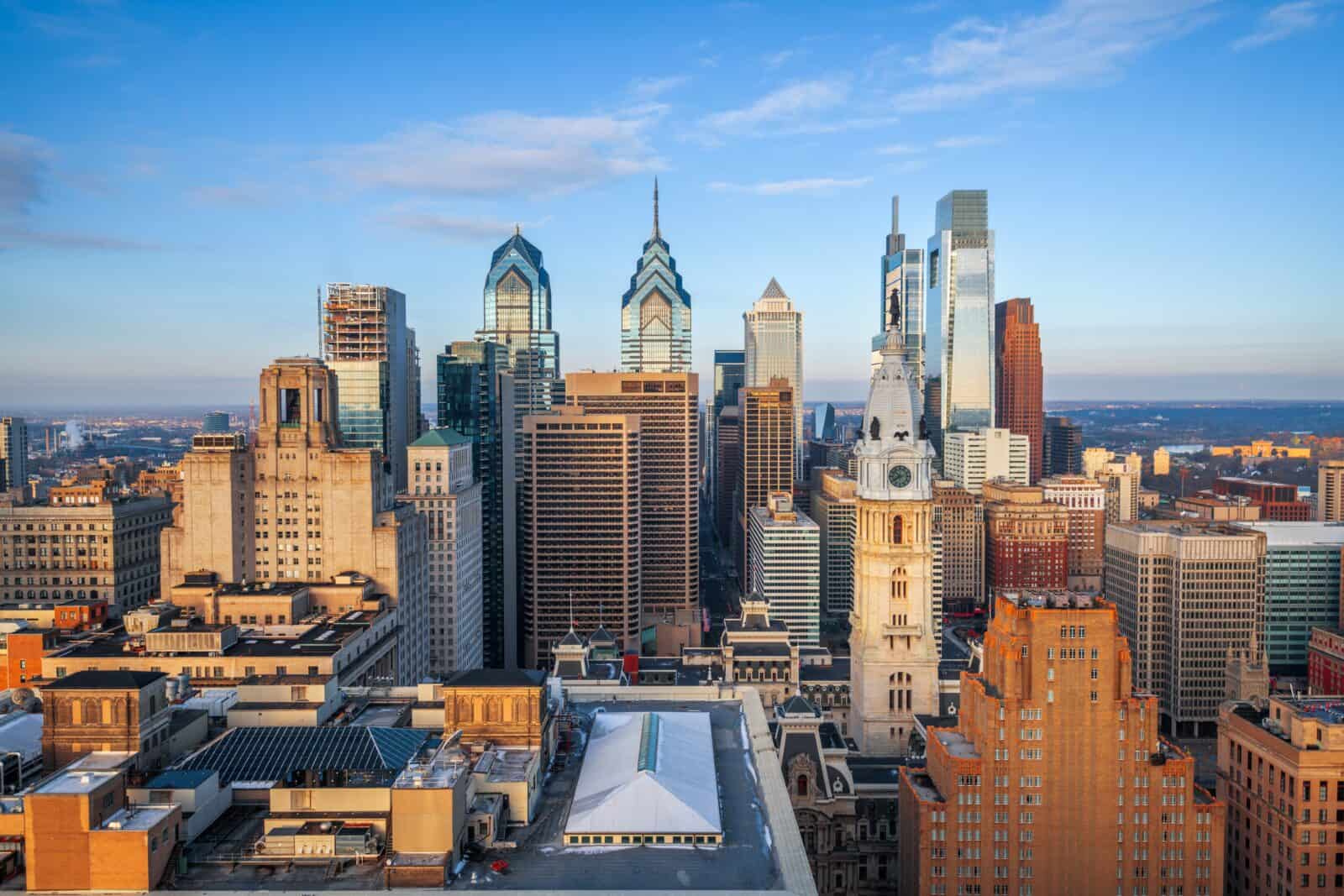
The City of Brotherly Love has a reputation for being a bit too blunt and aggressive for visitors accustomed to softer manners. Locals are proud of their grit, but first impressions often involve crumbling sidewalks, overflowing trash cans, and a certain rough edge in everyday conversations.
At the same time, Philadelphia offers an incredible food scene, a passionate sports culture, and neighborhoods that feel like tight-knit small towns. The challenge is that these bright spots sit right next to areas struggling with long-term disinvestment and frayed public services. For newcomers, the contrast can be jarring, making the city as rewarding as it is exhausting to fully embrace.
Los Angeles, California
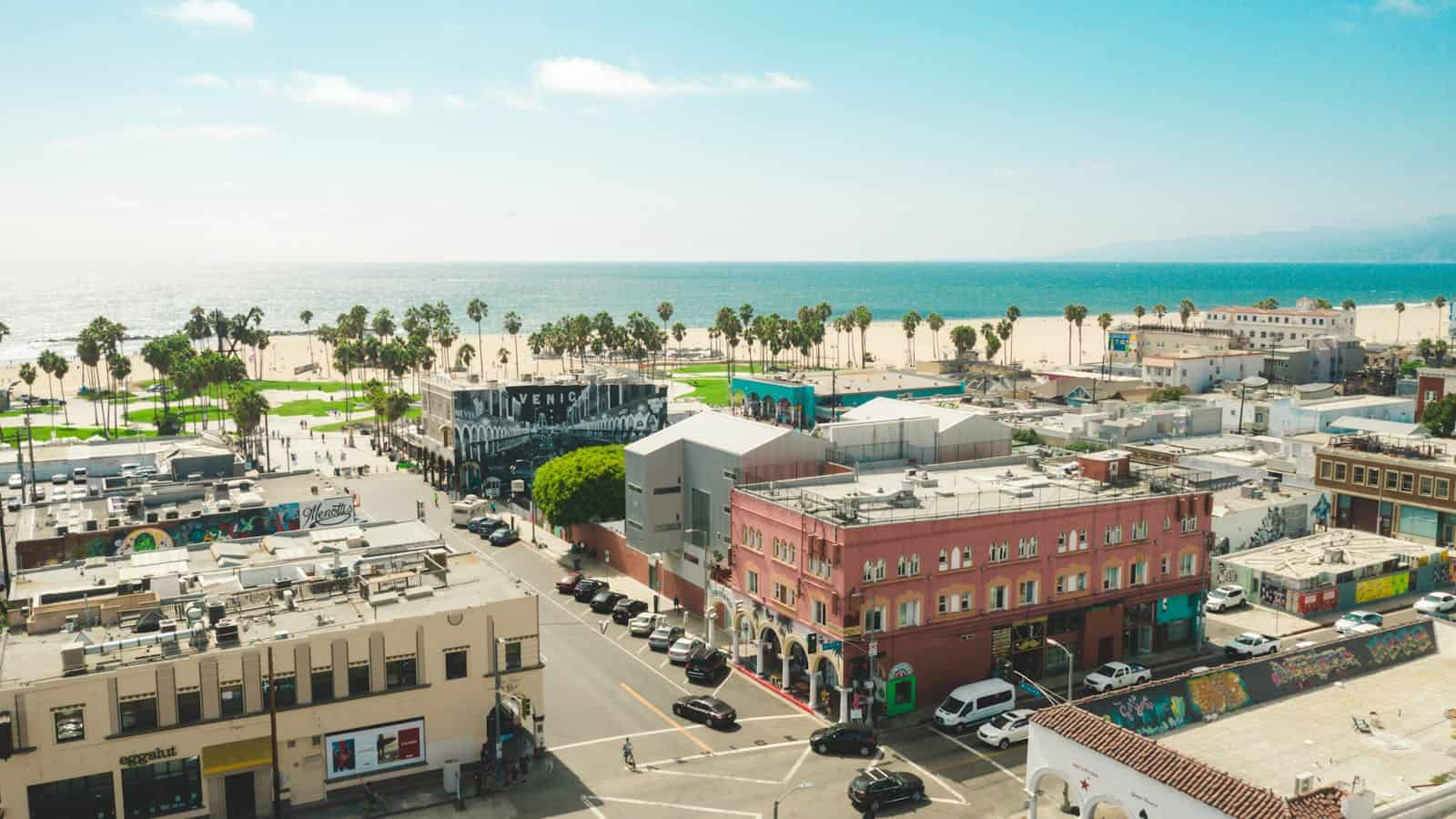
The dream of stardom often hits a wall of traffic that stretches for miles in every direction, leaving many residents feeling trapped in their cars. People are tired of juggling long commutes, high rent, and a social scene that sometimes feels more scripted than sincere.
Still, there is no denying that Los Angeles offers a unique mix of beaches, mountains, and creative opportunities that is hard to find anywhere else. For some, that payoff is worth the hassle of planning life around gridlock and parking fees.
For others, the constant motion and noise eventually outweigh the glamour, sending them in search of quieter streets and a lifestyle that is a little easier on their nerves and their budget.
New Orleans, Louisiana
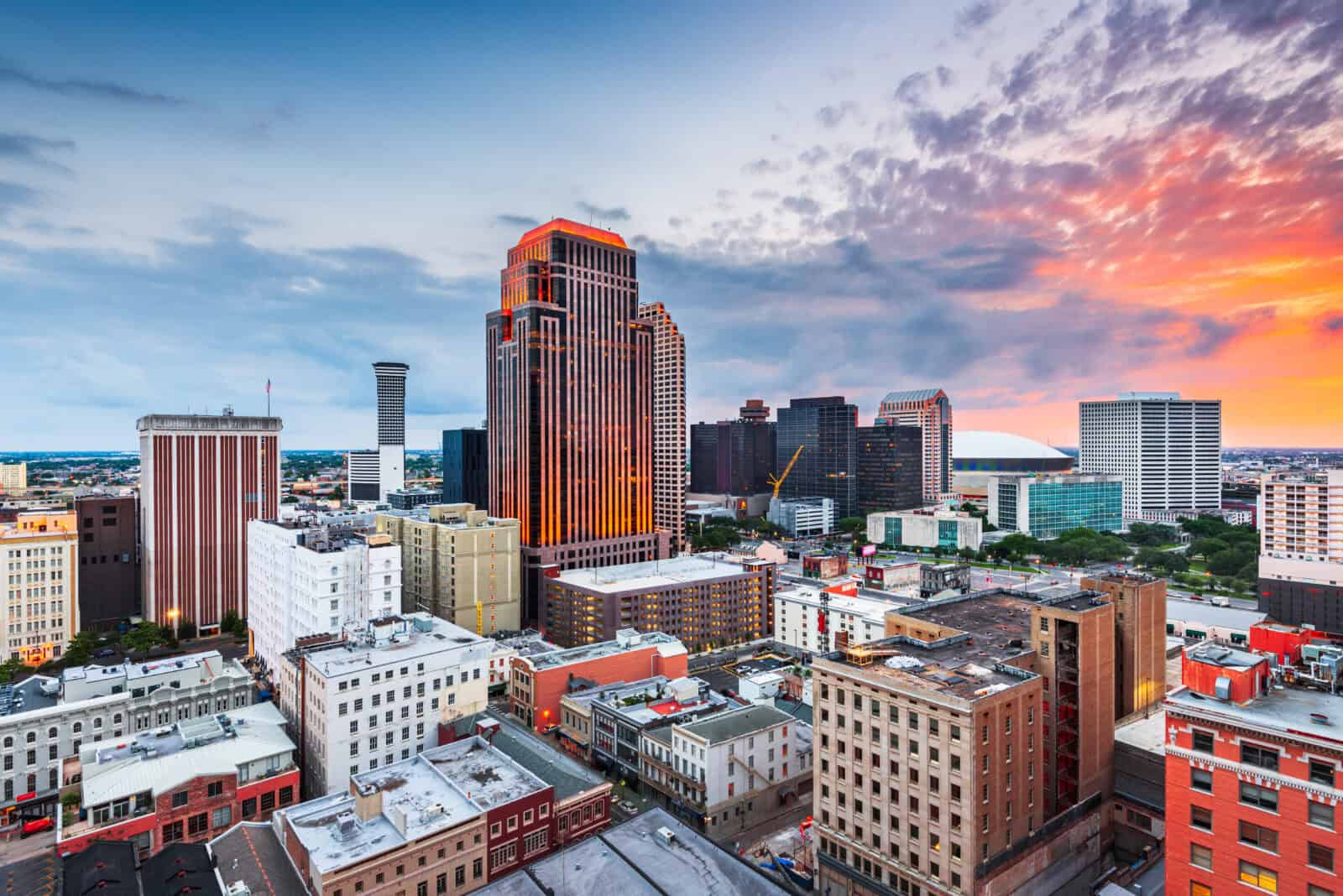
The Big Easy is world-famous for its music, food, and festivals, but living there means dealing with realities that tourists rarely see. Residents navigate aging infrastructure, frequent boil-water alerts, and streets that flood even after modest storms.
Many locals feel that the city’s charm is used to paper over serious issues that never seem to get enough long-term attention.
Despite these challenges, New Orleans has a spirit that is almost impossible to replicate anywhere else. Neighbors look out for one another, and traditions are treated like precious heirlooms that must be protected. The tension comes from trying to balance that rich culture with the daily grind of potholes, bureaucracy, and financial strain.
Key Takeaway

Public perception of a city is often a mix of real data and the general mood of the people who call it home. It is important to remember that these rankings are snapshots in time, and many of these locations are actively working to change their narrative. Ultimately, every city on this list has a group of fiercely loyal defenders who wouldn’t want to live anywhere else in the world.
Disclaimer – This list is solely the author’s opinion based on research and publicly available information. It is not intended to be professional advice.
Like our content? Be sure to follow us