12 behaviors Boomers consider disrespectful that younger people barely notice
Generational differences in etiquette are fueling growing misunderstandings in workplaces, restaurants, and everyday social interactions.
The definition of polite behavior is currently shifting as different age groups interact in shared spaces. Baby Boomers often rely on a set of formal rules established in an era where face-to-face interaction was the only option. In contrast, younger generations have developed a more fluid and tech-centered approach to social engagement.
These differing standards frequently lead to friction in both professional and personal settings. What one group considers a standard practice, another may interpret as a deliberate sign of disrespect. YouGov reports that younger adults are less likely than older ones to say they usually follow several traditional table manners, which helps explain why these misunderstandings keep surfacing.
The Presence Of Phones At The Table

For many older adults, a meal is a dedicated time for uninterrupted conversation and social bonding, free from outside distractions. They view placing a smartphone on the table as a signal that the person is not fully present. To a Boomer, the device represents a barrier to genuine human connection during a shared experience.
Younger people often view their devices as a natural extension of their social lives rather than a separate distraction. They might use the phone to look up a fact or share a photo of the food with friends. This constant connectivity is not meant to be offensive; it is just the baseline for how they interact.
Answering Texts During Active Conversation

Pausing a real-time discussion to reply to a digital message is a major point of contention for the older generation. They often feel they have been deprioritized in favor of someone not physically in the room. This behavior is frequently cited as a frustrating aspect of modern social etiquette for those born before 1965.
Research from the Pew Research Center found that 82% of adults say phone use during social gatherings frequently or occasionally hurts the conversation. Younger individuals often perceive a quick text reply as a harmless bit of multitasking that allows them to remain efficient. They do not realize that the brief pause can feel like a significant social snub.
The Shift Away From Handwritten Notes
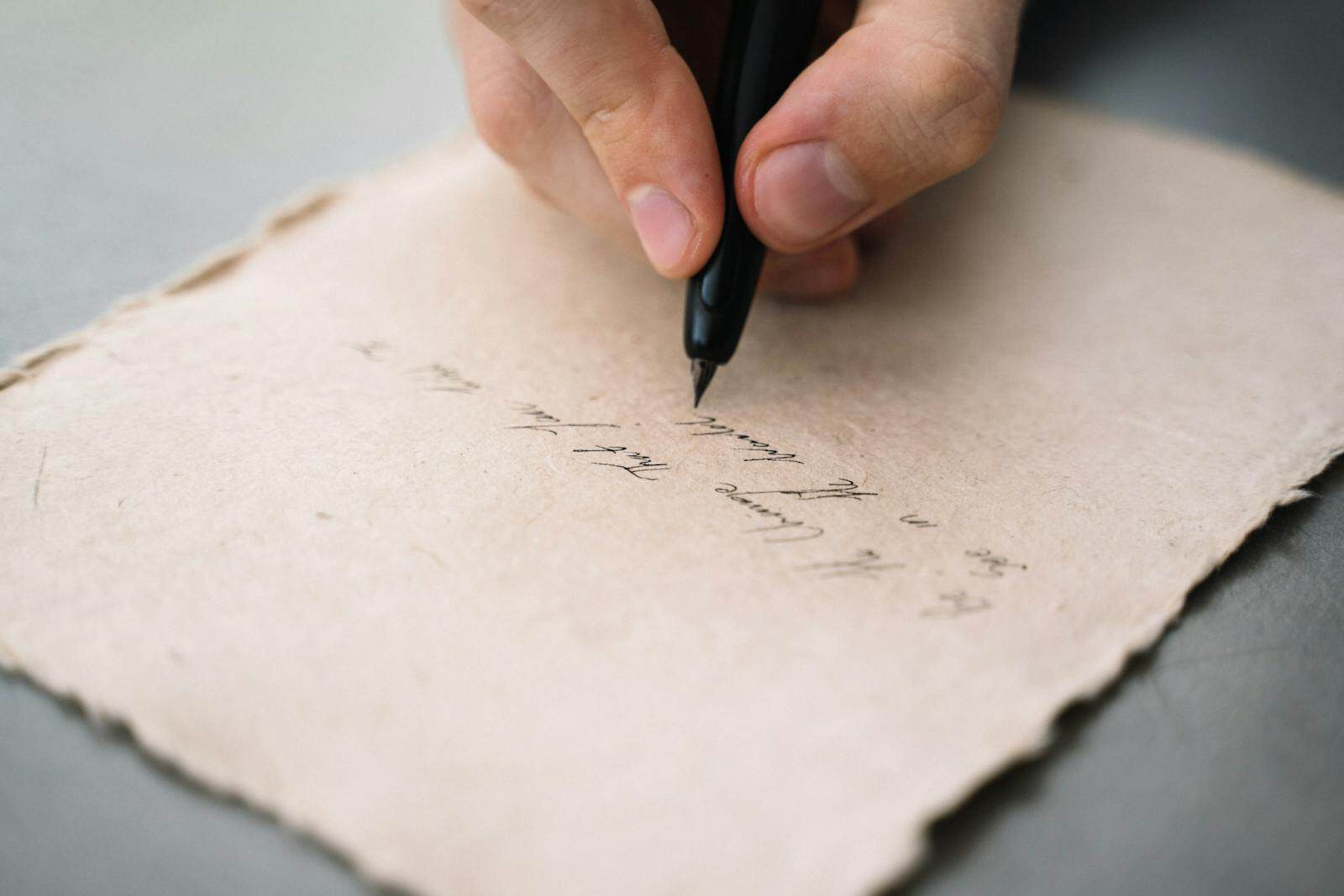
For decades, a handwritten note sent by mail was the gold standard for expressing gratitude after receiving a gift. Boomers often feel that a digital message lacks the effort and sincerity required for a proper thank you. They view the time spent buying a stamp as a direct measure of how much the recipient cares.
A Shutterfly poll cited by Two Sides North America found that 54% of Americans still mail greeting cards, and two-thirds prefer receiving physical cards over digital ones. Younger generations often prefer the speed and environmental sustainability of a text for follow-up communication. They prioritize the message’s immediacy over the medium’s tradition and physical weight.
The Frequency Of Unannounced Arrivals

In previous generations, social events were strictly managed through formal invitations and clear deadlines for confirming attendance. Boomers find it disrespectful when younger guests show up without a formal reply about their plans. This lack of structure makes it difficult for a host to manage a guest list for a dinner.
Modern etiquette writers often warn that ignoring an invitation or failing to RSVP creates real stress for hosts who are trying to plan. Younger people often prefer a more flexible social style that allows them to make plans at the last minute. This clash between planners and spontaneous participants is a constant source of tension.
Maintaining Headwear In Indoor Settings

The rule about removing hats when entering a building was a cornerstone of etiquette for men in the mid-twentieth century. Many Boomers still view a baseball cap worn at a dining table as a sign of rudeness. For them, it is a basic mark of respect for the home that should never be ignored.
Younger generations generally view hats as a standard part of their personal style or a functional accessory. They do not associate the presence of a hat with a lack of reverence for the person they are visiting. This old school social requirement has largely faded from the consciousness of those who grew up recently.
Continuous Use Of Personal Audio Devices

Walking through public spaces while wearing earbuds is often interpreted by older generations as a way of shutting out the world. They find it difficult to engage in casual neighborly chat when everyone is seemingly locked in a private sound bubble. To them, it feels like a deliberate wall built to prevent any spontaneous human interaction.
A 2023 Mimi headphone user survey found that about 60% of respondents use headphones for several hours each day, especially wireless earbuds. For the wearer, these devices are often tools for managing focus or for listening to a podcast. They are not intentionally ignoring their surroundings; they are simply curating their own personal audio experience.
Digital Ghosting Over Direct Refusal

When a younger person decides not to participate in an activity, they may simply stop responding to avoid an awkward conversation. Boomers view this silence as a cowardly way to handle a situation that calls for a simple, direct no. They would much rather deal with a flat rejection than be left in a state of uncertainty.
Etiquette expert Diane Gottsman has said that once a needed reply goes unanswered for too long, it starts to come across as rude or inconsiderate. Younger people often feel that silence is a less aggressive way to decline an invitation without causing a fuss. This disconnect highlights a difference in how each group views the responsibility of communication.
Adopting Casual Dress For Formal Events

Showing up to a significant life event in jeans or sneakers can be seen as a direct insult by the older generation. Boomers often believe that the effort put into one’s appearance reflects the respect they have for the event. To them, dressing down for a wedding suggests that the attendee does not value the occasion.
A Randstad survey reported by FashionUnited found that 79% of respondents said their employers had a business-casual, casual, or no dress code at all. Younger people tend to prioritize comfort and individual expression over adherence to a rigid, often uncomfortable dress code. They believe their presence is what truly matters, rather than the formality of their clothing choices.
The Preference For Texting Over Calling

For many Boomers, a phone call is the most respectful and intimate way to communicate important news or check in. They often feel slighted when they receive a text message for something that they believe warrants a real-time conversation. The lack of a voice can make a message feel cold or even dismissive.
A 2024 communication survey found that about 73% of Americans in younger Millennial and Gen Z groups prefer text messages as their main digital communication tool. Younger people value the ability to read and respond at their own convenience without being forced into a dialogue. This preference for digital text over verbal speech remains one of the largest communication gaps.
Using First Names Without Permission

Addressing someone who is significantly older by their first name can feel like a personal affront to many Baby Boomers. They were raised with the expectation that titles are a necessary sign of respect for life experience. Jumping to a first name can feel like an unearned and overly familiar move to those who value hierarchy.
Recent commentary on civility has noted that many Americans see public behavior becoming more casual and less formal over time. Younger people often use first names to create a friendly environment where everyone feels equal. They intend to be inclusive, but they frequently offend the older generation’s sense of social order.
Lack Of Punctuality For Appointments

Arriving even a few minutes late to a scheduled meeting is a major breach of etiquette for the older generation. Boomers generally view punctuality as a core indicator of a person’s reliability and respect for time. For them, being late is a sign that you do not value the commitment you made.
Research summarized by ScienceAlert notes that people often underestimate how long tasks will take by about 40%, which helps explain why lateness becomes a repeated habit. Younger people often rely on their smartphones to send updates if they are running behind, assuming this makes the delay acceptable. To an older person, the update is merely an excuse for a lack of discipline.
Public Airing Of Private Grievances

Taking a personal argument or a family complaint to a social media platform is viewed as extremely inappropriate by Boomers. They prefer to handle disagreements privately and maintain a unified front to the rest of the world. Seeing personal drama shared with hundreds of followers feels like a violation of the private family boundary.
A Pew Research survey on teens and social media found that about two-thirds of teens say social media makes them feel like they have people who will support them through tough times. Younger people use social media as a space for seeking emotional support from their broader network of friends. They see it as a way to find validation, while their elders see it as a lack of discretion.
Key Takeaway

Generational differences in etiquette are often the result of changing social technologies rather than a decline in overall respect or the quality of relationships. While Boomers value the formal structures and traditions of their youth, younger generations are adapting to a world that moves faster and values efficiency.
By recognizing these friction points and discussing them openly, both groups can foster better understanding. It is possible to respect the traditions of the past while also embracing the practicalities of the modern digital age. Ultimately, the goal of etiquette is to make the other person feel valued, a principle that spans every generation.
Disclaimer – This list is solely the author’s opinion based on research and publicly available information. It is not intended to be professional advice.
Like our content? Be sure to follow us