12 environmental blind spots that deserve more attention
Ever thought the environment was just about melting ice caps and climate disasters? Think again. Some of the most pressing environmental issues don’t make headlines; they quietly shape your daily life, from the food on your plate to the air you breathe. The United Nations Food and Agriculture Organization (FAO) reports that over one-third of the world’s soils are already degraded, causing major impacts on food security.
Yet these unseen shifts affect everything from your shopping habits to the streets you walk. In this article, we’re uncovering 12 overlooked environmental fault lines that need our attention, now more than ever.
Soil needs a spotlight

Soil looks boring until the grocery bill jumps. It feeds crops, stores carbon, filters water, and gives gardens their quiet power. Yet many fields now lose texture, nutrients, and moisture after years of hard use.
Better soil care can start with cover crops, compost, crop rotation, and less bare ground. That sounds humble, but it protects dinner plates, farm jobs, and family budgets. Treat soil like a pantry, and the whole table starts to look safer.
City lights steal the night

Bright streets can feel safe, but too much glare turns night into another workday. It creeps through curtains, strains sleep, and confuses birds, insects, and sea turtles. A 2026 Nature study found that brightening added radiance equivalent to 34% of the 2014 global baseline.
Cities can fix a lot without making blocks feel unsafe. Shielded fixtures, warmer bulbs, timers, and dimming rules cut waste fast. The night does not need darkness everywhere; it needs smarter light. A better bulb can help a bedroom, a park, and a migrating bird at once.
Plastic dust rides the air
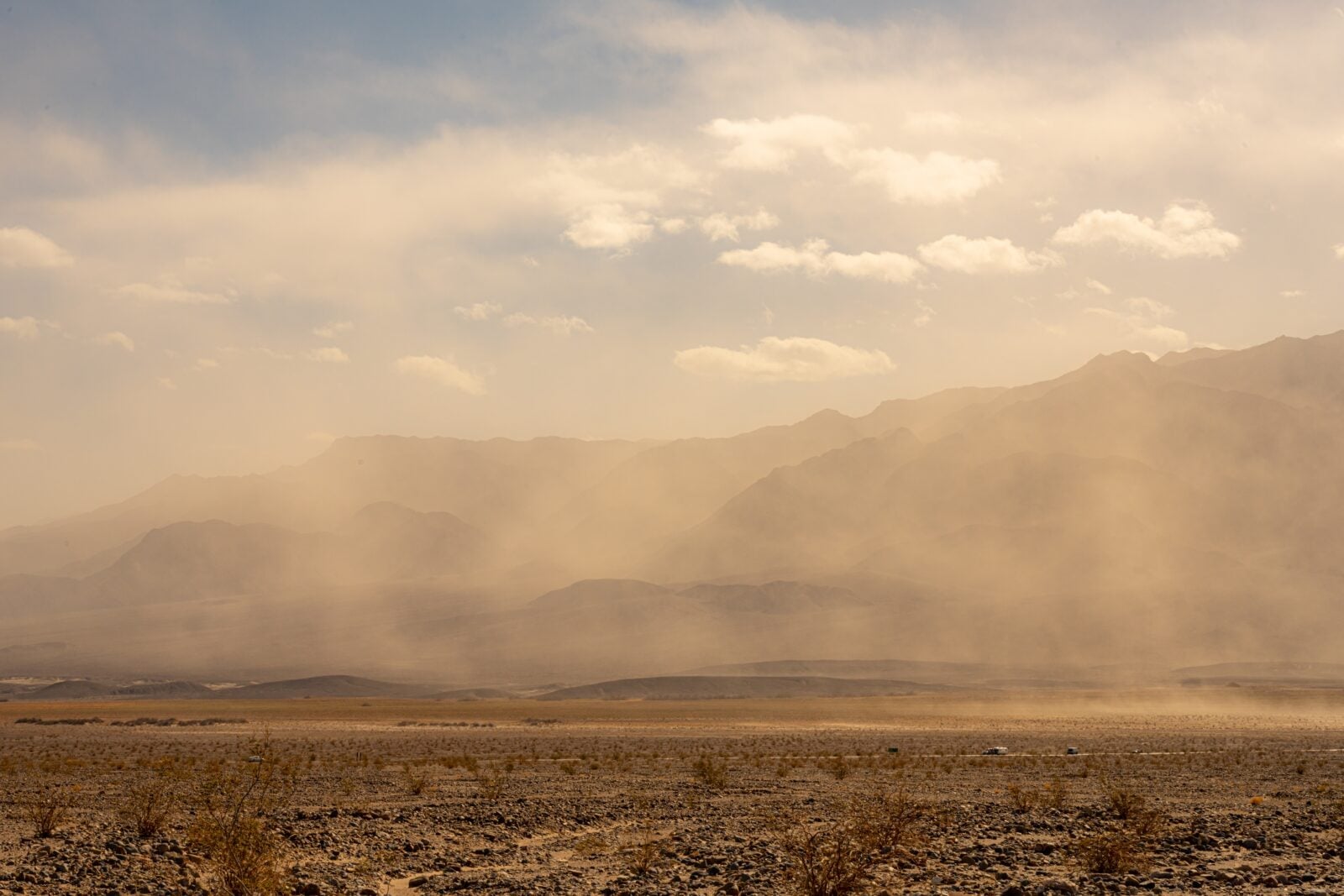
Microplastics do not stay in bottles, bags, or ocean waves. They flake from tires, clothing, packaging, paint, and road dust, then float into homes and lungs. PlasticDustCloud researchers found deposition rates reaching up to 1,300 microplastic particles per square meter per day in some urban areas.
That number makes the problem feel less distant. Filters, better fabrics, tire rules, and less throwaway plastic can lower the load. Clean air now includes the tiny stuff we cannot see. The next big air conversation should include closets, cars, and packaging.
Aquifers are running low

Groundwater works like a hidden savings account under farms and towns. Pumps draw from it for crops, factories, showers, and lawns, often faster than rain can refill it. The United Nations University reported in 2024 that 21 of the world’s 37 largest aquifers are being depleted faster than they are recharged.
That can dry wells, raise water bills, and sink land. Efficient irrigation, leak repairs, drought-ready crops, and wetland protection help stretch the reserve. The invisible water under us needs visible planning. No one in the family wants to learn about aquifers after the tap coughs.
Noise quietly hurts bodies

Noise pollution sneaks into daily life as traffic, sirens, construction, and leaf blowers. People may say they have gotten used to it, but the body keeps reacting. The European Society of Cardiology reported a 25 percent higher risk of major cardiovascular events for every 10 decibel rise in nighttime noise among heart attack survivors in one study.
Quiet design can protect health without silencing city life. Trees, better windows, electric buses, and quieter streets give the nervous system a break. Peace should not feel like a luxury upgrade. It belongs in every neighborhood plan.
Seawater is changing chemistry

The ocean absorbs carbon dioxide like a giant sponge, but that service comes with a cost. As seawater takes in more carbon, shellfish, corals, and tiny plankton struggle to build strong shells and skeletons. NOAA explains that the ocean absorbs about 30 percent of the carbon dioxide released into the atmosphere.
That shift touches seafood jobs, coastal protection, and beach economies. Cutting emissions helps, and so does protecting seagrass, wetlands, and clean coastal water. The sea sends quiet warnings before dinner menus change. We should listen before oysters, reefs, and fisheries pay more.
Insects hold the food web
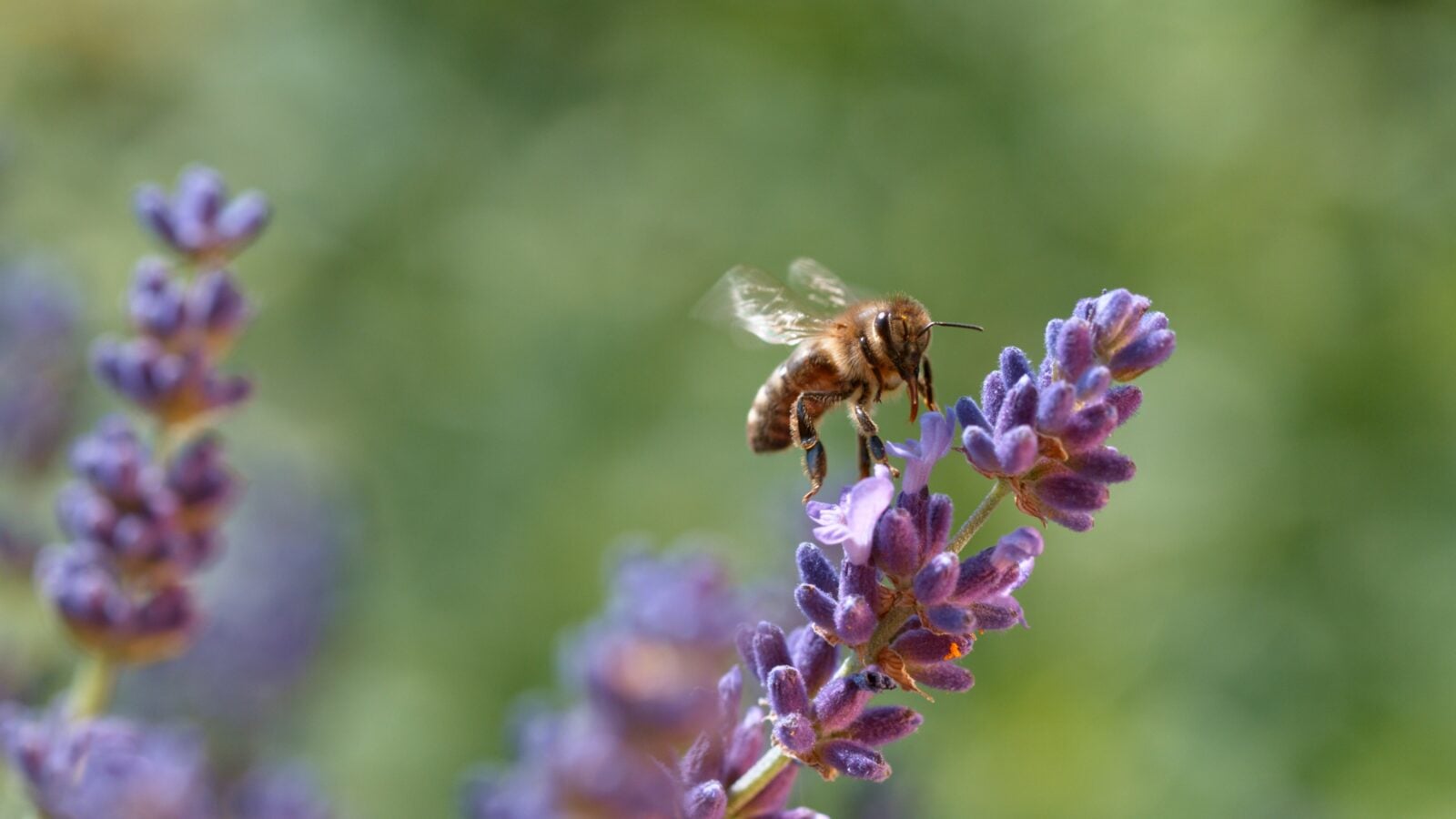
Insects may annoy people at picnics, but they run the backstage crew for nature. They pollinate crops, feed birds, break down waste, and keep gardens alive.
That single finding shows how bug loss can hit wallets, diets, and family grocery choices. Native flowers, fewer pesticides, messy garden corners, and habitat strips all help. A buzzing yard can be a tiny insurance policy. Bugs deserve better branding, because they help stock the fridge.
Old gadgets leave poison
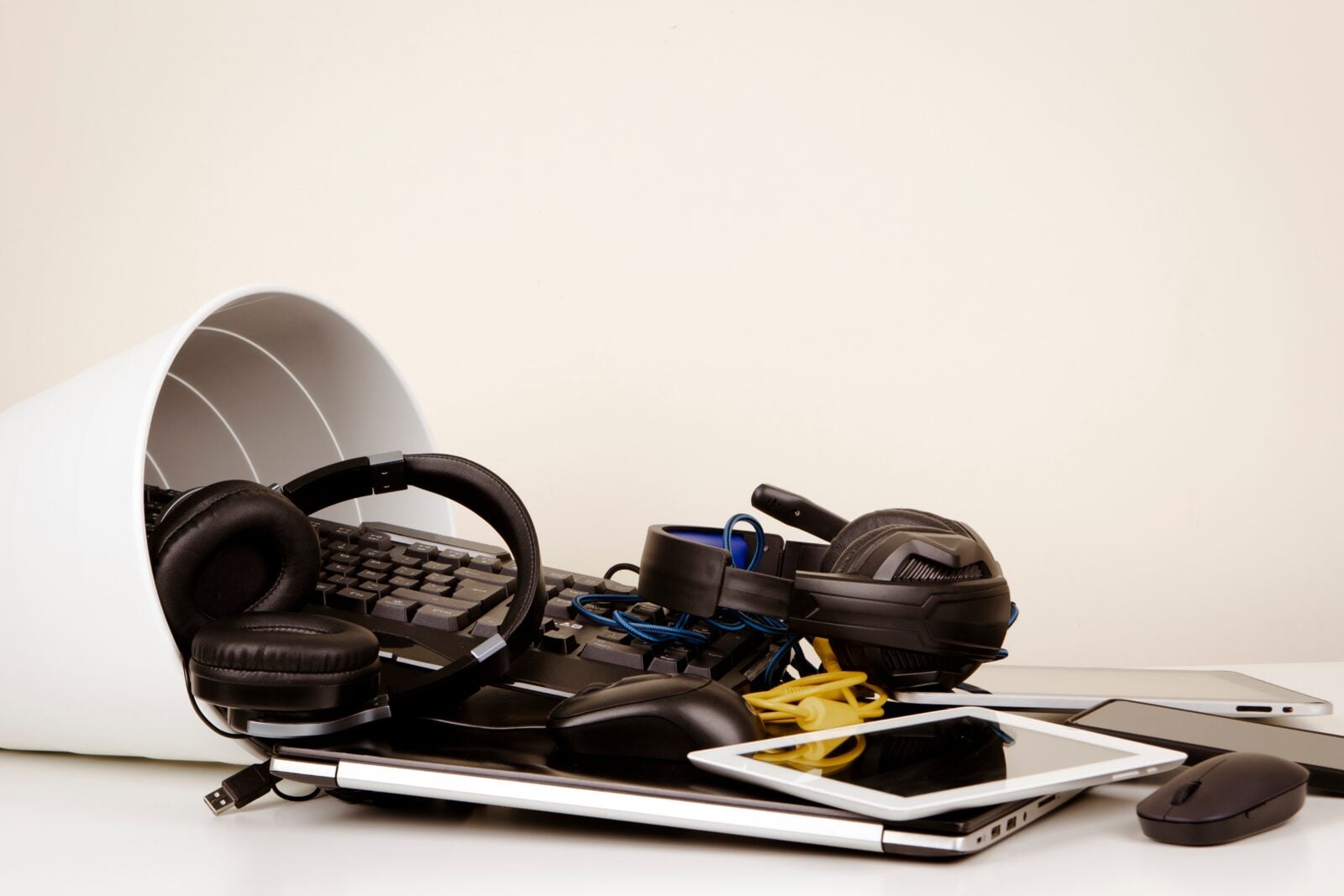
A dead phone does not stop mattering once it leaves a drawer. Electronics carry valuable metals, plastics, and toxic substances that can leak or burn in unsafe recycling sites. The Global E-waste Monitor 2024 from ITU and UNITAR says the world generated 62 billion kilograms of e-waste in 2022.
That mountain includes chargers, laptops, toys, screens, and small appliances. Repair, take-back programs, certified recycling, and longer-lasting design can change the story. Tech convenience should not dump its mess on someone else’s neighborhood. The cleanest upgrade may be keeping a device alive longer.
Cheap clothes carry costs
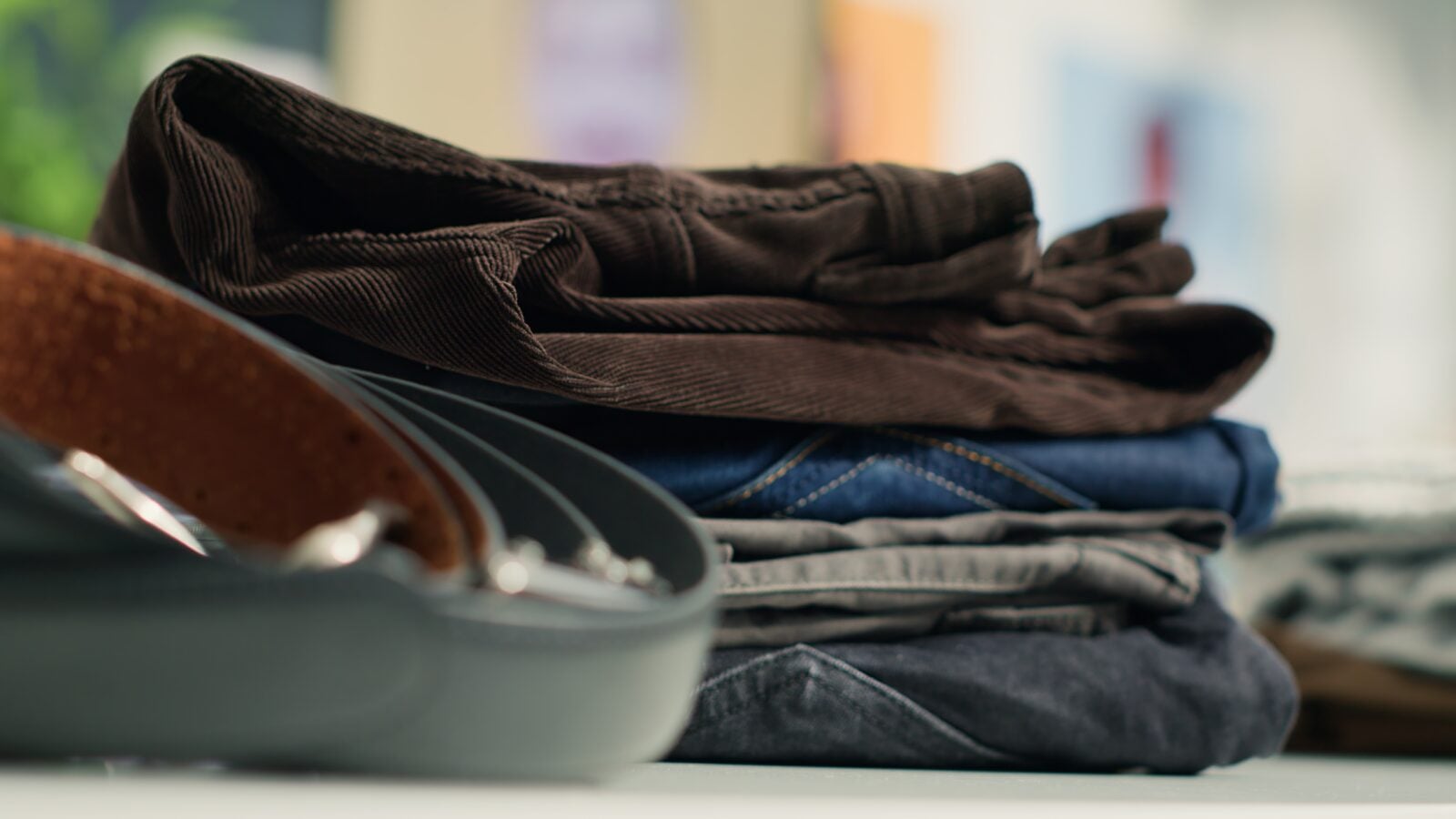
Fast fashion makes style feel fun, fresh, and easy to grab. The trouble starts when closets fill faster than people can wear what they buy. The U.S. Environmental Protection Agency estimates that Americans generated 17 million tons of textiles in municipal solid waste in 2018.
That means old jeans, sheets, shoes, and shirts compete for space in landfills. Resale, tailoring, swaps, and better fabrics keep outfits in use longer. A smaller closet can still deliver big personality without the guilt pile. Style should flatter the mirror and spare the trash bin, too.
Fertilizer runoff feeds dead zones
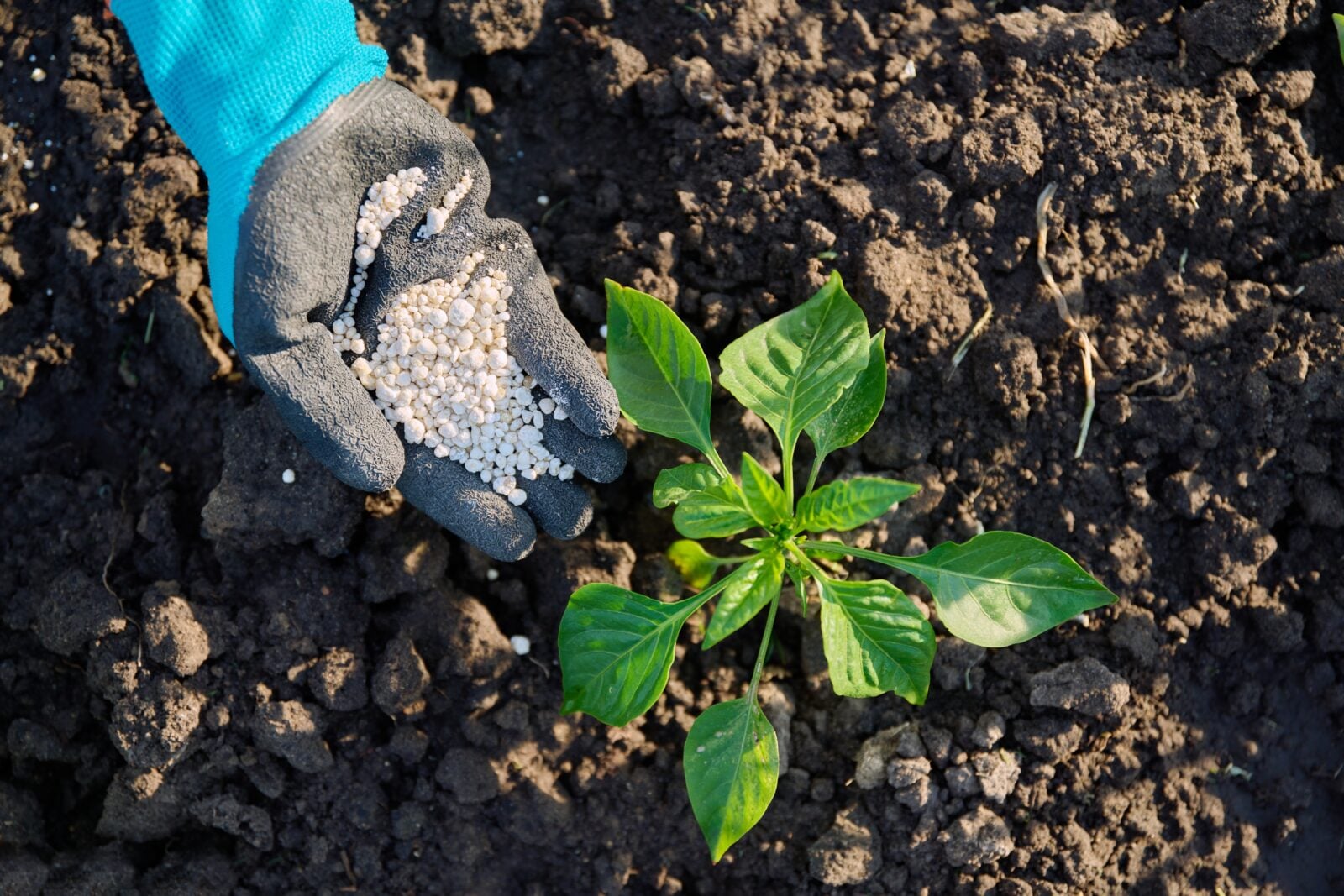
Fertilizer helps farms grow food, but excess nutrients often wash away with rainwater. Nitrogen and phosphorus wash into rivers, then feed algal blooms that deplete oxygen in coastal waters.
Buffer strips, smarter timing, soil testing, and restored wetlands reduce runoff. Healthy harvests should not choke downstream water. Farm choices and dinner prices connect more closely than many shoppers realize.
Sand is disappearing fast
Sand seems endless because beaches and deserts make it look abundant. Builders rely on it for concrete, asphalt, glass, and land reclamation, so demand keeps climbing. UNEP’s 2026 sand report notes that dredging inside Marine Protected Areas accounts for 15 percent of the volume tracked by its Marine Sand Watch data.
That extraction can harm fish nurseries, shorelines, and local livelihoods. Recycled construction materials, better permits, and smarter designs can reduce pressure. Even sand deserves a budget. The next house, road, or hotel should not quietly erase a coastline.
Climate pressure moves families
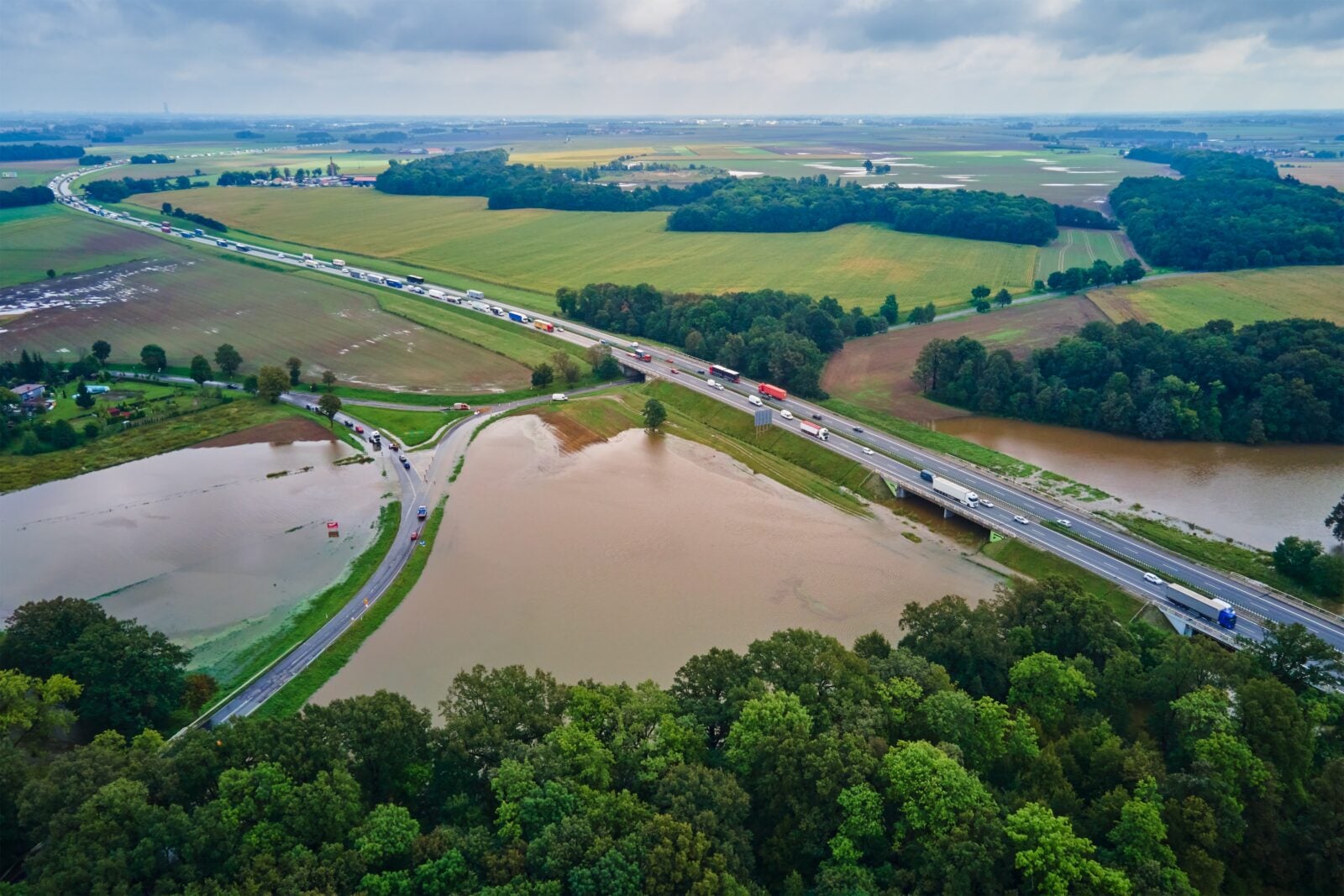
Climate stress rarely arrives alone. It combines with conflict, weak housing, poor harvests, and high food prices, pushing families toward hard choices.
Floods, droughts, and heat can add strain to places already facing danger. Planning for safe housing, school access, care work, and fair jobs gives displaced families more dignity. Migration deserves compassion before crisis headlines take over. A stable home starts with safer land, water, and weather planning.
Key takeaway
These environmental blind spots hide in plain sight. They sit under our shoes, above our rooftops, inside our closets, and behind the soft glow of city streets. They also remind us that environmental care does not belong only in faraway forests or polar ice. It belongs in shopping habits, street design, garden choices, food systems, and water planning.
For U.S. readers, especially women who often keep families, homes, work, and budgets moving, these overlooked issues offer real power. Small choices matter, but public pressure matters too. The more people notice these quiet problems, the harder they become for leaders and companies to ignore.
Disclaimer – This list is solely the author’s opinion based on research and publicly available information. It is not intended to be professional advice.
Like our content? Be sure to follow us.