12 common mistakes older adults should avoid when living alone
Safety experts say older adults living alone face increased risks from common household hazards and preventable accidents.
Living solo during the golden years can be a breath of fresh air and a chance to march to the beat of your own drum. You get the remote all to yourself, and nobody complains if you stay in your pajamas until noon. However, flying solo also means you are the captain, the crew, and the lookout for any icebergs ahead.
Small slip-ups at home can snowball into big headaches when there is nobody around to lend a helping hand. More than 14 million older adults in the United States report a fall each year, which works out to about one in four people aged 65 and older, making everyday hazards a serious concern for anyone living alone.
The risks are often hiding in plain sight. Keeping a sharp eye on your surroundings makes sure that your independent lifestyle remains a joy rather than a burden.
Allowing Outdoor Maintenance To Slide

A clogged gutter or an icy sidewalk can quickly turn into a dangerous situation for someone living on their own. It is tempting to try to climb a ladder yourself to save a few bucks, but that is a gamble not worth taking. Hiring a local teen or a pro to handle the heavy lifting protects your back and keeps you safe.
Outdoor falls are a major cause of hospital admissions among older adults. The National Safety Council points out that falls remain the leading cause of injury-related death among adults 65 and older. Keeping your walkways clear and your lighting bright ensures that you can come and go without unexpected tumbles, while also protecting your home’s value and retirement comfort.
Neglecting Social Connections

It is easy to become a bit of a hermit when you do not have to answer to anyone else under your roof. However, humans are social creatures by nature, and staying tucked away can lead to a heavy sense of isolation. Making an effort to grab a coffee with a friend or join a local club keeps your spirit bright.
Social isolation is more than just a bummer; it can affect your physical well-being and cognitive sharpness over time. Research from the National Institute on Aging suggests that socially isolated older adults have a higher risk of dementia and other serious health issues. Picking up the phone or visiting the park helps keep your mental health strong and your mind engaged.
Skimming Over Proper Nutrition

When you are cooking for one, it is tempting to just have tea and toast instead of a balanced meal. But your body needs high-quality fuel to keep your engine running smoothly and your energy levels high. Skipping out on greens or protein can leave you feeling sluggish and more susceptible to getting under the weather.
Experts emphasize that good nutrition is central to staying independent and resilient as you age. The World Health Organization notes that healthy diets rich in fruits, vegetables, and adequate protein support muscle strength and reduce illness in older adults.
Try to keep a favorite recipe or two handy that are easy to whip up with minimal fuss or cleanup, and think of each meal as part of your long-term well-being plan.
Forgetting to Secure the Perimeter
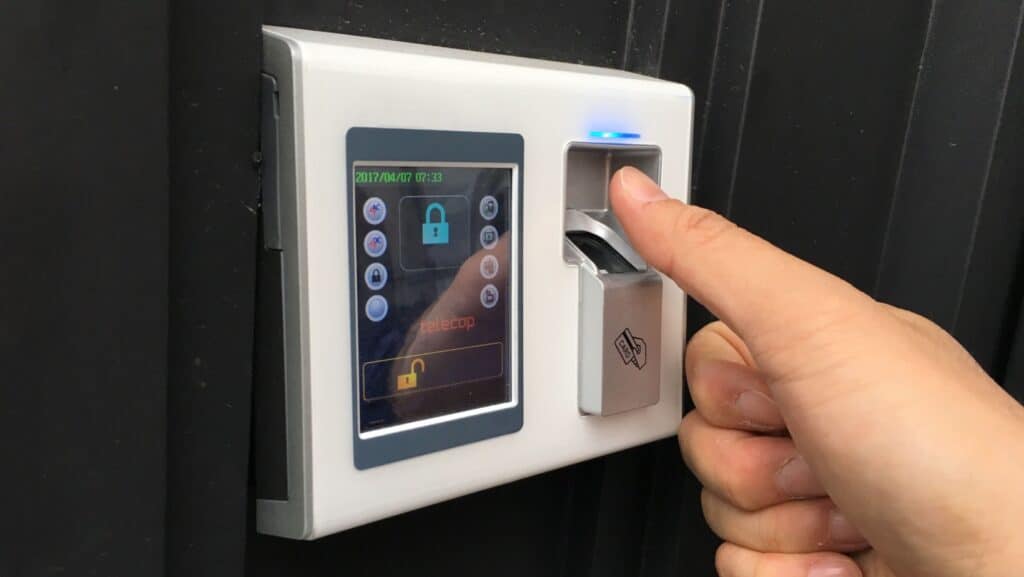
Security is not just for banks; your home needs a solid defense to keep unwanted visitors and worries at bay. It is surprisingly easy to leave a window cracked for a breeze and forget about it when you head off to sleep. Double-checking the locks and installing a simple motion light can provide a huge boost to your peace of mind.
Data show that older adults can be targets for burglary and property crime when their homes appear easy to access. The risk of household burglary is higher in homes without basic security features such as good locks and exterior lighting. Simple upgrades like a peephole or a smart doorbell let you see who is knocking before you open the door and help keep your nest feeling truly safe.
Skipping Routine Health Checks

When nobody is there to nag you about that cough or the weird bump on your arm, it is easy to procrastinate. Putting off the doctor might seem like a way to avoid bad news, but early detection is always the name of the game. Staying on top of your screenings and physicals keeps you in the driver’s seat of your own life.
Regular checkups are vital because many health issues creep up gradually and are easier to manage when caught early. The Centers for Disease Control and Prevention notes that about 80 percent of older adults have at least one chronic condition that benefits from ongoing care and monitoring. Catching a small issue before it turns into a mountain means you can stay independent and mobile much longer.
Mismanaging Daily Medications

Keeping track of various pills and doses can feel like a full-time job without a helpful assistant to double-check. Taking the wrong pill at the wrong time is a common error that can lead to dizziness or a trip to the hospital. Using a simple pill organizer or a phone alarm can turn a confusing task into a breeze.
Medication mix-ups are a serious concern for solo agers. The Agency for Healthcare Research and Quality reports that adverse drug events account for hundreds of thousands of emergency visits among older adults each year. Setting up a clear system at the start of each week removes the guesswork and helps you stay safely on track with your prescriptions.
Ignoring Home Safety Hazards

Many people think their homes are as safe as houses, but loose rugs and dim hallways are often accidents waiting to happen. A quick scan of your living space can reveal tiny traps that might cause a nasty spill or a bruised knee. It is better to be safe than sorry, so clear out the clutter that blocks your natural walking paths.
Statistics show that one in four older adults falls each year, making home safety a top priority for those living alone. Fixing a wobbly banister or adding a non-slip mat in the shower can keep you upright and active for years. Taking these small steps now prevents a major interruption to your daily routine later on.
Dismissing The Need For Technology

Some folks shy away from gadgets, but modern tech can be a literal lifesaver for those who live solo. A wearable alert button or a voice-activated speaker allows you to call for help even if you cannot reach a phone. Embracing these tools provides a safety net that lets you live with much more confidence.
Technology use among older adults has grown quickly in recent years. About 61% of Americans aged 65 and older now own a smartphone, opening the door to health apps, fall detection devices, and easy video calls. These tools can help you manage your budget, stay on top of your financial goals, and stay connected with loved ones in just a few taps.
Leaving The Kitchen Unattended

A pot left on the stove for just a minute too long is a leading cause of residential fires for older adults. It is easy to get distracted by a phone call or a favorite show and forget that you were boiling water. Using a loud timer or staying in the kitchen while cooking helps keep your home and belongings safe.
Fire safety data highlight that the biggest household risks often start in the kitchen. The National Fire Protection Association reports that cooking is the leading cause of home fires and fire-related injuries. Simple habits like keeping a lid nearby or clearing away flammable towels make a huge difference in an emergency and keep your cozy space from turning into a hazard.
Falling For Phone And Email Scams

Scammers often target people who might be lonely or less tech-savvy to try to pull a fast one. They might pretend to be a grandchild in trouble or a government official demanding a quick payment. Learning to spot these red flags keeps your money in your pocket where it belongs and away from crooks.
The financial stakes are high for older adults who are targeted. The FBI’s Internet Crime Complaint Center reported that victims over 60 lost more than 3.4 billion dollars to online scams in 2023, with investment and tech support scams among the top schemes. If an offer sounds too good to be true, it almost certainly is, so do not hesitate to hang up or delete that email.
Overlooking Financial Planning

Living alone means you are solely responsible for keeping your lights on and your pantry full through the month. Without a clear budget plan, small expenses can add up and cause a bit of a squeeze. Checking your accounts regularly helps you catch any errors or unwanted charges before they become a problem.
Financial planners suggest building a cushion before a crisis hits. Even a modest emergency fund can significantly reduce financial stress and reliance on high-cost credit when unexpected expenses arise. Staying organized with your bills and saving money consistently helps protect your independence and keeps your future options wide open.
Rushing Through The Day

In a world that is always in a hurry, moving too fast is a recipe for a slip or a missed step. Taking an extra second to find your balance before standing up or walking down the stairs can prevent a world of hurt. Slow and steady wins the race when it comes to maintaining your independence and your physical health.
Taking your time allows you to be fully aware of your surroundings and avoid any hidden obstacles in your path. It is better to arrive a minute late than to end up needing help because you were trying to beat the clock. Moving with intention keeps you centered, focused, and ready for whatever the day brings.
Key Takeaway

Living alone as an older adult is a wonderful opportunity to enjoy your independence, provided you stay aware of the potential pitfalls. By checking your home for hazards, staying connected with friends, and managing your health with care, you can thrive in your solo nest.
Simple changes like using a pill organizer or installing a smart doorbell provide a layer of security that makes a big difference. Remember that asking for help with heavy chores or tech issues is not a sign of weakness, but a smart way to protect your lifestyle and overall wellness.
Like our content? Be sure to follow us