13 private battles that many Boomers are fighting in silence
Data from therapist.com shows that many Boomers grew up when mental health struggles were stigmatized, so they still tend to hide anxiety, depression, and loneliness rather than seek help or talk openly.
Life after 60 looks different for everyone, but for many members of the Boomer generation, the chapter beyond work is not just about freedom and family. While friends and children might see birthdays and vacations, many older adults are quietly managing health challenges, emotional stress, financial uncertainty, and social struggles. These hidden battles shape daily life in ways that rarely make conversation but deeply influence well‑being.
Talking honestly about aging does not mean dwelling on hardship; it means acknowledging what many experience, so that support, understanding, and solutions can follow. From loneliness to caregiving obligations and retirement stress, the challenges explored here are real, widespread, and largely unspoken. The following sections shed light on these struggles with concrete context and data that reveal what is often left out of the public narrative.
Loneliness Despite Social Connection

Even in the presence of family or community, many older adults report feelings of isolation that go beyond occasional solitude. Data from the National Poll on Healthy Aging shows that about 34–35% of adults over 50 report feeling isolated at least sometimes, highlighting emotional disconnection even when they are not physically alone. These feelings often intensify for individuals managing health or mobility limitations, even when surrounded by loved ones.
Loneliness is not just an emotional burden; public health research highlights that roughly one quarter of older adults worry deeply about their future financial security, declining health, or losing independence, and this concern is heightened among those who already feel lonely. These combined emotional strains can erode enthusiasm for social activities, especially when everyday interactions no longer feel fulfilling.
Chronic Health Issues That Persist Quietly

Chronic health conditions are common with advancing age and can affect mobility, energy, and quality of life. Nearly one in four adults 65 and older classify their health as fair or poor, and almost one in two has been diagnosed with arthritis, a chronic condition that often limits daily activity. These conditions can require complicated medication routines, frequent medical visits, and lifestyle restrictions that are often unseen in casual conversation.
Chronic conditions also carry unseen emotional weight. The ongoing management of pain, dietary restrictions, or mobility limitations can lead individuals to feel frustrated or overwhelmed, yet many avoid discussing these struggles to prevent burdening their family. Recognizing the constant effort behind daily living is essential to understanding how aging affects physical and emotional resilience.
Financial Stress Hidden Behind Circumstances

Financial stability in retirement varies widely among boomers, and a significant number are concerned about outliving their savings or covering basic expenses. Confidence in having enough retirement funds is uneven, with many older adults expressing worry about financial security. Such financial anxiety can influence decisions about healthcare, housing, and social engagement.
For those without robust savings or investments, daily budgeting becomes a silent negotiation between needs and resources. This quiet strain often goes unspoken, as many prefer to maintain an appearance of stability rather than confront uncomfortable realities with friends or family.
Mental Health Struggles Behind Closed Doors
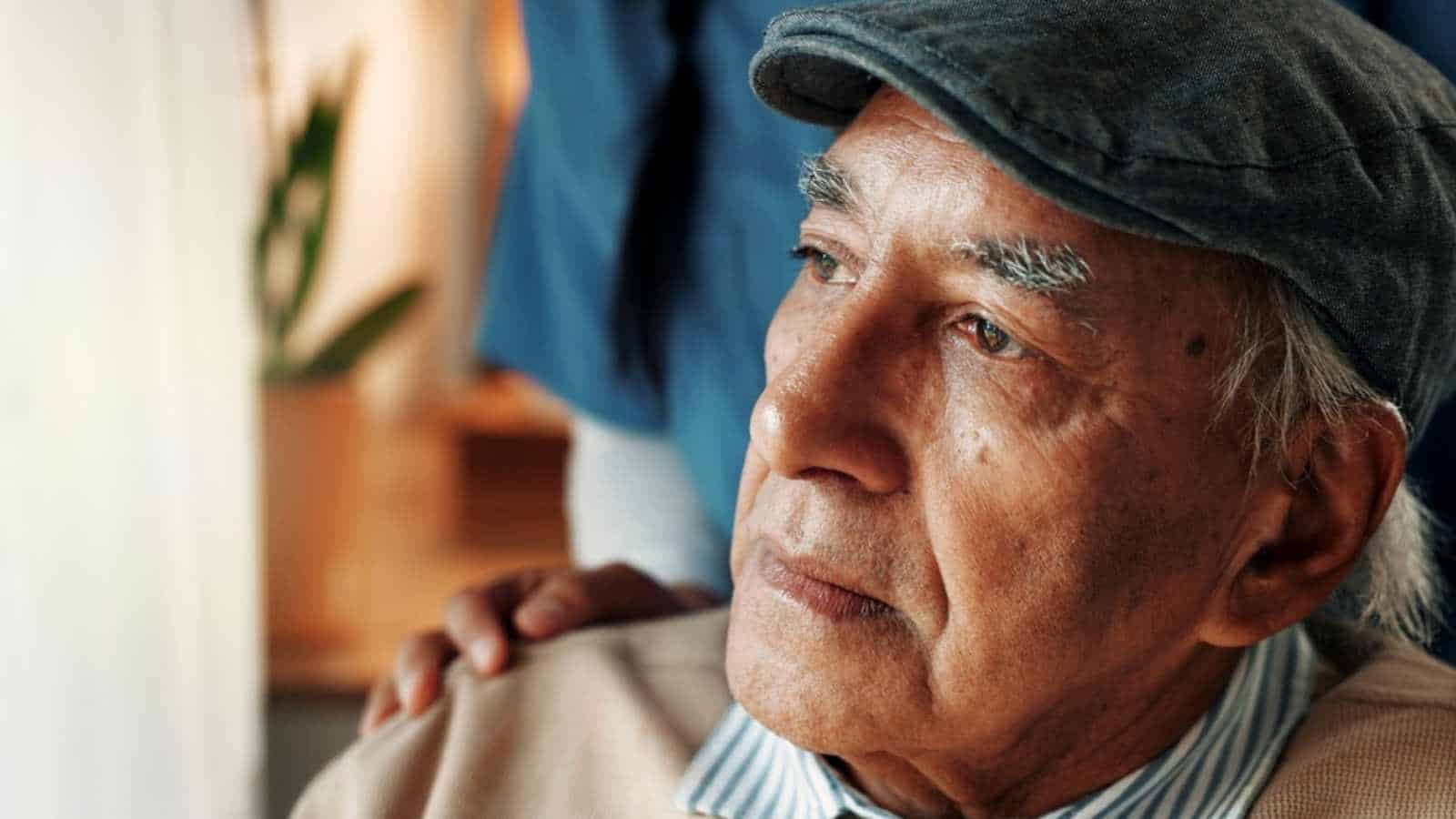
Emotional health challenges are often underreported among older adults, partly because stigma still surrounds mental health at later life stages. Yet research shows that concerns about declining memory, mental abilities, and emotional well‑being rank among the top worries for many older adults. These concerns can be subtle, appearing as irritability, withdrawal, or reduced interest in activities once enjoyed.
Because many Boomers were socialized to prioritize self‑reliance, acknowledging emotional struggles may feel unfamiliar or uncomfortable. Encouraging open conversations about mental well‑being and seeking support without judgment can reduce isolation and improve quality of life.
Caregiving Without Recognition

Many Boomers find themselves juggling their own health needs while caring for aging partners, relatives, or even grandchildren. Caregiving can be physically exhausting and emotionally demanding, but it rarely makes headlines unless it reaches crisis levels. These responsibilities can lead to burnout, resentment, or a sense of being trapped between obligations.
Caregiving also affects personal well‑being in ways that are not always visible, such as disrupted sleep, limited time for social activities, and postponed self‑care. Acknowledging these efforts can help families share responsibilities more equitably and support caregivers’ health.
Technology Barriers That Isolate

Adapting to rapidly changing technology remains a challenge for many older adults, especially when digital tools become necessary for healthcare, communication, or banking. Navigating apps, online portals, or security protocols can be confusing and frustrating, leading some to avoid important digital tasks altogether. This tech gap can create a hidden barrier to independence, even as services shift increasingly online.
Providing patient, accessible tech guidance, community workshops, or simple step‑by‑step support can diminish these frustrations and expand access to essential services. Addressing digital literacy is not just practical; it reinforces confidence and autonomy.
Grief and Loss That Never Fully Leave

Loss is a core experience of aging, whether it is the passing of friends, partners, or family. Grief often continues long after funerals and social support fade, and many Boomers carry these emotional scars quietly. Bereavement can heighten anxiety about one’s own future and influence how safe and supported a person feels.
Because loss is so widespread among older adults, there can be an unspoken assumption that everyone “understands,” which discourages deeper emotional sharing. Offering space and empathy for ongoing grief without pressure to move on quickly validates lived experience and fosters connection.
Identity Shift After Retirement

Stepping away from full‑time work can mean losing a familiar source of identity, routine, and purpose. Many Boomers derive a sense of value from their careers, and retirement disrupts this framework, leaving individuals to redefine what a fulfilling daily life looks like. Without structured days or external validation, some may struggle with a loss of meaning.
Finding new roles through volunteerism, creative pursuits, or mentorship can reinvigorate one’s sense of purpose, but initiating these transitions quietly without guidance can be difficult. Recognizing retirement as a period of reinvention rather than loss helps ease this internal shift.
Sleep Disruptions That Wear on Well‑Being

Sleep issues become more common with age, but many older adults accept disrupted sleep as normal rather than seek treatment. Frequent nighttime awakenings, sleep apnea, or discomfort from chronic conditions can reduce restorative sleep, contributing to daytime fatigue and mood changes. Poor sleep affects both cognitive clarity and emotional energy over time.
Because conversations about sleep are rarely prioritized in casual check‑ins, many suffer in silence. Discussing sleep quality with healthcare providers and exploring practical approaches to improving rest can have a meaningful impact on overall health.
Feeling Overlooked by Society
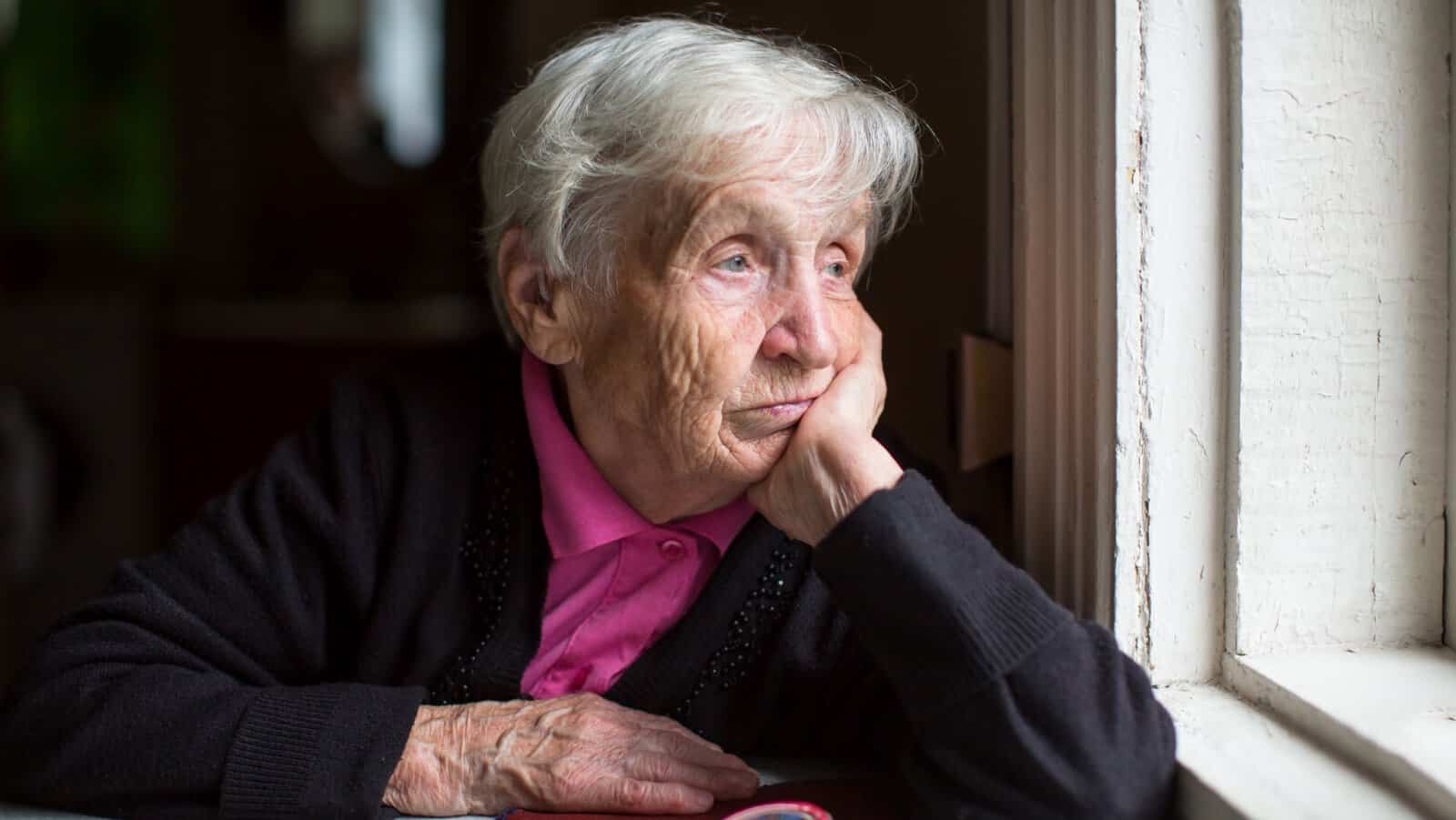
Ageism shapes how older adults experience everyday interactions, from media representation to workplace and social settings. Perceived marginalization can lead to feelings of invisibility, worthlessness, or disengagement from broader community life. When society focuses on youth or productivity, older voices can feel undervalued.
This subtle exclusion can erode confidence and reduce participation in social or civic activities. Creating more spaces where older adults are included, respected, and heard counters isolation and affirms their ongoing value.
Hidden Healthcare Expenses

Medical costs extend beyond what insurance covers, leaving many older adults to juggle prescription costs, specialist visits, and therapies. Prioritizing healthcare needs while managing limited budgets often leads to quiet compromises in care, diet, or preventive treatments. When money is tight, difficult decisions about treatment timing or medication adherence are common.
These trade‑offs often go unmentioned because of pride or fear of worrying loved ones. Highlighting affordable care options, insurance counseling, and assistance programs can ease this silent financial strain.
Family Tensions That Do Not Get Talked About

Family dynamics can be complex at any age, and disagreements over finances, living arrangements, or caregiving choices often simmer below the surface. Boomers may avoid raising these tensions to keep peace, but unexpressed feelings can erode emotional well‑being. Conflict avoidance can create distance rather than resolution.
Encouraging open, compassionate communication, ideally with neutral facilitation, can strengthen bonds and reduce emotional burdens. Acknowledging both family love and friction as natural parts of aging fosters healthier relationships.
Anxiety About What Lies Ahead

The future can feel unpredictable as health changes, policy shifts, and financial markets influence retirement security and lifestyle options. Uncertainty about long‑term care, inflation, and economic stability can fuel anxiety even among those who appear well‑prepared. Daily life becomes colored by “what if” scenarios that never get voiced at the dinner table.
Normalizing discussions about future concerns and exploring planning tools together can reduce isolation and fear. Support, both practical and emotional, helps convert anxiety into preparedness rather than silent worry.
Key Takeaway

The Boomer generation faces a range of challenges that often remain unspoken, from emotional isolation and chronic health burdens to financial stress and identity shifts after retirement. These struggles are grounded in real data showing that many older adults experience loneliness, health limitations, and persistent concerns about the future. Recognizing and talking openly about these issues opens pathways to support, shared understanding, and meaningful solutions, making aging with dignity a collective priority.
Disclaimer: This list is solely the author’s opinion based on research and publicly available information. It is not intended to be professional advice.
Like our content? Be sure to follow us