12 reasons marriage looks different for women today
Marriage has not disappeared, but the way women view it has changed dramatically over the last few decades.
According to data from the National Center for Family & Marriage Research, the U.S. marriage rate has steadily declined since the 1970s, with women marrying later than ever before. In 1969, the average American woman married at age 21. Today, that number is closer to 28.
At the same time, women are achieving higher levels of education, gaining greater financial independence, and rethinking traditional expectations around relationships, work, and family life. Research from Pew also shows that younger adults are increasingly delaying marriage due to financial concerns, changing priorities, and difficulty finding compatible partners.
For many women today, marriage is no longer viewed as a requirement for stability or adulthood. Instead, it has become one of many possible life choices.
Here are 12 reasons marriage looks very different for women today.
More women choose a solo life

A quiet revolution is unfolding as more women consciously choose the solo path. Far from a state of lonely isolation, this shift represents a deliberate embrace of calm, flexible, and self-directed living. Modern singlehood now directly competes with marriage by offering an emotionally cleaner, more stylish alternative.
Today’s woman dates with razor-sharp boundaries, quickly walking away the moment a relationship mirrors a second job rather than a true partnership. By prioritizing personal peace over societal expectations, they are redefining what a fulfilled life looks like. The traditional playbook is officially being rewritten, leaving one major question unanswered.
Fewer women marry
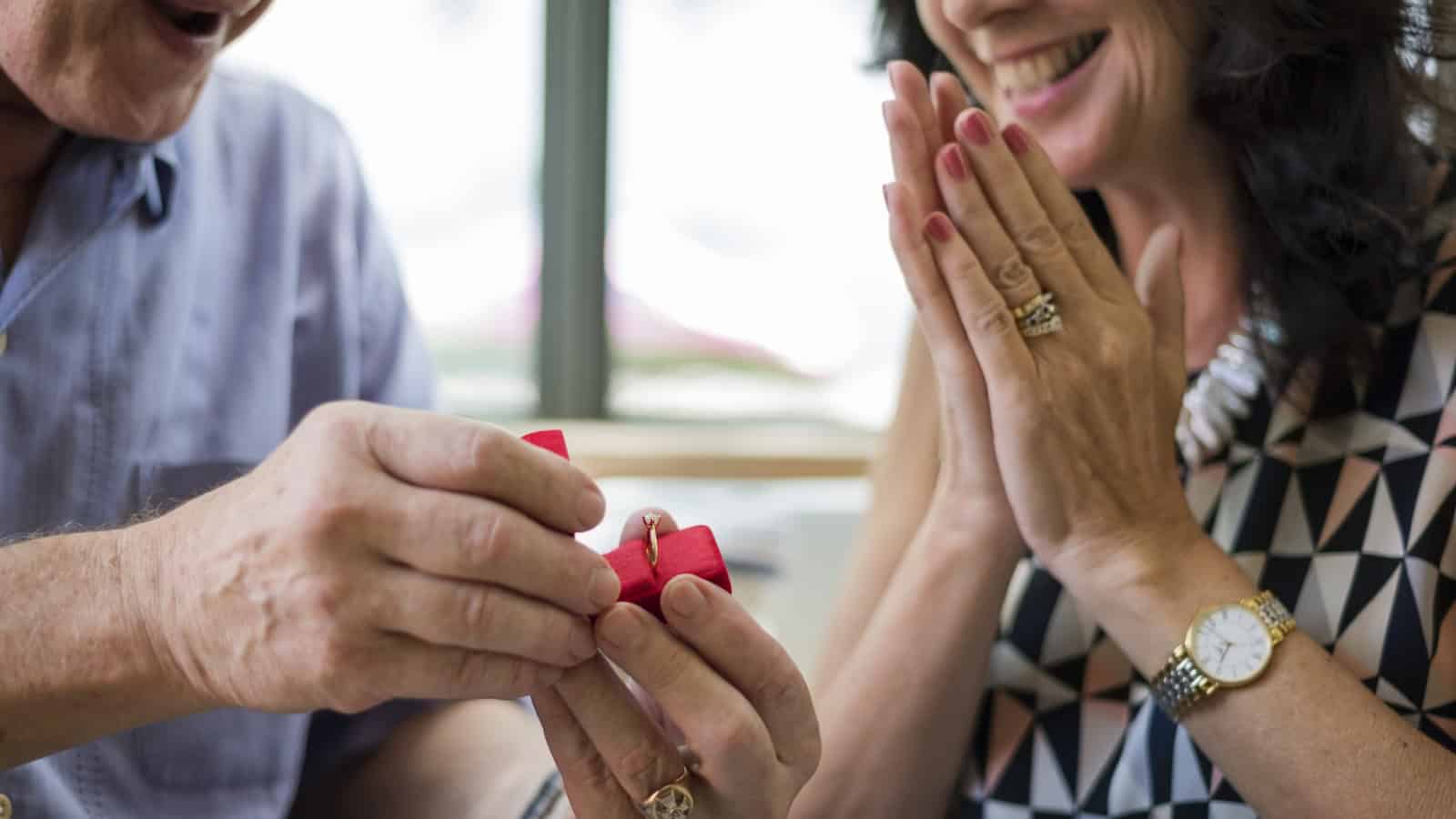
A Pew Research Center analysis of Census Bureau data shows exactly 25% of 40-year-olds in the United States had never been married. That number matters because 40 used to feel like an age by which nearly everyone had walked down the aisle or at least tried. Now, more women reach midlife with a full life, a career, friendships, routines, and no legal spouse.
Some women never find a partner who feels safe, steady, and emotionally mature. Others stop treating marriage as proof that they have “made it.” The traditional pool of marriage-minded women shrinks because fewer women see marriage as mandatory
Fewer women link marriage to motherhood

Modern life has rewritten the rules of romance. Today, women decouple love, intimacy, and parenting from traditional matrimony, carving out paths that previous generations never could. Some delay having children, while others opt out of motherhood entirely.
Many embrace raising a family without a husband at the center. This shift does not signal a rejection of family values; rather, it reflects a desire for autonomy. When society stops treating motherhood as an inevitable destiny, the outdated rules of marriage lose their power. This new freedom leaves us wondering: how will relationships evolve next?
Money raises the bar

Research published on ResearchGate confirms that financial constraints, particularly the need to meet an “economic bar” of stability, act as a primary barrier to marriage. That pressure changes how women date. A woman who pays rent, handles bills, and plans her future will rarely gamble on a partner who treats money like a game.
Love still matters, but financial chaos can drain romance fast. Many women now ask practical questions early because they know marriage can turn one person’s instability into a household problem. The result is a smaller group of women willing to marry without financial confidence.
Later weddings narrow the window

Women spend their twenties working, studying, healing, exploring, and defining their desires. Delaying marriage shifts the entire relationship landscape. By the time matrimony feels relevant, these individuals possess uncompromising standards and zero tolerance for games. While some find excellent partners later, others discover a chaotic, depleted dating pool.
The traditional “marriageable age” crumbles because contemporary adulthood operates on a completely different timeline. Consequently, later weddings drastically narrow the window for starting a family. This delay forces a high-stakes race against biological reality and shrinking options.
Degrees change the timeline

The UNESCO Higher Education Global Trends reports that women have outpaced men in worldwide higher education enrollment, with 114 women enrolled for every 100 men. That shift gives women more options and a greater sense of personal power.
A woman with a degree, a career path, and an income does not need to marry to survive. She may want love, but she can wait for a partner who adds value instead of stress. Education also stretches the timeline because school, training, relocation, and career building take years. Traditional marriage culture expected women to settle early, but many educated women now build first and choose later.
Class gaps split the pool
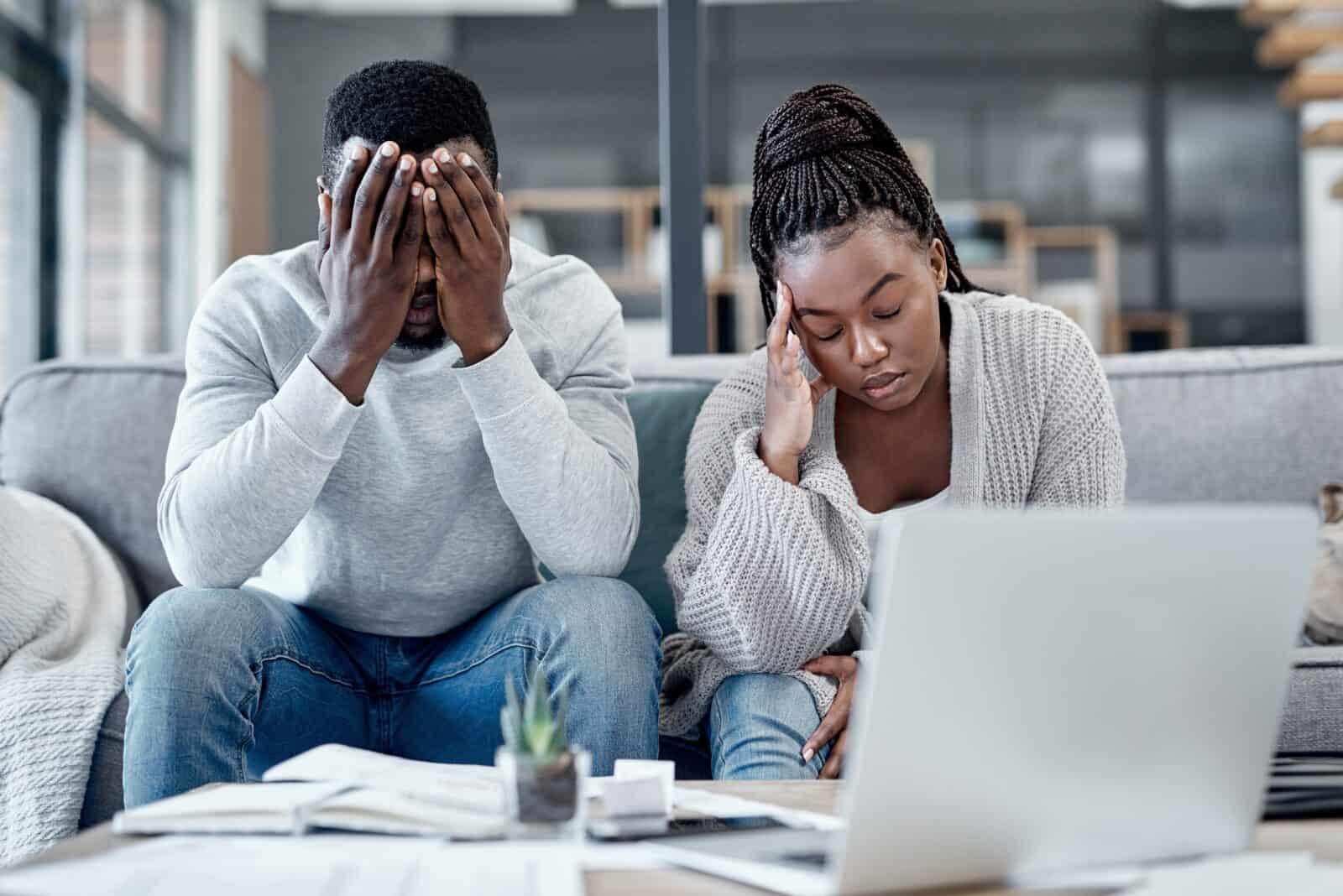
The marriage divide isn’t about fading romance; it’s a harsh economic reality. Today, marital stability increasingly aligns with financial privilege. Secure employment, safe neighborhoods, and generational wealth provide a sturdy foundation that helps keep couples together.
In stark contrast, women facing intense financial strain confront a drastically depleted dating pool, where reliable partners are scarce. These women frequently shoulder heavy family caretaking duties long before considering a wedding. Consequently, the marriage pool doesn’t shrink evenly. It collapses most severely where relentless economic pressure makes long-term planning nearly impossible.
Cohabitation feels normal

Analysis from the Penn Wharton Budget Model confirms that the share of all U.S. adults who are cohabiting rose to 9.1% in 2023. That matters because living together can now feel like a complete relationship without a wedding license. Many couples share rent, pets, holidays, and family events without making it legal.
Some women enjoy that flexibility because it feels less risky than marriage. Others stay in long relationships that never move toward a ring, even when they once expected one. Cohabitation gives people a partnership without the full legal and cultural weight of marriage, so fewer women appear “marriageable” on paper, even when they are deeply partnered.
Women reject unequal roles
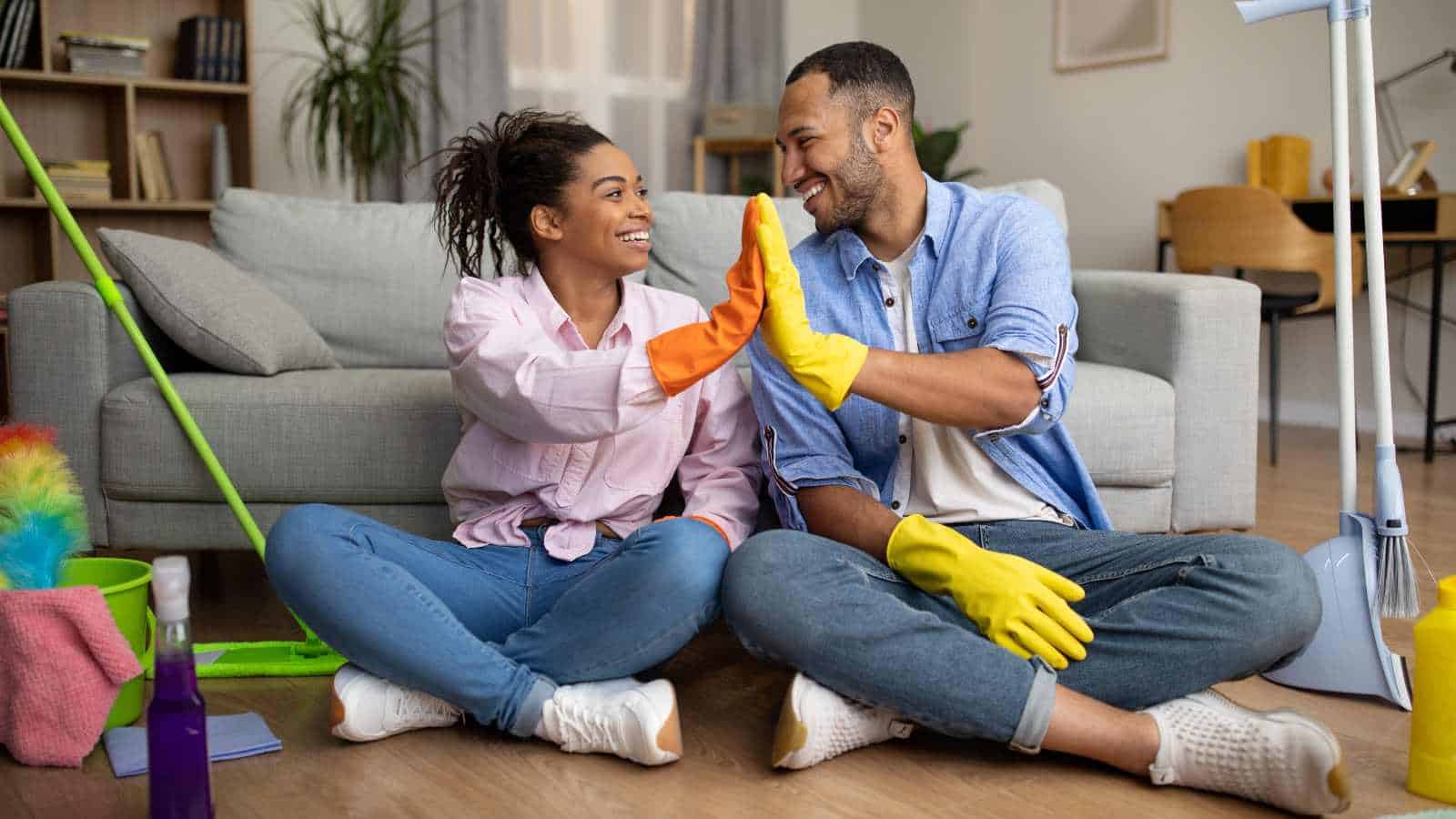
A woman may cherish tradition but refuse a marriage that reduces her to unpaid staff, silent support, or a default caregiver. Modern women continually contrast historical expectations with contemporary rights, refusing to step backward. They demand true partnership, mutual respect, shared labor, and genuine safety.
As women secure greater legal and cultural authority, their willingness to accept shrinking domestic roles vanishes. When marriage demands self-erasure rather than mutual growth, walking away becomes the ultimate act of self-preservation. This shift leaves a lingering question: can the institution adapt before it becomes obsolete?
Marriage feels less necessary

Marriage.com highlights that shifting cultural perspectives mean marriage is increasingly viewed as an optional, rather than mandatory, milestone. That is a loud cultural signal. Young women now hear more stories about divorce, unequal housework, financial stress, emotional labor, and dating fatigue. They also see women buying homes, raising children, traveling, and building brands without husbands.
Marriage still has fans, but it no longer owns the dream board. For many girls, a future spouse has moved from “must have” to “nice, if it feels healthy.” That shift will shape the next generation of women entering the marriage market.
Burnout weakens desire

Burnout drains desire. High-achieving women carry chronic stress from dawn to dusk, a heavy weight that inevitably leaks into their romantic lives. Between managing careers, family, friendships, bills, and wellness, they have a packed daily schedule.
When a partner introduces emotional chaos, romance transforms into just another exhausting, unpaid shift. They do not fantasize about building a massive household; they crave deep rest, absolute silence, and crisp boundaries. They need an equal who carries weight without needing instructions. Marriage completely loses its luster the exact moment it promises more labor instead of more love.
Divorce makes women cautious

That example matters because women around the world now see relationship breakdown more clearly than earlier generations did. Divorce no longer hides in whispers. Over 1.8 million Americans divorced in 2023, as reported by the Pew Research Center.
Women watch friends, relatives, celebrities, and coworkers rebuild after painful endings. That visibility can make marriage look less like a fairy tale and more like a serious legal and emotional contract. Many women still want love, but they want proof of character before commitment. Fear of starting over pushes some women to stay single rather than marry badly.
Key takeaway

The decline of “marriageable women” is not really about women becoming less lovable, less feminine, or less committed. It is about women gaining more choices and using them. Marriage now has to compete with education, career goals, financial independence, peaceful single living, cohabitation, motherhood on new terms, and a sharper awareness of emotional risk.
The old model asked women to fit into marriage. The new model asks marriage to fit women. That is the real story. Women are still open to love, but more of them want love that feels safe, equal, stable, and worth the paperwork. While romantic connection remains deeply desirable, the modern standard requires mutual respect, emotional stability, and genuine equity before anyone signs a legal contract.
Disclaimer – This list is solely the author’s opinion based on research and publicly available information. It is not intended to be professional advice.
Like our content? Be sure to follow us.