12 harsh truths about why you still aren’t getting hired
Job seekers often wonder why their endless applications only return silent rejections or automated emails. A global study by People Management reports that 75 percent of human resources professionals say their organizations face a severe skills shortage. Landing an interview in today’s highly competitive market requires far more than just submitting a standard resume online.
Job hunting is an art that demands continuous strategic adaptation, deep industry research, and brutal self-reflection. The modern recruitment landscape operates on strict efficiency metrics, leaving little room for basic errors. Understanding the hidden mechanics of the hiring process is the first major step toward changing your employment fortune.
Your Resume Reads Like a Boring List of Daily Tasks

Most job applicants use their resumes to list general responsibilities rather than specific professional achievements. Labor market analytics from Lightcast show that the average job posting now requests two more skills than it did just a few years ago. This rapid expansion makes automated filtering highly likely if a resume completely lacks precise keyword customization.
You must present yourself as a high-performing problem solver who delivers tangible business value every single day. Transform passive descriptions into powerful impact statements that prove you can hit the ground running immediately. Highlighting your unique contributions converts a standard background document into an undeniable career sales pitch.
Your Public Digital Profiles Contradict Your Professional Resume

Hiring managers always research your digital footprint long before they invite you to an in-person interview. Conflicting information, unprofessional social media posts, or an inactive LinkedIn presence can instantly ruin your credibility. Your online brand must align with the polished narrative you present in your formal job application.
A Society for Human Resource Management survey found that 43 percent of HR professionals use public platforms to screen candidates. They use these networks to verify if your professional qualifications genuinely align with your formal applications. An outdated digital profile can suggest a lack of professional care and attention to detail.
You Are Spamming the Internet with Generic Applications

Sending the same resume to fifty different job openings every day yields terrible results. Modern Applicant Tracking Systems easily detect uncustomized documents and filter them out of the hiring pool. Flooding the market with generic applications wastes your valuable energy and destroys your professional confidence.
You must tailor your resume carefully to match the specific keywords listed in each job description. Target a few high-quality roles where your unique skills genuinely align with the corporate goals. Quality always beats sheer volume when you are navigating a highly competitive job market.
Your Interview Preparation Ends with Browsing the Company Website

Skimming a company’s homepage five minutes before your scheduled meeting is a recipe for complete failure. Interviewers expect you to have a deep understanding of their market challenges, key competitors, and recent business achievements. A superficial understanding of the business reveals a lack of genuine interest in the actual role.
You must thoroughly research recent industry news, corporate press releases, and the interviewer’s professional background. Prepare insightful questions that demonstrate you are already thinking like a valuable team member. Deep preparation proves your commitment and sets you far ahead of less dedicated candidates.
You Sound Desperate for a Paycheck Instead of the Role

Entering an interview room with a needy attitude instantly lowers your professional value in negotiations. Employers look for inspired individuals who want to solve their specific problems, not just collect paychecks. Expressing over-willingness to do absolutely anything signals a lack of career focus and direction.
You must position yourself as a selective professional who understands their worth and career goals. Frame your answers around mutual alignment, showing how your expertise helps the company grow sustainably. Confidence attracts hiring managers, while desperation drives them to consider alternatives.
Your Communication Skills Fail the Initial Vibe Test

Poor email etiquette, delayed responses, and rambling interview answers can quickly derail promising job opportunities. Clear and concise communication is the foundation of professional competence in every single modern corporate environment. Failing to articulate your thoughts clearly signals that you will be difficult to manage daily.
According to NACE survey data, roughly two‑thirds of employers say they actively look for strong verbal communication skills when evaluating candidates. They prioritize these attributes when evaluating a candidate’s fit during early, high-stakes screening conversations. Practice delivering structured answers using the proven STAR method to keep your responses focused.
You Are Overqualified but Refuse to Address the Elephant

Applying for lower-level roles without explaining your extensive workplace history makes hiring managers incredibly nervous. They automatically assume you will become bored quickly or leave the moment a better offer arrives. Ignoring your advanced background during the application process leads to immediate rejection letters.
You must address their unspoken concerns directly in your customized cover letter or during the initial interview. Frame your senior experience as an asset that allows you to deliver immediate, low-risk results. Show genuine enthusiasm for the specific duties of the role rather than the corporate title.
Your Skills Have Stagnated While the Industry Moved Forward

Possessing five years of experience using outdated tools will not help you secure a modern role. Industries evolve rapidly, and employers are willing to pay a premium for professionals who master cutting-edge software. Relying entirely on past achievements while ignoring current market trends makes you obsolete.
This rapid technical shift requires constant updating within a very short five-year window to remain viable. You must actively pursue relevant certifications and attend various industry workshops.
You Talk Too Much About Your Needs and Not Their Problems

An interview is fundamentally a business pitch, not a personal therapy session about your future title. Spending too much time discussing your desire for remote work flexibility, promotions, or benefits can alienate employers. They are paying for a solution to their immediate operational headaches, not your personal comfort.
Focus your narrative entirely on how your specific talents will make their daily operations smoother. Show them exactly how you plan to save them time, reduce costs, or increase revenue. Once they see your immense value, you gain the leverage to negotiate your personal terms.
You Have a Hidden Reputation Problem in Your Local Network

The professional world is incredibly small, and backdoor reference checks happen far more than you realize. Leaving past employers on terrible terms or burning corporate bridges can quietly ruin your job search. If recruiters consistently vanish after initial positive conversations, your reputation might be working against you.
Independent research published by Robert Half confirms that many employers still verify candidates through professional references, often going beyond the official list you provide. They cross-reference your background even if those individuals are not listed on your formal sheet. Negative feedback from former coworkers can quietly sink your candidacy before an offer is made.
You Are Applying for the Wrong Level of Roles Entirely
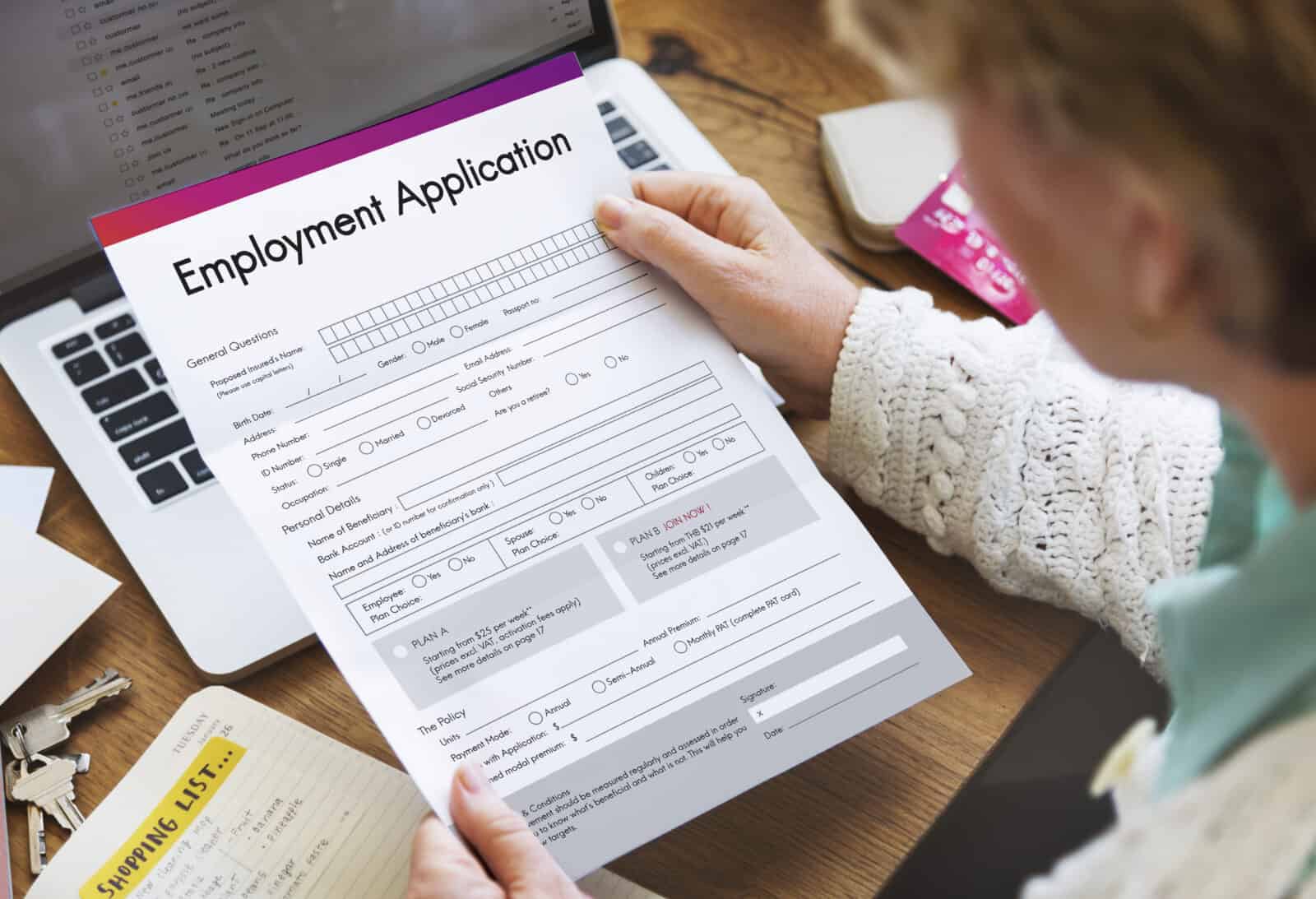
Targeting positions that don’t align with your current experience level leads to a continuous cycle of rejections. Aiming too high wastes time against seasoned veterans, while aiming too low triggers overqualification filters. You must objectively evaluate where your current skills sit within the broader industry hierarchy.
Analyze the profiles of professionals who currently hold the titles you are actively chasing online. Adjust your targets realistically to find the sweet spot where your experience matches corporate requirements. Navigating your career path with accurate self-awareness significantly accelerates your hiring timeline.
You Give Up Too Easily After the First Rejection Notice

Experiencing repeated career rejection can feel deeply personal, but letting it stall your efforts is fatal. Many job seekers stop networking, drop their standards, or stop applying entirely after a few losses. Consistency is the ultimate differentiator between successful candidates and those who remain unemployed.
A Greenhouse candidate experience report found that more than half of job seekers have been completely ghosted after an interview. This high percentage shows that persistent follow-ups are absolutely vital to stand out in a disorganized loop. Treat your job search like a regular, structured business operation that requires daily discipline.
Disclaimer – This list is solely the author’s opinion based on research and publicly available information. It is not intended to be professional advice.
Like our content? Be sure to follow us