Food preservatives women should know about and their potential health risks
Food scientists are increasingly cautioning that common preservatives in processed foods may carry long-term health risks, especially for women. European Medical Journal highlights links between certain additives and cancer, metabolic, cardiovascular, and hormonal disruptions, emphasizing the importance of awareness for women’s health. Monitoring intake and reading labels are essential for reducing exposure to compounds that may quietly affect long-term well-being.
Understanding which preservatives may pose risks helps women make safer dietary choices, prioritize minimally processed foods, and support their hormonal and metabolic health. Here are 10 preservatives experts suggest watching closely, along with insights into potential health effects and practical adjustments women can make to reduce cumulative exposure.
Nitrates and Nitrites in Processed Meats

Sodium nitrite and potassium nitrate are used to preserve bacon, ham, sausages, and deli meats, but high intake is associated with cancer and metabolic diseases. The French NutriNet-Santé cohort (105,260 adults, majority women) reported a 22% higher breast cancer risk with potassium nitrate and a 32% higher prostate cancer risk with sodium nitrite. These compounds form nitrosamines, classified as carcinogenic and harmful to DNA. Breast tissue sensitivity to estrogen makes women particularly vulnerable.
Limiting processed meats and choosing fresh poultry, fish, beans, and minimally processed options can reduce exposure and long-term health risks while supporting overall nutritional balance.
Sorbates in Snacks, Cheese, and Baked Goods

Potassium sorbate, used to inhibit mold in packaged bread, cheese, desserts, and soft drinks, may raise cancer and metabolic risks. In the NutriNet-Santé study, the highest intakes correlated with a 26% increase in breast cancer risk and a 49% higher type 2 diabetes risk when combined with other preservatives. Sorbates promote oxidative stress and the formation of advanced glycation end products, which can drive insulin resistance and vascular damage over time.
Women with menopause-related metabolic shifts or PCOS should consider reducing processed snacks and choosing fresh or homemade alternatives. Paying attention to labels and moderating daily intake can help prevent cumulative health risks while maintaining dietary variety.
Sulfites in Wine, Dried Fruits, and Condiments

Potassium metabisulfite prevents spoilage in wine, dried fruits, and sauces, but high consumption is linked to an 11% higher overall cancer risk and a 20% increase in breast cancer risk. European cardiology studies also connect sulfites to a 29% higher risk of hypertension and a 16% increase in heart attacks. Women prone to migraines, thyroid issues, or asthma may experience heightened sensitivity.
Checking labels and moderating intake, particularly of “healthy” dried fruits or frequent wine consumption, can reduce cardiovascular and hormonal strain, support long-term wellness, and reduce systemic inflammation.
Acetates and Acetic Acid in Sauces and Pickles
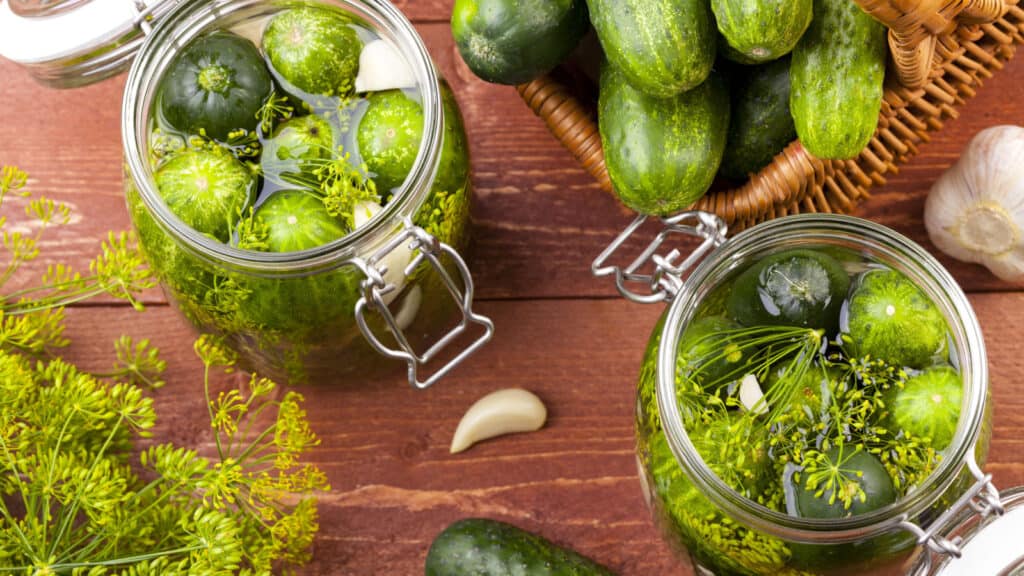
Acetic acid and sodium acetate, used as preservatives in sauces, ready meals, and processed meats, have been linked to a 12–15% higher cancer risk and elevated breast cancer incidence in the NutriNet-Santé study. They are also associated with a 49% higher risk of type 2 diabetes. Chronic exposure may promote low-grade inflammation and impaired insulin signaling.
Women experiencing gestational glucose shifts, perimenopausal weight gain, or metabolic syndrome should limit processed vinegar-based foods and opt for fresh dressings or homemade condiments. Adjusting diet in this way can mitigate risk while maintaining flavor and nutritional balance.
Benzoates in Soft Drinks and Flavored Waters

Sodium benzoate and related compounds inhibit microbial growth in acidic beverages and condiments. When combined with vitamin C, they can form benzene, a known carcinogen. Studies link benzoates to oxidative stress, mitochondrial dysfunction, and potential DNA damage, affecting mood, cognitive health, and fertility in women.
Limiting sweetened drinks and processed condiments helps reduce chemical load while supporting metabolic and hormonal health. Choosing water, herbal teas, or homemade beverages minimizes daily exposure and protects long-term cellular health while maintaining hydration.
Propionates in Packaged Bread and Baked Goods

Calcium propionate prevents mold in sliced bread, tortillas, and bakery snacks. Recent French cohort studies associate high consumption with increased type 2 diabetes risk. Mechanistically, propionate can acutely raise blood glucose and insulin levels, thereby promoting insulin resistance and weight gain over time.
Women at risk for gestational diabetes, PCOS, or abdominal obesity should rotate fresh or frozen breads without preservatives or make homemade alternatives to reduce chronic metabolic impact and limit additive accumulation while maintaining dietary variety.
Antioxidant Preservatives: Ascorbates, Erythorbates, and Rosemary Extracts

Sodium ascorbate, sodium erythorbate, and rosemary extracts prevent fat oxidation and color changes in processed meats and snacks. Cohort studies suggest synthetic or concentrated forms may behave differently, with sodium erythorbate linked to a 21% higher breast cancer risk and sodium ascorbate associated with higher cardiovascular risk. Antioxidant additives were also tied to a 42% higher diabetes risk.
Women seeking “natural” labels should be aware that these additives do not provide the same benefits as whole foods. Limiting processed meat and snack intake reduces exposure and supports overall metabolic and cardiovascular health.
Citric Acid and Phosphoric Acid in Sodas and “Healthy” Drinks

Citric and phosphoric acids, common in sodas, flavored waters, and sports drinks, have been linked to a 42% higher type 2 diabetes risk in the NutriNet-Santé cohort. These acids also contribute to dental erosion, reduced bone density, and gut discomfort, which is particularly concerning post-menopause. Women who consume multiple servings daily may accumulate exposure, increasing metabolic and skeletal risks.
Favoring plain water, sparkling water without additives, or unsweetened teas reduces chemical load while protecting teeth, bones, and hormonal balance. These choices provide hydration without the hidden risks associated with additive-laden beverages.
Emulsifiers and Hidden Preservative Combos in Ultra-Processed Foods

Emulsifiers, often combined with preservatives in ultra-processed foods, can disrupt the gut barrier and cause low-grade inflammation. PubMed indicates that cumulative exposure is associated with metabolic syndrome, cardiovascular disease, mental health issues, and potential carcinogenic effects.
Ultra-processed foods are heavily marketed to women, creating daily chemical exposure. Reducing ready-to-eat meals, packaged snacks, and sweetened drinks helps protect gut integrity, maintain metabolic health, and limit endocrine disruption over time, promoting long-term wellness. Prioritizing minimally processed foods supports better digestion and overall health outcomes.
Endocrine-Disrupting Additives and Packaging Chemicals
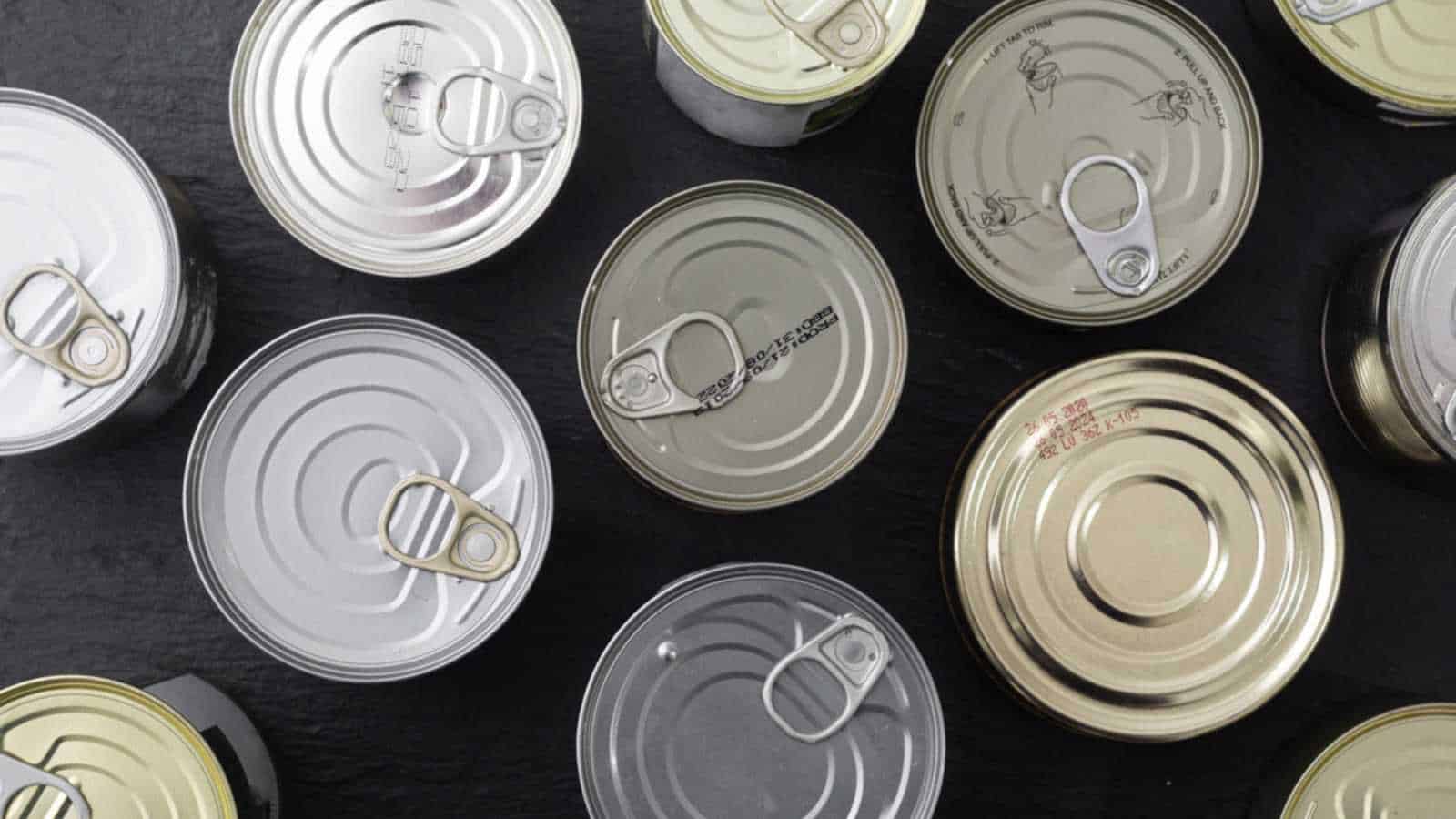
Certain food additives and packaging chemicals act as endocrine disruptors, affecting estrogen, thyroid hormones, and insulin. A 2024 endocrine review links these to reproductive, metabolic, and neurodevelopmental issues. Harvard Health notes that chronic exposure can influence the timing of puberty, fertility, obesity, and cardiovascular health.
Women at hormone-sensitive life stages (menarche, pregnancy, perimenopause, or menopause) should minimize canned, fast, and packaged foods, favor fresh or minimally processed options, and limit plastic packaging to reduce cumulative endocrine risks, support hormonal balance, and preserve long-term metabolic and reproductive health.
The Smarter Choice Starts With the Label

Preservatives may help food last longer, but that convenience can come with hidden costs when they appear too often in daily meals. For women, the concern is not just one snack, one soda, or one packaged meal. The bigger issue is repeated exposure over time, especially when certain additives may affect hormones, metabolism, heart health, gut health, and long-term disease risk.
The safest approach is not fear, but awareness. Reading labels, limiting ultra-processed foods, choosing fresh or minimally processed meals, and paying attention to how the body responds can make a meaningful difference. Women do not need to avoid every packaged product, but they should know what they are eating and make choices that support their health beyond the convenience of the moment.
Disclosure: This article was developed with the assistance of AI and was subsequently reviewed, revised, and approved by our editorial team.
Like our content? Be sure to follow us