12 rare personality traits shared by people who love checkout small talk
Some people see the checkout line as a tiny stage, and honestly, I respect the commitment. They don’t just scan their groceries and vanish into the parking lot like socially efficient ninjas. They ask the cashier how the shift is going, joke about the outrageous price of eggs, and somehow turn a 40-second transaction into a little human moment.
That habit matters more than people admit. The U.S. Surgeon General has called loneliness “more than just a bad feeling,” and the same advisory links weak social connections to serious health risks, including a mortality impact compared with smoking up to 15 cigarettes a day.
So yes, checkout small talk may look tiny, but the people who enjoy it often carry a surprisingly rare mix of warmth, curiosity, courage, and emotional intelligence.
They have social courage in tiny doses

People who love checkout small talk usually don’t wait for the perfect party, the perfect mood, or the perfect personality match. They practice micro bravery in everyday places, which means they can say, “Long day?” to a cashier without acting like they just proposed marriage in aisle four.
That small act of courage matters because many people avoid speaking first, even though research shows those conversations often feel better than expected.
Researchers Nicholas Epley and Juliana Schroeder found that commuters who talked to strangers reported more positive experiences than those who stayed quiet. Checkout small-talk lovers seem to understand this without reading a journal article over cereal. They know a friendly comment won’t always turn into magic, but they also know silence rarely gives anyone a mood boost.
They read the room quickly

A good checkout small talk person doesn’t trap a cashier in a 12-minute monologue about their cousin’s dental surgery. They scan the vibe, notice the line, watch the cashier’s energy, and adjust fast. That quick social reading shows situational awareness, which feels rare in a world where some people still argue with price scanners like the machine has personal motives.
This trait separates warm people from exhausting people. They know when to smile and move on, when to ask one light question, and when to stay quiet because the cashier clearly has the emotional bandwidth of a phone at two percent. Ever met someone who can make a stranger smile without making things weird? That takes more skill than people give it credit for.
They value weak ties more than most people do
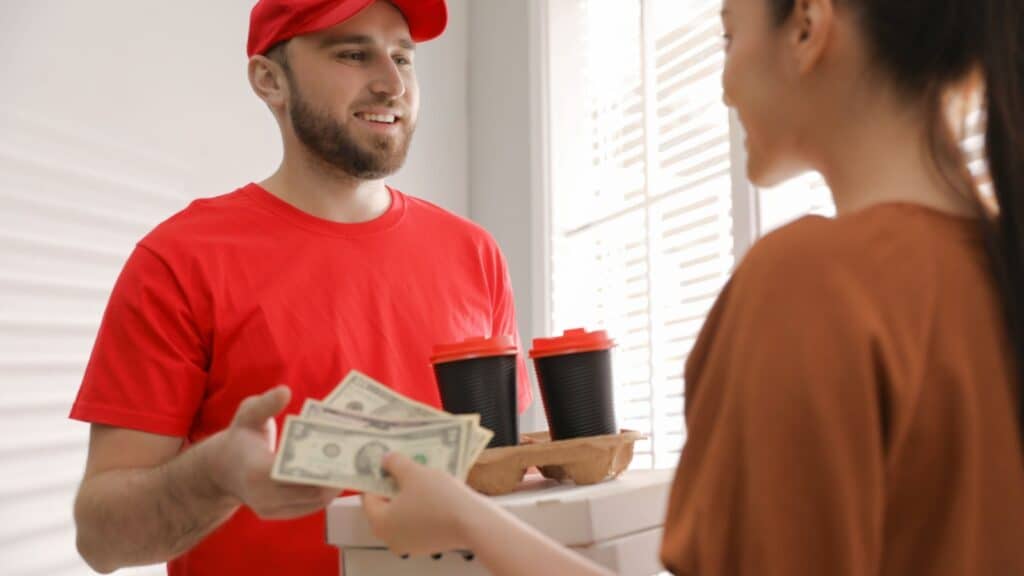
People who enjoy checkout small talk often understand the quiet power of weak ties, those casual connections with cashiers, neighbors, baristas, delivery workers, and familiar faces. They don’t need every interaction to become a deep friendship with matching bracelets and shared trauma. They simply appreciate the warm little thread that says, “Hey, we’re both human here.”
Gillian Sandstrom’s research found that people felt happier on days with more weak-tie interactions, and another study showed that friendly interactions with a barista increased feelings of well-being and belonging. Checkout small talk lovers live in that zone naturally. They turn the ordinary into a soft social nudge, and honestly, that beats pretending the cashier is part of the furniture.
They have high everyday empathy
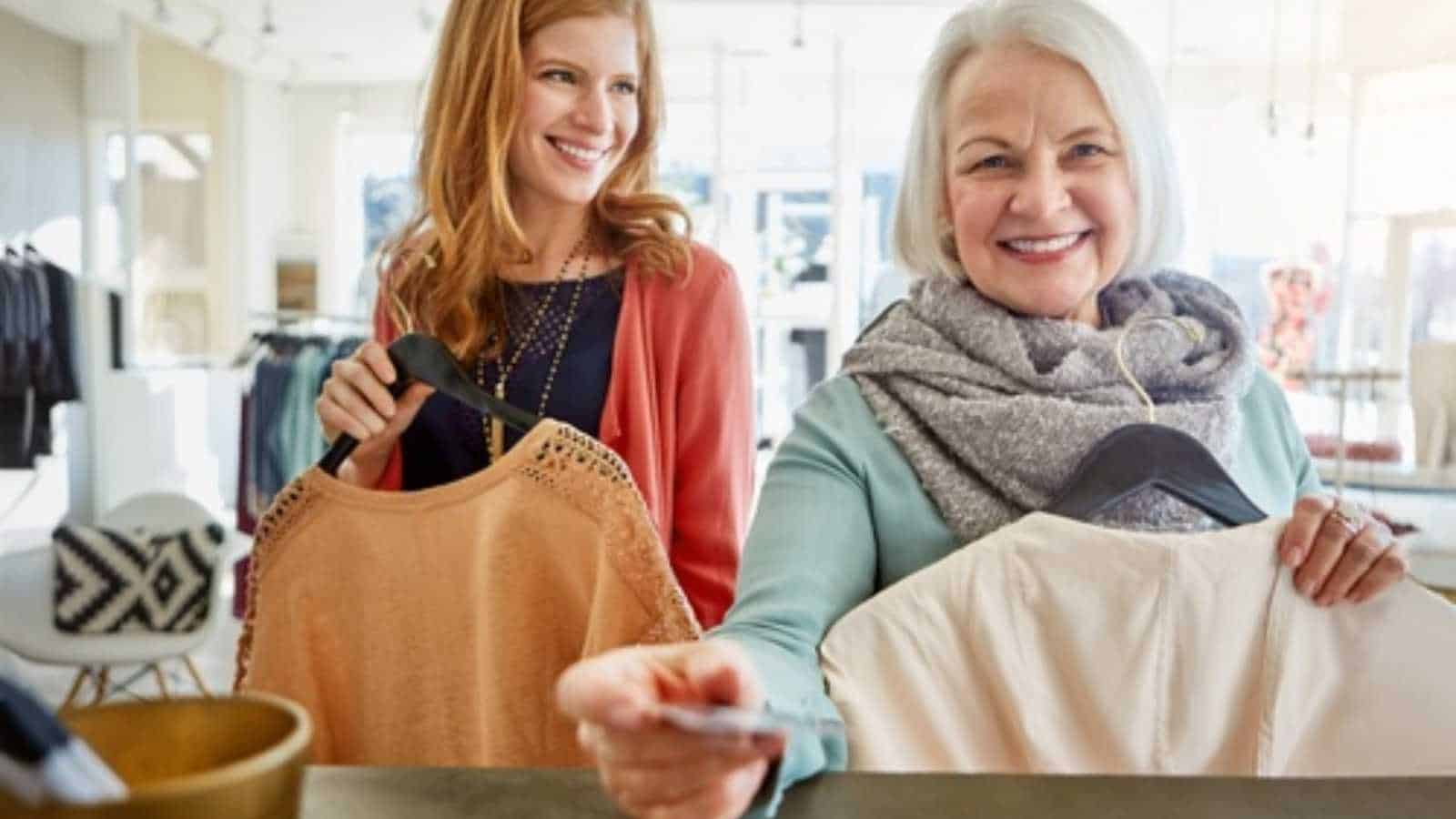
Checkout small talk fans often notice the worker behind the counter, not just the service. They remember that someone stands there for hours, handles rude customers, repeats the same phrases, and still somehow manages to say “Have a nice day” without bursting into dramatic theater. That awareness points to everyday empathy, the kind that shows up in small gestures instead of grand speeches.
In 2025, Pew Research Center found that 16% of U.S. adults feel lonely or isolated all or most of the time, and another 38% feel that way sometimes. A checkout talker obviously can’t solve loneliness with one comment about reusable bags. But they often sense that a little kindness can soften a hard day, and that instinct makes them quietly powerful.
They enjoy a low-stakes connection
Some people hate small talk because they think every conversation needs depth, destiny, or at least a podcast-level insight. Checkout small talk lovers think differently. They enjoy a low-pressure connection, where nobody needs to reveal their childhood wounds or debate the economy before the receipt prints.
That trait makes them socially flexible. They can chat about the weather, the slow card machine, or the suspiciously tiny bag of chips that used to cost more than lunch. Is it life-changing? Probably not. But low-stakes warmth can still make public life feel less cold, and that matters when so many daily interactions now happen through screens and kiosks.
They stay curious about ordinary people
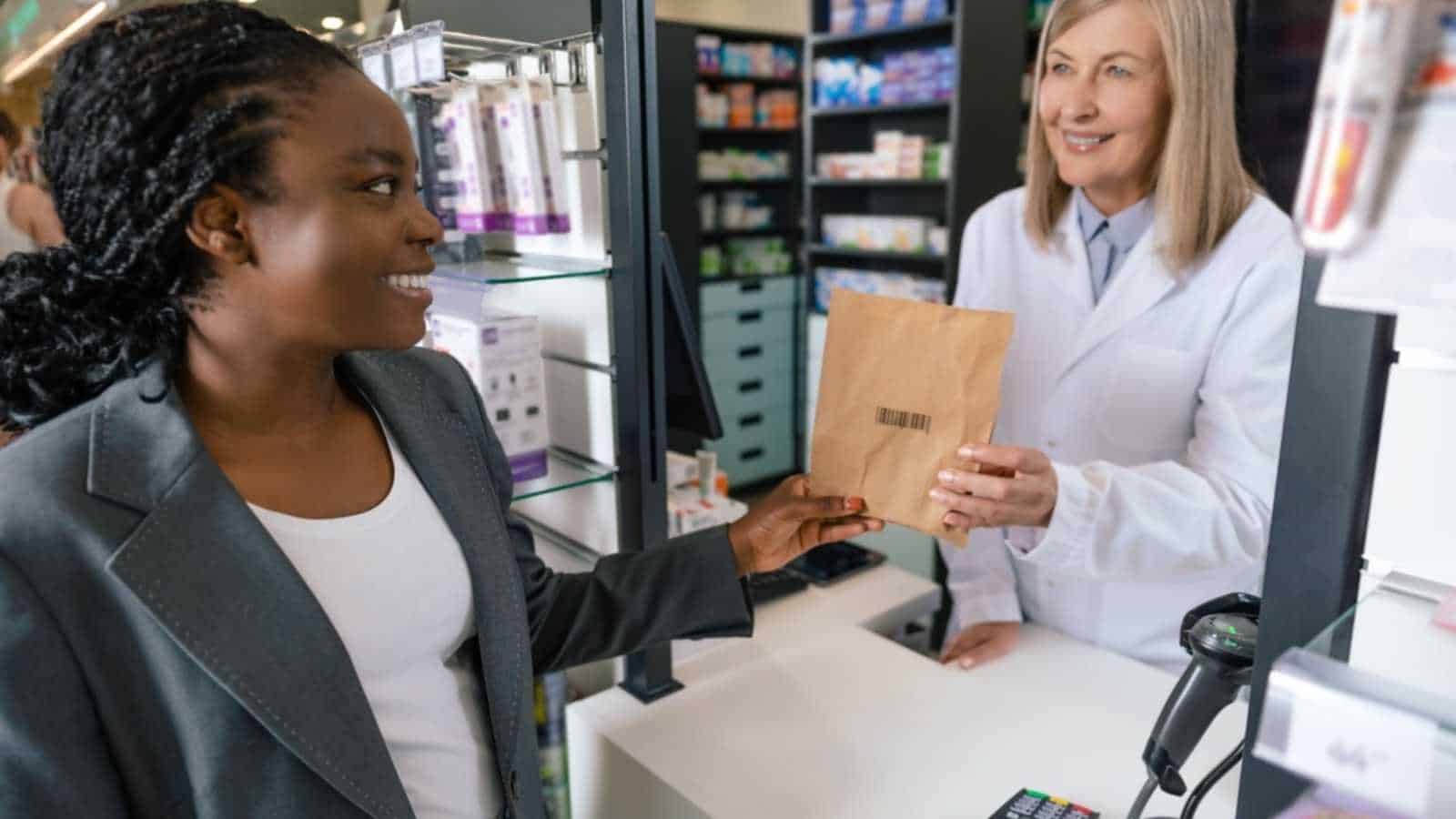
People who love checkout small talk usually carry a gentle curiosity about strangers. They wonder how the cashier’s day is going, why the store keeps moving the bread aisle, or why the person ahead bought 14 cans of chickpeas. They don’t interrogate people, thank goodness, but they treat ordinary lives as interesting.
This kind of curiosity connects to openness, one of the Big Five personality traits that psychologists use to describe differences in how people think, feel, and behave. Psychology Today describes openness as one of the Big Five personality dimensions, alongside conscientiousness, extraversion, agreeableness, and neuroticism.
Checkout talkers often show openness in miniature. They don’t need novelty to arrive wearing fireworks; sometimes, novelty wears a name tag and says, “Paper or plastic?”
They handle awkwardness without panicking
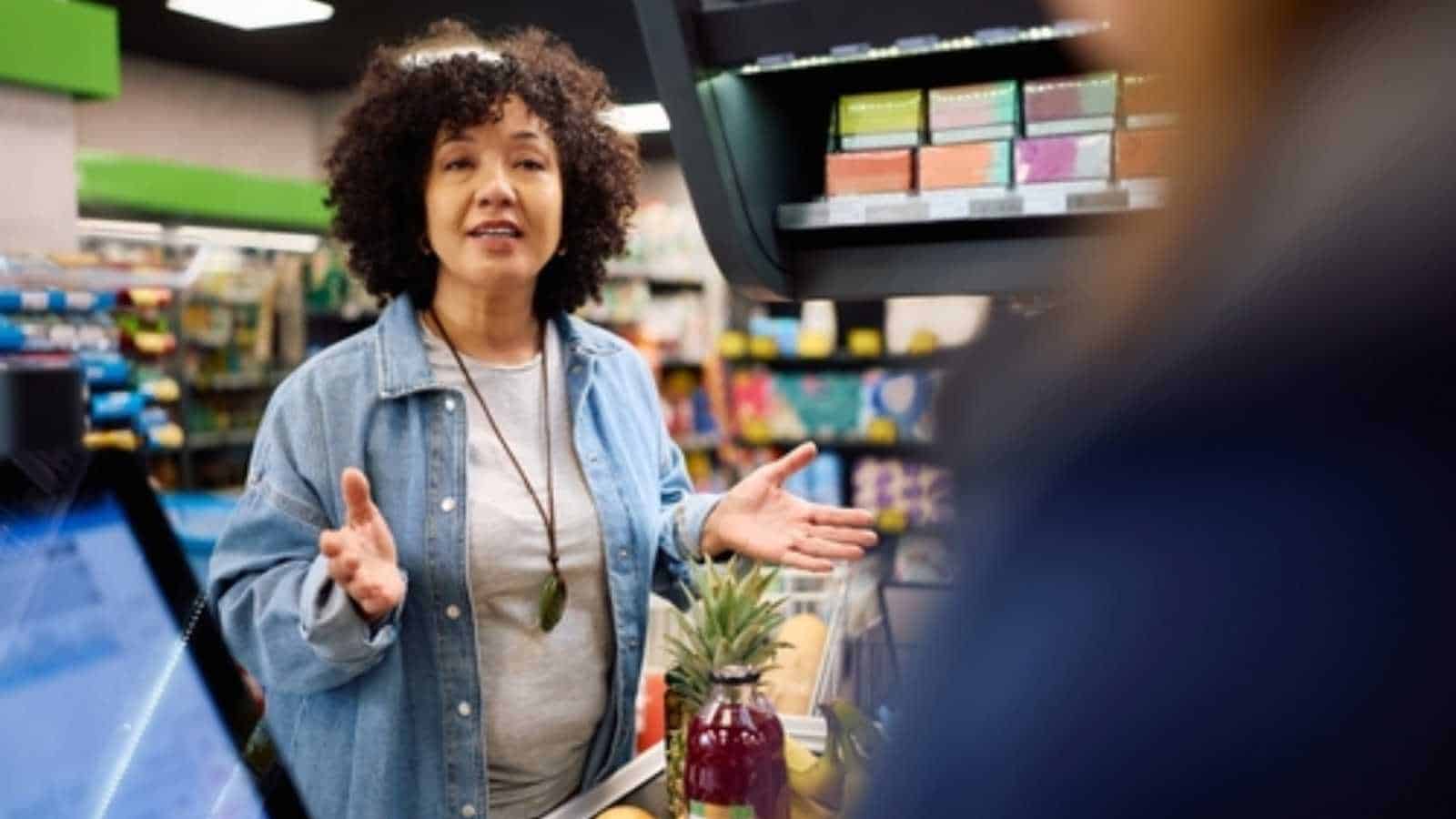
Checkout small talk always carries a tiny risk. The cashier might not hear you, the joke might land like a wet napkin, or the person behind you might sigh as if your friendly comment delayed national progress. People who love these moments usually tolerate awkwardness well, which gives them a rare social advantage.
They don’t treat every flat response as a personal rejection. They shrug, smile, pay, and move on with their dignity mostly intact.
That resilience helps in more than checkout lines because life constantly hands us tiny, awkward moments. If someone can survive a failed “busy day?” joke at Walmart, they can probably handle a weird elevator pause too.
They bring warmth without demanding attention
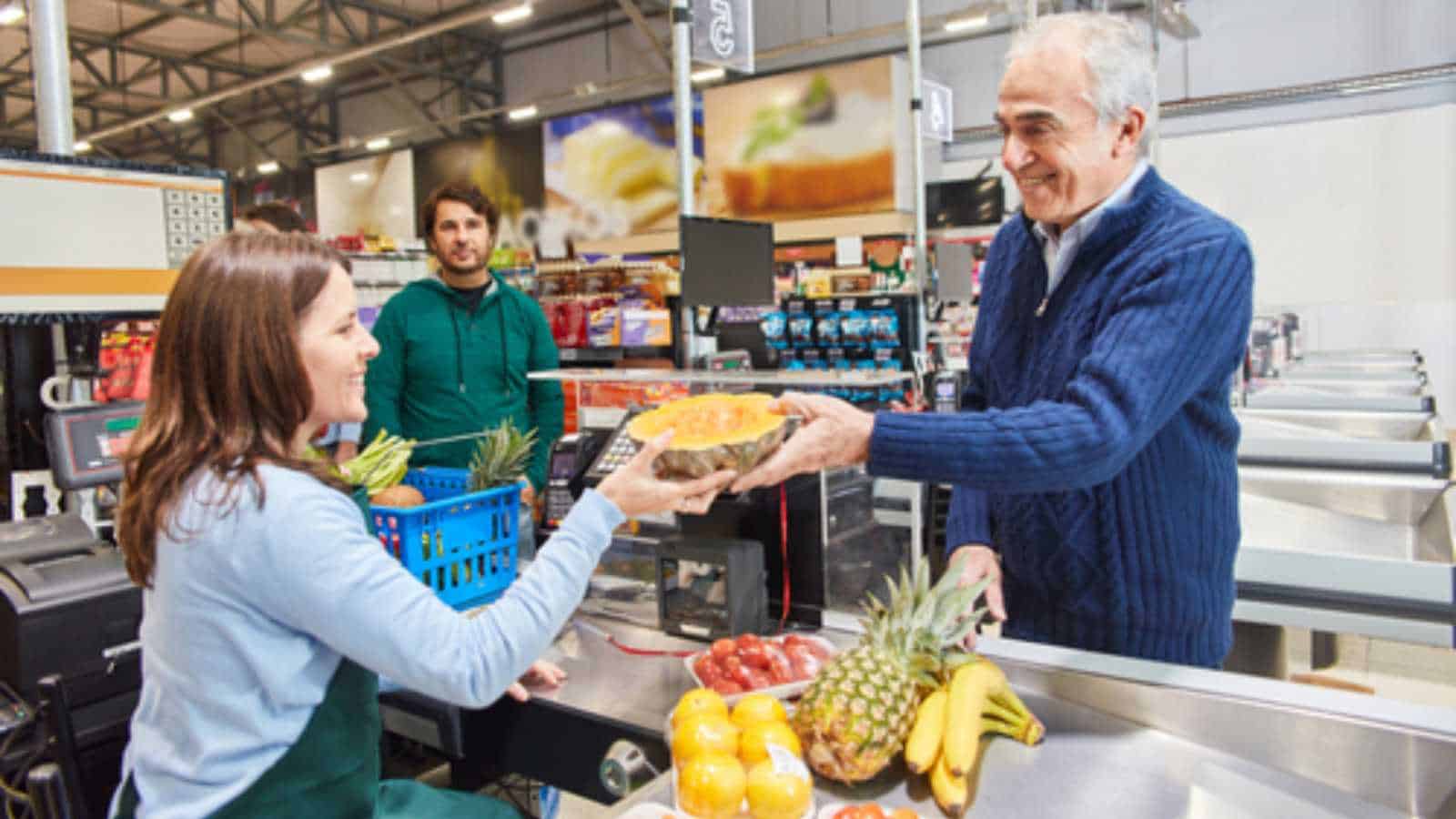
The best checkout small talk people don’t perform kindness like they need applause. They offer warmth, but they don’t demand that the cashier reward them with emotional confetti. That balance shows secure friendliness, which means they can be pleasant without making the interaction about themselves.
This matters because social connections work best when people keep them mutual and respectful. The World Health Organization reported in 2025 that 1 in 6 people globally experiences loneliness, and it linked social connection with better health and longer life. Checkout talkers who do it well, add a little warmth to public life without forcing intimacy. That takes restraint, and restraint deserves more credit.
They notice mood shifts fast
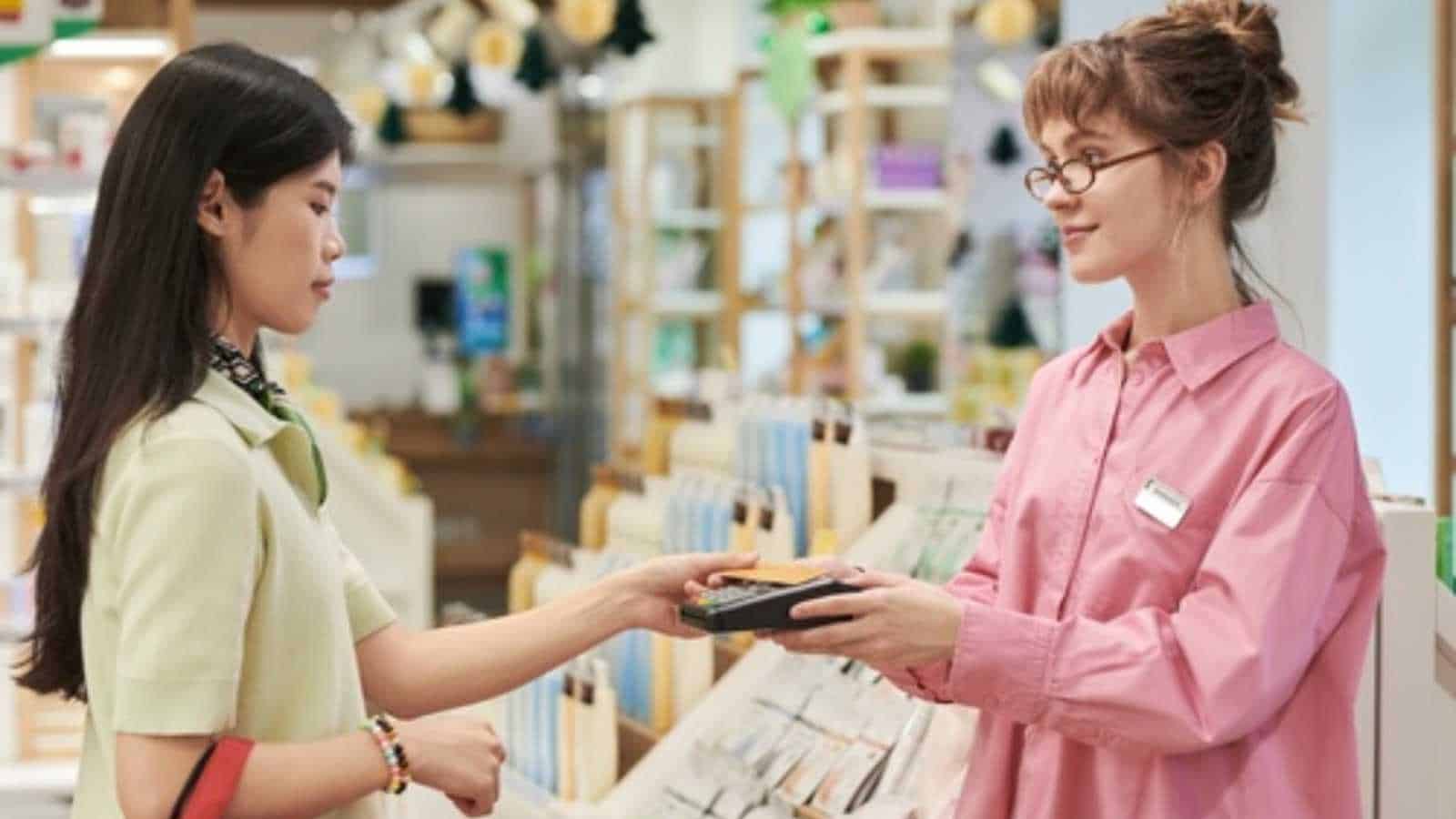
People who enjoy checkout small talk often pick up on tiny emotional cues. They hear the cashier’s tired laugh, notice the forced smile, or sense when someone actually wants a quick, friendly exchange. That skill reflects emotional radar, and no, it doesn’t require psychic powers, crystals, or suspicious TikTok advice.
This trait helps them make people feel seen without making them feel studied. They might say, “Hope your shift gets easier,” and leave it there. Simple, clean, kind. Ever noticed how one well-timed sentence can feel better than a whole speech from someone who talks too much? That’s the magic.
They resist the fully automated life
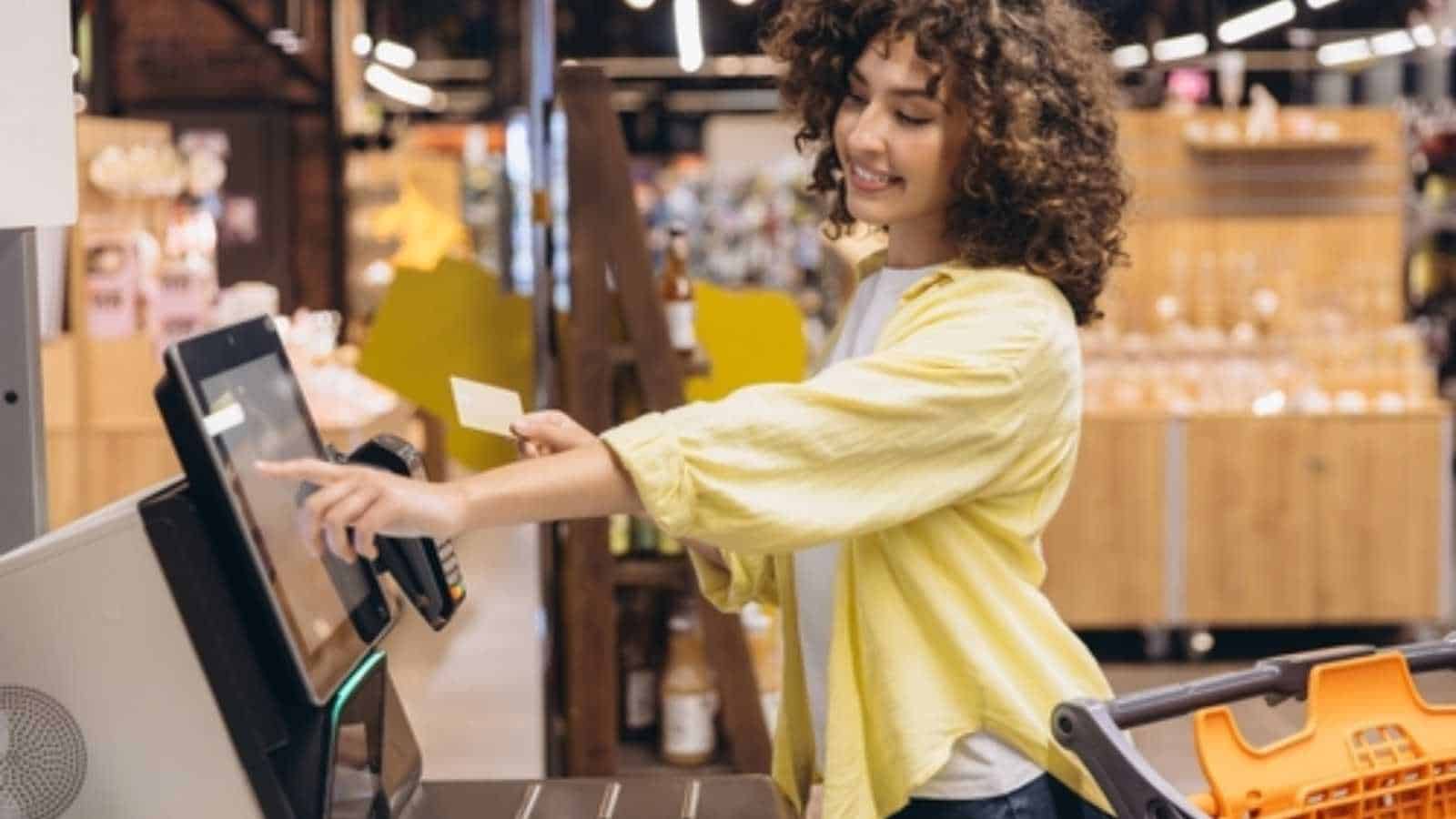
Self-checkout keeps growing because many shoppers want speed and control. NCR Voyix reported that 77% of shoppers who prefer self-checkout choose it because they see it as faster, while others cite shorter lines and easier bagging. Checkout small talk lovers, don’t necessarily hate technology, but they still value the human lane.
That preference says something about them. They don’t treat efficiency as the only goal of public life. Sometimes they choose the cashier because they enjoy the quick laugh, the familiar face, or the tiny ritual of being acknowledged by another person. Wild concept, right? A human being, not a blinking screen, can improve the errand.
They practice kindness without making it dramatic
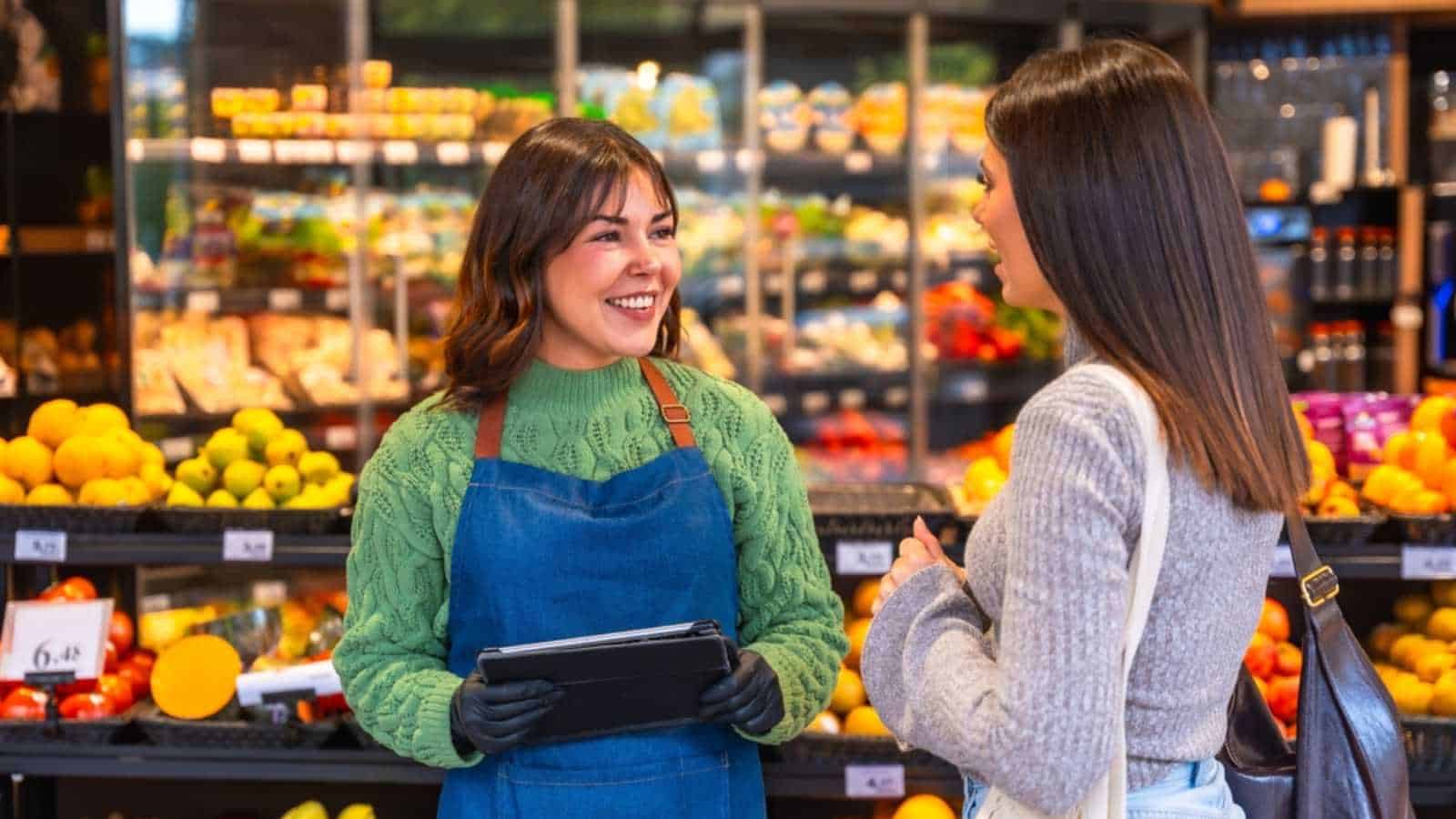
Checkout small talk fans often understand that kindness doesn’t need a soundtrack. They don’t need to film themselves being decent or turn every “thank you” into a personal brand moment. They simply make the interaction lighter than they found it, which might be one of the rarest social habits around.
The American Psychological Association’s 2025 Stress in America report found that 54% of U.S. adults felt isolated often or sometimes, and 50% felt left out or lacked companionship. Against that backdrop, small kindness feels less silly. A checkout joke won’t fix the country, but it can make one person’s next minute less miserable, and that still counts.
They believe small moments shape the day
People who love checkout small talk usually believe tiny moments matter. They don’t save their personality for birthdays, weddings, job interviews, and airport reunions. They bring a little humanity to Tuesday errands, which, frankly, feels heroic when everyone else looks ready to fight the card reader.
A PNAS study on relational diversity found that people with more varied social interactions reported higher well-being. Checkout small talk fits that idea beautifully because it adds variety to the social diet. These people don’t just collect conversations; they collect small reminders that daily life can still feel friendly, even near the gum rack.
Key takeaway
People who love checkout small talk often share rare traits like social courage, empathy, curiosity, emotional awareness, resilience, and respect for everyday connections. They don’t need every chat to become deep or memorable. They just understand that a warm sentence can make a boring errand feel slightly more human.
So the next time someone jokes with the cashier about the price of grapes, maybe don’t roll your eyes too hard. They might be practicing one of the smallest and most underrated forms of social connection we still have. And honestly, in a world full of self-checkout machines, that little spark of humanity deserves its receipt.
Disclaimer: This list is solely the author’s opinion based on research and publicly available information. It is not intended to be professional advice.
Like our content? Be sure to follow us.