10 famous Bible translation mistakes—and what the original text actually says
Some of the Bible’s most familiar stories become surprisingly different when you look at the words they were translated from.
That’s inevitable to some degree. The Bible wasn’t written in English. Its texts come primarily from ancient Hebrew, Aramaic, and Greek, where a single word can carry several possible meanings—and sometimes there simply isn’t a perfect English equivalent.
Most of the time, those differences are relatively minor. But occasionally one translation choice can influence how generations of readers picture a biblical character, understand a commandment, or interpret an entire passage.
Consider Moses. A famously tricky Hebrew word helped inspire centuries of artwork depicting him with literal horns. The woman created alongside Adam is traditionally called his “helper,” even though the underlying Hebrew phrase is far more complicated. The commandment generations learned as “Thou shalt not kill” is now commonly rendered “You shall not murder.” And the familiar name “Lucifer” has its own surprising translation history.
Other examples are much more controversial. Scholars still debate what Isaiah meant by the Hebrew word traditionally associated with the virgin birth, whether Eve was created from Adam’s “rib” or “side,” and exactly how Romans should describe a woman named Junia.
These aren’t all mistakes, and they certainly don’t prove that translators secretly rewrote the Bible. They reveal something more interesting: translating an ancient text is itself an act of interpretation, and sometimes one word can shape how millions of people understand a story for centuries.
Here are 10 famous biblical passages that look very different when you go back to the language behind the English translation.
Was the “virgin” in Isaiah actually a young woman?
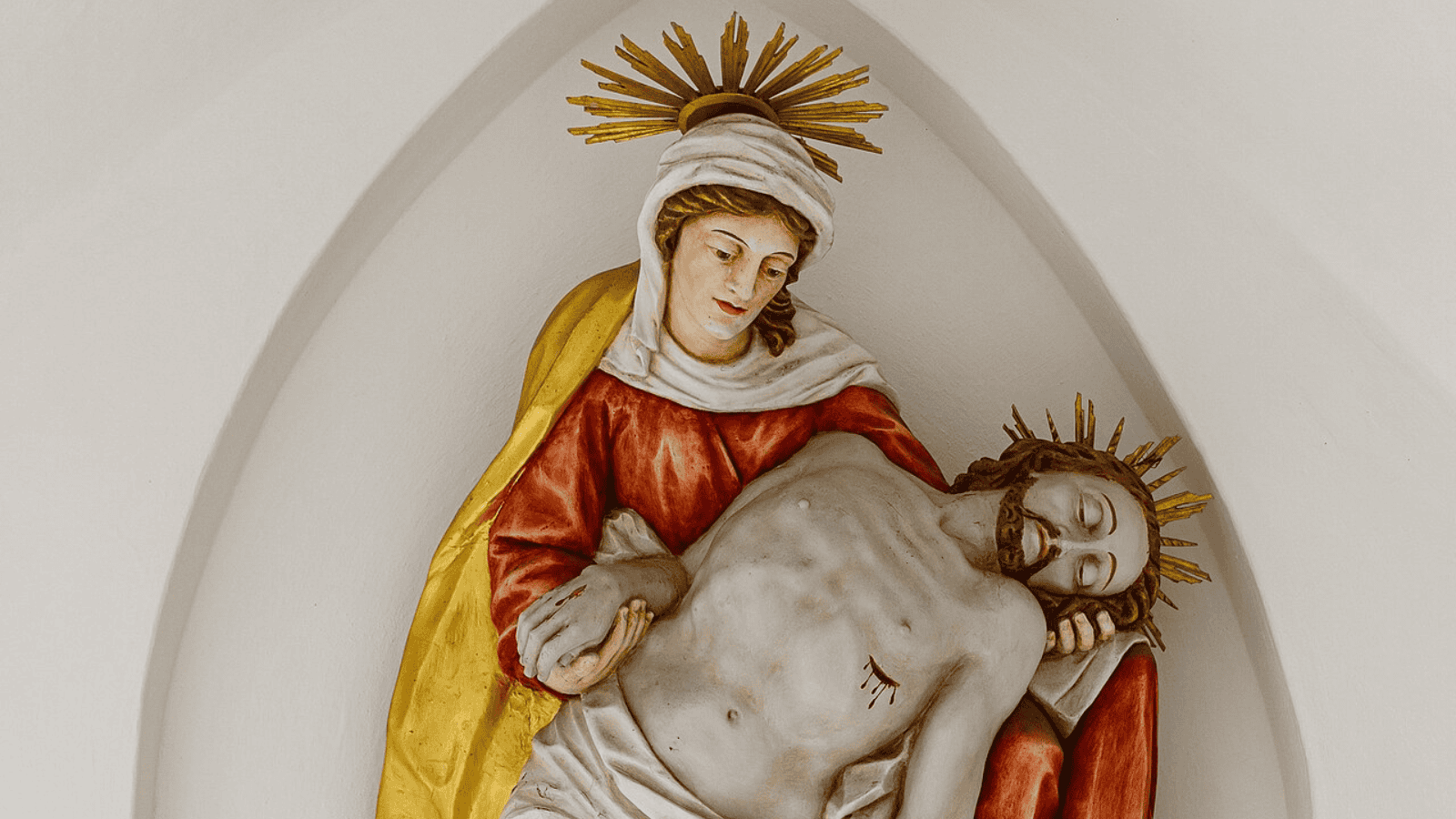
The famous prediction of a virgin birth in Isaiah 7:14 actually hinges on a single Hebrew word. The original text uses almah, which simply means a “young woman” or “maiden.” If the author wanted to specify a biological virgin, the Hebrew word betulah was the standard choice.
Greek translators later chose the word parthenos, which specifically means virgin. This single linguistic pivot solidified a concept that became central to Christian dogma.
Why “hell” doesn’t always mean the same thing in the Bible
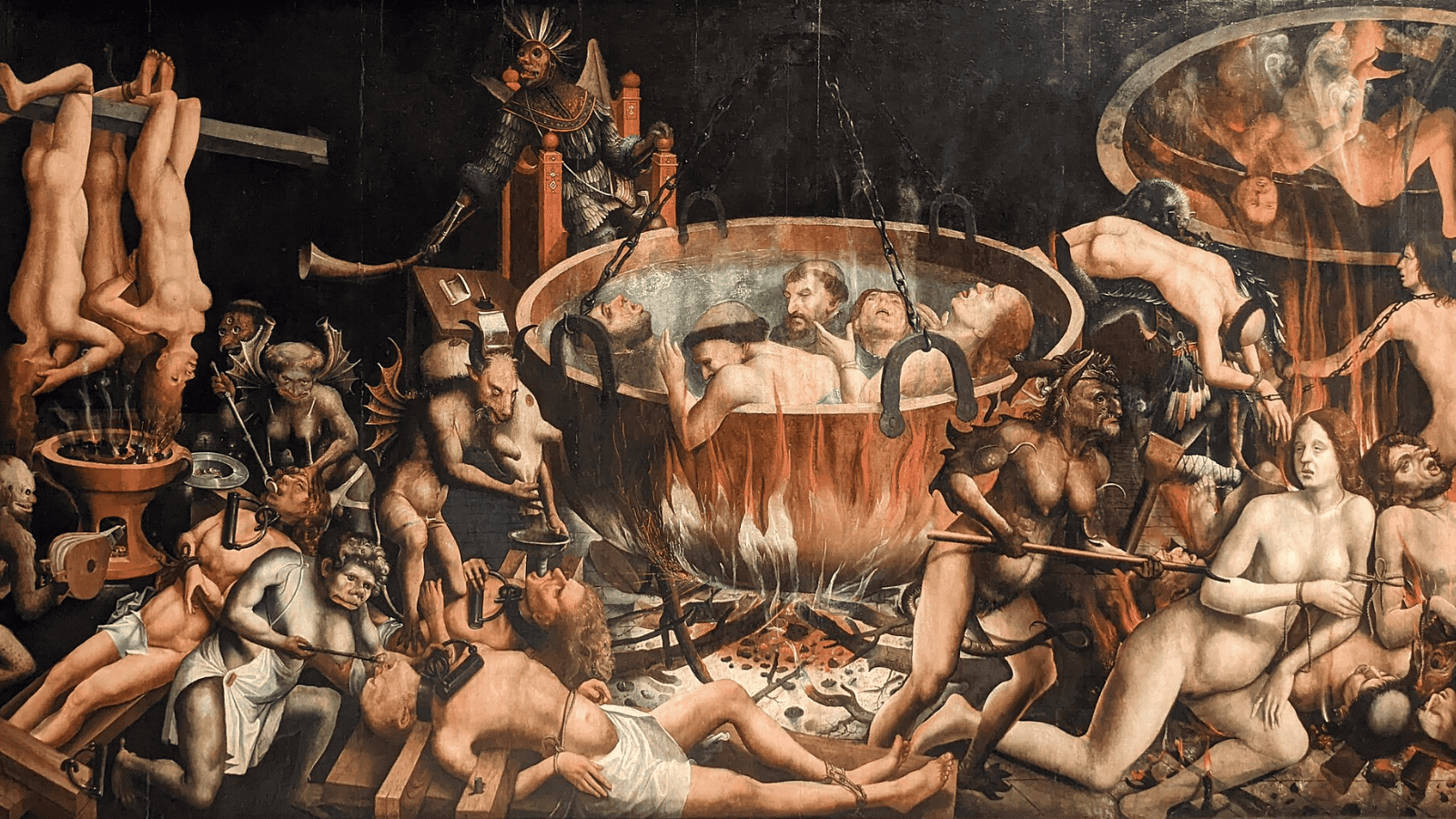
The King James Version translators frequently swapped the word “hell” for terms that meant nothing of the sort. The original Hebrew word Sheol and its Greek equivalent Hades literally mean “the grave” or “the pit.” KJV translators used “hell” 31 times and “grave” 31 times for the exact same Hebrew word Sheol.
They translated Sheol as “grave” when referring to good people like Job, but as “hell” for bad people. This sneaky bias successfully hid the biblical view of death as an unconscious sleep.
Was Eve really created to be Adam’s subordinate “helper”?
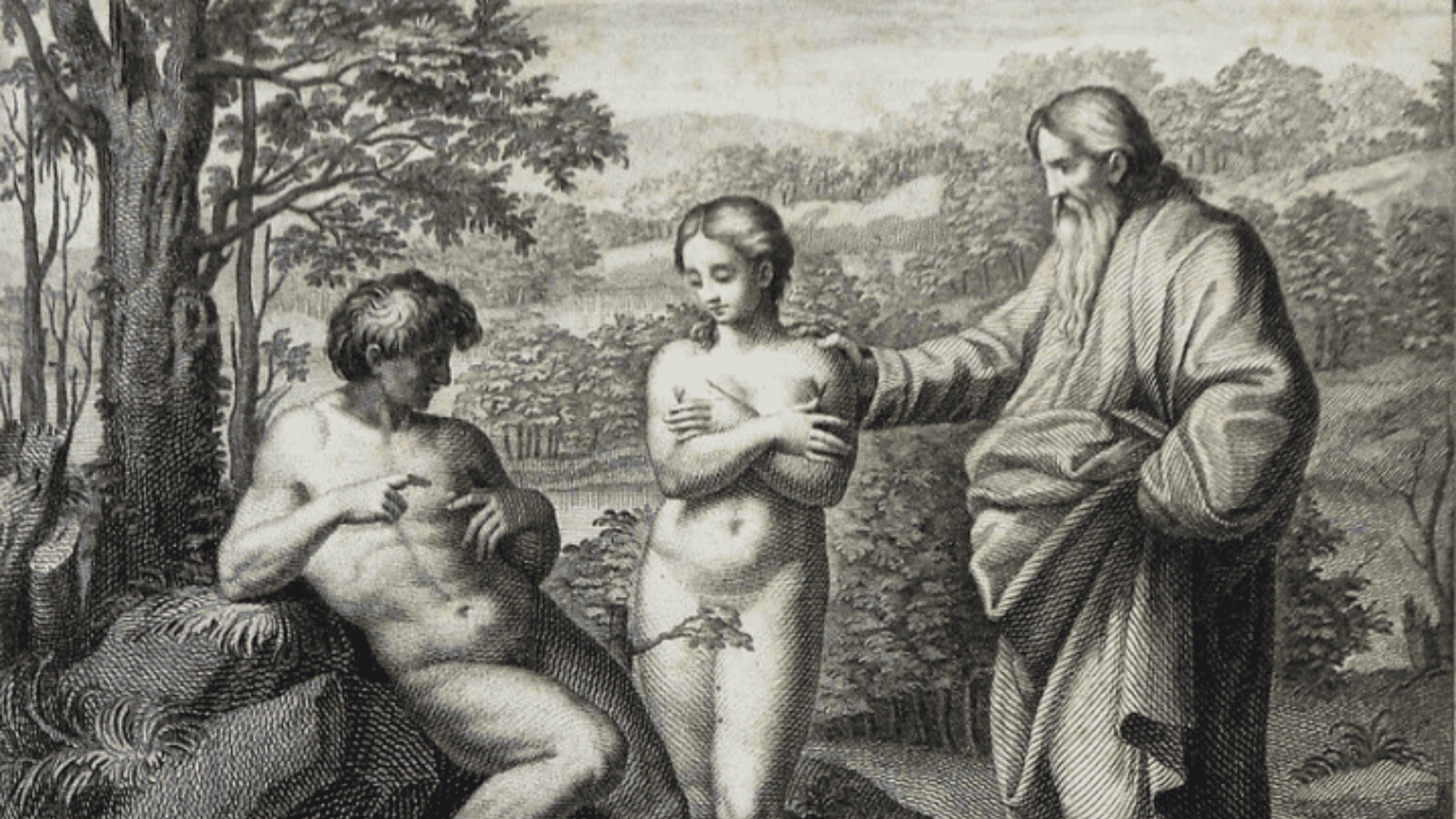
Calling Eve a “helper” in Genesis 2:18 downplays the powerful Hebrew phrase ezer kenegdo. In English, “helper” sounds like an assistant, but the Hebrew word ezer actually implies massive strength. Out of 21 times ezer appears in the Old Testament, 16 times it describes God rescuing people.
Scholar Carolyn Custis James notes that kenegdo means a counterpart or equal match, like Yin and Yang. Eve was designed to be a strong ally and fellow warrior, not a subordinate secretary.
Was Eve made from Adam’s rib—or his side?
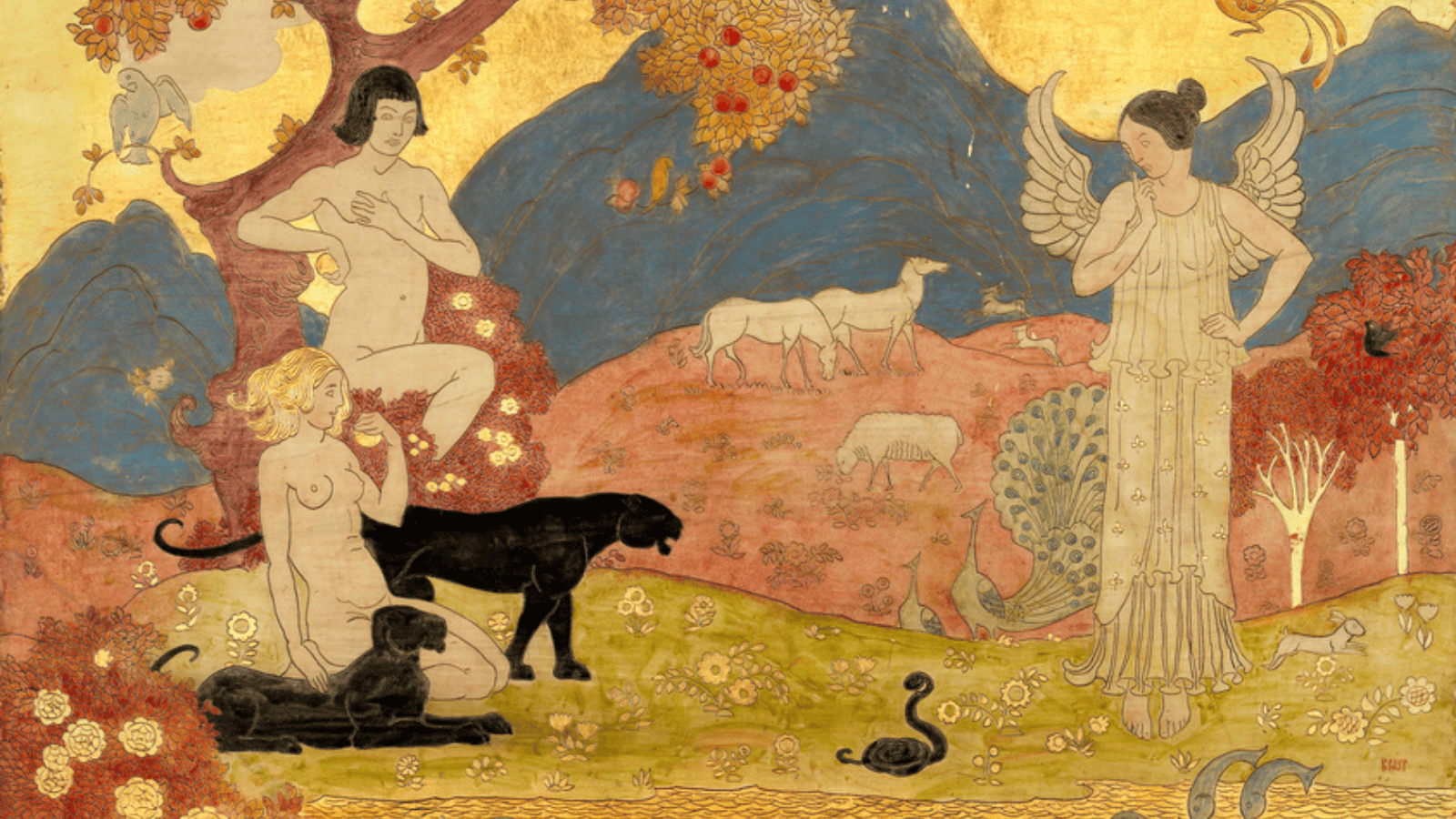
The classic Sunday school story about Eve being made from Adam’s rib is a bit of a stretch. The Hebrew word used in Genesis 2:21 is tsela, which means “side” or “half” in almost every other biblical context.
For instance, the Ark of the Covenant has two tselas (sides), not ribs. Translating tsela as “side” suggests God took a whole side of Adam to make an equal partner. This makes much more sense of the biblical idea that marriage reunites two halves into “one flesh.“
The Christmas story may never have included an innkeeper
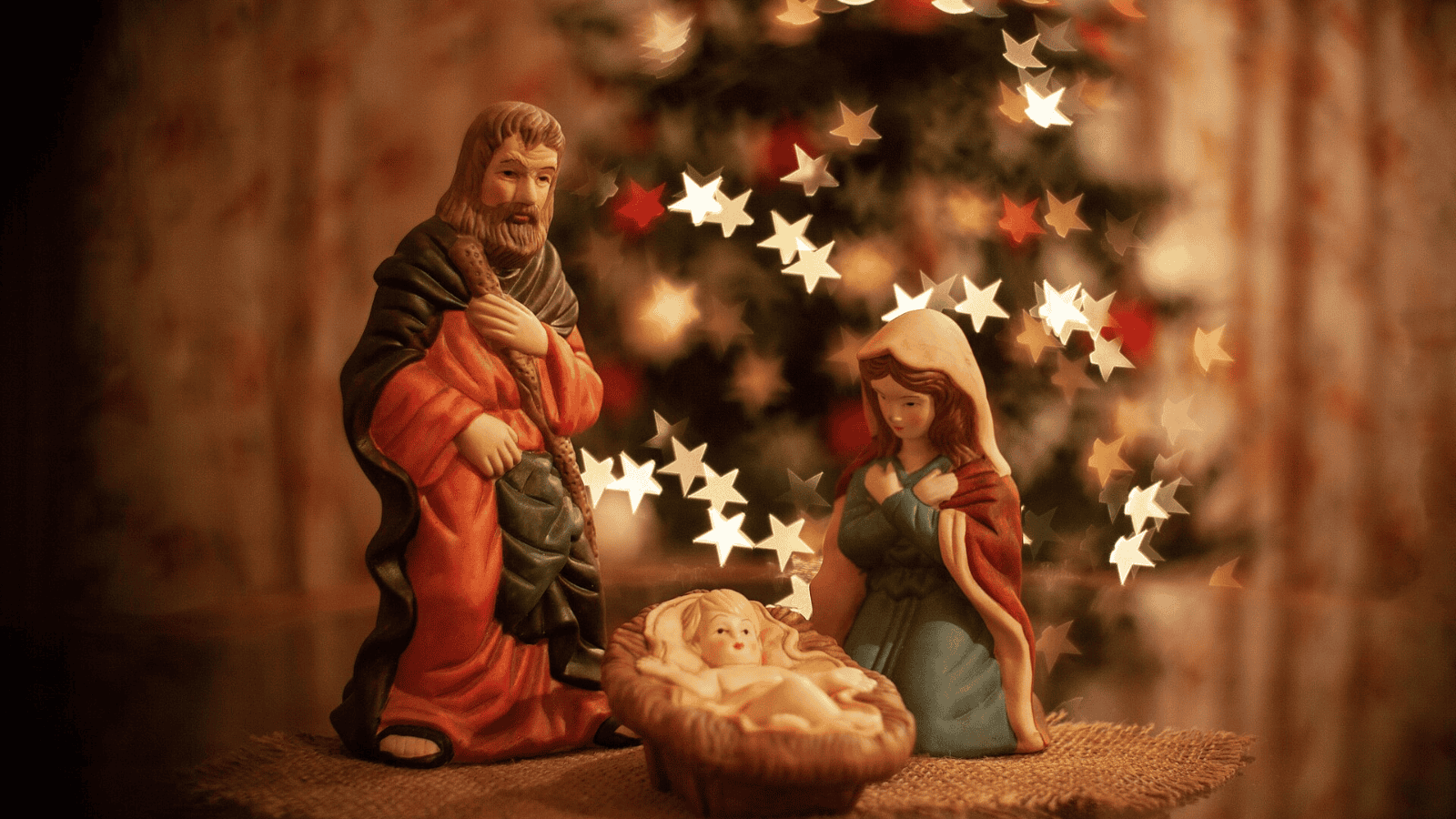
The famous Christmas story drama about a packed commercial inn is a total misunderstanding. The Greek word katalyma in Luke 2:7 actually translates to a “guest room” or “upper room” in a private family home. When Luke wanted to talk about a commercial inn, he used the Greek word pandocheion.
Joseph and Mary were likely staying with relatives whose guest rooms were already completely full. She simply gave birth in the main family room where domestic animals were kept.
“Thou shalt not kill” isn’t the best translation

The broad commandment “thou shalt not kill” has caused massive debates over pacifism for centuries. However, the original Hebrew verb is ratza, which specifically means “murder.” This verb refers strictly to the unlawful, intentional killing of another human being.
Ancient Hebrew law clearly permitted killing in self-defense and during warfare. Translators turned a specific ban on murder into a broad, confusing anti-killing rule.
The Bible doesn’t say money is the root of all evil

A very common phrase blames cold, hard cash for the world’s problems, but that is a misquotation of 1 Timothy 6:10. The original Greek text actually warns that the love of money is a root of all kinds of evil.
Money itself is viewed as a neutral tool throughout the scriptures. This translation slip-up mischaracterized a warning about personal greed as a blanket condemnation of currency.
How “Lucifer” became a name for the devil

The terrifying name “Lucifer” entered the popular vocabulary through a Latin translation of Isaiah 14. The original Hebrew word is helel, which means “shining one” or “morning star.” The prophet was referring mockingly to a prideful human king of Babylon, not to a fallen angel.
The Latin Vulgate translated helel as Lucifer, which literally means “light-bringer.” Over time, people mistakenly turned this descriptive Latin term into a proper name for the devil.
How Junia went from female apostle to “Junias”

For centuries, translators quietly erased a prominent female leader from the New Testament. In Romans 16:7, the Apostle Paul praises a woman named Junia as “prominent among the apostles.” Early church fathers universally recognized her as a female leader.
Later translators could not accept a woman in such a high role, so they added an “s” to make it “Junias.” This simple edit successfully rebranded a powerful female apostle as a male companion.
The translation that gave Moses horns
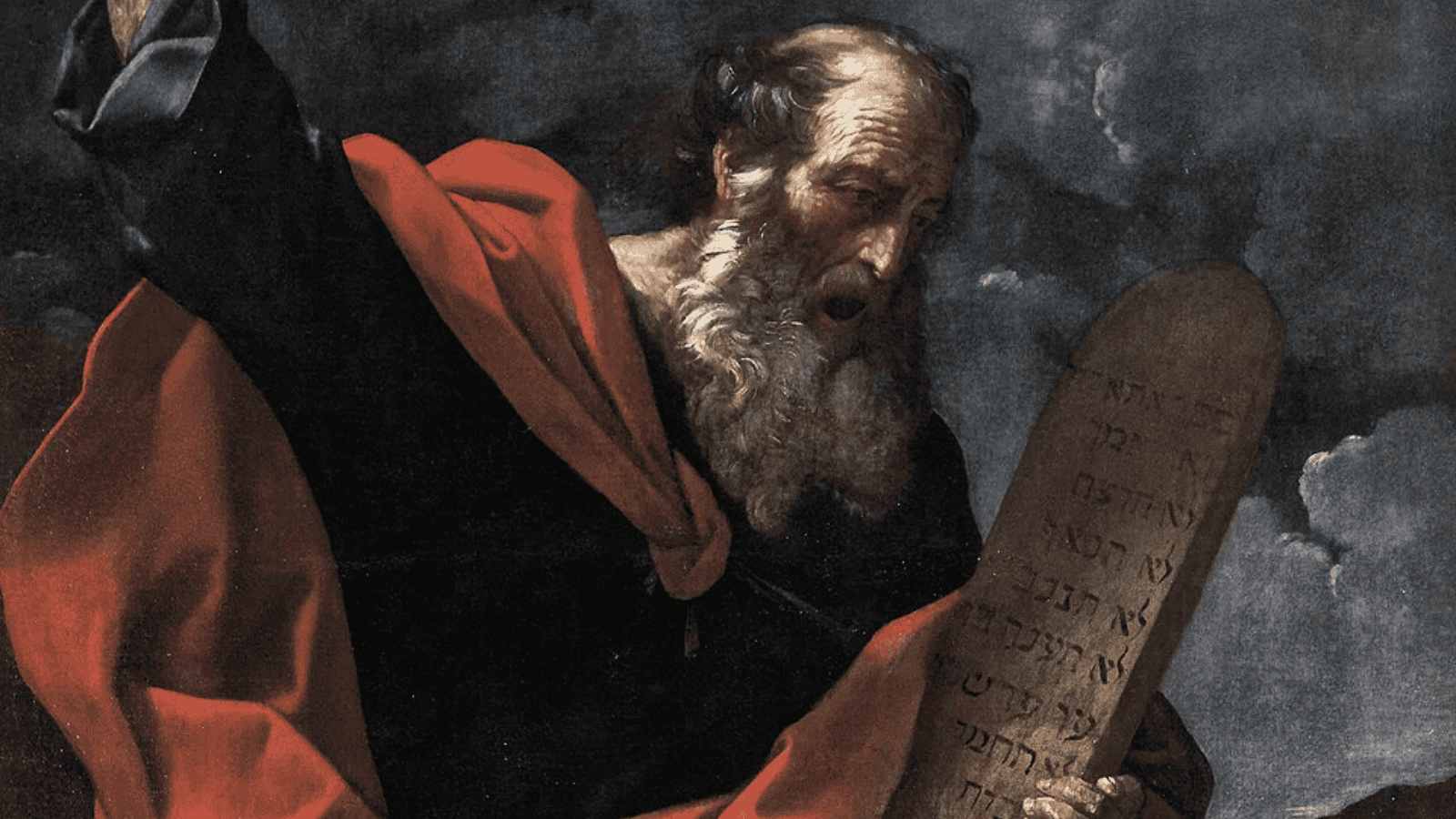
One of the most hilarious blunders in translation history gave Moses a literal set of horns. When Saint Jerome translated the Bible into Latin in 406 AD, he stumbled over the Hebrew word qaran in Exodus 34:29. The word means “shining” or “emitting rays,” but shares a root with the word for “horn.”
Jerome translated it to cornuta, meaning “horned,” because he viewed horns as a symbol of power. This blunder was so famous that Michelangelo even sculpted Moses with physical horns.
Key takeaway
Linguistic slips, theological biases, and simple printer mistakes have heavily shaped the modern English Bible over centuries. Knowing these errors does not ruin the book, but it certainly helps clarify what the original writers were actually trying to say.
You may also want to read:
- 12 Ancient Prophecies That Seem To Reflect Modern Life
- 10 Lessons From The Bible That Make Sense Even Outside Religion
- 12 People God Welcomes and Those He Turns Away