Why would I bring kids into this? — 12 beliefs fueling population decline
It’s a question that has taken on new weight in today’s world: Why would I bring kids into this? For many young adults, the answer lies at the intersection of economics, shifting personal priorities, and a persistent anxiety about the future. Rising housing costs, mounting student debt, career pressures, and environmental fears aren’t just abstract worries. They are shaping the very decisions around family planning.
Global surveys, including UNFPA’s 2025 report, show that nearly one in five adults is choosing to have fewer or no children because of these realities. This is the backdrop to the modern fertility landscape, a story that is deeply personal yet powerfully global.
My future is too financially unstable

Money has become a defining factor in family planning. In the U.S., a 2024 Milbank Quarterly analysis links fertility decline directly to economic pressures like stagnant wages, recessions, student debt, high childcare costs, and rising housing and health insurance expenses.
Across the UK, the Resolution Foundation’s 2026 research finds that many late-twenties adults remain living with parents due to financial uncertainty, with nearly a third of women citing money as the reason they delay children.
UNFPA’s “Real Fertility Crisis” survey further shows that 39% of reproductive-age adults across 14 countries say finances limit their ability to have the number of children they want, highlighting how monetary constraints are shaping life choices worldwide.
Kids are an unaffordable luxury

Beyond broad economic stress, children themselves feel like a luxury purchase for many. In the U.S., raising a child to age 17 can cost over $200,000, and economist Mike Walden notes that the rising cost, coupled with obligations like supporting aging parents, discourages young adults from parenthood.
Population health research underscores the opportunity cost of lost labor force time and direct childcare and healthcare expenses, often nudging couples toward fewer or no children. The UNFPA–YouGov survey shows that nearly one in four adults has felt unable to have a child at their preferred time because the numbers simply do not add up.
Housing and stability come first

A stable home is no longer a backdrop to parenthood; it’s a prerequisite. The Population Reference Bureau observes that delayed marriage and household formation are now core drivers of lower birth rates. In the UK, non-graduate young adults are more likely to live with parents or rent in high-cost areas, with the rise of late-20s women without children tied directly to this trend.
Research also shows that residing in an expensive housing market can delay first births by three to four years, even after accounting for education and other factors. For many, the belief “I can’t have kids until I can afford my own place” isn’t just a phrase. It’s a lived reality that dictates timing.
I just don’t want kids

Sometimes the simplest answer is the most common. Pew Research Center data from 2018–2023 shows that among U.S. non-parents aged 18–49 who are unlikely to have children, 56–57% cite “just don’t want to” as their main reason.
A 2023–2024 Pew analysis reveals that 47% of under-50 adults without children now see parenthood as unlikely, with only a quarter rating having children as essential for a fulfilling life. Globally, higher-educated, higher-income individuals are increasingly opting for smaller or no families, reflecting a deliberate cultural shift in which parenthood is no longer assumed but chosen, or declined, consciously.
The world is too unstable and dangerous

Global uncertainty has become a tangible influence on family decisions. Roughly 9% of U.S. non-parents cite political or societal instability, and another 5% point to climate concerns. APA surveys find 30% of 18–34-year-olds without children are unsure about having them, while 18% say they do not want any, citing global conditions among the key reasons.
UNFPA’s 2025 report highlights that nearly one in five respondents globally reports fears about climate change, environmental degradation, pandemics, and wars as factors leading them to reduce their desired family size. For many, choosing not to have children feels like a rational response to an unpredictable world.
Climate change makes parenthood feel unethical

Environmental anxiety has emerged as its own factor. APA studies show that 39% of young people globally hesitate to have children because of climate fears. UNFPA surveys confirm that concerns over climate change and environmental degradation consistently rank among the top reasons for smaller family sizes.
Morning Consult and Pew polling, highlighted by the World Economic Forum, show a measurable share of U.S. non-parents directly cite these issues in family planning decisions. The ethical question of bringing children into a warming world is shaping both personal choices and broader demographic trends.
My career and self-actualization come first

Career ambitions and personal growth often take precedence over parenthood. The Population Reference Bureau notes that higher education and professional engagement lead to delayed marriage and births. Many adults who desire two or three children postpone family formation to protect career opportunities or wait for a supportive partner.
With personal freedom, leisure, and self-actualization now competing for time and energy, it is unsurprising that delayed childbearing has become a common trend among highly educated adults globally.
Relationships and partners are too fragile

Parenthood is not undertaken in isolation; stable partnerships are key. Delayed marriage, cohabitation, and concerns about co-parenting stability all shape family planning choices. The Population Reference Bureau notes that the presence of a committed partner is a major determinant of childbearing, and Resolution Foundation research from the UK reinforces that many adults postpone children until both housing and relationship stability are secured.
Without these foundations, the decision to have children often remains on hold, reflecting a reality that is as social as it is personal.
Work and family don’t mix in a fair way
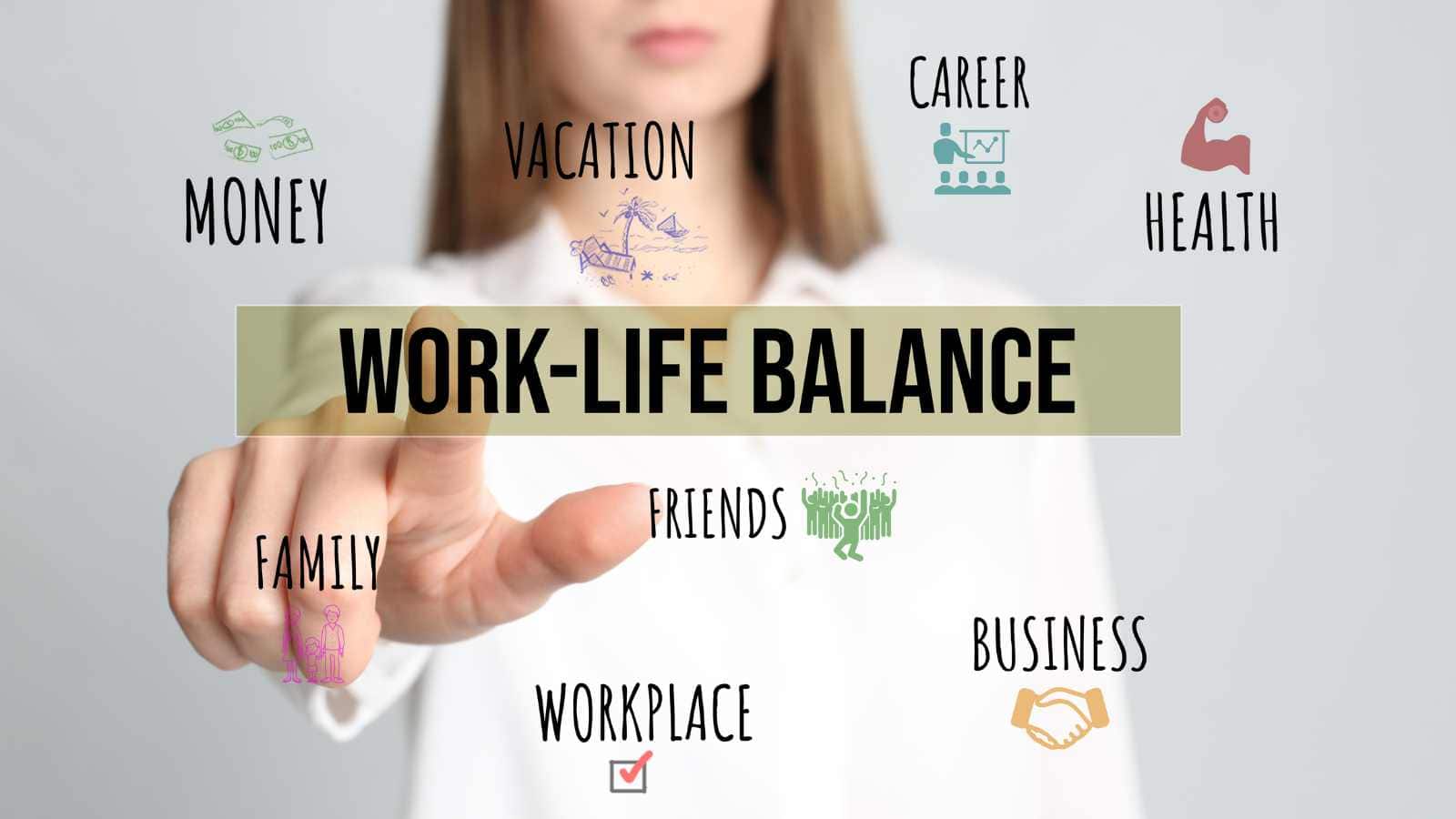
Inequitable domestic labor and inflexible work environments discourage parenthood, especially for women. Milbank Quarterly research links lower fertility to gendered caregiving burdens and rigid employment structures, while Population Reference Bureau studies find that fertility rises when men share more domestic responsibilities and policies support work–family balance.
Anticipated career sacrifice and unequal caregiving often make “no children” feel like the safer, rational choice for many, highlighting how societal norms shape deeply personal decisions.
Contraception and autonomy give me options

Access to reliable contraception and abortion fundamentally shifts the default adult trajectory. Milbank Quarterly research traces the U.S. fertility decline of the 1970s to delayed marriage, contraceptive use, and expanded abortion access, creating a world where avoiding pregnancy became viable and sustained.
Today, UNFPA reports that reproductive autonomy allows adults globally to reflect personal priorities, choosing “I want to focus on my life first” or “I may never want children.” Autonomy makes opting out a legitimate, intentional decision rather than a fallback.
If I wait, biology might bail on me—but I’m still not ready
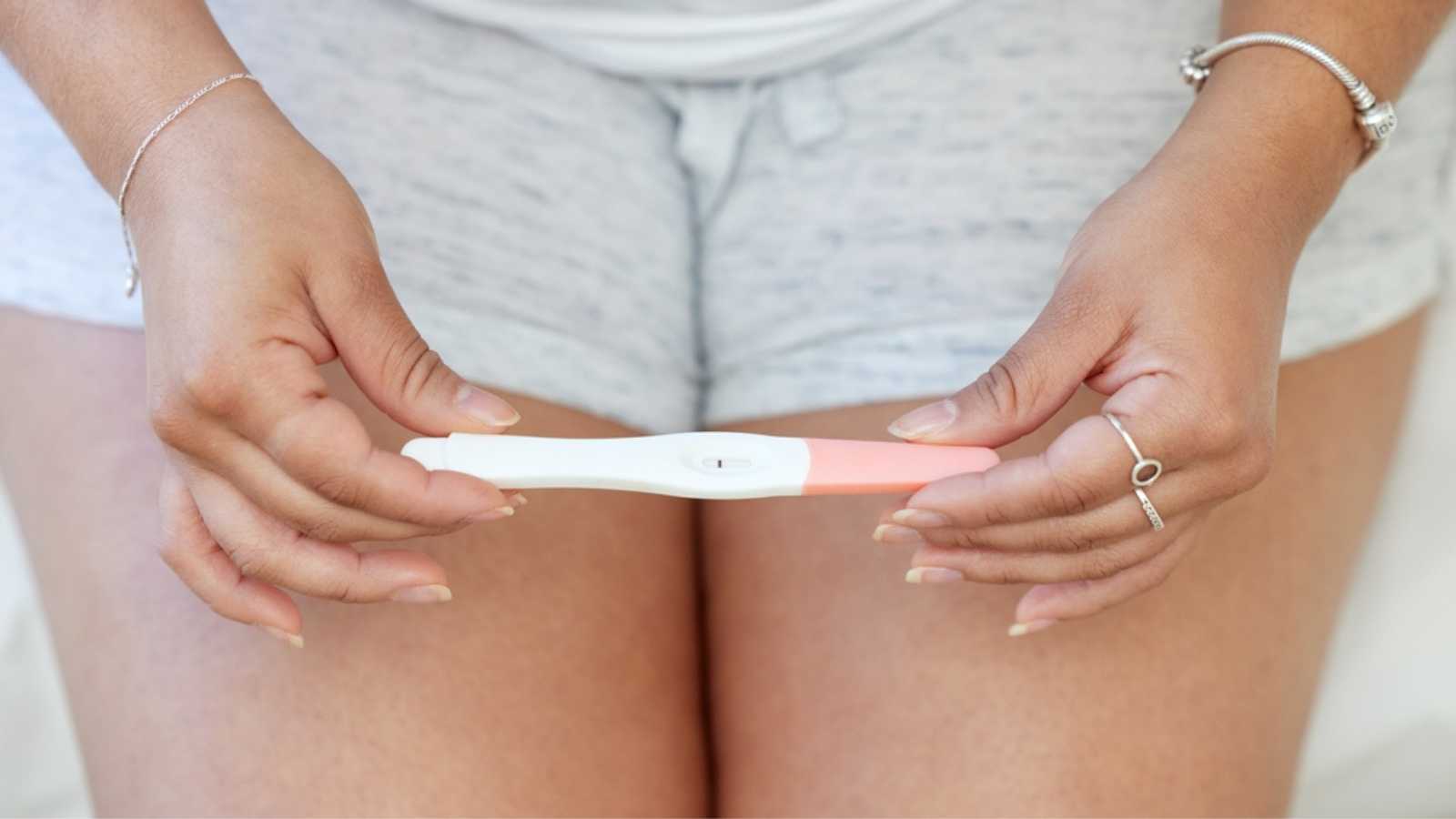
A paradox arises: many still want children but underestimate the impact of biological timing. Fertility and Sterility (2025) highlights accelerated fecundity loss in women after 35, largely complete by the early 40s. Delayed family formation reduces lifetime fertility, even as social norms make 30s parenthood feel standard.
The tension between personal readiness and biology is real, creating the challenge of wanting children while feeling unprepared.
Society is aging and unfairly balanced—and that scares me

Macro-level trends amplify personal decisions. Pew and PRB analyses show fertility below replacement in most regions, with shrinking future generations and strained social safety nets. Economists warn that low fertility exposes societies to unprecedented demographic aging, economic stagnation, and inequality.
For some potential parents, these broader dynamics reinforce the belief that bringing children into an overburdened society may be unwise, making “why would I bring kids into this?” a rational response to a complex world.
Parenthood is no longer the default life script

Taken together, these beliefs reveal a cultural shift: parenthood is optional, not inevitable. Pew data shows younger cohorts planning fewer children than previous generations, with multiple paths to a “good life” that don’t require kids.
In the U.S., the average planned family size among adults in their 20s and 30s dropped from 2.3 in 2012 to 1.8 in 2023. UNFPA and PRB analyses highlight that declining fertility reflects both constraints and shifting priorities (careers, education, personal freedom), making “why would I bring kids into this?” a socially acceptable and increasingly common answer.
Disclaimer – This list is solely the author’s opinion based on research and publicly available information. It is not intended to be professional advice.
Like our content? Be sure to follow us