12 facial signs that may indicate health problems
Your face can gossip before your body speaks. A tiny shift around your eyes, lips, cheeks, or skin tone can look like a beauty issue at first, then become a helpful health clue. The MSD Manual says that skin often serves as a marker for internal disease, meaning visible changes can sometimes point to endocrine, liver, immune, or digestive problems.
That matters for women, since hormones, anemia, autoimmune disease, sleep loss, and stress can show up on the face in sneaky ways. This article does not replace a doctor, but it can help you notice patterns early. If a facial change lasts, spreads, causes pain, or comes with fatigue, fever, weakness, or breathing trouble, book a medical checkup fast.
Yellow skin or eyes
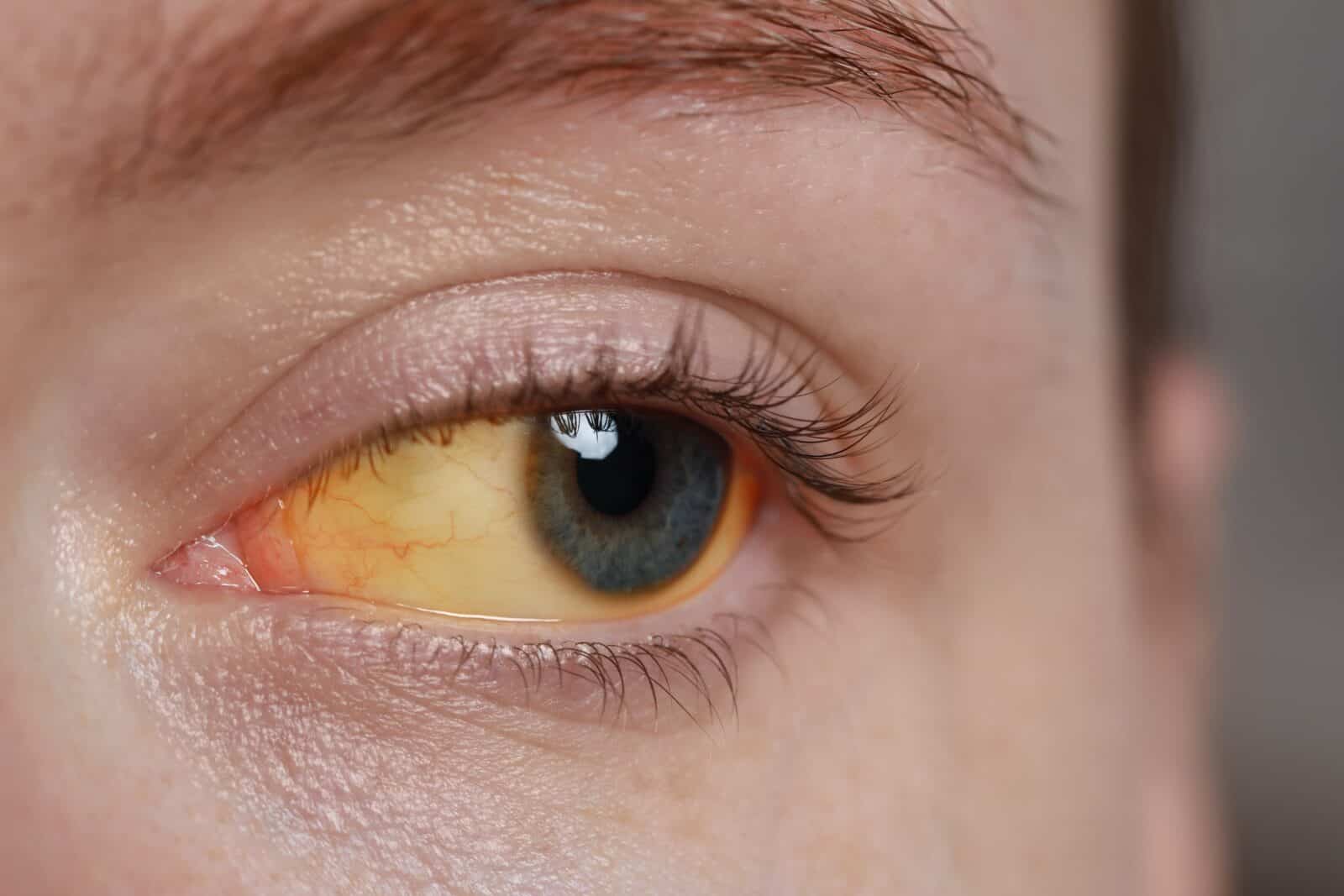
A yellow tint in the eyes or face can look subtle at first, especially under warm bathroom lighting. Doctors call this jaundice, and it often happens when bilirubin builds up in the body. Liver infections, bile duct problems, gallbladder disease, and some blood disorders can trigger that color shift.
The CDC’s 2023 viral hepatitis surveillance report recorded 101,525 newly reported chronic hepatitis C cases in the United States, and the CDC lists yellow skin or eyes among hepatitis C symptoms.
Pay attention if yellowing appears with dark urine, pale stools, nausea, belly pain, deep itching, or heavy fatigue. Makeup, lighting, and self-tanner can fool the mirror for a day, but true yellowing tends to stay. A healthcare professional can check bilirubin and liver enzymes with blood tests.
Puffy eyes
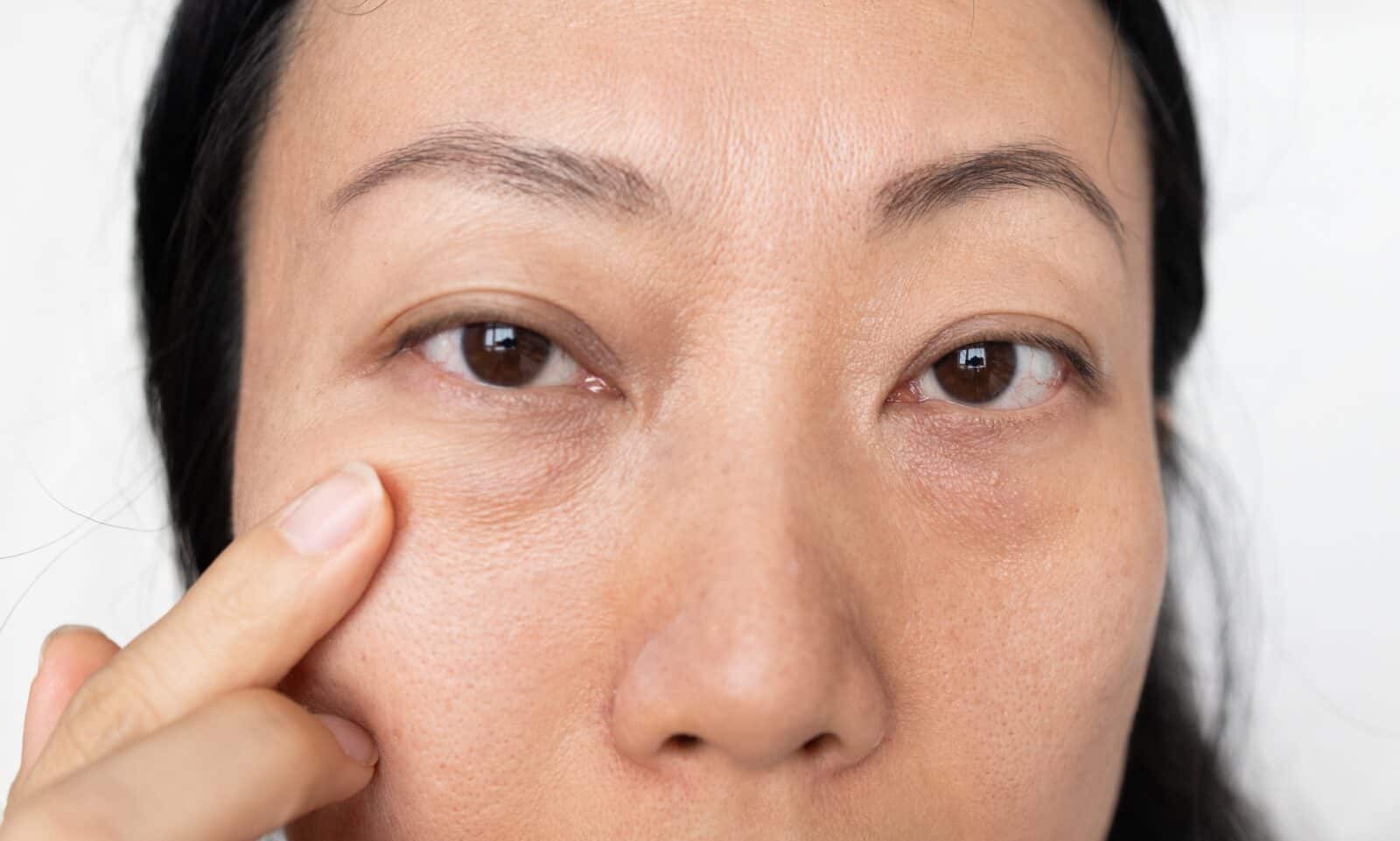
Puffy eyes after salty takeout, tears, or a late night usually calm down by midday. Ongoing puffiness tells a different story, especially if the swelling sits around both eyelids. The kidneys help remove excess fluid, so kidney trouble can cause fluid to accumulate in tissues instead. The CDC’s March 2026 kidney report estimates that 14% of U.S. adults, about 37 million people, have chronic kidney disease.
That does not mean every swollen eyelid points to kidney disease, because allergies and sinus irritation can also puff up the face. Watch for foamy urine, rising blood pressure, ankle swelling, or unusual tiredness. If the puffiness sticks around after rest and hydration, ask for a urine test and basic blood work.
Dark circles
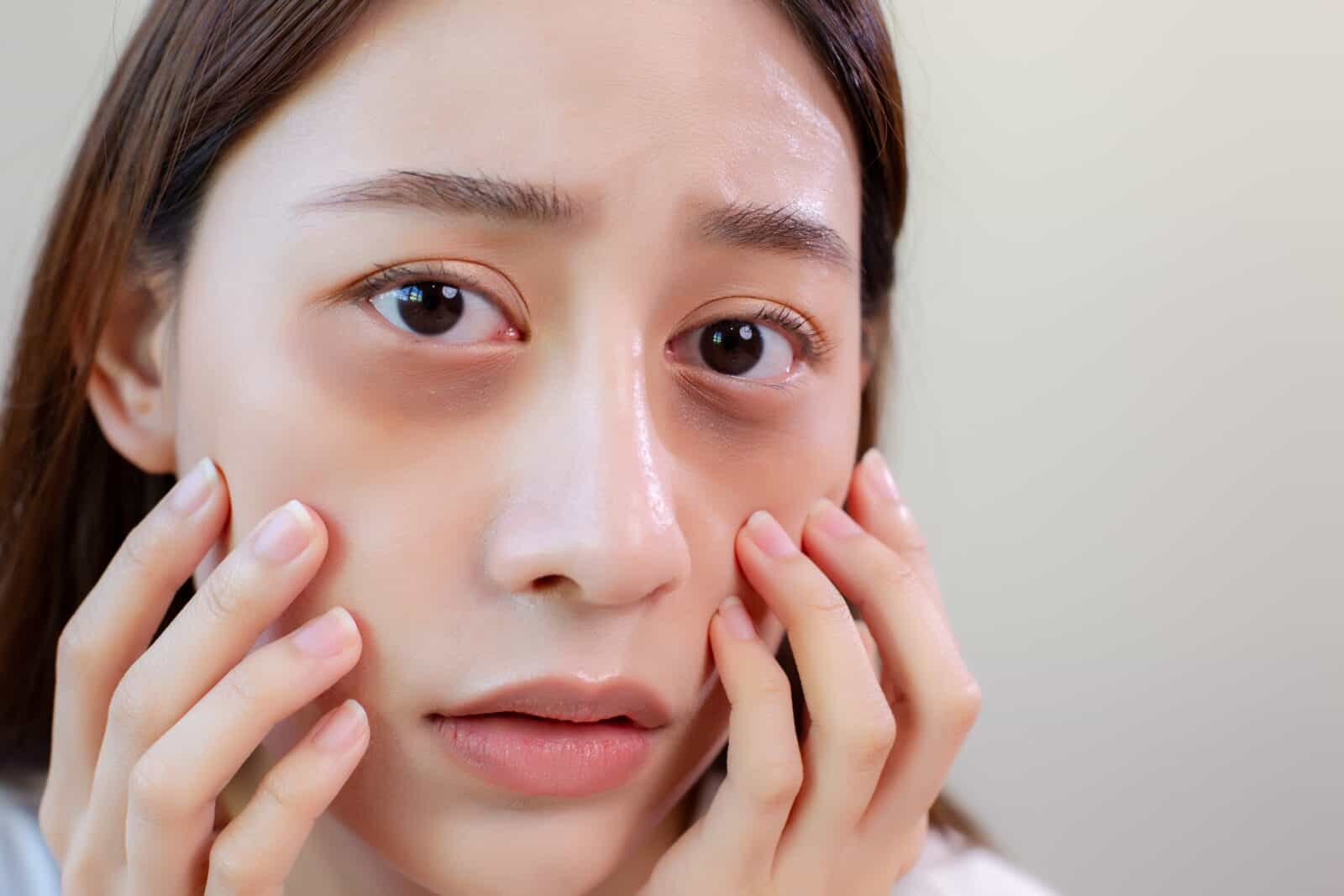
Dark circles often appear after a rough night, but they can also signal sleep strain, allergies, dehydration, or changes in circulation. Cleveland Clinic explains that poor sleep can make the under-eye area look paler, allowing blood vessels to show through more clearly. The CDC reported that 30.5% of U.S. adults slept less than seven hours on average in 2024, and women reported more trouble staying asleep than men.
That sleep gap can turn the under-eye area into a tiny billboard for burnout. Still, new or worsening circles deserve attention if they pair with heavy fatigue, dizziness, hair loss, shortness of breath, or weight changes. Those symptoms can point toward anemia, thyroid problems, or other issues. A simple lab panel can give clearer answers than another expensive eye cream.
New facial hair
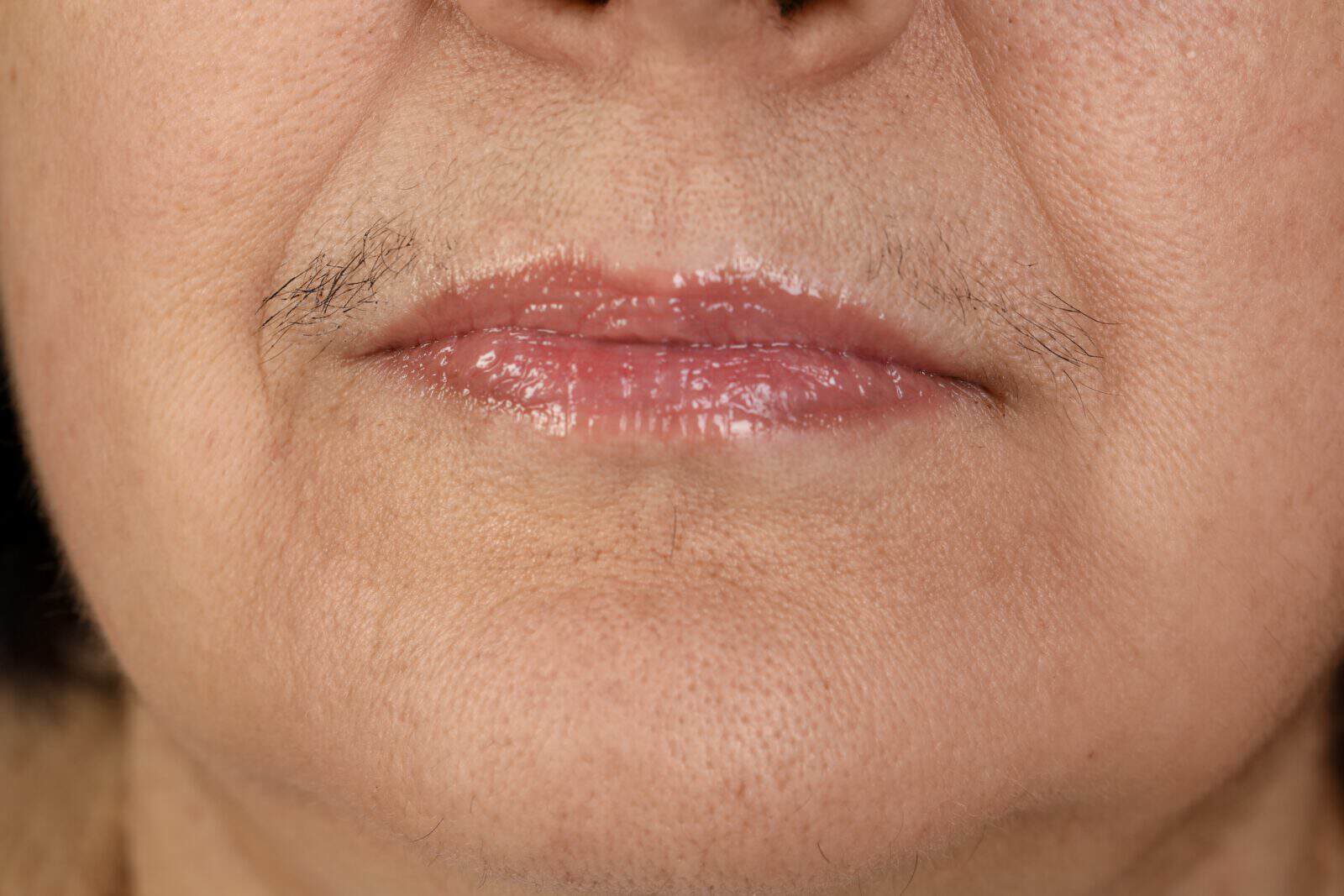
A few chin hairs can happen with age, genetics, or normal hormone shifts. Coarse hair that grows more quickly on the chin, upper lip, jawline, chest, or belly can indicate higher androgen levels. The World Health Organization’s 2026 PCOS fact sheet says polycystic ovary syndrome affects an estimated 10% to 13% of reproductive-aged women and can cause excess facial or body hair, acne, irregular periods, and infertility.
That makes new facial hair more than a grooming annoyance for some women. Track your cycle, acne flares, weight changes, and scalp thinning. A gynecologist or endocrinologist can test hormones and screen for PCOS, thyroid disease, or adrenal causes. Hair removal can help boost confidence, but diagnosis can protect long-term health.
Facial drooping
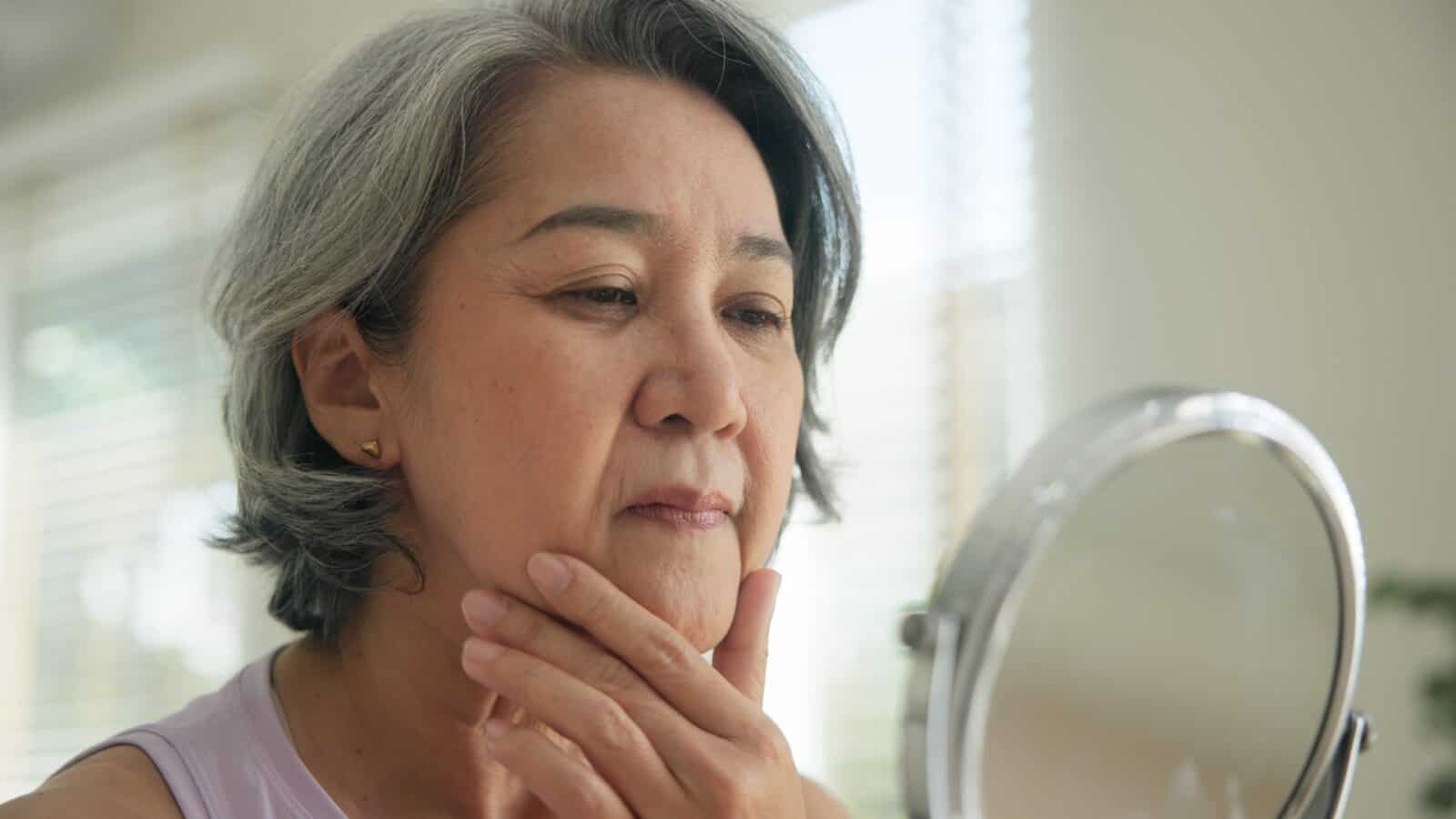
A suddenly uneven smile needs urgent attention. Facial drooping on one side can signal a stroke, especially if it occurs with arm weakness, speech trouble, confusion, vision changes, or loss of balance. The American Heart Association’s 2026 update notes that about 800,000 people in the United States experience a stroke each year.
Bell’s palsy can also cause one-sided facial weakness, but you should never guess at home. Time protects brain tissue during a stroke. If someone’s smile suddenly sags, treat it like an emergency and call for help.
Pale skin
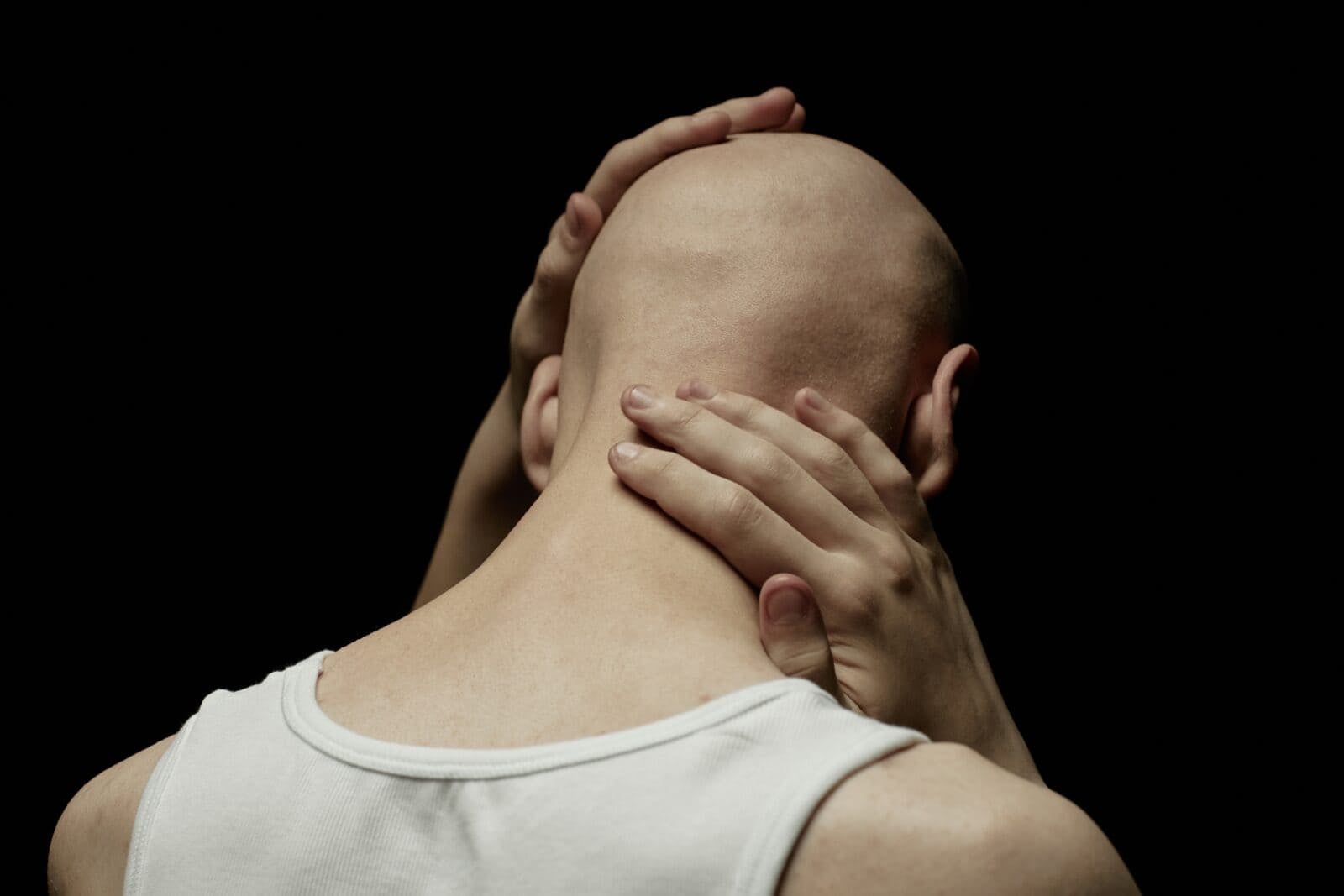
A washed-out face can follow a stressful week, but steady paleness deserves a closer look. Anemia can make the skin, lips, gums, and inner eyelids look lighter because the body lacks enough healthy red blood cells or hemoglobin.
Watch for fatigue that feels bigger than your schedule, dizziness, cold hands, headaches, shortness of breath, or a racing heart. A clinician can order a complete blood count and iron studies. Treatment may involve dietary changes, supplements, or more extensive testing for blood loss.
Butterfly rash
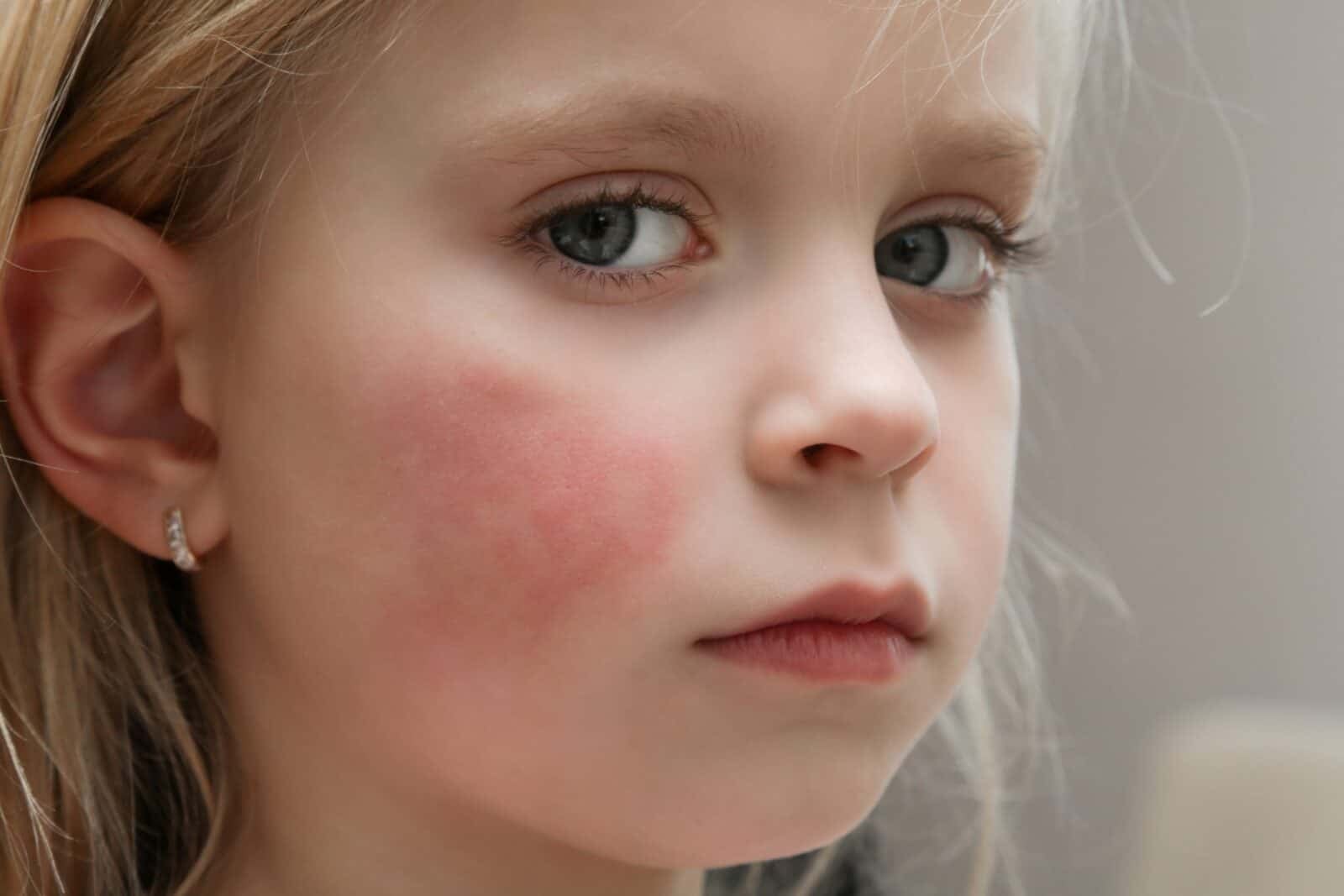
A red rash across the cheeks and the bridge of the nose can look like sunburn, blush, or irritation from skincare products. A butterfly-shaped rash that repeats, lingers, or flares after sunlight can point toward lupus. The Lupus Foundation of America reports that 90% of people living with lupus are women, and many develop it between the ages of 15 and 44. That makes this sign especially relevant for a women-centered audience.
Lupus can also bring joint pain, mouth sores, hair thinning, chest discomfort, fevers, and deep fatigue. Take photos of the rash in natural light and note sun exposure, new products, and pain levels. A primary care doctor, dermatologist, or rheumatologist can order tests and review the full pattern.
Cracked lips
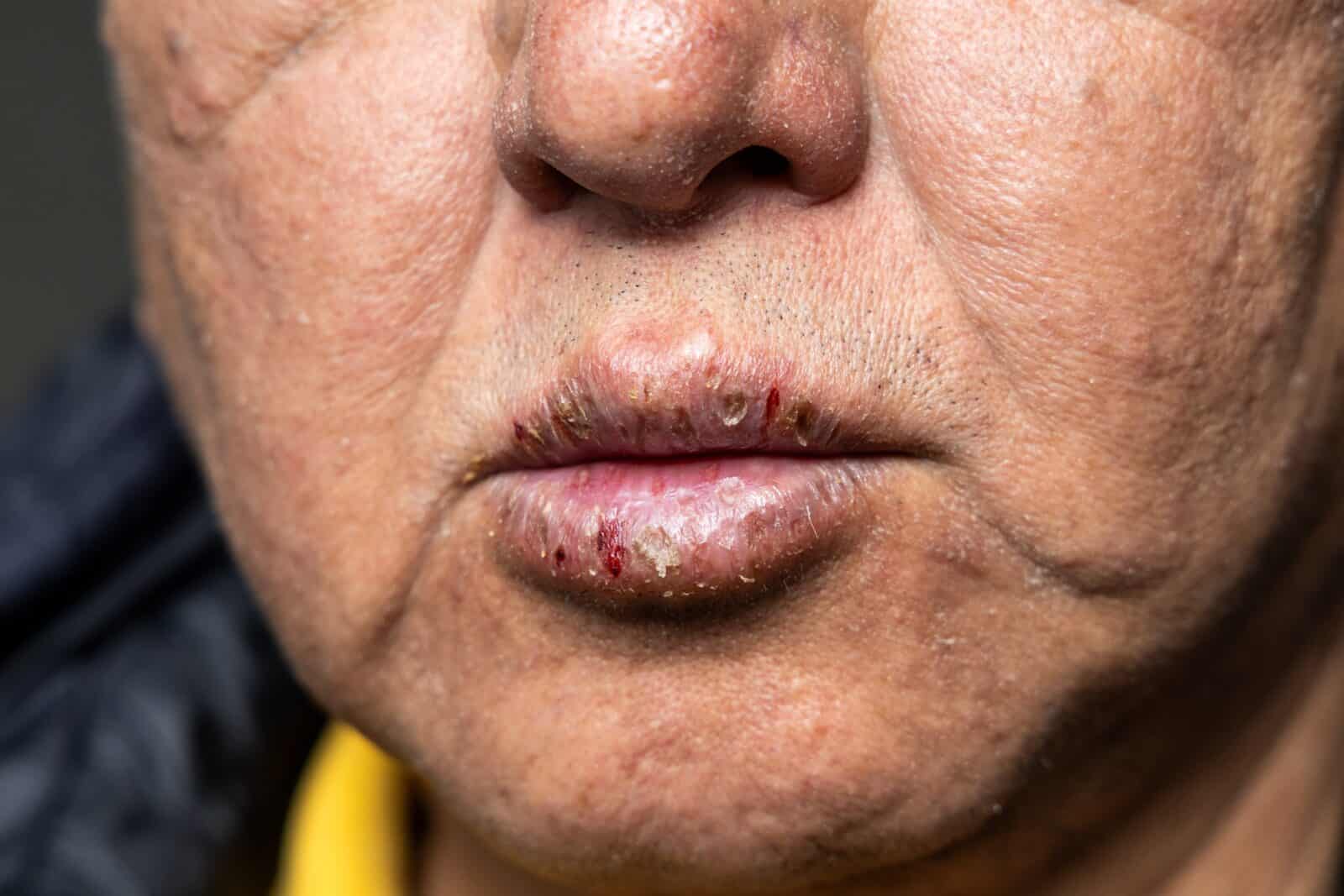
Chapped lips can be caused by wind, dry air, matte lipstick, or too much lip licking. Persistent cracking, peeling, bleeding, or painful splits at the corners of the mouth can indicate dehydration, irritation, infection, or nutrient deficiencies.
If a balm makes your lips burn, stop using it and switch to a gentle ointment. See a clinician if cracks last for weeks, bleed frequently, or are accompanied by mouth sores. Your lips may need more than shine.
Facial flushing
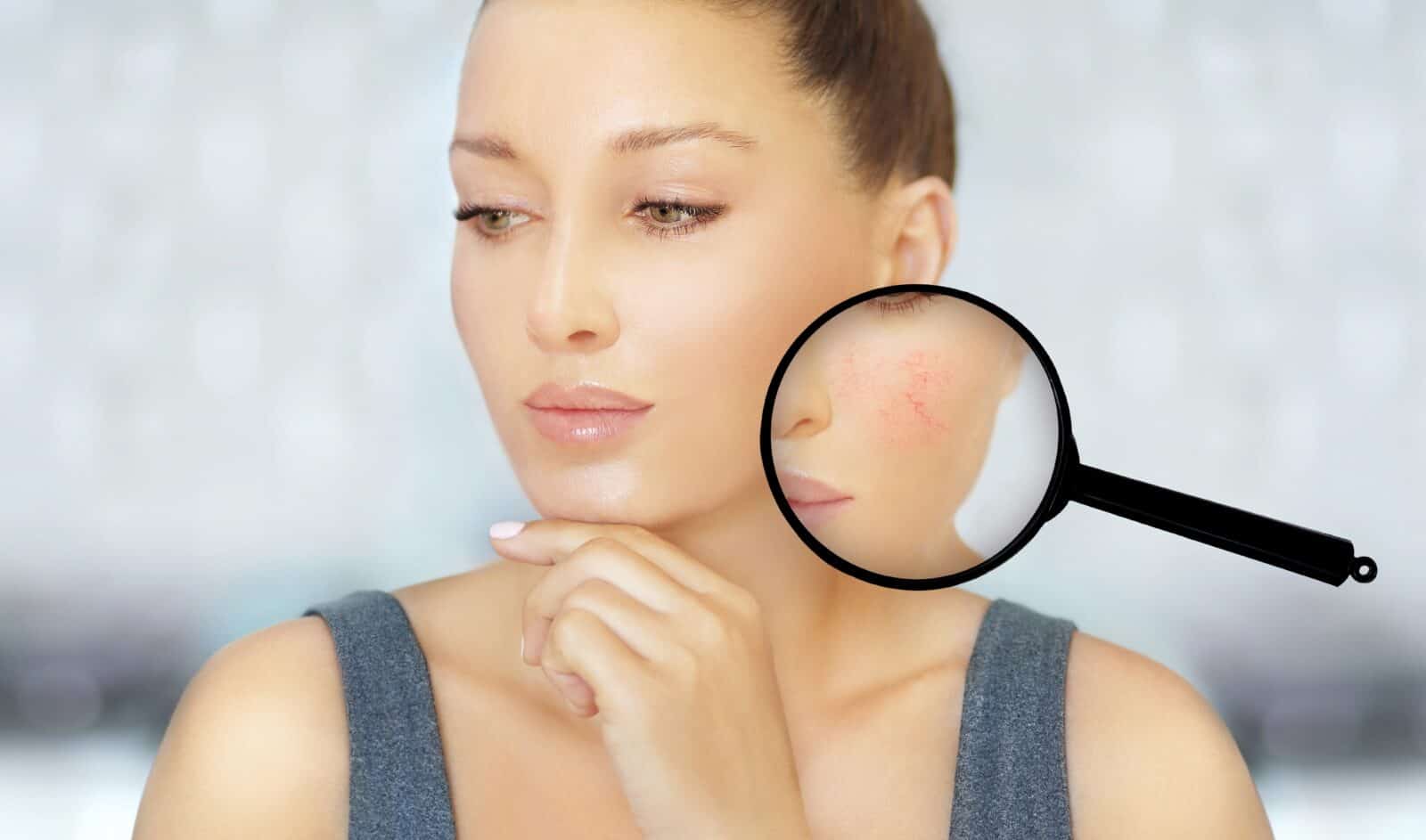
A hot red face can pop up after spicy food, alcohol, stress, exercise, or a steamy shower. Repeated flushing that settles on the cheeks, nose, chin, or forehead can suggest rosacea. The American Academy of Dermatology says rosacea affects at least 14 million U.S. adults and often appears as easier blushing or flushing.
Many women notice flares around heat, sun, wine, fragrance, harsh skincare, or hormonal changes. Long-term redness can bring visible tiny blood vessels, stinging, bumps, or irritated eyes.
Keep a trigger diary for 2 weeks, including foods, drinks, weather, skincare, workouts, and stress. A dermatologist can calm inflammation and help prevent the redness from becoming harder to control.
Drooping eyelids
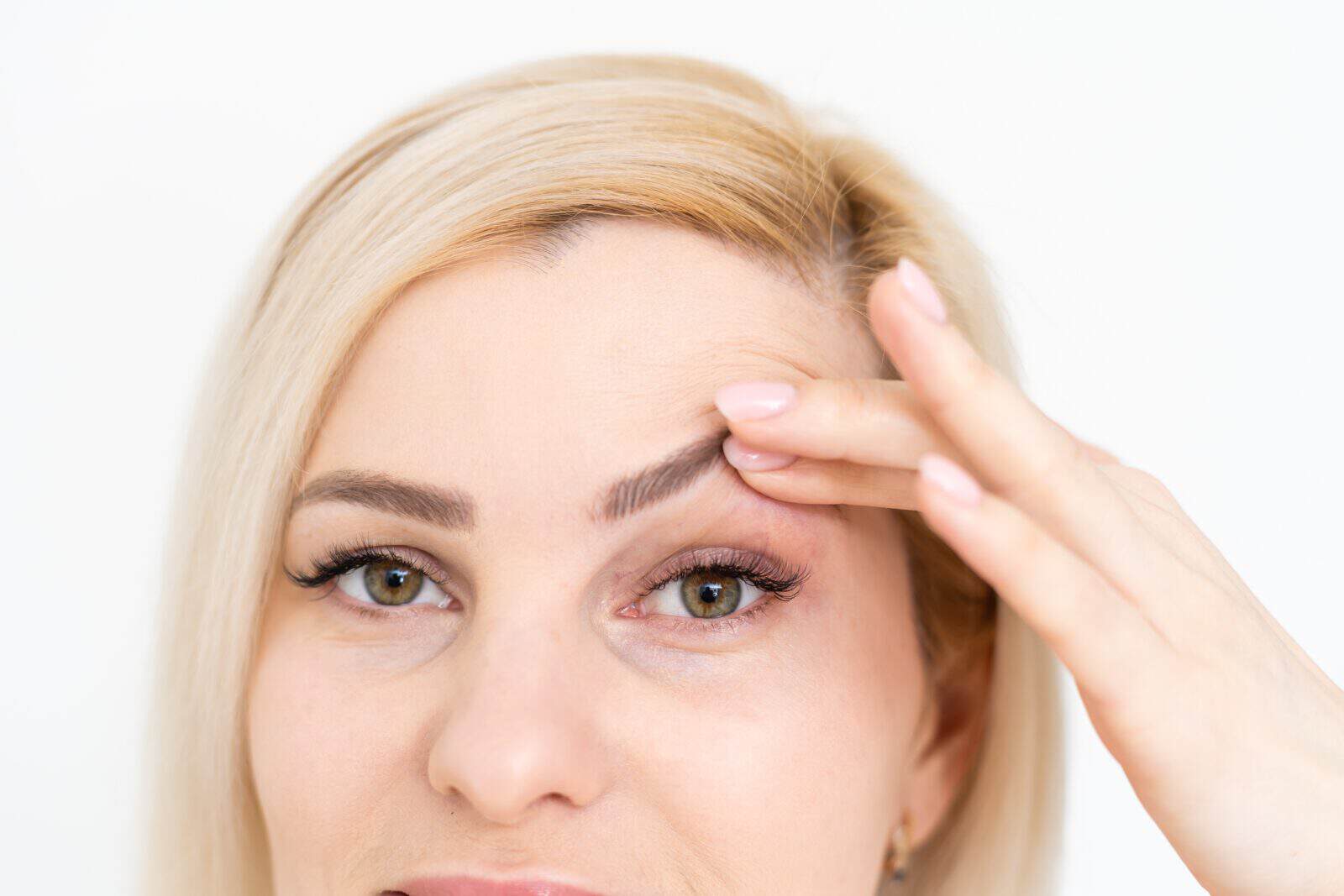
Heavy eyelids can come from aging, allergies, or a long day in front of a screen, but new drooping needs attention. Doctors call eyelid drooping ptosis, and it can indicate nerve or muscle problems. Mayo Clinic says more than half of people with myasthenia gravis first notice symptoms in the eye muscles, including drooping eyelids or double vision.
This condition can make muscles weaken with use and improve after rest. Call a clinician if one eyelid drops lower than the other, if the droop worsens over the course of the day, or if double vision occurs. Seek urgent care if ptosis arrives with slurred speech, severe headache, weakness, swallowing trouble, or breathing trouble. Tired eyes should improve, but nerve symptoms need answers.
Swollen cheeks or jaw
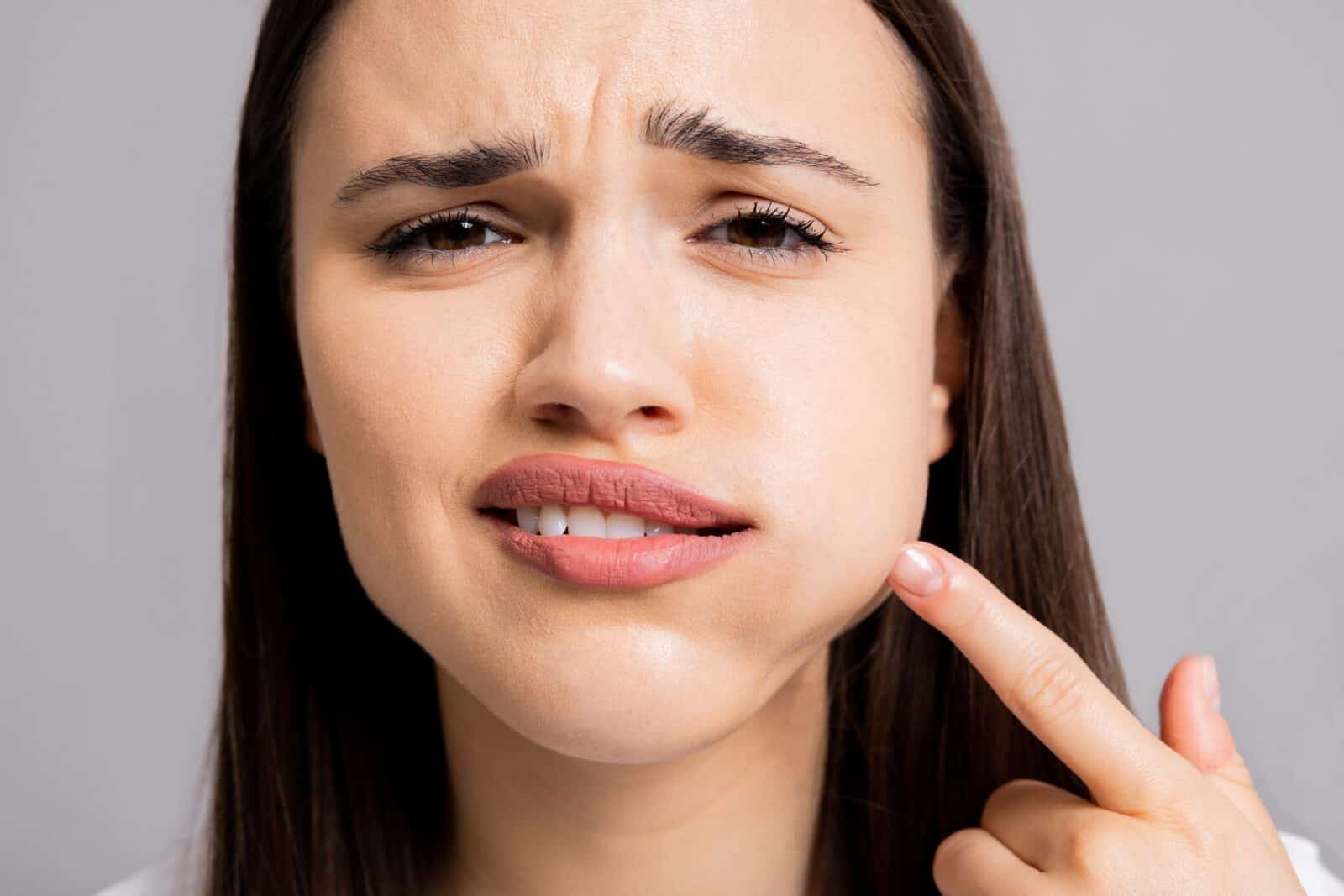
Swelling in the cheeks or jaw can start as a toothache, a tender gum, a clogged salivary gland, or an infection. Do not brush it off if the area feels warm, painful, tight, or one-sided.
Dental infections can spread into the jaw and deeper neck spaces, so same-day care matters. Watch for a bad taste, swollen lymph nodes, fever, or throbbing pain at night. A dentist or urgent care clinician can drain, treat, and protect the area.
Skin discoloration
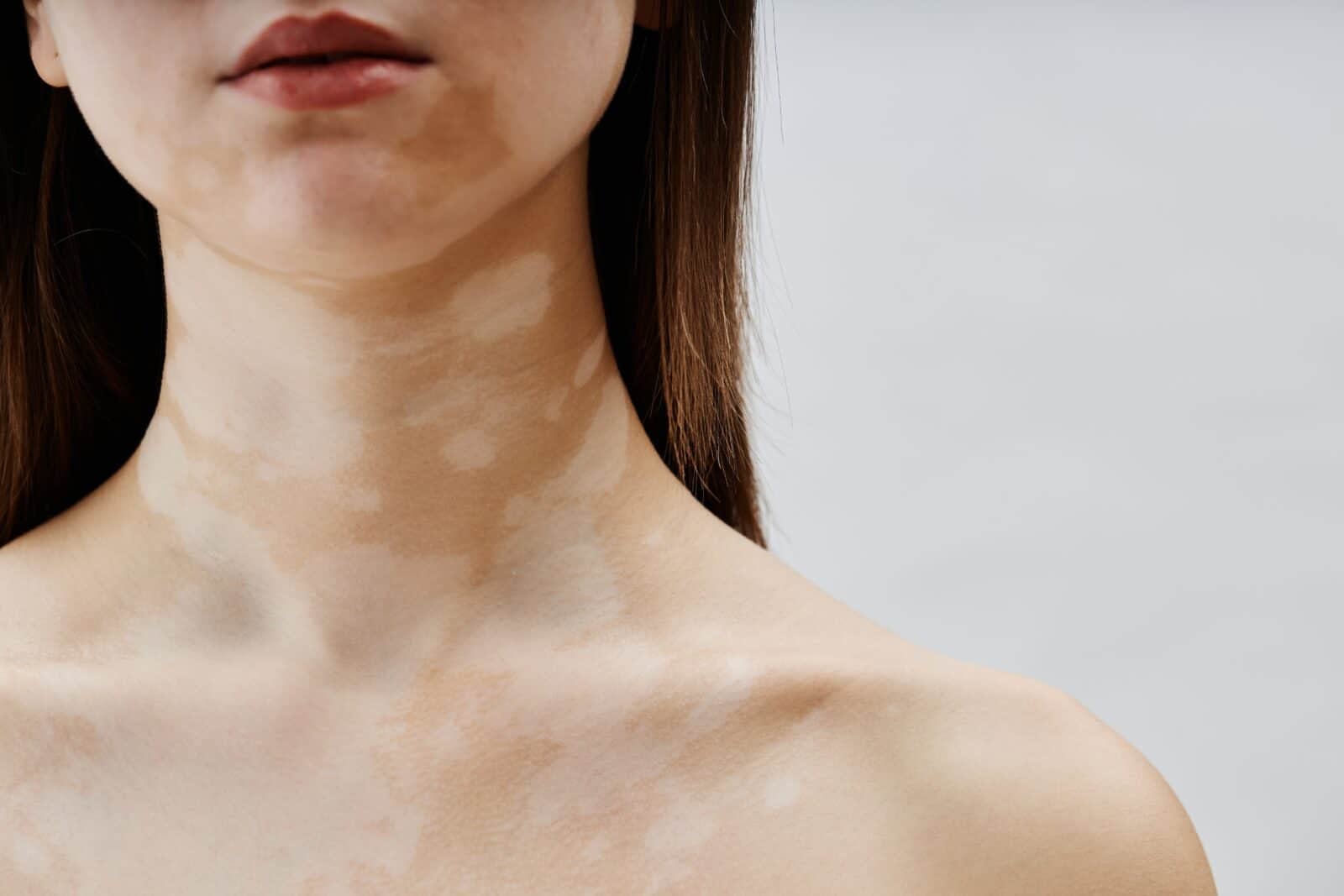
New patches of darker gray-brown or velvety skin can look like stubborn hyperpigmentation, but the pattern matters. Melasma often appears on the cheeks, forehead, chin, or upper lip, and the American Academy of Dermatology says women with medium- to dark-toned skin are at higher risk.
Mayo Clinic notes that acanthosis nigricans can signal an underlying condition and should be evaluated if changes appear suddenly. Track the location, texture, speed of change, and family history. A clinician may check blood sugar levels, hormone levels, thyroid function, or signs of adrenal dysfunction.
Key takeaway

Your face can offer friendly hints, not final diagnoses. Yellow eyes, sudden drooping, stubborn puffiness, a butterfly rash, new coarse facial hair, ongoing paleness, cracked lips, and spreading discoloration warrant attention, as they can indicate liver, kidney, blood, hormonal, immune, dental, or nerve issues.
The smartest move is pattern tracking, because timing, triggers, pain, fatigue, fever, weakness, and fast changes give doctors useful clues. Seek emergency care for sudden facial drooping, trouble speaking, breathing trouble, trouble swallowing, severe swelling, or sudden vision changes. For slower changes, book a routine visit, bring photos, and ask for the right screening tests. A mirror cannot diagnose you, but it can help you notice when your body wants a little backup.
Disclaimer – This list is solely the author’s opinion based on research and publicly available information. It is not intended to be professional advice.
Like our content? Be sure to follow us.