12 facts behind the possible Noah’s Ark discovery
A ridge in eastern Turkey looks enough like a giant buried ship to make ancient history feel suddenly alive again.
That is the pull of the Durupınar formation, a boat-shaped site near Doğubayazıt and south of Mount Ararat, that has stirred speculation about Ark since it was first identified in 1959. From above, its outline seems almost too neat, like a vessel pressed into the earth and left there for centuries of wind, snow, and silence.
Recent headlines in 2025 and 2026 have poured fresh fuel on the mystery, pointing to ground-penetrating radar, unusual soil chemistry, and pottery fragments found near the site. But this is where curiosity needs a firm hand on the wheel. A shape is not a ship, an underground signal is not an artifact, and a viral headline is not peer-reviewed proof.
Gallup’s 2024 polling found that 37% of U.S. adults say God created humans in their present form within the past 10,000 years, which helps explain why claims about the Ark still land with such force. For many readers, this is not just dirt and rock. It is faith, science, history, and longing gathered around one strange ridge.
The “Boat Shape” Aligns With Biblical Dimensions
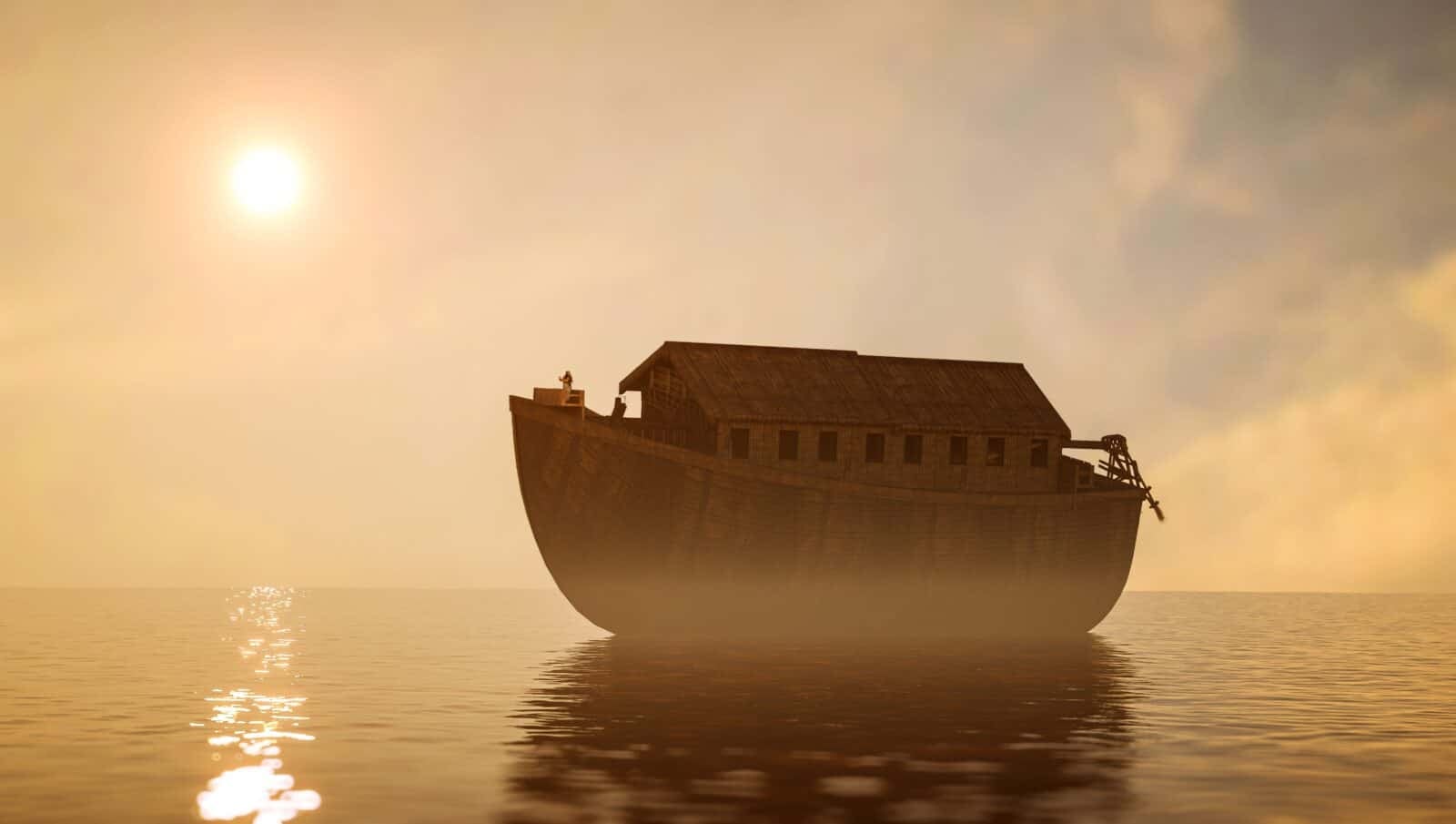
The first reason Durupınar keeps returning to the news is its uncanny outline. Supporters often describe the formation as roughly 515 to 538 feet long, close to popular conversions of the Genesis Ark’s 300 cubits, and the Jerusalem Post noted in 2026 that its dimensions are one reason the site has stayed in the public eye for decades.
That visual match is powerful because the human brain loves patterns, especially ones tied to a sacred story. But this is also where skepticism earns its keep. A ridge can resemble a hull because erosion, landslides, mudflows, and rock layers can produce curves and boundaries that look designed from the air.
The site’s scale may be interesting, but scale alone cannot show shipbuilding, timber, fasteners, tools, or human construction. The boat shape invites curiosity. It does not walk us all the way to proof.
Radar Scans Reveal Angular “Rooms” Up To 6 Meters Deep
Ground-penetrating radar is the technology that gives this story its modern spark. Reports on the 2025 Durupınar scans say the Noah’s Ark Scans team identified a long central feature, angular structures, possible corridors, and layers extending up to about 20 feet (roughly 6 meters) beneath the surface.
That sounds dramatic, and it should interest anyone who likes archaeology, mystery, or biblical history. Still, GPR is not a magic truth machine. It reads contrasts underground, including voids, fractures, moisture changes, mineral layers, bedding planes, and density shifts.
Those contrasts can look straight or room-like without being rooms. Andrew Jones of Noah’s Ark Scans told the Jerusalem Post, “The presence of hallways and room-like structures points to a man-made origin for the boat shape,” but that remains the project team’s interpretation, not a settled archaeological finding.
Until targeted excavation, core samples, and peer-reviewed analysis confirm the materials and structure, the radar story remains suggestive rather than decisive.
Soil Samples Show Elevated Organic Matter And Potassium

The soil evidence is one of the more intriguing claims because it moves beyond shape and into chemistry. In 2025, the Jerusalem Post reported that samples from the boat-shaped area showed readings that differed from those of the surrounding soil, including higher carbon and organic matter levels, elevated potassium levels, and a lower pH.
Jones argued that “rotting ancient wood” may be creating a distinct soil environment under the formation, a claim that makes believers lean forward. But chemistry is a clue, not a verdict.
Organic matter can come from many sources, including plant growth, buried soils, water movement, contamination, or local geological conditions. Higher potassium levels may matter, but they do not automatically indicate that ship timber has decayed.
A skeptical but fair reading is this: the soil appears different enough to deserve more testing, yet not specific enough to identify a giant ancient vessel. The next step would need controlled sampling, independent labs, clear maps, and published methods that outside experts can test.
Pottery And Material Dating Suggest Chalcolithic-Era Activity

Pottery can be a significant archaeological clue because ceramics often survive where wood, cloth, and bone do not.
In January 2026, the Jerusalem Post reported that pottery fragments found near the Durupınar formation had reignited debate, with Professor Faruk Kaya of Ağrı İbrahim Çeçen University stating that the shards indicated human presence between 5500 BC and 3000 BC.
That range sits in the Chalcolithic period, and supporters like it because it overlaps with some traditional flood timelines. But the careful wording matters. Pottery near a site can show that people lived, worked, passed through, or left material behind in the broader region. It does not prove the ridge is a ship.
A campsite near a strange hill does not turn the hill into a boat. Still, the pottery does raise the stakes for preservation. Kaya urged protecting the area and warned that visitors removing stones or marked fragments could damage clues needed for future research.
Marine Traces Hint At An Ancient Water Environment
Some reports say samples from around Durupınar contain marine or water-related materials, including clay-like deposits and possible shell or coral traces, which supporters frame as evidence that the site once sat in a major floodplain.
Popular coverage in 2025 described the formation as about 20 miles south of Mount Ararat and said researchers had discussed marine deposits and traces of shell-like material in soil samples. That sounds like a neat flood clue, but geology rarely gives neat answers.
Marine fossils and water-laid sediments can appear far above modern sea level because of tectonic uplift, ancient seas, volcanic activity, erosion, redeposition, and mountain-building over vast timescales. A water signature can tell us something happened in the landscape.
It cannot, by itself, tell us that Noah’s Ark is parked there. The evidence may support the idea that the region has a complex water and sediment history, but a regional water history is not the same as that of a preserved biblical vessel.
Anchor-Like “Drogue Stones” Add To The Narrative
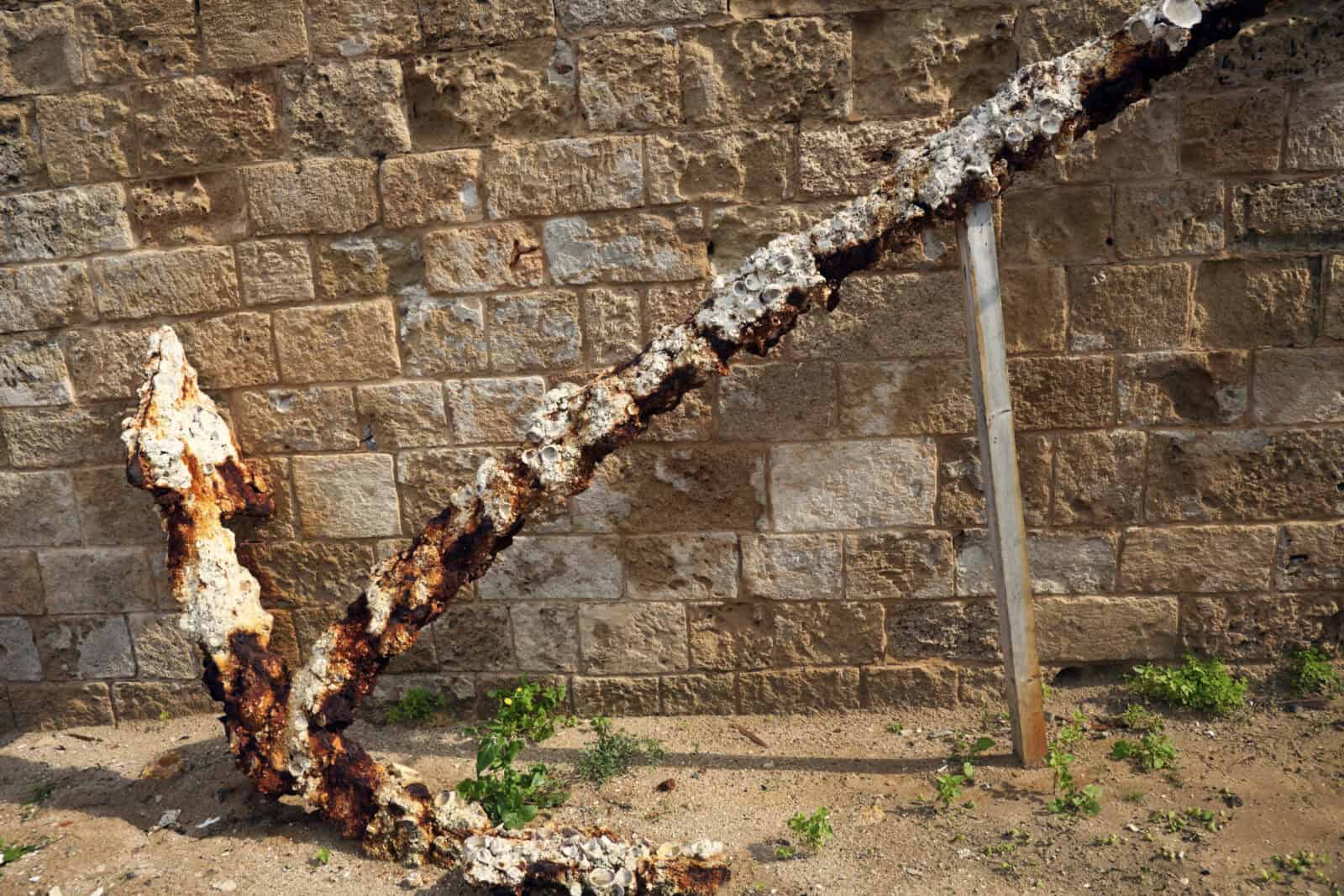
The so-called drogue stones add atmosphere to the Ark story because they look like something a ship might use, and some are large, upright, and pierced with holes.
Ark supporters point to stones in eastern Turkey as possible anchors or stabilizers for a massive vessel, giving the landscape a cinematic feel. Yet the skeptical side has been strong for decades.
Lorence G. Collins and David Fasold argued in their geological critique that the supposed anchor stones are likely local volcanic stone rather than maritime gear from Mesopotamia, and their broader conclusion was blunt: “Evidence from microscopic studies and photo analyses demonstrates that the supposed Ark near Dogubayazit is a completely natural rock formation.”
That does not make the stones uninteresting. They may have local, ritual, reused, or geological significance. But turning perforated stones into Ark equipment requires more than resemblance. It requires context, dating, tool marks, transport evidence, and a chain of proof that has yet to arrive.
Earlier “Ark Finds” Were Later Questioned Or Debunked
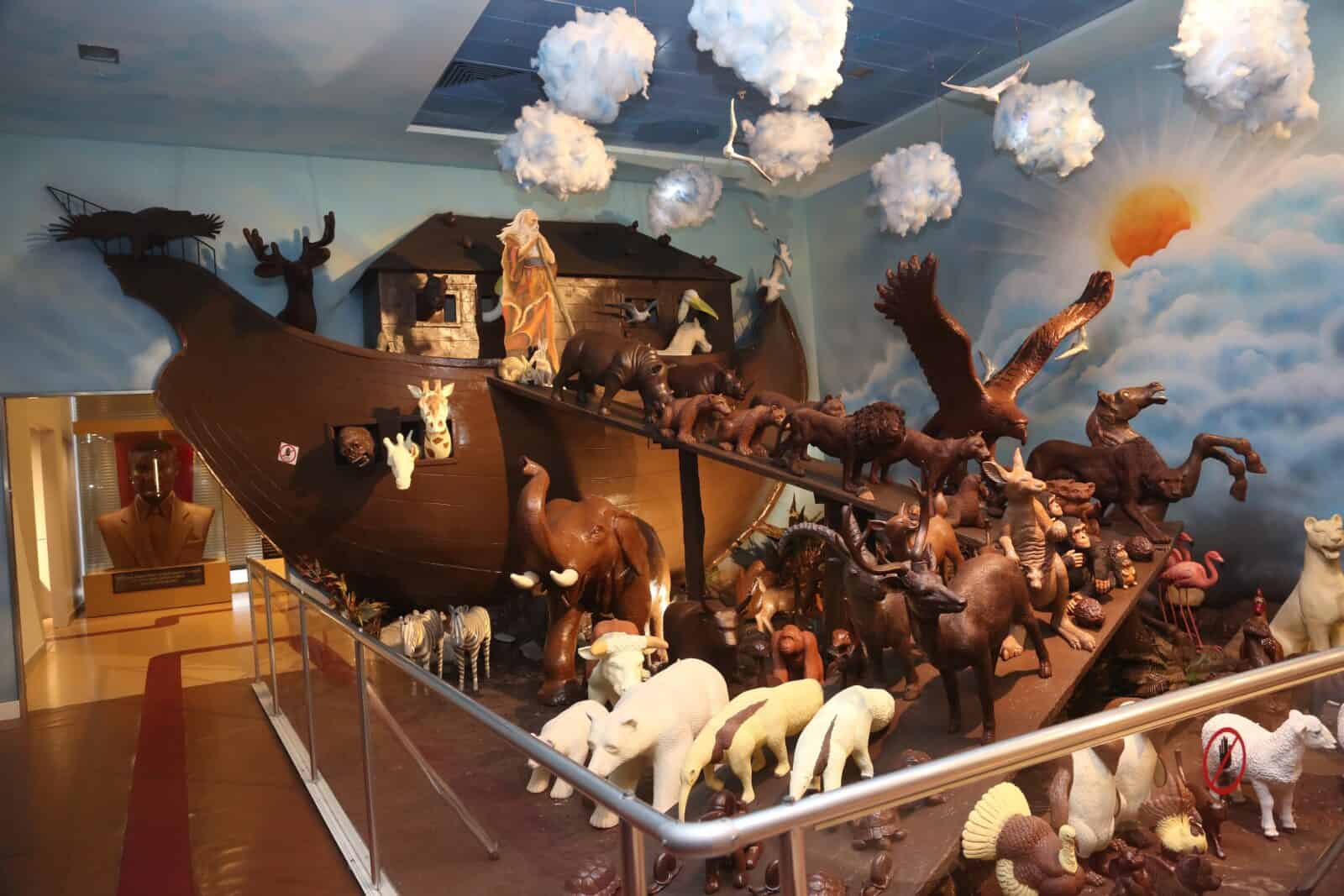
Noah’s Ark claims have a long pattern: a striking image, a dramatic announcement, global curiosity, then doubts about location, dating, photos, excavation, or access. That history makes the Durupınar conversation more cautious by necessity.
National Geographic has noted that modern “Noah’s Ark found” stories appear regularly, and it described the Durupınar claims as part of a wider tradition in which many argue the boat-shaped site is a natural geological formation. Even some creationist organizations that affirm a biblical flood have rejected specific Ark-location claims, including Durupınar.
That matters because skepticism here does not come from one ideological camp. It comes from geologists, archaeologists, biblical scholars, and even some believers who think weak evidence can harm serious faith-based inquiry.
Past false starts do not automatically disprove new claims, but they do raise the burden of proof. The next Ark headline has to beat more than doubt. It has to beat a century of overpromising.
Geologists See A Natural Rock Formation, Not A Ship
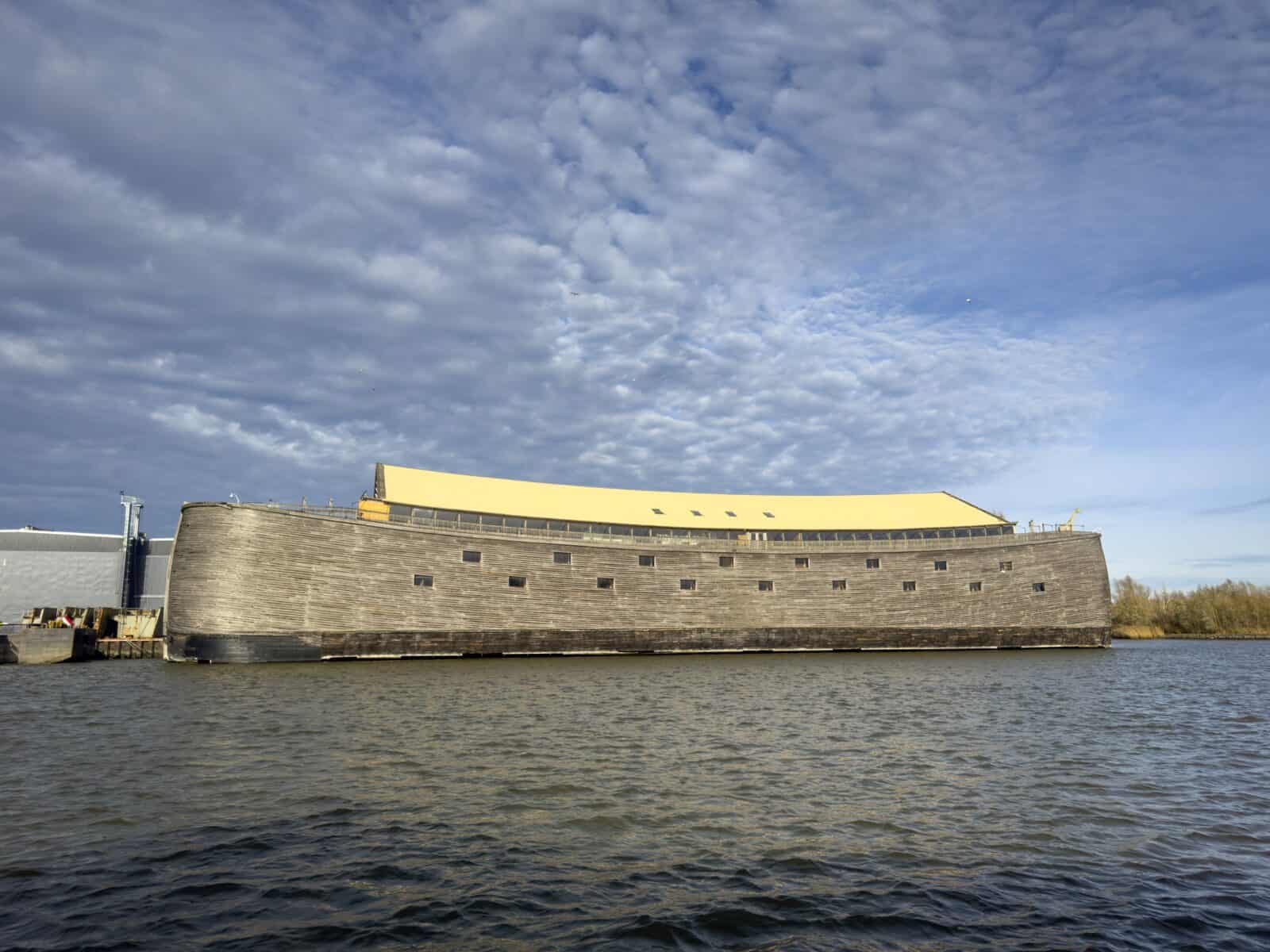
Mainstream geology remains the biggest obstacle for the Ark interpretation. Collins and Fasold’s critique says the Durupınar structure can be explained by natural geological processes, including folded rock, limonite and magnetite concentrations, sedimentary layers, landslide material, and erosion.
Their report argues that the so-called metal brackets are weathered volcanic minerals, the so-called braced walls are natural mineral concentrations, and the alleged wood-like features may be rock textures rather than timber.
Answers in Genesis, a young-Earth creationist group, also cited a 2007 geology paper by Murat Avci describing the feature as a large limestone block that slumped and crept downslope in a deep valley shaped by mass movement. That is a major warning sign for anyone tempted to treat the ridge as confirmed.
A natural explanation may not feel as thrilling as a buried Ark, but good science does not reward the most exciting answer. It rewards the answer that best fits the evidence. Right now, most geologists still classify Durupınar as a natural formation.
There Isn’t Enough Water To Float An Ark To Ararat’s Peak
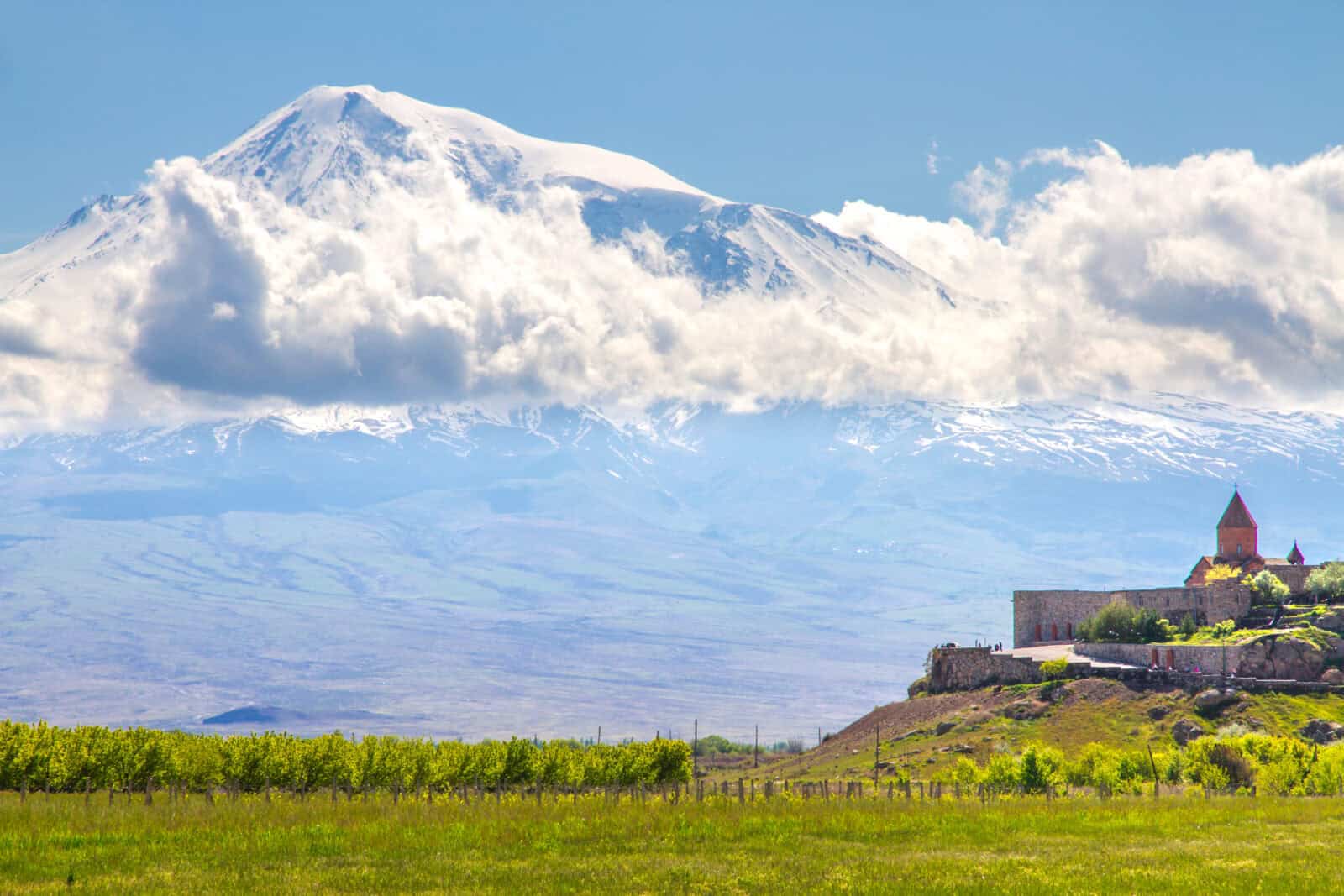
One of the hardest scientific problems is not just Durupınar, but the physics of a literal global flood that would cover high mountains.
USGS describes Mount Ararat as a volcano rising 5,137 meters, or 16,854 feet, above sea level, and the agency says that if all glaciers and ice caps on Earth melted, global sea level would rise about 70 meters, or 230 feet. That is catastrophic for coastal cities, but nowhere near enough to cover a mountain thousands of meters high.
To be precise, Durupınar itself is not on Ararat’s summit, and Genesis refers to the “mountains of Ararat,” not necessarily the single peak modern maps label Mount Ararat. Still, the water-volume problem remains severe for a fully global flood, as determined by natural laws.
This is why many scholars and scientists view flood traditions as regional, theological, symbolic, or mythic reflections of real disasters rather than as a literal, planet-wide event that left a wooden ship high in volcanic terrain.
Faith And Tourism Strongly Shape The Discovery Narrative
The Ark story does not move through the world as pure science. It moves through faith, identity, tourism, media, documentaries, fundraising, pilgrimage, local pride, and the human hunger to touch something sacred.
That does not mean every researcher is cynical. It means incentives matter. A possible Ark site can attract visitors, donations, film crews, and social media attention, and put pressure on local authorities to preserve or promote the area.
AP reported in 2025 that Ark-themed creationist attractions in Kentucky, including the Ark Encounter and Creation Museum, continue to draw attention nearly a century after the Scopes trial, and the same report cited Gallup’s 37% figure for creationists. That audience helps explain why Durupınar headlines spread so quickly.
The faith market is real, the tourism appeal is real, and the desire for confirmation is real. The danger is that public excitement can outrun evidence, especially when phrases like “discovered,” “proved,” or “confirmed” appear before excavation and peer review.
Most Scholars Treat Flood Stories As Mythic Overlays On Real Disasters
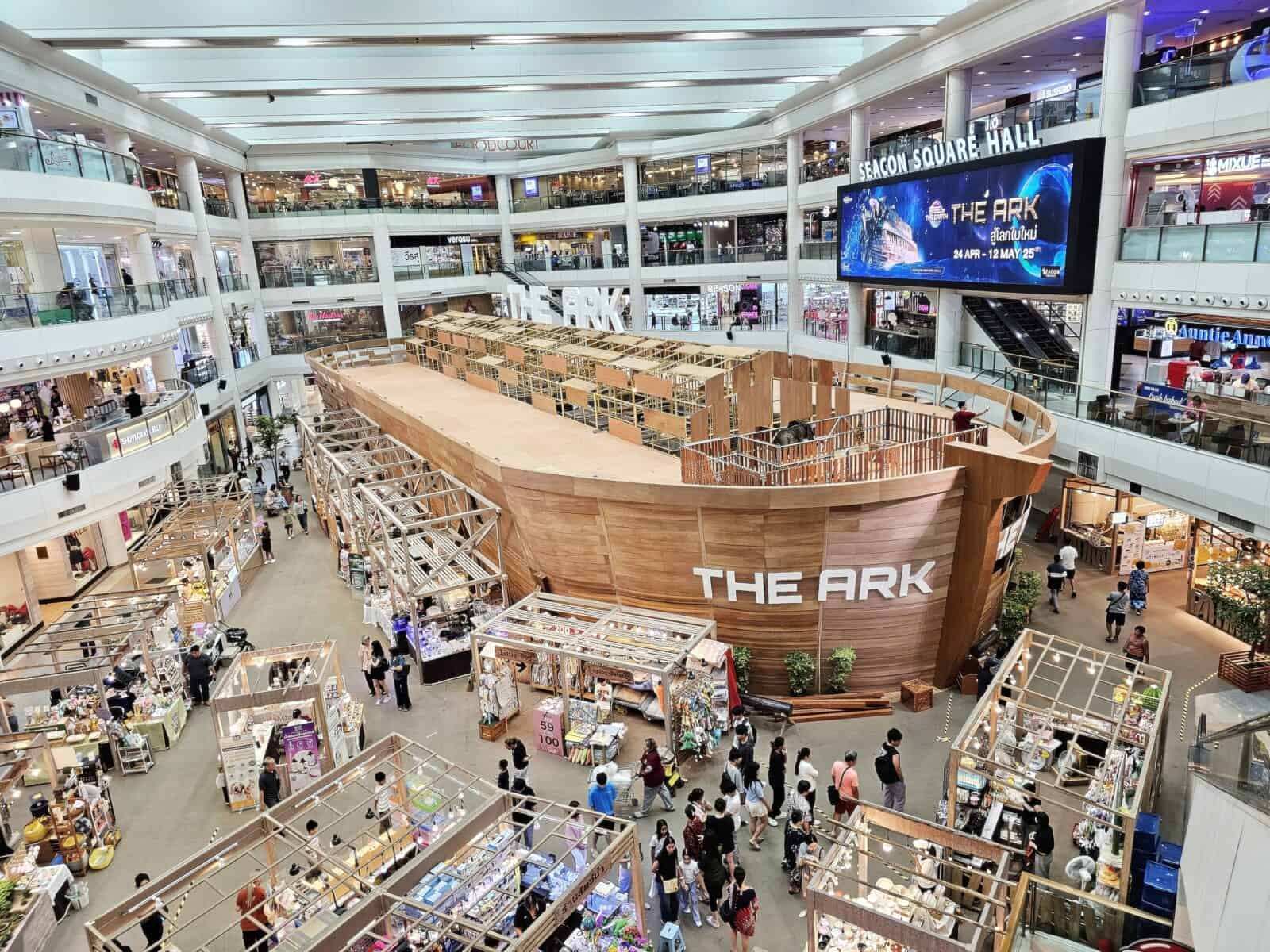
Noah’s flood is not the only ancient flood story, and that wider context matters. Britannica explains that flood myths are widespread across Eurasia and the Americas, and it notes that the biblical flood account sits beside Mesopotamian traditions with similar themes of destruction, survival, divine judgment, and renewal.
National Geographic also points out that flood and ark accounts similar to the Old Testament predate biblical texts, including stories in the Epic of Gilgamesh and other Mesopotamian material from the second millennium BC or earlier.
For many scholars, that does not make Genesis meaningless. It makes it part of a long, ancient conversation about disaster, morality, survival, and covenant. Real floods in river valleys could have left a deep cultural memory, later shaped into theological narratives.
In that view, the story’s power does not depend on finding one hull on one mountain. It lives in what ancient communities did with the terror of water and the hope of beginning again.
The Search Shows How People Weave Science Into Belief
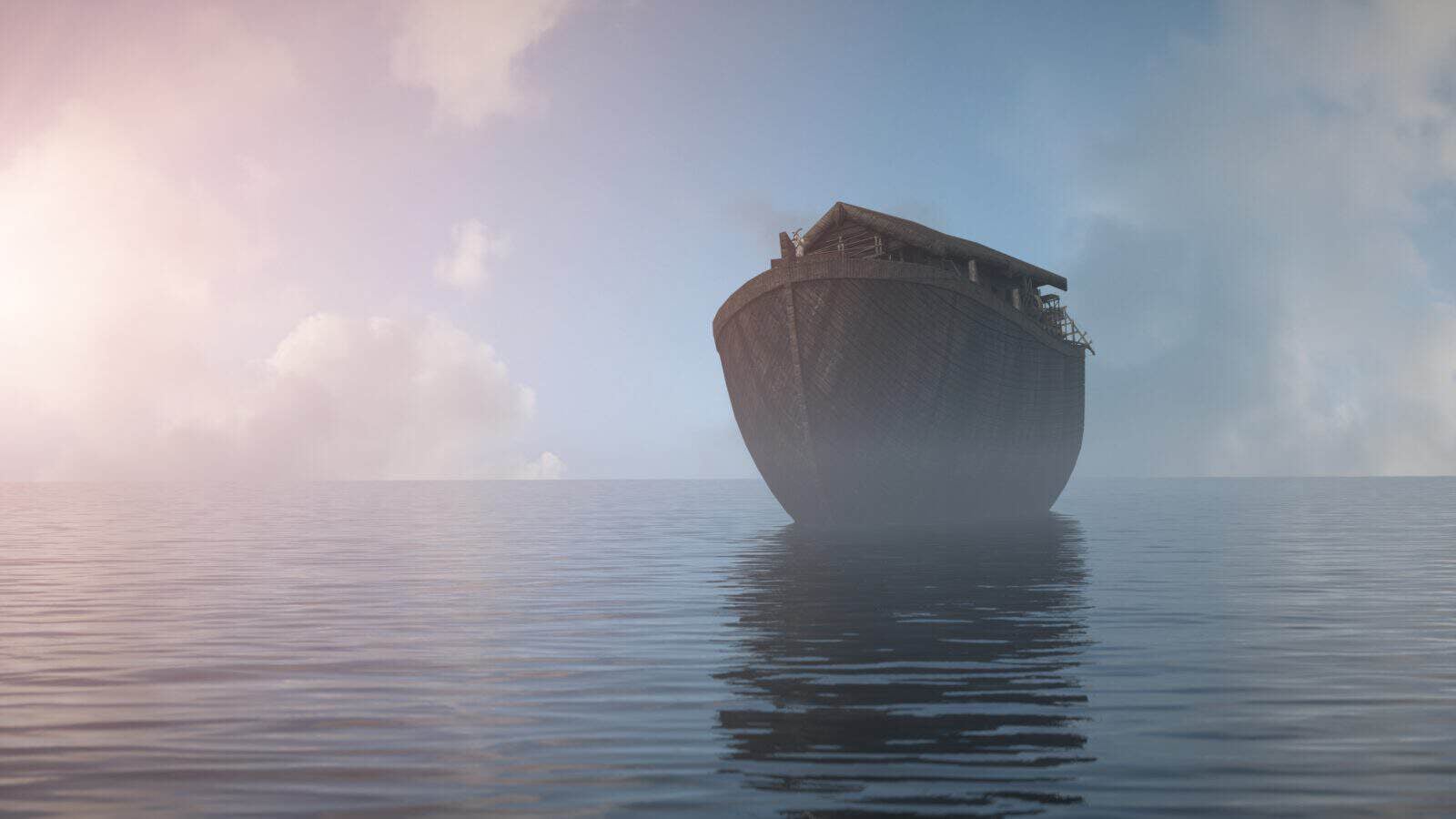
The Durupınar debate is really two stories at once: a physical investigation of a strange formation and a cultural mirror showing how people blend evidence with belief.
Gallup’s 2024 survey found 37% of Americans hold a strict creationist view, 34% believe humans evolved with God’s guidance, and 24% accept evolution without divine involvement. Those numbers show why Ark claims pull such different reactions.
For some readers, radar scans and soil chemistry feel like science catching up with Scripture. For others, the same evidence looks like confirmation bias dressed in technology. The honest middle is less flashy but more useful.
The site deserves careful study if researchers can protect it and publish transparent data. But science does not work by longing, and faith does not need every headline to become a proof text. Durupınar may be unusual. It may be historically interesting. It may even reveal ancient human activity nearby. None of that yet equals “Noah’s Ark discovered.”
Durupınar keeps drawing people back because it sits in the perfect shape of human longing: a ridge like a ship, a story older than empires, and new machines promising to see below the soil. But wonder should not be asked to do the work of evidence.
For now, the fairest verdict is simple: intriguing, disputed, culturally powerful, and unconfirmed. National Geographic quotes archaeologist Jodi Magness with a reminder worth keeping close: “Archaeology is not treasure hunting.”
Key Takeaways

- Durupınar’s boat-like shape and reported dimensions explain why Ark claims keep returning.
- Radar scans show underground anomalies, but they do not prove the presence of rooms, decks, or ship timbers.
- Claims about soil chemistry are interesting, but independent testing and peer review matter.
- Pottery near the site may show ancient human activity, not Ark confirmation.
- Geologists still largely explain Durupınar as a natural formation.
- The water-volume problem remains a major challenge for a literal interpretation of a global flood.
- Flood stories existed across the ancient Near East before or alongside biblical tradition.
- The site remains culturally powerful, but it has not been confirmed as Noah’s Ark.
Disclaimer – This list is solely the author’s opinion based on research and publicly available information. It is not intended to be professional advice.
Like our content? Be sure to follow us