The top countries where belief in God is quickly disappearing in 2026
Something shifts in a society when faith stops being a shared foundation and starts becoming a fading presence in the background of ordinary life.
Religion is quietly packing its bags and slipping out the back door across several major nations right now. People are happily swapping traditional Sunday morning sermons for extra sleep, a delicious brunch, or a quiet walk through the neighborhood park, leaving completely empty pews and rapidly changing cultural norms in their wake.
While faith definitely remains a powerful, driving force globally, bold secularism is spreading like wildfire across certain key regions as everyday people completely rethink their long-held spiritual commitments.
China
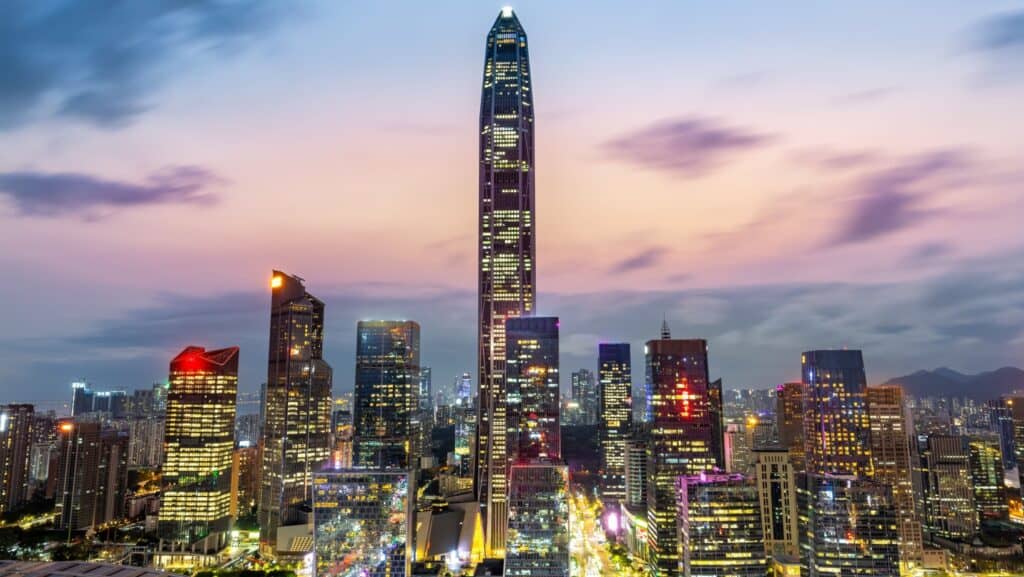
Generations of strict government policies have fundamentally transformed how the largest population on earth interacts with the concept of a divine creator or higher power.
A Gallup review showed extensive global demographic shifts and officially noted that this massive nation alone is made up of 58% of atheists today.
Traditional historical practices like Confucianism are treated as practical philosophical systems rather than spiritual dogmas, stripping away the mystical elements that usually define religious faith in other regions.
Strolling through the crowded streets of Beijing or Shanghai, you quickly notice a vibrant culture completely focused on rapid technological advancement and economic growth rather than traditional spiritual devotion.
Ambitious younger citizens pour all their waking energy into rigorous education and career success, largely leaving the ancient, dusty temples as popular tourist attractions rather than active places of weekly worship.
This intensely pragmatic approach to daily living means that formal religious identification continues dropping significantly, firmly cementing the country as an incredibly secular global powerhouse.
Japan
The situation across this beautiful island nation is fascinating because citizens happily participate in colorful Shinto festivals without actually believing in a literal deity overseeing their lives.
According to AP, up to 70 percent of Japanese citizens now officially fall into the agnostic or atheist categories.
People here view temple visits as important cultural traditions or fun community rituals rather than profound expressions of personal faith, beautifully blending deep historical respect with modern secularism.
Finding a genuinely religious person here is like searching for a needle in a haystack, especially since modern society places such a heavy emphasis on group harmony and scientific progress.
You will often hear locals joke that they are born Shinto, married Christian, and buried Buddhist, perfectly capturing their completely flexible and noncommittal attitude about organized religion.
As older generations pass away, the youth are stepping even further away from supernatural concepts, preferring to find their personal peace and daily motivation entirely outside the walls of any church.
Sweden
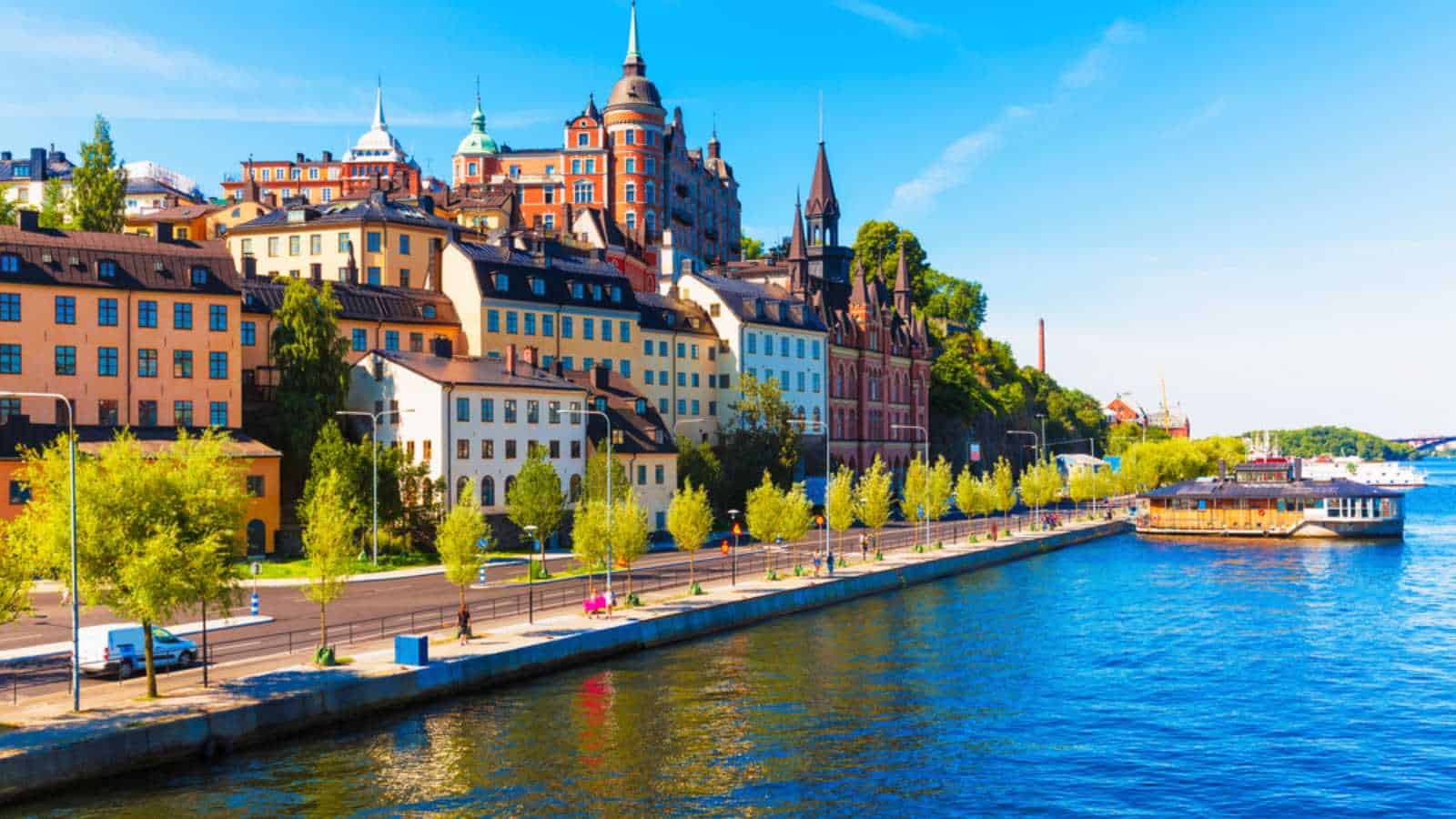
Swedes have practically turned secularism into an art form, blending it perfectly with their famously minimalist design choices and highly practical approach to daily life. According to a 2026 demographic review by World Population Review, a massive 76 percent of the Swedish population openly identifies as absolute atheists.
These practical folks are far more likely to spend a quiet Sunday morning hiking through pristine pine forests or assembling flat-pack furniture than sitting through a formal religious service in a stiff suit.
The cultural vibe here places a massive emphasis on trusting rigorous science, reliable government social programs, and fierce individual independence rather than looking to a higher power for everyday guidance.
In this freezing but undeniably beautiful Nordic nation, personal morality is largely driven by a strong sense of civic duty and social equality rather than strict divine commandments.
A typical Swedish citizen will happily pay high taxes to support their struggling neighbor, proving perfectly that you do not need a holy book to practice genuine kindness and active community care.
Estonia
Tucked away in the chilly corners of Northern Europe, this remarkably quiet country has slowly developed into a fiercely independent society where publicly discussing religion is almost considered a strange social faux pas.
Recent extensive polling data from WIN Gallup International clearly reveals that an astonishingly 59 percent of the local population currently identifies as non religious.
The heavy, lingering legacy of past Soviet occupation aggressively discouraged religious expression for many decades, and that deep cultural skepticism simply stuck around long after the old political borders finally changed.
Citizens here are famous for their digital innovation, pouring their national pride into building a wildly successful tech startup culture rather than constructing massive new cathedrals. If you ask an average citizen about their spiritual life, they will likely point you to their deep love for the vast forests and serene nature reserves instead of a holy book.
Rational thinking and logical problem solving are prized above absolutely everything else, making the concept of an invisible deity feel completely irrelevant to their highly efficient and modern European way of life.
Czech Republic
Unlike its highly religious neighbors, this stunning central European nation has completely embraced a godless identity with open arms and a refreshing sense of unapologetic honesty.
Leading European sociologists continuously report that regular church attendance here ranks among the absolute lowest globally.
A long history of resisting forced religious integration bred a fierce, stubborn independence that makes the average local highly suspicious of any wealthy religious institution trying to dictate their personal morals.
Walking through the gorgeous cobblestone streets of Prague, you will spot breathtaking historical churches that function almost exclusively as concert halls or magnificent museums for curious international travelers.
Locals greatly prefer spending their precious weekend hours chatting over cold pints of world-famous beer in lively local pubs rather than sitting quietly in wooden pews listening to sermons.
This incredibly relaxed, community-focused approach to living proves that people can build warm, highly ethical, and deeply connected neighborhoods without relying on any strict theological guidelines to keep them in check.
South Korea

While catchy Korean pop anthems and highly advanced technology are taking the entire globe by storm, traditional religious devotion in this bustling Asian hub is quietly taking a massive back seat.
Recent 2026 census tracking by the Korean Herald indicates that nearly 3 of 4 young adults in South Korea now declare no religious affiliation whatsoever. The extreme daily pressures of modern academics and grueling corporate work schedules simply leave very little free time or mental energy for busy people to commit to demanding weekly spiritual rituals.
In a highly competitive society that deeply values visible financial success and relentless daily hustle, finding inner peace often means taking a quick nap rather than reciting a lengthy prayer.
Many younger Koreans are actively turning to secular mindfulness apps and brief weekend mental health retreats to successfully manage their incredibly overwhelming stress levels.
They highly respect the ancient Buddhist temples dotting the gorgeous mountainsides as beautiful cultural heritage sites, but they rarely view them as active places for regular, everyday personal worship.
Like our content? Be sure to follow us