U.S. Customs and Border Protection issued new implementation guidance as importers navigate the complex multi-tiered duty structure
One week, your shipment clears as expected, and the next you’re decoding a brand-new tariff rulebook that could change the bill entirely.
Importing commercial goods into the United States often feels like trying to solve a complicated Rubik’s Cube while riding a roller coaster backwards in the dark. The latest plot twist arrived when federal authorities dropped a massive regulatory update that completely changes how businesses bring metals and heavy machinery across the border.
Government officials recently rolled out incredibly detailed instructions for the recent presidential proclamation adjusting tariffs on imported aluminum, steel, and copper products.
Everyone from local family farmers to massive industrial suppliers must now carefully decode these fresh rules to figure out exactly how much money they owe the government.
Lower Thresholds Create Breathing Room For American-Made Materials
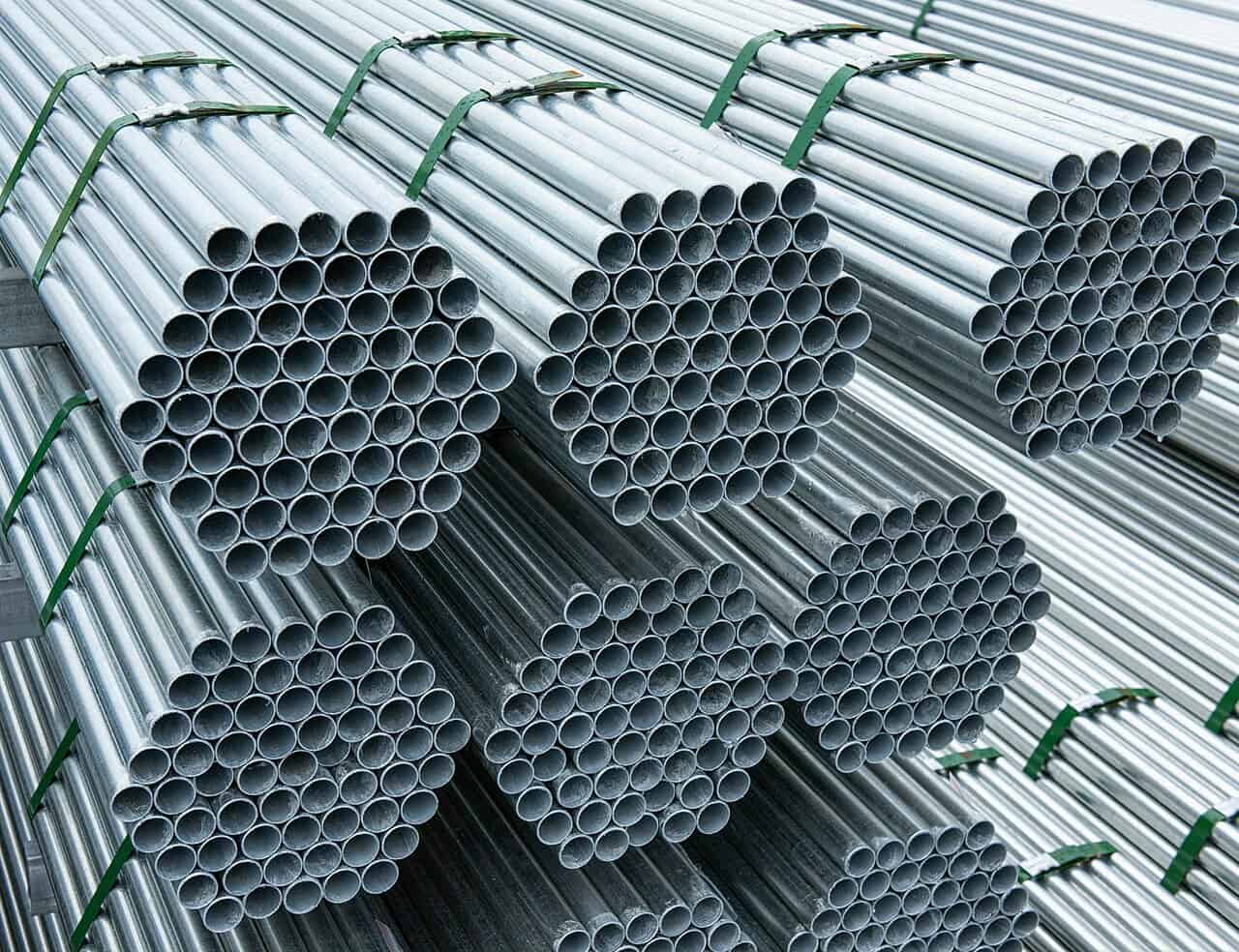
The absolutely most fascinating change in this whole regulatory shakeup involves a major philosophical shift in how the federal government officially defines domestic manufacturing goods.
Federal officials explicitly lowered the required threshold for imported products to qualify as made entirely from American metals from 95 percent down to a much more accessible 85 percent.
This brilliant strategic adjustment gives local domestic manufacturers a whole lot more breathing room when sourcing their essential raw materials for building various downstream derivative commercial products.
You can confidently think of this specific rule change as a giant neon billboard actively encouraging multinational companies to buy their local aluminum and steel. Under these completely fresh guidelines, a finished commercial item simply needs 85 percent of its copper smelted and cast right here in the United States to grab the highly preferential tariff rate.
This highly specific legislative tweak aims to supercharge our domestic production lines while simultaneously giving hardworking importers a much better chance at scoring lower duty fees on their shipments.
Agricultural And Industrial Sectors See Significant Tariff Relief
Hardworking American farmers and massive industrial builders finally have a genuine reason to celebrate after dealing with sky-high equipment costs for the past several consecutive years.
A truly massive block of heavy machinery now magically qualifies for a temporarily reduced compound rate that officially caps out at exactly 15 percent of the total item value 403.
This regulatory adjustment serves as a huge financial win for anyone importing heavy things like agricultural combines or industrial forklifts, which previously got slapped with a brutal 25 percent standard ad valorem rate.
Of course, getting your hands on that sweet financial discount requires a little bit of tedious paperwork and a crystal clear understanding of the new eligibility brackets established by the government.
If your baseline product duty already sits below that magical 15 percent mark, the updated Section 232 tariff only legally applies up to that specific maximum financial cap.
This incredibly nuanced mathematical approach essentially prevents vulnerable American businesses from getting double-charged on the essential heavy hardware that keeps our bustling domestic economy constantly moving forward.
Fresh Financial Penalties Await Careless And Noncompliant Importers
While some lucky industries get a nice financial discount, the federal government is simultaneously bringing the proverbial hammer down incredibly hard on sneaky folks who try to skirt the commercial rules.
The current administration proudly issued a sweeping executive order alongside these metal tariff updates to aggressively crack down on bad actors slipping through the administrative cracks.
In a truly dramatic departure from past institutional leniency, vigilant federal officials definitively established a strict 50 percent minimum penalty floor for all newly assessed commercial trade violations.
Gone forever are the golden days when massive corporate companies could simply negotiate their way out of a massive financial fine with a simple apology letter and a firm handshake.
Chronic repeat offenders will now receive absolutely zero penalty mitigation, meaning one single careless clerical mistake could easily cost a struggling business millions of hard-earned dollars.
Customs enforcement agents are fully taking off the kid gloves, and they are openly demanding complete financial transparency from every single commercial entity moving foreign freight into the country.
Registration Rules Face A Massive And Immediate Overhaul
If you honestly thought the actual tariff mathematics were tricky, just wait until you see the exhausting new administrative hoops companies have to jump through simply to register their businesses.
The Department of Homeland Security has exactly 180 days to actively implement incredibly aggressive new eligibility rules requiring every single importer of record to hold tangible domestic financial assets.
Foreign commercial importers definitely face the toughest road ahead, as they are now completely and entirely barred from filing informal freight entries under this incredibly rigid new legal framework.
The whole federal customs registry system is getting a thorough and aggressive scrubbing to permanently weed out shady shell companies and artificial business arrangements designed specifically to dodge federal taxes.
Everyone actively participating in the global supply chain must diligently maintain good legal standing by providing highly detailed disclosures about their beneficial ownership and overarching corporate business structure.
Traders who repeatedly fail to meet these intense new vetting standards will instantly lose their valuable commercial privileges to bring profitable foreign goods onto sovereign American soil.
Forced Labor Investigations Trigger Widespread Global Trade Action
The vital national conversation about ethical global sourcing just got incredibly serious with a parallel legislative proposal directly targeting horrible human rights violations across the entire globe.
Federal trade representatives recently determined that exactly 54 investigated foreign countries completely failed to impose and effectively enforce basic legal prohibitions on forced human labor.
To aggressively combat this terrible global humanitarian crisis, the current presidential administration officially proposed a punishing 12.5 percent additional tariff on imported goods originating from these heavily noncompliant foreign nations.
This incredibly strong moral stance sends a crystal-clear international message that the United States absolutely refuses to subsidize terrible human exploitation just for the sake of cheap consumer goods.
Anxious supply chain managers are currently scrambling to frantically audit their international manufacturing partners before these proposed penalty fees officially hit the federal accounting books.
Multinational companies must start asking incredibly tough ethical questions about their overseas factory conditions right now, or they risk facing absolutely devastating financial consequences further down the line.
Like our content? Be sure to follow us