FDA approval of flavored e-cigarettes raises concerns over potential impacts on youth vaping
A single regulatory decision is forcing a difficult reckoning over how easily policy shifts can reshape the line between harm reduction for adults and risk exposure for teenagers.
The Food and Drug Administration recently shocked parents and public health advocates from coast to coast by officially approving the sale of certain fruit-flavored e-cigarettes in May 2026, causing a massive uproar across the country.
This sudden and incredibly surprising move completely reverses years of heavy crackdowns on the vaping industry and raises serious red flags for everyday American families who are just trying to keep their teenagers safe from the clutches of addiction.
Many experts deeply worry that this highly controversial decision could spark another massive wave of teen nicotine abuse just as our nationwide prevention programs were finally gaining significant ground against the epidemic that swept our local schools.
A Surprising Shift In Tobacco Regulation
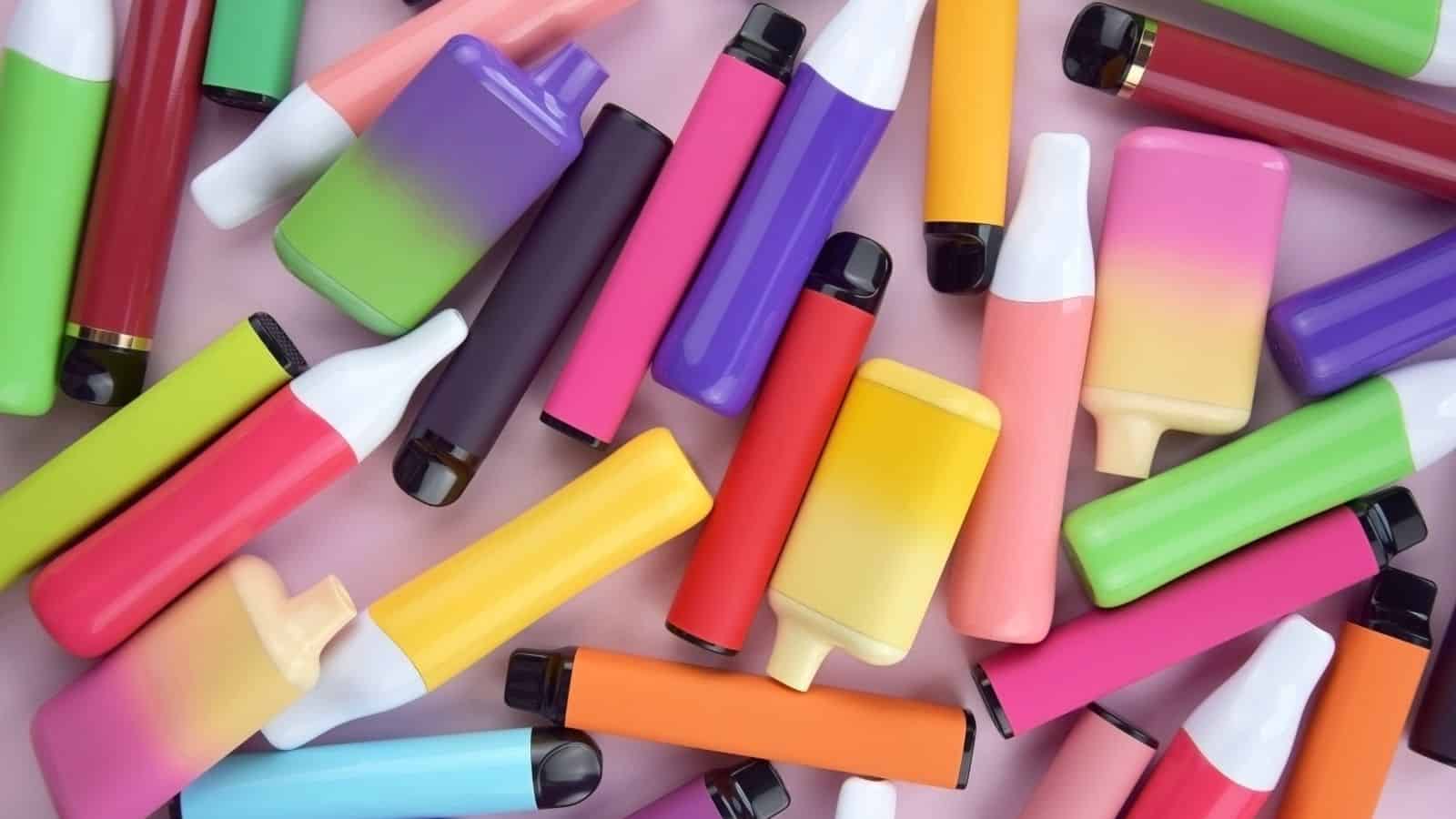
The recent FDA approval of four Glas electronic nicotine delivery systems marks a truly massive and completely unexpected turning point for federal health policy in the United States, leaving many public health experts scratching their heads in pure disbelief.
For the very first time in history, the agency gave the official green light to non-tobacco and non-menthol flavors for adult users who are desperately trying to quit smoking traditional cigarettes once and for all.
According to the latest official numbers released by the agency, there are now exactly 45 e-cigarettes that may be lawfully sold in the United States today, which is a number that surprises anyone who thought the government was entirely banning these items.
This shocking decision completely flips the script on years of strict enforcement and heavy-handed regulation against the rapidly growing vaping industry, effectively tossing the old playbook completely out the window without any real warning.
Fierce critics strongly argue this seemingly well-intentioned move opens a very dangerous door that public health officials just barely managed to shut tight after a grueling and incredibly expensive fight in the courts.
Since more than 25 million Americans still smoke combustible cigarettes daily, the FDA confidently claims these newly approved sweet products offer a much-needed and significantly less harmful alternative for adults desperately looking to kick the habit for good.
The Reemergence Of Fruit Flavors Like Mango And Blueberry
Anxious parents in suburban neighborhoods across the entire country are currently sounding the loudest possible alarm over the sudden return of fruity vape juices to their local convenience store shelves, fearing the absolute worst for their easily influenced kids.
The recent federal authorization specifically includes highly appealing options like Gold mango and Sapphire blueberry, which genuinely sound much more like harmless candy found in a grocery store aisle than serious smoking cessation tools meant for adults.
Recent comprehensive data gathered from the 2024 National Youth Tobacco Survey remarkably reveal that a staggering 87.6 percent of kids who vape actively use flavored products regularly, proving just how magnetic these sweet tastes really are.
It honestly feels like we are helplessly watching a terrifying and incredibly predictable sequel to the disastrous Juul epidemic that viciously swept through our local high schools and middle schools just a few short years ago.
These incredibly sweet flavor profiles are exactly the kind of irresistible bait that successfully hooks vulnerable teenagers who would normally be completely turned off and thoroughly disgusted by the harsh and bitter taste of real tobacco.
In fact, fruit flavors are undeniably the most popular choice among the younger demographic, with 78.1 percent of young users naturally gravitating to them instead of traditional options, making this new policy incredibly terrifying for any parent paying attention.
Questioning The New Device Access Restrictions
The FDA consistently defends its incredibly controversial decision by aggressively pointing to brand new high-tech safeguards specifically designed to keep these alluring gadgets completely out of the wrong hands, but many Americans remain incredibly skeptical of this promise.
Potential users must now legally verify their age with a valid government ID and successfully pair the vaping device with a dedicated smartphone app via Bluetooth technology before they can even take a single puff.
The confident manufacturer boldly claims the vape will absolutely not even turn on if it somehow loses the wireless connection to the registered adult’s personal phone, which sounds fantastic on paper but might fail miserably in the real world.
However, many top cybersecurity experts and seasoned health advocates firmly think these highly touted device access restrictions are just a flashy smokescreen meant to appease worried parents while keeping the profitable industry entirely intact and booming.
Tech-savvy teenagers already have a very long and well-documented history of easily bypassing complicated digital locks, making these Bluetooth hurdles look like a minor inconvenience rather than a real physical barrier capable of stopping them.
If resourceful kids really want to get their hands on something restricted, they usually find a clever workaround long before oblivious adults even figure out how the mobile app actually works, rendering these fancy technological safeguards almost completely useless.
The Impact On Prevention Efforts And The Centers For Disease Control

Exhausted public health officials are practically pulling their hair out trying to understand exactly how this new authorization properly aligns with the incredibly expensive and ongoing anti-tobacco campaigns happening nationwide right now.
Crucial federal initiatives squarely aimed at keeping impressionable kids completely away from addictive nicotine have already faced completely unprecedented funding and logistical disruptions over the last few months, making their incredibly tough jobs even harder to perform.
Adding state-sanctioned fruit vapes back onto the open market feels exactly like aggressively throwing a giant wrench directly into the delicate gears of the Centers for Disease Control and Prevention, effectively sabotaging their very best efforts.
To fully put the massive scope of the current problem into proper perspective, the CDC reported that about 1.6 million middle and high school students actively used e-cigarettes in 2024, representing a completely unacceptable portion of our nation’s youth.
Dedicated prevention specialists deeply worry that this glaringly mixed messaging coming directly from the very top of the government will quickly undo years of hard-fought progress in our local classrooms and community centers.
When the federal government officially says these incredibly sweet-smelling vapors are perfectly acceptable for adults, curious kids often incorrectly hear that they are perfectly safe and incredibly fun to try, destroying any carefully crafted educational campaigns completely.
Balancing Adult Smoking Cessation With Youth Risks
The fiercely ongoing national debate over practical harm reduction often unfairly places the urgent health needs of adult smokers directly at odds with the fundamental safety and absolute well-being of our easily influenced teenagers.
Top government regulators honestly believe that effectively pulling hardcore cigarette smokers away from deadly tar absolutely requires offering them a genuinely appealing and incredibly tasty alternative that they actually want to consume daily.
Interestingly, revealing data clearly shows that 85.6 percent of young people who use nicotine pouches report choosing flavored options, perfectly highlighting the universal and undeniable appeal of these incredibly sweet products across the board.
It is undoubtedly a very delicate and incredibly precarious tightrope walk where one tiny legislative misstep could easily and accidentally addict an entirely new generation of American teenagers to a devastating lifetime of severe nicotine dependence.
While struggling adults absolutely desperately need highly effective and easily accessible tools to permanently kick their deadly habit, we simply cannot afford to throw our innocent kids right under the bus just to make that pipe dream finally happen.
We absolutely must keep a very close and highly critical eye on the continuous public fallout from this historic May 2026 decision to clearly see if the heavily promised adult benefits actually outweigh the absolutely glaring risks to our youth.
Like our content? Be sure to follow us