Prescription drug costs dip nearly 1 percent, providing modest financial relief for patients managing chronic conditions
A small drop in prescription costs is giving people with chronic health conditions a little more breathing room at the pharmacy counter.
You probably know the sting of picking up a prescription and seeing a receipt that looks like a car payment. But recent data finally offers a tiny sliver of hope for Americans dealing with lifelong health issues. Prescription drug costs have dipped by nearly one percent across the board.
While it might sound like a drop in the bucket, this slight decrease brings a sigh of relief to those managing chronic conditions. Any price drop puts actual dollars back into the pockets of hardworking families. Let us look into what this slight shift means for your wallet and your health moving forward.
A Modest Break For Daily Medications
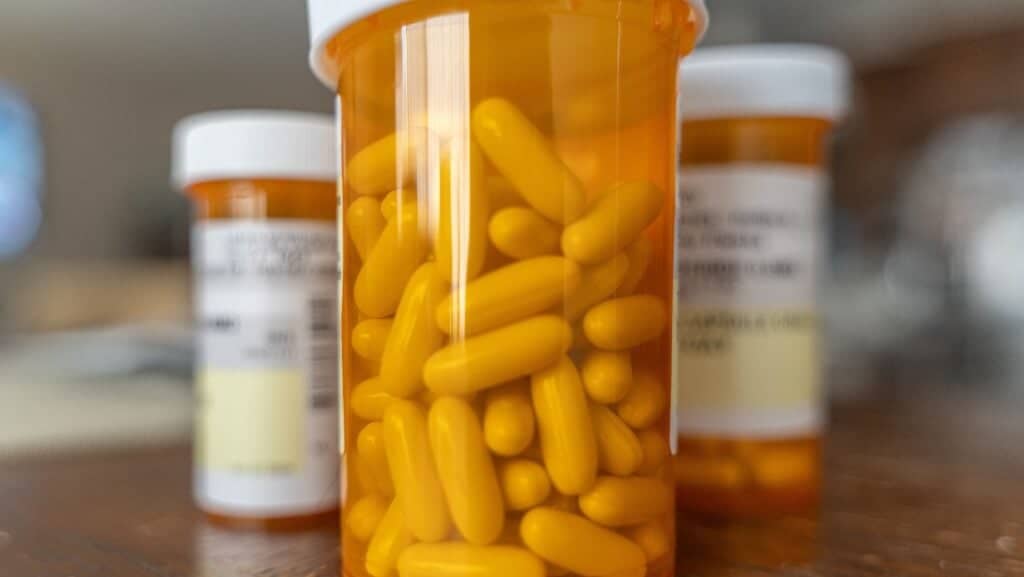
Taking daily pills feels like paying rent that you never agreed to sign a lease for. The recent price dip means patients might finally see a few extra bucks stay in their bank accounts. It is a small victory for anyone tired of swiping their credit card with their eyes closed.
Even a tiny fraction of savings adds up when you hit the pharmacy drive-through every single month. You can think of it as finding a crisp twenty-dollar bill in your winter coat pocket. Over the course of a year, those retained earnings start to feel pretty good.
Why The Price Drop Matters Now

We just came out of a period in which U.S. healthcare spending spiked 7.3 percent, reaching a staggering $ 5.7 trillion. Hearing that something actually went down in price feels like catching lightning in a bottle. It gives consumers a glimmer of hope during tough economic times.
Chronic conditions drain budgets faster than a hole in a bucket. People dealing with lifelong health issues need every single penny they can get. This minor relief lets folks breathe just a little bit easier when budgeting for the month.
Medicare Savings Hit The Counter

Government negotiations are finally starting to show some real-world results for older Americans picking up their scripts. Medicare Part D enrollees are expected to save a collective 1.5 billion dollars in out-of-pocket expenses in 2026. That is a massive chunk of change staying with the people who need it most.
Seniors on fixed incomes feel every single price hike right down to the bone. Having a little extra cushion helps them avoid making impossible choices at the checkout register. The ripple effect of these savings will improve the quality of life for millions.
High Cost Of New Treatments

While general prices dropped slightly, brand-new treatments hitting the market still carry a massive price tag. The average launch price for a new drug approved in 2025 was an eye-watering 416,000 dollars. Those numbers prove we still have a huge mountain to climb regarding affordability.
Innovation is fantastic until you realize nobody can afford the miracle cure. Patients with rare diseases still face an uphill battle when trying to access these cutting-edge therapies. We still have to push for better solutions on the newest medical breakthroughs.
Diabetes Drugs See Steep Discounts

People managing diabetes have been screaming about skyrocketing costs for years. A 30-day supply of the diabetes drug Januvia is currently discounted 79 percent from its 2023 list price. That massive cut is a literal lifesaver for folks who depend on these medications daily.
Managing blood sugar should never force someone into crippling credit card debt. Seeing these specific prices plummet shows that targeted pressure actually yields positive results. It is exactly the kind of shift the medical community has been waiting for.
The Weight Loss Medication Craze

Everyone is talking about popular weight loss and diabetes injectables that have taken the internet by storm. An uninsured patient pays roughly 900 to 1,400 dollars per month for brand-name semaglutide. Those high costs remain a major hurdle for average Americans wanting to slim down or manage their blood sugar.
Insurance companies are still trying to figure out how to cover these popular treatments. Until coverage improves, many folks will continue paying out of pocket for these highly sought-after pens. The demand shows no signs of slowing down anytime soon.
Relief For Heart Disease Patients

Heart conditions require strict medication adherence to prevent serious complications down the road. To put the sheer scale into perspective, Medicare spent 18.3 billion dollars on the blood thinner Eliquis for 3.9 million enrollees. It is one of the most widely used and costly drugs in the entire country.
Any percentage drop in these heavily prescribed medications makes a huge dent in overall national spending. Patients taking heart meds can finally expect to keep more of their retirement savings intact. Every dollar saved helps keep stress levels low, which is ironically great for the heart.
Generic Options Drive The Savings

Store brand equivalents are the unsung heroes of the pharmacy aisle. Switching to generic versions is the fastest way to slash your monthly medical bills. They contain the same active ingredients but skip the fancy marketing campaigns.
Most of the overall price dip we are seeing is heavily fueled by patients opting for these cheaper alternatives. Doctors are getting much better at prescribing generics right out of the gate. It is a simple habit change that pays off big time for consumers.
Insurance Premiums Remain A Factor

You might save a few dollars at the pharmacy, but your monthly insurance bill could still sting. Health plans often shift their own rising operational costs directly onto the consumer’s monthly premium. It is like playing a massive game of whack-a-mole with your healthcare budget.
It pays to shop around during open enrollment to find the best possible coverage. Sitting on a bad insurance plan will eat up any savings you get from cheaper prescriptions. A smart consumer always reviews their options before committing for the year.
Looking Ahead To Future Discounts

The one percent dip is a great start, but nobody is throwing a parade just yet. Advocates continue to fight tooth and nail for deeper price cuts across all medical sectors. We need more aggressive policies to keep this downward trend going strong.
Patient groups are louder than ever, and lawmakers are finally starting to listen. If we keep the pressure on, the coming years could bring even better financial relief. For now, we will take the small wins and keep pushing for a fairer system.
Like our content? Be sure to follow us