Vitamin A supplement linked to severe toxicity and overdose risk
Those colorful vitamin gummies sitting in kitchen cabinets are now at the center of a growing safety concern for parents.
Parents try their hardest to keep their kids healthy, often leaning on daily vitamins to fill in nutritional gaps. However, that innocent health routine might be hiding a danger right inside your medicine cabinet. According to fresh research from America’s Poison Centers, 86 vitamin A exposure cases popped up among children between January 1 and March 31, 2025.
That staggering number represents a 38.7 percent jump compared to the same period just a year earlier. This sudden spike has experts sounding the alarm about how easily these helpful little gummies can turn toxic when we eat too many.
The Hidden Dangers Inside Sweet Supplements

Kids love sweet treats, and vitamin makers know exactly how to make their products taste like fruity candies. Children cannot tell the difference between a normal fruit snack and a potent medical supplement. When parents turn their backs, curious toddlers often climb onto counters to grab a handful of these delicious gummies.
The sugar coating masks a heavy dose of fat-soluble nutrients that build up quickly in small bodies. In fact, over 60,000 vitamin toxicity events are reported to U.S. Poison Control Centers every single year. A single mistake can turn a healthy habit into a frightening medical emergency.
Why Fat-Soluble Nutrients Stick Around

Your body washes out extra water-soluble vitamins through urine, but it treats fat-soluble vitamins entirely differently. Nutrients like vitamin A get stored in the liver and fatty tissues for a very long time. This means that eating a few extra gummies over several days creates a dangerous compounding effect.
Parents might not notice anything wrong until the stored toxicity reaches a critical tipping point. Around 4,600 children visit the emergency room annually strictly for vitamin overdoses. Knowing how your child’s body processes these nutrients could save you a terrifying trip to the hospital.
Reading the Warning Signs of Overdose
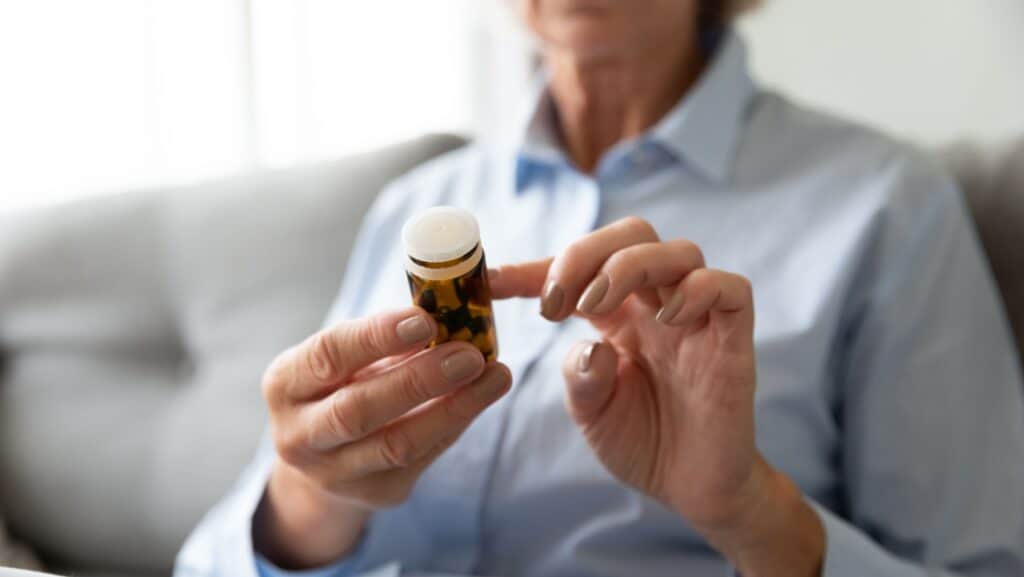
Catching a vitamin A overdose early requires knowing exactly what subtle symptoms to watch out for. Kids might complain about a severe headache, blurry vision, or sudden nausea after raiding the medicine cabinet. Sometimes they just seem unusually cranky or dizzy without any obvious reason.
Severe cases can lead to serious bone pain and recognizable yellowing of the skin. In 2024, 55 US poison centers provided telephone guidance for nearly 2.1 million human poison exposures across the country. If you spot these red flags, you need to act quickly instead of waiting it out.
The Misinformation Fueling the Fire

Social media constantly pushes unverified health advice that spreads faster than actual scientific facts. Influencers frequently tell parents that massive doses of vitamins will cure viruses or supercharge a child’s immune system. Desperate families consume this bad advice and dramatically increase their daily supplement intake.
Medical professionals consistently warn that more is rarely better with powerful dietary supplements. Children and teens aged 19 and under made up 54.8 percent of all human poison exposures managed by centers in 2024. Always consult your pediatrician before taking health advice from a random video online.
Childproof Caps Are Not Completely Foolproof

We put way too much faith in those little plastic caps designed to keep little hands out. Determined kids have an uncanny ability to pop open safety lids when a sweet reward waits inside. A clever toddler will use their teeth or smash the bottle until the plastic finally cracks.
You must store these bottles completely out of reach and locked away securely. Supplements and homeopathic products were responsible for roughly 6.44 percent of exposures in kids aged five or younger. Treat your daily vitamins with the exact same respect as prescription painkillers or heavy cleaning supplies.
The Difference Between Food and Pills
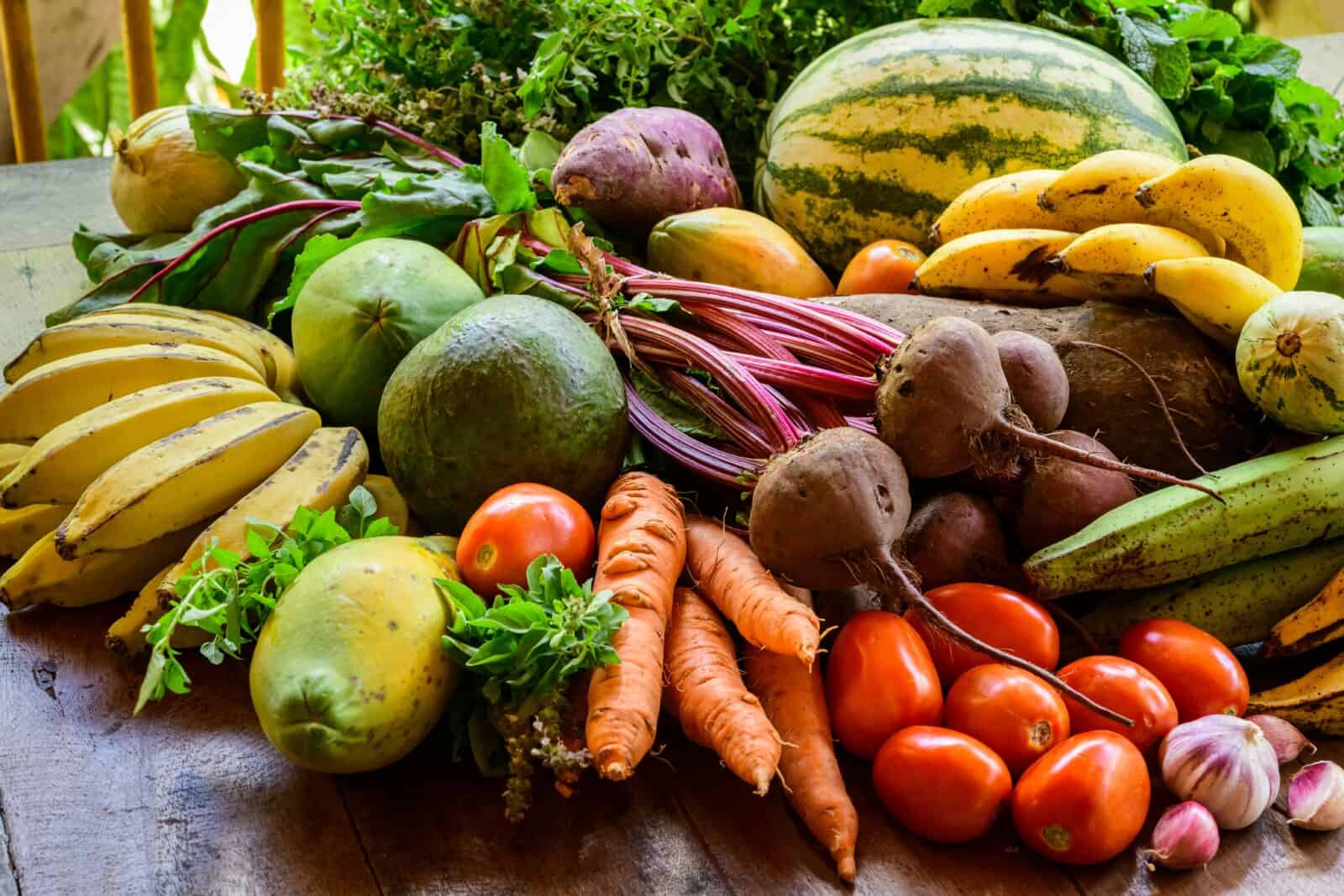
Getting vitamin A from whole foods is completely safe and naturally regulated by the human digestive system. It is virtually impossible for a child to overdose by simply eating too many carrots or sweet potatoes. Mother Nature packages these nutrients with fiber and water to slow down absorption.
Concentrated lab-made supplements bypass these natural speed bumps and flood the bloodstream instantly. You should prioritize feeding your kids a colorful diet rather than relying on synthetic pills. Rethinking your grocery shopping habits will naturally improve your family’s health without risking an accidental overdose.
What to Do During an Emergency

Panic is a natural reaction, but keeping a cool head is your best tool during a suspected overdose crisis. Grab the exact supplement bottle immediately so you can tell the experts what your child ingested. You should call the national poison hotline right away rather than wasting time searching the internet.
The experts on the phone will guide you step by step through the appropriate medical response. Thankfully, roughly 66.6% of poison exposures in 2024 were managed right at home without needing a hospital visit. Following their calm directions will keep your child safe and prevent the situation from escalating.
The Truth About Immune Boosting Claims

Marketing companies plaster their bottles with bold promises about building an impenetrable immune system. These shiny labels manipulate anxious parents into buying high-potency products their kids simply do not need. A normal child eating a balanced diet already gets plenty of immune support from their meals.
Excess vitamins literally do nothing to stop a cold once your body reaches its maximum nutrient capacity. Throwing extra gummies at a sick toddler is like pouring more water into an already overflowing glass. Save your hard-earned money and let their tiny bodies fight off minor bugs naturally.
How Pediatricians View the Supplement Craze

Doctors across the country are expressing serious frustration with the modern parental obsession over daily supplements. Medical professionals emphasize that healthy children rarely require anything more than a basic multivitamin. They see firsthand the negative consequences when well-meaning parents take matters into their own hands.
Your family doctor understands your child’s specific medical history far better than a pharmacy clerk does. Scheduling a quick consultation before buying new vitamins can eliminate the risk of accidental toxicity. Your pediatrician will gladly tell you if your kid actually needs that extra nutritional boost.
Creating Safe Habits for the Future

Building a healthier home environment starts with changing how you talk about medicine with your children. You must clearly explain that vitamins are serious medicine and never refer to them as fun candy. Setting strict boundaries early on prevents dangerous misunderstandings as your kids grow more independent.
Make taking vitamins a highly supervised daily ritual that happens right after breakfast or dinner. By taking control of the supplement routine, you protect your family from becoming another frightening statistic. Education and proper storage will keep your kids thriving without any unnecessary trips to the emergency room.
Like our content? Be sure to follow us