10 car loan traps that keep Americans stuck with monthly payments
For millions of Americans, a car payment has become a permanent line item in the household budget. Auto loan debt in the United States has climbed to nearly $1.7 trillion, according to Federal Reserve and Experian data compiled by LendingTree.
Meanwhile, the average new-car payment has risen to about $770 per month, and the average borrower now carries roughly $24,800 in auto loan debt, according to Experian data cited by The Motley Fool. At the same time, a growing share of consumers are stretching loans over six, seven, or even eight years to make vehicles seem affordable, while delinquency rates have been rising, particularly among borrowers with lower credit scores.
What often traps drivers isn’t just the cost of the vehicle itself. It’s a series of financing decisions that can turn a manageable purchase into years of expensive monthly payments. Here are 10 of the most common car loan traps keeping Americans stuck behind the wheel of debt.
Focusing Only on the Monthly Payment

The monthly payment is the first number most buyers ask for, and dealers know it. A lower payment can be achieved in many ways: a longer loan term, a larger down payment, a higher final cost, or add-ons spread over more months.
That is why the payment alone can fool people. Bankrate warns that longer loan terms can lower the monthly bill while raising total borrowing costs. A $650 payment may feel better than $750, but if it stretches the loan from five years to seven, the buyer may pay far more for the same car.
The smarter question is not just “Can I afford this each month?” It is “What is the out-the-door price, APR, term, total interest, and total amount paid?”
Treating 72- and 84-Month Loans as Normal

Long loans have moved from unusual to common. Experian reported that 35.55% of new vehicle loans in early 2026 were extended beyond six years, up from 30.83% one year earlier. The average new-vehicle loan term was 69.48 months, while used vehicles averaged 67.73 months.
Those extra months can make a nicer car feel reachable. But they also slow the path to real ownership. Cars lose value, tires wear out, warranties expire, and repairs are needed. A buyer can still be paying on a car that no longer feels new, no longer looks new, and may already be worth less than the remaining balance.
Rolling Old Debt Into the Next Loan
Negative equity is the debt that follows you. It means you owe more on your current car than it’s worth. When that balance gets rolled into a new loan, the buyer is not just financing the next vehicle. They are financing yesterday’s vehicle too.
Edmunds reported that 30.9% of trade-ins toward new-vehicle purchases had negative equity in the first quarter of 2026, with the average underwater trade-in carrying $7,183 in unpaid debt. More than one in four negative-equity cases involved over $10,000 rolled into the next deal. That is how a fresh start becomes a heavier loan from day one.
Letting the Dealer Control the Financing

Dealer-arranged financing can be convenient, and many dealers work with legitimate lenders. The risk is walking in without a comparison rate. If the buyer does not know what a bank, credit union, or online lender would offer, the dealership’s number becomes the only number in the room.
Bankrate advises buyers to prequalify with multiple lenders before choosing an auto loan. That gives shoppers a baseline. If a credit union approves a buyer at 6.8% and the dealership offers 9.9%, the buyer has room to ask questions. Without that outside offer, “convenience” can become a very expensive word.
Ignoring Credit Score Tiers
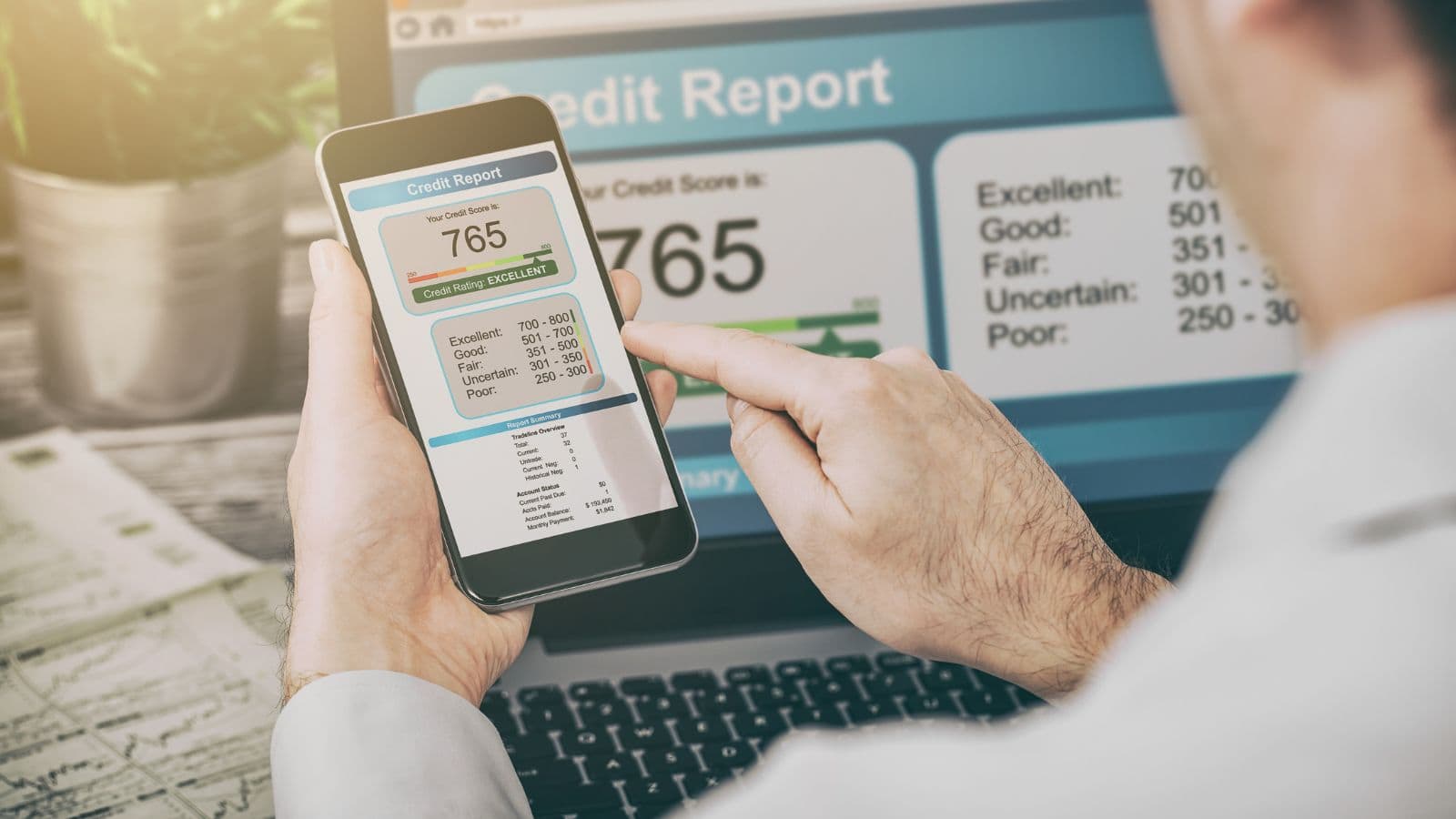
Credit score differences can turn the same car into a very different loan. Bankrate, using Experian data, reported that super-prime borrowers had average new-car rates of 4.66%, while deep-subprime borrowers faced 16.01%. On used cars, the gap ran from 7.70% to 21.85%.
That difference is not small. Bankrate calculated that on a $30,000, 60-month new-car loan, a borrower with excellent credit could save more than $9,500 in interest compared with a borrower with poor credit.
For some buyers, waiting a few months to improve credit, lower credit card balances, or correct errors in their reports may be one of the best car-shopping moves available.
Starting With Little or No Down Payment

Zero-down deals sound friendly because they remove the first obstacle. No big check today. Drive now. Pay later. But the loan often starts bigger because taxes, fees, add-ons, and the full vehicle price can all be financed.
That matters because cars usually lose value fastest early in ownership. A down payment can shrink the loan and create a cushion against negative equity. Without one, the buyer may owe more than the car is worth shortly after purchase. That becomes a problem if life changes, the car gets totaled, or another trade-in becomes tempting before the loan catches up.
Buying More Cars Because the Loan Can Stretch

Financing can make an expensive vehicle feel less expensive than it is. A larger SUV, a higher trim, a bigger truck, or a luxury package may fit the monthly target if the loan gets long enough.
Kelley Blue Book reported that the average American new-car buyer paid $49,220 in May 2026. Cox Automotive data showed the market still leaves room for cheaper segments, including compact cars and subcompact SUVs, but many buyers gravitate toward pricier vehicles.
The warning is simple: if the only way to afford the car is a very long loan, the car may be stretching the household budget.
Letting Add-Ons Hide Inside the Payment

The finance office is where “just a few dollars more” can add up to thousands. Extended warranties, paint protection, tire coverage, anti-theft products, GAP coverage, service plans, documentation fees, and other extras can be rolled into the loan.
The FTC tried to address this problem through its CARS Rule, which targeted bait-and-switch tactics and unnecessary add-ons. FTC Chair Lina M. Khan said in 2023, “When Americans set out to buy a car, they’re routinely hit with unexpected and unnecessary fees that dealers extract just because they can.”
Reuters reported that a federal appeals court later threw out the rule in January 2025 on procedural grounds. For buyers, the lesson remains useful: ask for an itemized buyer’s order before signing.
Assuming Used-Car Financing Is Automatically Cheaper

Used cars often have lower sticker prices, but the loan can carry a higher APR. Bankrate reported that average used-car rates were higher than new-car rates across all credit tiers, based on Experian data.
That does not make used cars a bad choice. Many are smart buys. The trap is assuming “used” automatically means “cheaper overall.” A lower price with a much higher rate can narrow the savings. Buyers should compare total cost: price, APR, term, warranty status, likely repairs, insurance, and how long they plan to keep the vehicle.
Missing Refinance and Payoff Details

Refinancing can help, but it is not magic. Experian reported that consumers who refinanced in the first quarter of 2026 lowered their interest rate by an average of 2.2 percentage points and saved $81 per month. Credit unions delivered an average payment drop of $101 for refinanced borrowers.
That said, borrowers need to check the payoff quote, fees, remaining term, and any prepayment penalties. A refinance that lowers the monthly payment by stretching the loan back out may cost more over time. The best refinance improves the rate, the payment, or the total cost without quietly restarting the debt clock.
What Drivers Can Take Away

Car loans are not inherently bad. Most Americans need financing to buy reliable transportation. The danger begins when the payment becomes the whole conversation.
The real deal is bigger than one monthly number. It includes the out-the-door price, APR, term, fees, add-ons, down payment, trade-in equity, total interest, and total amount paid. Melinda Zabritski, Experian’s head of automotive financial insights, said affordability continues to shape financing decisions as consumers lean on longer-term loans to offset rising monthly costs.
Bankrate senior industry analyst Ted Rossman warned that lower rates alone will not solve the affordability challenge because car prices, insurance, maintenance, and repairs remain elevated.
The practical move is boring, and that is why it works. Get preapproved. Know your credit tier. Ask for the full price in writing. Refuse add-ons you do not want. Avoid rolling old debt forward if possible. Choose the shortest loan that still leaves room for life.
The best car deal is not the one that barely fits this month. It is the one that still makes sense after the new-car smell is gone.
Disclaimer – This list is solely the author’s opinion based on research and publicly available information. It is not intended to be professional advice.
Like our content? Be sure to follow us